
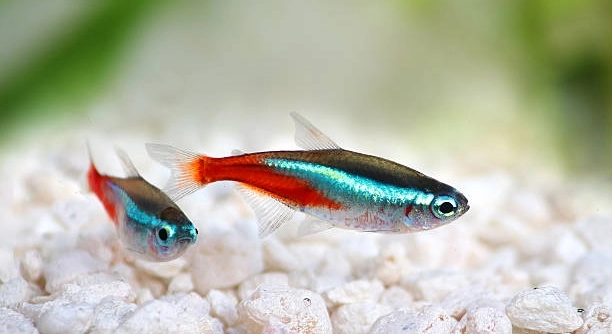
Neon Tetras are known for their vibrant colors, but if your fish seem timid, it can affect their behavior and overall well-being. Understanding the cause behind this shyness can help you provide the proper care they need.
Neon Tetras may appear shy due to environmental stress, water conditions, or improper tank mates. Factors such as lighting, water temperature, and tank size can also impact their comfort levels, leading to timid behavior.
Improving their environment and offering proper care can boost their confidence. Small adjustments can make a significant difference in their behavior and overall health.
Water Conditions Matter
Water quality plays a significant role in the behavior of Neon Tetras. Poor water conditions can cause stress, making your fish timid and less active. Ensuring the water is clean, with stable parameters such as pH, hardness, and temperature, is crucial for their well-being. Neon Tetras thrive in soft, slightly acidic water with a temperature range of 72-78°F. If the water is too hard or too cold, they may become stressed and hide more often. Frequent water changes and the use of a quality filtration system can help maintain a healthy environment.
Proper water conditions are essential for your fish’s comfort and confidence. Test your water regularly to ensure it falls within the ideal range for Neon Tetras.
A well-maintained tank will help reduce stress. A stable environment can encourage your Neon Tetras to swim freely and interact with other fish. If water conditions are not optimal, it could lead to long-term health problems.
Tank Setup and Space
The size of your tank is another important factor. Neon Tetras prefer a well-planted tank with plenty of space to swim. A small, overcrowded tank can make them feel restricted and shy. They are naturally school fish, so keeping them in groups of at least six helps them feel more secure. Too few tank mates can also lead to isolation and timidity. When setting up your tank, make sure there are hiding spots like plants or rocks. These provide safety, but it’s important that they still have enough open swimming space.
Providing ample space and hiding spots will help reduce their anxiety. When the environment is too small or overwhelming, it can discourage your fish from swimming actively.
If the tank setup is cramped, your Neon Tetras might hide more often. By adjusting the tank size and layout, you can create a more comfortable habitat that boosts their confidence.
Proper Tank Mates
Neon Tetras are peaceful and do best with other non-aggressive fish. Aggressive or overly active tank mates can scare them, causing them to become timid. If they are housed with fish that are too large or dominant, they may retreat into the corners of the tank, avoiding interaction. Choosing compatible tank mates is essential for their social behavior. Fish like Corydoras catfish, Guppies, and other small peaceful species make good companions. Avoid placing them with species that may bully them or disrupt their peaceful nature.
Having proper tank mates will allow Neon Tetras to feel safe. With the right social environment, they’ll be more confident in exploring and swimming freely.
The right tank mates can provide a more positive atmosphere for your fish. Neon Tetras will become more comfortable and active when they’re in a community of similar-sized, non-threatening species. Be mindful of their needs when selecting other fish for the tank.
Lighting and Stress
Lighting can have a significant impact on Neon Tetras’ behavior. Bright or harsh lighting may make them feel exposed and stressed, leading them to hide. Soft, dim lighting mimics their natural habitat and helps them feel more secure.
Adjusting the lighting in your tank can help ease their anxiety. Neon Tetras are more comfortable with indirect or subdued light, which allows them to swim more freely and confidently. Too much direct light can also encourage algae growth, which adds to the stress in the tank.
To improve their comfort, try using a low-wattage LED light or a light with adjustable brightness. This will help reduce stress and encourage your Neon Tetras to explore their environment.
Feeding Habits
Neon Tetras can become shy if they are not being fed properly. A lack of nutrition can make them feel weak and lethargic, reducing their overall activity level. It’s important to provide a balanced diet that meets their nutritional needs.
Overfeeding or underfeeding can also lead to timid behavior. Overfeeding can pollute the water, creating an unhealthy environment that stresses the fish. On the other hand, underfeeding may leave them feeling hungry and anxious. Stick to a feeding schedule that provides enough food without overloading the tank.
Make sure to feed them a variety of foods, including flakes, pellets, and occasional live or frozen treats like brine shrimp. A well-fed fish will be more energetic and confident.
Tank Maintenance
Consistent tank maintenance is crucial for your Neon Tetras’ comfort. Dirty or overcrowded tanks can lead to stress, making them more timid. Regular water changes, filter cleanings, and substrate vacuuming help maintain a healthy environment.
A well-maintained tank reduces the risk of disease and poor water quality. Keeping the water clear and parameters stable will help Neon Tetras feel more secure. It’s important to monitor for any changes in behavior that may indicate stress, such as excessive hiding or reduced activity.
Regular maintenance keeps your fish healthy and confident. A clean tank will also help ensure that your Tetras are active and comfortable in their environment.
Temperature Control
Neon Tetras thrive in stable temperatures between 72-78°F. Sudden temperature fluctuations can cause stress and make them more timid. Use a reliable heater to maintain a constant temperature.
Investing in a good-quality thermometer will help you monitor the tank’s temperature. Temperature fluctuations can lead to weakened immune systems, making the fish more susceptible to illness. Keeping the temperature steady will reduce stress and improve your Tetras’ overall well-being.
Ensuring that the tank temperature is consistently within this range is essential for their comfort and confidence.
Environmental Enrichment
Adding plants, rocks, and decorations to your tank can help Neon Tetras feel more secure. They enjoy having places to hide and explore. Creating a natural environment with plenty of coverage encourages them to swim freely and reduces their timid behavior.
Proper environmental enrichment can help your Tetras feel less exposed and more comfortable in their surroundings. Adding live plants or soft decorations creates hiding spots and provides a sense of safety. Be mindful not to overcrowd the tank with too many decorations.
The right balance of plants and decorations can help your Neon Tetras feel confident and more active.
FAQ
Why are my Neon Tetras hiding all the time?
Neon Tetras may hide if they feel stressed or unsafe. Common causes include poor water quality, aggressive tank mates, or inappropriate lighting. Ensuring that the water is clean, the tank mates are peaceful, and the lighting is soft can help your fish feel more secure. If they are still hiding after these adjustments, check for other factors, such as temperature fluctuations or overcrowding.
How can I reduce stress in my Neon Tetras?
To reduce stress, ensure that your Neon Tetras have a stable environment. This includes clean water, stable temperatures, and compatible tank mates. Providing plenty of plants and hiding spots can also help your fish feel secure. Reducing loud noises, vibrations, or too much direct light will further minimize stress levels.
Can Neon Tetras live with other fish?
Yes, Neon Tetras are peaceful fish and generally do well with other non-aggressive species. They thrive in a community tank with similar-sized, non-territorial fish like Corydoras, Guppies, or Otocinclus catfish. Avoid aggressive or large fish that may intimidate your Neon Tetras and cause them to become shy.
What is the ideal tank size for Neon Tetras?
Neon Tetras are small fish, but they do best in groups. A 10-gallon tank is generally sufficient for a small school of six Neon Tetras. However, larger tanks are better, especially if you plan to add other species. A larger tank offers more swimming space and promotes a healthier environment for all fish.
How often should I feed my Neon Tetras?
Neon Tetras should be fed once or twice a day with small portions that they can consume in a few minutes. Overfeeding can lead to water pollution, while underfeeding may cause your fish to become anxious and weak. A balanced diet of flake food, pellets, and occasional live or frozen treats is ideal for their health.
Why do Neon Tetras swim in schools?
Neon Tetras are schooling fish, meaning they feel more comfortable and secure in groups. Swimming in schools is a natural behavior that provides safety from predators and helps them stay active. It also promotes social bonding, making your Neon Tetras less timid and more confident when in a group.
What water conditions do Neon Tetras need?
Neon Tetras prefer soft, slightly acidic water with a pH between 6.0 and 7.0. The water temperature should be kept between 72-78°F. Maintaining clean water is essential to keep your fish healthy. Regular water changes and a good filtration system can help maintain these conditions and reduce stress.
How do I know if my Neon Tetras are healthy?
Healthy Neon Tetras should be active, swim in schools, and have bright, vibrant colors. If your fish are hiding frequently, swimming erratically, or losing color, they may be stressed or unwell. Check the water quality, tank mates, and diet to identify any potential issues. Additionally, signs of illness like bloating, lesions, or rapid gill movement can indicate health problems.
Can Neon Tetras live in cold water?
No, Neon Tetras are tropical fish and require warm water to thrive. Water temperatures should be kept between 72-78°F for optimal health. Cold water will cause them stress, reduce their immune function, and may lead to illness. Using an aquarium heater will help maintain a stable temperature for your fish.
Do Neon Tetras need a filter?
Yes, Neon Tetras benefit from a filtration system. A filter helps maintain clean water by removing debris, excess food, and waste products. Proper filtration also helps maintain stable water parameters, which is crucial for the health of your fish. However, be sure the filter flow is not too strong, as this can stress your Neon Tetras.
How can I help my Neon Tetras become less shy?
To help your Neon Tetras become more confident, ensure that their environment is calm and stress-free. Maintain clean water, provide plenty of plants and hiding spots, and keep the lighting subdued. Also, keep tank mates peaceful and avoid sudden changes in the tank. The more comfortable they feel, the more active and confident they will become.
Why are my Neon Tetras not eating?
If your Neon Tetras are not eating, it could be due to stress, poor water conditions, or health issues. Check the water parameters, tank mates, and ensure that the food you are offering is suitable for them. If they continue to refuse food, observe for signs of illness or consult a vet for further advice.
What is the lifespan of a Neon Tetra?
Neon Tetras typically live for 5 to 10 years, depending on their care. Proper tank maintenance, good water quality, a balanced diet, and a stress-free environment can help maximize their lifespan. Regularly monitor their health and take prompt action if any issues arise to ensure they live a long, healthy life.
Do Neon Tetras need a heater?
Yes, Neon Tetras require a heater to maintain a stable water temperature between 72-78°F. Fluctuating temperatures can cause stress and weaken their immune system. A reliable heater helps keep the water warm and consistent, ensuring a comfortable environment for your Neon Tetras to thrive.
Final Thoughts
Neon Tetras are beautiful and peaceful fish, but their timid behavior can be a challenge for many aquarium owners. Their shyness is often linked to stressors like poor water conditions, bright lighting, or incompatible tank mates. By understanding the factors that affect their confidence, you can create a more comfortable environment that encourages them to swim freely and interact with the other fish. With a few adjustments to their habitat, such as reducing stress, adjusting the lighting, and maintaining proper water quality, you will see your Neon Tetras become more active and confident.
Feeding habits also play a crucial role in the well-being of your Neon Tetras. Offering a balanced diet and avoiding overfeeding can help them stay healthy and active. Providing a variety of foods will ensure that they receive all the nutrients they need. Additionally, maintaining a consistent feeding schedule will prevent any unnecessary stress that could make them more withdrawn. Remember that Neon Tetras, like many small fish, thrive in a group setting. Having a school of at least six will allow them to feel safe and more confident in their surroundings.
While creating the ideal environment for your Neon Tetras can take time, the effort is well worth it. Once you make the necessary adjustments, you will notice a positive change in their behavior. They will swim more freely, interact with other fish, and display their vibrant colors. By being patient and attentive to their needs, you will provide your Neon Tetras with a stress-free environment that promotes long-term health and happiness.

Hello,
If you enjoy the content that we create, please consider saying a "Thank You!" by leaving a tip.
Every little bit helps us continue crafting quality advice that supports the health, happiness, and well-being of pets around the world, for pets of all shapes, sizes, and species.
We really appreciate the kindness and support that you show us!