
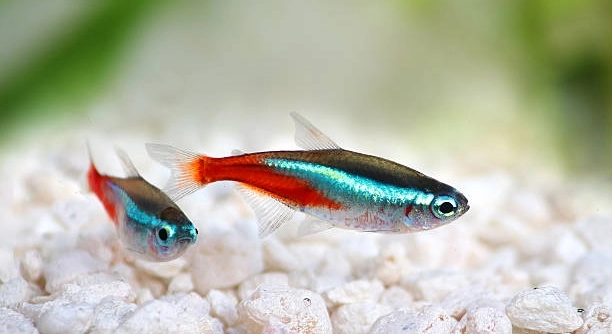
Neon Tetras are a popular fish among aquarists, known for their vibrant colors and small size. If you’re raising them in your aquarium, identifying their gender can be tricky, but it’s possible with some careful observation.
Male and female Neon Tetras can be differentiated by their size, shape, and color. Males are typically smaller, with a slimmer body and brighter, more vivid colors, while females are larger and have a more rounded belly, especially when carrying eggs.
Understanding these differences will help you properly identify male and female Neon Tetras, ensuring you care for them effectively in your aquarium.
Size Difference Between Male and Female Neon Tetra
One of the easiest ways to spot the difference between male and female Neon Tetras is their size. Males are generally smaller and more compact, while females tend to be slightly larger. The male’s slender body is a result of less internal weight compared to the female. Females, on the other hand, often have a more rounded belly, especially when they are ready to lay eggs. This size difference becomes more noticeable when both genders are kept in the same aquarium, as the male appears more delicate, while the female looks fuller and more robust.
The size difference may not be as clear if there are no females nearby, making it harder to compare. However, keeping an eye on their growth over time can reveal the contrast as they mature.
With this size observation, it’s possible to identify gender in most cases. As they grow, males typically remain smaller than females, which makes it easier to make this distinction.
Body Shape: The Subtle Differences
Another difference is in their body shape. Males have a sleeker, more streamlined appearance, while females are rounder, especially when carrying eggs.
When you look closely, the difference in shape becomes apparent. The male’s slim body helps him swim faster and more efficiently, while the female’s fuller form supports the development of eggs.
During breeding seasons, females often appear even rounder, emphasizing their egg-carrying capacity. This can help during mating periods when distinguishing between the two becomes even more significant. Males are usually more active and vibrant when chasing after females.
Color Intensity and Brightness
Color plays a significant role in identifying male and female Neon Tetras, especially when it comes to the intensity of the colors. Males tend to display brighter and more vivid colors, particularly during mating seasons. The male’s body will have a strong blue or red hue that is more noticeable and striking compared to females. Females, while still colorful, generally lack the intense brightness that males possess.
The difference in color is also influenced by the fish’s age and environment. In a well-maintained aquarium with proper lighting, the male’s colors will become more pronounced, making it easier to tell them apart. However, in low light or poor water conditions, this color difference may not be as apparent.
Maintaining a healthy and vibrant environment is key for the colors to truly shine. The more vibrant the colors, the easier it is to distinguish between males and females.
Behavior: Active Males vs. Reserved Females
Male Neon Tetras are typically more active and bold in their movements. They swim faster, darting around the tank, especially when trying to attract a female. The males often display their full color intensity during these moments to grab the female’s attention.
Females, in contrast, are often slower and less aggressive in their movements. When they are ready to breed, they will swim around but remain more reserved in comparison to the males. Females tend to stay close to the bottom of the aquarium, avoiding the more frenetic activity of the males.
This behavioral pattern becomes clearer when the Tetras are in a group, with males showcasing their speed and bright colors, and females sticking to calmer and more controlled movements.
Differences in Fin Shape
The fins of male and female Neon Tetras are another feature that can help in gender identification. Males tend to have slightly more pointed and elongated fins, particularly the dorsal and anal fins. These fins contribute to their streamlined shape, aiding in their fast swimming abilities.
Females, on the other hand, have fins that are more rounded and less sharp in appearance. The differences in fin shape may not be as obvious until the Tetras are fully grown. These small but noticeable differences in fin structure further distinguish the male from the female.
Looking at the fins, especially during breeding periods when males are more active, can help you identify their gender. The male’s fin shape becomes more evident as he displays his colors and behavior, especially when trying to impress a female.
The Presence of Eggs in Females
Female Neon Tetras are more likely to carry eggs, especially when they are mature. You can spot a female’s rounded belly when she’s ready to spawn, filled with eggs. This is a clear sign of her reproductive capacity. Males, by contrast, do not have the same visible fullness.
The presence of eggs is one of the most obvious differences between male and female Neon Tetras. When a female is carrying eggs, her body shape becomes noticeably rounder, and she often appears slower and more reserved in the tank. It’s during these times that she becomes more distinguishable from the males, who remain smaller and leaner.
The eggs make a significant difference in the overall appearance of the female. Their growth can also affect how she interacts with other fish in the tank, often becoming more subdued as she prepares for spawning. Keep an eye on your Tetras during breeding times to spot this difference more easily.
The Role of Mating Displays
Male Neon Tetras often exhibit unique mating displays to attract females. These displays involve rapid swimming and darting around the tank, often in quick bursts. The males will show off their bright colors, which become even more intense during this time.
These mating behaviors are essential in distinguishing males from females. Males will often swim in front of the females, displaying their colorful bodies and trying to capture their attention. These behaviors also serve as a way to assert dominance among other males in the tank. During these displays, the males often appear much more active than the more reserved females.
Females, in contrast, do not engage in these dramatic displays. They typically remain more stationary, occasionally swimming around the tank without the erratic movements of the males. Watching the fish during these mating seasons will help highlight the behavioral differences between the sexes.
The Role of the Anal Fin
The anal fin of male and female Neon Tetras also offers a clue to their gender. Males typically have a more pointed anal fin, which helps them during their fast swimming and breeding displays. The sharpness of the fin is one of the easiest gender distinctions to spot.
In contrast, the female’s anal fin is more rounded, contributing to her less streamlined shape. The difference in the fin shape is especially noticeable when both sexes are housed together. While it’s not as obvious as other features, it becomes clearer once you closely observe their behavior in the tank.
Gender Differences During Spawning
During spawning, male and female Neon Tetras exhibit distinct differences. The males actively chase the females and display their colors, swimming around rapidly to attract attention. The female, once she selects a mate, will swim near plants to lay her eggs.
The entire process reveals the stark contrast between the males’ active displays and the females’ more passive role. Male Tetras work hard to capture the female’s attention, showcasing their brightest colors and swifter movements. Females, after choosing a mate, participate only in the egg-laying process, making them more reserved and stationary.
Swimming Patterns
When it comes to swimming, male Neon Tetras are faster and more erratic than females. Their constant darting and quick movements are often used to impress the females. Males frequently zip around the tank, often showing off their bright colors as they display their fitness.
FAQ
How can I easily identify the male and female Neon Tetra?
The easiest way to identify male and female Neon Tetras is by observing their size, shape, and color. Males are typically smaller and more slender, with brighter colors, especially during breeding seasons. Females, in contrast, are larger and rounder, especially when carrying eggs. Their less intense color and fuller belly are key differences.
Do male and female Neon Tetras have different swimming behaviors?
Yes, males and females exhibit different swimming behaviors. Males are more active, darting around the tank quickly, especially during mating displays. Their rapid movements and bright colors help attract females. Females, on the other hand, are more reserved, swimming slowly and gracefully, especially when they are ready to spawn.
What role do colors play in identifying male and female Neon Tetras?
Color is one of the easiest ways to distinguish between males and females. Male Neon Tetras are brighter, with more vivid blue and red colors, particularly during mating seasons. Females are typically less colorful and have more subdued tones. The color difference is most noticeable when the males display their bright hues to attract females.
Are there any noticeable differences in their fins?
Yes, males tend to have more pointed and elongated fins, particularly the anal and dorsal fins. These sharper fins help them during fast swimming and display behaviors. Females, on the other hand, have more rounded fins, contributing to their fuller, rounder body shape, especially when they carry eggs.
Do Neon Tetras’ gender differences become clearer with age?
Yes, as Neon Tetras mature, the differences between males and females become more apparent. Males generally remain smaller, slimmer, and more colorful. Females grow larger, especially as they mature and begin to carry eggs, which causes their bodies to become rounder. The differences are more noticeable during the breeding season.
How do male and female Neon Tetras behave during mating?
During mating, males are much more active, swimming rapidly and displaying their bright colors to attract a mate. They chase the females around the tank in an attempt to get her attention. Once a female selects a male, she will find a spot in the tank to lay her eggs, while the male follows closely behind to fertilize them.
Can you tell the gender of Neon Tetras without observing their behavior?
Yes, you can tell the gender of Neon Tetras by their size, shape, and color alone. Males are smaller, slimmer, and brighter, while females are larger, rounder, and less colorful. However, observing their behavior, especially during breeding periods, can make the gender differences even more noticeable.
What is the best way to ensure healthy breeding conditions for Neon Tetras?
To create optimal breeding conditions for Neon Tetras, provide a well-maintained aquarium with soft, slightly acidic water and plenty of hiding spaces, such as plants or small caves. The water temperature should be around 74-80°F (23-27°C). Offering a varied diet with high-quality food will also encourage healthy breeding. Ensure the water parameters are stable and perform regular water changes to maintain a clean environment.
Do male and female Neon Tetras have different feeding habits?
Male and female Neon Tetras generally have the same feeding habits. Both will consume a variety of foods, such as high-quality flakes, pellets, and occasional live or frozen foods. However, during breeding, females may feed less, as their energy is directed towards egg production. Males tend to remain active and may eat more frequently.
How can I tell if my Neon Tetras are about to breed?
You’ll notice some key signs when your Neon Tetras are about to breed. The male will display brighter colors and become more active, swimming quickly and chasing the female. The female will appear rounder as she carries eggs, and she may be more passive. You may also notice the pair swimming closely together, often near plants, as they prepare for spawning.
Can male and female Neon Tetras live together without issues?
Yes, male and female Neon Tetras can live together peacefully in a tank. They are generally social fish that thrive in groups, with males and females coexisting well. However, males may become more territorial during the breeding season, showing more aggressive behavior. As long as there’s enough space and hiding spots, they will coexist without major issues.
Is it necessary to keep more males than females in a tank?
It’s generally recommended to keep a higher number of females than males to reduce aggressive behavior. Male Neon Tetras can sometimes become overly competitive, especially during breeding seasons, which can lead to stress for the females. A good ratio is typically 2-3 females for every male to maintain harmony in the tank.
How long do Neon Tetras live?
Neon Tetras typically live for 5-10 years if they are kept in optimal conditions. Factors such as water quality, diet, and the presence of other fish can affect their lifespan. Proper care, including maintaining stable water parameters and avoiding overpopulation, will help ensure that your Neon Tetras live a long and healthy life.
What are the signs of a stressed Neon Tetra?
Signs of stress in Neon Tetras include faded colors, erratic swimming, and hiding at the bottom of the tank. Stressed Tetras may also show signs of physical damage, such as torn fins. Stress can be caused by poor water conditions, overpopulation, or aggression from tankmates. It’s essential to address the underlying cause to reduce stress and promote a healthy environment for your fish.
Are there any special care needs for male and female Neon Tetras?
Both male and female Neon Tetras have similar care needs. They require a clean, well-maintained aquarium with soft, slightly acidic water, and a steady temperature. Providing a balanced diet of high-quality flakes, pellets, and occasional live food will keep them healthy. The main differences in care arise during the breeding process, where females may need extra space and security to lay their eggs.
Final Thoughts
Identifying male and female Neon Tetras can be straightforward once you know what to look for. The key differences lie in their size, shape, color, and behavior. Males are typically smaller, slimmer, and brighter, especially during the breeding season. Females, on the other hand, are generally larger, rounder, and have a more muted color. The anal fin shape also plays a role; males have a more pointed fin, while females have a more rounded one. Observing their behavior during mating is another helpful way to identify their gender, as males are more active and display their colors to attract females.
Neon Tetras are peaceful and social fish, making them great additions to a community tank. However, understanding the gender differences can help ensure you create a comfortable environment for them. Male Tetras tend to be more active and assertive, especially during breeding, while females are more passive and focused on laying eggs. By observing these behaviors, you can better appreciate their needs and tailor your care to maintain a healthy tank. Whether for breeding purposes or just for general care, knowing the gender differences will allow you to provide better care for your Neon Tetras.
Ultimately, both male and female Neon Tetras contribute to the charm and beauty of your aquarium. Each has its role, and recognizing the differences between them will make you a more informed fish keeper. Whether you’re observing their lively courtship rituals or simply enjoying their peaceful nature, understanding these differences adds another layer of appreciation for these small, colorful fish. By maintaining a balanced and healthy environment, you can ensure that both male and female Neon Tetras thrive and continue to add vibrancy to your tank.

Hello,
If you enjoy the content that we create, please consider saying a "Thank You!" by leaving a tip.
Every little bit helps us continue crafting quality advice that supports the health, happiness, and well-being of pets around the world, for pets of all shapes, sizes, and species.
We really appreciate the kindness and support that you show us!