
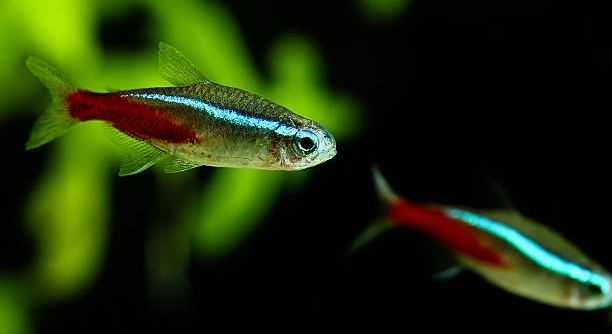
Keeping your neon tetra tank clean is essential for maintaining a healthy environment for your fish. Regular water changes help ensure your tetras stay happy and active in their aquatic home. Here’s how to tell when it’s time.
The main indicators that your neon tetra tank needs a water change are poor water quality, visible algae buildup, cloudy water, or unusual fish behavior. Regularly monitoring these signs will help prevent stress and health issues for your fish.
By recognizing these early signs, you’ll be able to keep your neon tetras thriving in a clean environment. Continue reading to learn how to identify the specific signs and take action.
Water Quality Starts to Decline
If you notice the water in your tank beginning to look murky or cloudy, it’s time to think about a water change. Over time, waste products like fish food, leftover debris, and fish excretions build up in the tank. This leads to an increase in harmful substances like ammonia and nitrites, which can damage your fish’s health. Neon tetras are small, delicate fish, and they are sensitive to changes in water quality. When water quality drops, it can stress the fish, making them more prone to illness.
Poor water quality can cause stress and even death in neon tetras. Always keep an eye on the clarity of your tank water to avoid harming your fish.
Maintaining clear water in the tank isn’t just about appearance; it’s vital for the health of your neon tetras. Clean water keeps ammonia and nitrate levels low, ensuring the fish have the best possible environment. Regular water changes can keep these levels in check. If you notice any discoloration or cloudiness, it’s often a sign that the water is becoming unhealthy.
Fish Behavior Changes
When water quality starts to deteriorate, neon tetras often show changes in behavior. They may swim erratically or spend more time at the surface. Such behaviors suggest that the water isn’t suitable for them anymore.
Tetras are known for being active and playful. If you start seeing them darting around frantically or staying in one spot for too long, something is off. Poor water quality can interfere with their ability to breathe and move normally. Regular water changes help remove harmful toxins, ensuring your fish stay comfortable and active. When these changes in behavior happen, it’s best to act quickly.
Visible Algae Growth
Algae can quickly take over a tank if the water is left unchanged for too long. While a small amount of algae is natural, excessive growth is a sign that your tank needs a water change. Algae thrives when there’s a buildup of nutrients in the water, particularly nitrogen.
Excessive algae can cause the water to appear green or covered in a slimy film. This affects the oxygen levels in the water, stressing your neon tetras. If you see algae covering the walls, decorations, or plants in your tank, it’s time to clean up. Algae can also block out light, affecting plant health and disrupting the balance of the tank.
Taking steps to prevent algae growth is easier than you think. Regular water changes, proper lighting, and avoiding overfeeding are simple actions that can keep algae under control. You may also need to scrape the algae off surfaces during your water change to ensure your tank stays healthy.
Unpleasant Smell
A tank that smells off is a clear sign that the water has gone bad. Neon tetras rely on clean water to stay healthy, and a bad odor often means there’s an excess of organic matter in the tank.
Rotting fish food, waste buildup, and dead plant matter can all cause foul smells. These materials break down in the water, releasing harmful substances like ammonia and hydrogen sulfide. If you notice an unpleasant smell coming from your tank, it’s a good indicator that a water change is needed. Keeping your tank fresh and odor-free should be part of regular maintenance.
Aside from water changes, feeding your fish the right amount and removing any uneaten food promptly can help reduce waste buildup. Also, keep the tank clean by vacuuming the substrate during water changes. This will help prevent odors from developing and ensure your neon tetras remain in a healthy environment.
Low Oxygen Levels
When water quality declines, oxygen levels can drop, making it harder for your neon tetras to breathe. Fish need oxygen to thrive, and if it’s in short supply, they can become lethargic or struggle to swim.
One sign of low oxygen is when your fish start gulping air at the surface more than usual. This behavior can be particularly noticeable at night. If this happens, it’s important to perform a water change as soon as possible to restore oxygen levels and maintain a healthy tank environment.
Keeping the water moving with a filter or air stone can also help oxygenate the water. Regular water changes, along with these tools, ensure your neon tetras have access to the oxygen they need to stay active and healthy.
Fish Showing Signs of Stress
Stress in neon tetras can appear as rapid gill movement, swimming in place, or hiding more than usual. These are common responses to poor water conditions.
Stress can weaken your fish’s immune system, making them more susceptible to disease. If you notice your tetras acting differently or not moving around as much, it’s a sign that the water conditions need attention. Regular water changes reduce the buildup of harmful toxins and improve overall tank stability, helping reduce stress.
Water Temperature Fluctuations
Sudden temperature changes can stress out your neon tetras. Keeping the water temperature stable is key to their health.
FAQ
How often should I change the water in my neon tetra tank?
For neon tetras, it’s ideal to change about 25-30% of the water every 2 weeks. However, if your tank is overcrowded or the water quality declines more quickly, you may need to do water changes more frequently. Regular maintenance will keep your tank in optimal condition and your fish healthy. You should also test the water regularly for ammonia, nitrite, and nitrate levels to determine if more frequent changes are needed.
What is the best way to change the water in my neon tetra tank?
To change the water, start by using a siphon or gravel vacuum to remove debris from the substrate. Then, replace the removed water with clean water that’s been conditioned to remove chlorine and other harmful chemicals. Make sure the replacement water is at the same temperature as the tank water to avoid shocking your tetras. It’s also important to avoid overfilling the tank, as it can disturb the balance. After the change, check the water quality to ensure everything is stable.
Can I change all the water at once?
It’s not recommended to change all the water at once, as this can cause sudden changes in temperature, pH, and oxygen levels, which may stress your neon tetras. Instead, aim for partial water changes of 25-30% every 1-2 weeks. This gradual change is better for the stability of the tank and for the health of your fish. Large water changes should be avoided unless there’s a serious water quality issue that needs immediate attention.
Why is the water in my neon tetra tank cloudy?
Cloudy water is often caused by a buildup of excess waste, uneaten food, or even bacteria. It can be a sign that the water isn’t being filtered or changed often enough. This could also happen if you have too many fish in the tank or if the filter is not working properly. Regular water changes and proper tank maintenance will help clear up the cloudiness. If the problem persists, check your filtration system and ensure it’s suitable for your tank size.
How do I know if the water is safe for my neon tetras?
Regular testing of your water is essential to ensure it’s safe for your neon tetras. Use water test kits to check ammonia, nitrite, nitrate, and pH levels. Ammonia and nitrite levels should always be at 0 ppm, while nitrate levels should stay below 20-40 ppm. The pH should ideally range from 6.0 to 7.5, as neon tetras prefer slightly acidic to neutral water. Keeping track of these levels will help you avoid harmful conditions that could stress your fish.
Can I use tap water for my neon tetra tank?
Tap water can be used, but it must first be conditioned to remove chlorine, chloramine, and other harmful chemicals. There are many water conditioners available that make tap water safe for fish. Be sure to let the water sit for a few hours or treat it with a conditioner before adding it to the tank. Always check the water’s pH, hardness, and temperature to ensure it’s compatible with your neon tetras’ needs.
What should I do if I notice algae growing in my tank?
Algae growth can be controlled by adjusting your tank’s lighting, feeding habits, and maintaining regular water changes. Algae thrive in tanks with excess nutrients, so reduce the amount of food you’re offering and remove any uneaten food quickly. If algae still appears, you can clean the tank’s surfaces with an algae scraper or brush during your water change. Additionally, controlling lighting by limiting it to 6-8 hours a day can prevent algae from growing too quickly.
Why are my neon tetras swimming near the surface?
Neon tetras swimming near the surface could be a sign that they are struggling with low oxygen levels in the water. This often happens when the water quality declines or when the water temperature is too high. Ensure that your tank is well-aerated with a filter or air stone and check the water’s oxygen levels. If the issue persists, a water change may be necessary to improve the tank’s conditions.
What should I do if my neon tetras look stressed?
Stress in neon tetras is often a sign of poor water quality, inappropriate tank conditions, or overcrowding. If your fish seem stressed, first check the water for ammonia, nitrite, nitrate, and pH levels. If any of these are out of balance, perform a water change and adjust the tank’s filtration system. Additionally, make sure there are no aggressive tank mates, and that your tetras have enough hiding spots. Reducing stress will help your fish feel more comfortable and prevent them from getting sick.
Can a water change help if my neon tetras are sick?
A water change can help improve the overall water quality and reduce harmful bacteria or toxins in the tank, which may be contributing to your neon tetras’ illness. However, if your fish are sick, it’s important to first diagnose the issue and treat it specifically. Sick neon tetras often require targeted treatment, such as medication or a change in diet. Keeping the water clean can prevent further stress and help your fish recover more easily.
How can I prevent water changes from stressing my neon tetras?
To reduce stress during water changes, make sure the replacement water is at the same temperature and pH level as the tank water. Avoid sudden temperature shifts by using a heater if necessary. Perform partial water changes regularly rather than large changes, and be gentle when using the siphon or vacuum. Minimize disturbances to the tank environment by leaving decorations and plants undisturbed. These precautions will help your neon tetras stay calm and avoid unnecessary stress during water changes.
Taking care of a neon tetra tank involves much more than just feeding your fish. One of the most important aspects of maintaining a healthy environment is regular water changes. Clean water is essential for your neon tetras to thrive. Over time, waste, leftover food, and other debris can build up, leading to poor water quality. This can harm your fish, causing stress or illness. By performing regular water changes, you can prevent these issues and keep your tank in good condition.
It’s essential to monitor your tank closely for signs that it needs a water change. Signs like cloudy water, algae growth, or changes in your fish’s behavior indicate that something isn’t right. Your neon tetras might start acting differently if the water is no longer ideal for them. They may swim near the surface, become less active, or even show signs of stress. Watching for these signals will help you know when it’s time to step in and clean the tank. Maintaining a good routine will ensure that your fish stay healthy and active.
In the end, water changes are a simple but necessary part of keeping your neon tetras happy. Regular water changes help maintain water quality, support your fish’s health, and create a stable, thriving environment. While it might take a little effort and time, the results are well worth it. With clean, balanced water, your neon tetras can continue to enjoy their vibrant colors and lively nature for years to come. Regular maintenance and attention to detail will help you avoid many common problems and ensure that your tank remains a beautiful, peaceful home for your fish.

Hello,
If you enjoy the content that we create, please consider saying a "Thank You!" by leaving a tip.
Every little bit helps us continue crafting quality advice that supports the health, happiness, and well-being of pets around the world, for pets of all shapes, sizes, and species.
We really appreciate the kindness and support that you show us!