
Monitoring the health of your Neon Tetra is essential to ensuring their well-being in your aquarium. Their small size makes them particularly vulnerable to changes in their environment. Understanding key health indicators can help you spot potential issues early.
Neon Tetras are known for their vibrant colors and active behavior. Monitoring their health involves observing factors like swimming patterns, color vibrancy, feeding habits, and physical appearance. Regularly checking these indicators can help prevent serious health issues.
By being mindful of these health indicators, you can ensure your Neon Tetra thrives. Knowing what to watch for is essential for maintaining a healthy aquarium environment.
1. Observing Swimming Behavior
One of the first things to notice about your Neon Tetra is its swimming behavior. Healthy Neon Tetras are active swimmers, constantly moving around the tank in groups. If they suddenly become sluggish or isolated, it could indicate stress or illness. It’s also important to pay attention to their swimming pattern. If they swim erratically or stay near the water surface, this could be a sign of water quality issues or a health problem.
Watching for abnormal behavior is essential for early detection of potential health issues. You should check their movements regularly, especially during feeding time when they are most active. Any noticeable difference in their usual activity could be a signal for further inspection.
Frequent changes in swimming patterns may also mean something’s off with the water conditions, which can be stressful for your fish. Always ensure that their environment is stable, including the temperature, pH levels, and water cleanliness. Monitoring swimming behavior can give you insight into their overall health and help you catch issues before they escalate.
2. Checking for Color Fading
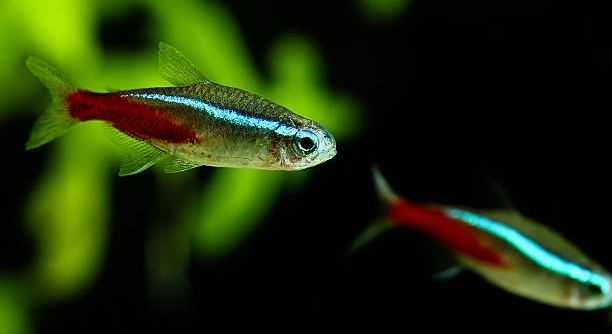
Neon Tetras are known for their bright, neon-blue stripes and vibrant red bodies. These colors are a sign of good health and a happy environment. When a Neon Tetra’s colors start to fade, it’s an indicator that something may be wrong.
Fading color is often related to poor water conditions, stress, or an underlying health problem. If you notice this, it’s important to inspect the water quality and check for any signs of disease. Proper care and a clean environment can often restore their colors.
A loss of vibrancy should not be ignored. Keep track of their color regularly, as it’s a straightforward way to gauge their overall health. Their bright appearance is usually the result of a healthy, happy fish living in a stable environment.
3. Monitoring Feeding Habits
Neon Tetras are small but active eaters. If you notice your fish are losing interest in food, it could be a sign of an underlying problem, such as stress or illness. Healthy Tetras typically eat eagerly and remain active during feeding times.
A sudden change in feeding habits, like decreased appetite or ignoring food altogether, should not be overlooked. This can be caused by poor water quality, parasites, or stress from tank mates. It’s important to monitor their response to food, especially after changing their diet or introducing new tank mates.
If your Neon Tetra refuses to eat for more than a couple of days, it may be time to test the water conditions or consult an expert. Additionally, observe whether the other fish in the tank are eating normally as well, as this can give you further insight into their overall health.
4. Checking for Physical Changes
Physical appearance can offer clear clues about your Neon Tetra’s health. Look for signs like changes in body shape, abnormal growths, or skin lesions. Healthy Tetras have smooth, clear skin with no swelling or bumps.
Look out for unusual changes in their fins, such as fin rot or tearing, which could indicate bacterial infections or poor water quality. If you notice anything out of the ordinary, examine the fish closely, as some symptoms can appear suddenly. Early intervention is crucial in preventing more serious conditions from developing.
Physical changes can also be linked to parasites, stress, or poor diet. Pay attention to any swelling or discoloration that might signal an issue. If you spot abnormal changes, it’s important to act quickly to prevent the situation from worsening, especially in a group of fish where one infected fish can quickly spread illness.
5. Observing Behavior Changes
Any sudden changes in behavior can be a red flag for health issues. Neon Tetras that seem overly lethargic or aggressive may be reacting to stress, disease, or changes in their environment. Keep an eye on how they interact with tank mates.
Behavior shifts can sometimes be linked to illness or poor water quality. Stress from overcrowding or sudden temperature changes can also trigger abnormal behavior. If your Tetras start behaving differently than usual, it’s a good idea to investigate further. Look for any signs of distress, as it can often be the first sign of an issue.
6. Checking for Parasites
Parasites can be difficult to detect but can cause serious harm to your Neon Tetra. Look for signs such as unusual spots, lesions, or white, fuzzy growths on the body or fins.
Parasites often cause distress in the fish, including rapid gill movement, rubbing against tank surfaces, or scratching. If you notice these symptoms, it’s important to check the water quality and ensure the tank is properly maintained. In some cases, using aquarium-safe treatments may be necessary to remove parasites and prevent further infection.
7. Regular Water Testing
Regularly testing the water is essential to ensure a healthy environment for your Neon Tetras. Monitoring levels of ammonia, nitrate, nitrite, and pH can prevent stress caused by poor water quality.
If these levels are out of balance, it can affect the health of your fish. A simple water test kit can help you monitor the tank’s conditions. Water changes and filtration systems should be adjusted accordingly. Keeping a stable environment helps your Neon Tetras thrive and reduces the chances of health problems caused by water quality.
FAQ
How often should I check my Neon Tetra’s health?
It’s a good idea to check your Neon Tetra’s health daily. This can be done by observing their swimming patterns, eating habits, and physical appearance. Regular checks will help you spot any issues early before they become serious problems. While you don’t need to constantly worry, a brief daily inspection can give you peace of mind and ensure your fish remain healthy.
What are the signs of stress in a Neon Tetra?
Stress in Neon Tetras can show up in various ways. You may notice them swimming aimlessly or hiding more than usual. They might also exhibit rapid gill movement or stop eating altogether. Stress can be caused by poor water conditions, overcrowding, or aggressive tank mates. If these signs appear, it’s important to check the tank’s environment and make adjustments as needed.
What should I do if my Neon Tetra isn’t eating?
If your Neon Tetra stops eating, it could be due to stress, water quality issues, or an illness. First, check the water parameters to make sure everything is within safe ranges. If the water quality is fine, try offering different types of food or reduce any stressors in the tank. If the lack of appetite continues for more than a couple of days, consider seeking advice from a vet or aquatic specialist.
How can I improve the water quality for my Neon Tetra?
Improving water quality involves maintaining the right levels of ammonia, nitrites, and nitrates, as well as monitoring pH levels. Regular water changes are essential, usually around 25% every two weeks, depending on tank size. Ensure your filtration system is working effectively and keep the tank clean. Testing kits can help you monitor the water conditions and address any imbalances.
What temperature is best for Neon Tetras?
Neon Tetras thrive in water temperatures between 70°F and 81°F (21°C – 27°C). Keeping the temperature stable is important, as fluctuations can stress your fish and make them more susceptible to disease. A reliable aquarium heater can help maintain a consistent temperature. Avoid drastic changes to the tank’s temperature, as this can lead to health problems.
Can Neon Tetras live with other fish?
Yes, Neon Tetras are peaceful and social fish that can live with many other species. They do best in a community tank with other non-aggressive fish of similar size. Avoid housing them with large or aggressive species, as these can cause stress or harm to the Tetras. It’s also important to ensure that all fish in the tank have compatible water and temperature needs.
Why is my Neon Tetra swimming at the surface?
Swimming at the surface of the water can indicate a few issues. It may be a sign that the fish is struggling with oxygen levels or that the water quality is poor. It can also indicate a problem with the gills or an infection. If you notice this behavior, check the water’s oxygen levels and ensure the filtration system is functioning properly. If the problem persists, consider consulting an expert.
How can I tell if my Neon Tetra has an infection?
Infections in Neon Tetras may show up as discoloration, lesions, swelling, or changes in behavior. They may start rubbing against objects or swimming erratically. If you see any unusual marks, like white spots or fuzzy growths, it could indicate a bacterial, fungal, or parasitic infection. Isolating the affected fish and treating the tank with appropriate medication can help manage the problem.
Should I quarantine a sick Neon Tetra?
If you suspect your Neon Tetra is sick, quarantining the affected fish is a good idea. This prevents the spread of potential diseases to other fish in the tank. Set up a separate, small tank with the proper water conditions and provide medication if necessary. Quarantining can help you focus on treating the sick fish without risking the health of the entire tank.
How do I maintain a healthy tank for my Neon Tetras?
Maintaining a healthy tank requires regular water changes, proper filtration, and monitoring water parameters. Ensure the tank is not overcrowded and that all fish have enough space. Keep decorations and substrate clean, and avoid sudden changes in temperature or lighting. A balanced diet for your fish and regular observation will help keep them healthy and prevent common problems.
Final Thoughts
Monitoring the health of your Neon Tetras is essential for ensuring they thrive in their aquatic environment. By regularly checking their behavior, physical appearance, and eating habits, you can spot early signs of stress or illness. Being proactive about their health will help you address problems before they become severe. Healthy Neon Tetras are active, colorful, and social, so any changes in their usual patterns should be treated as a signal to take a closer look at their tank conditions.
Water quality plays a crucial role in the well-being of your Neon Tetras. Keeping the water clean, properly filtered, and at the right temperature helps to reduce stress and prevent common diseases. Regular testing of ammonia, nitrites, and nitrates ensures the water remains balanced. Additionally, providing a stable environment with compatible tank mates can further reduce the risk of health issues. Maintaining a steady, stress-free environment makes a big difference in the longevity and happiness of your fish.
If you ever notice unusual behavior or physical changes in your Neon Tetras, don’t hesitate to investigate the issue. It’s better to address problems early, whether it’s a minor adjustment in water conditions or a more serious health concern. Regular observation, combined with proper care, will ensure that your Neon Tetras live healthy, vibrant lives in your aquarium.

Hello,
If you enjoy the content that we create, please consider saying a "Thank You!" by leaving a tip.
Every little bit helps us continue crafting quality advice that supports the health, happiness, and well-being of pets around the world, for pets of all shapes, sizes, and species.
We really appreciate the kindness and support that you show us!