
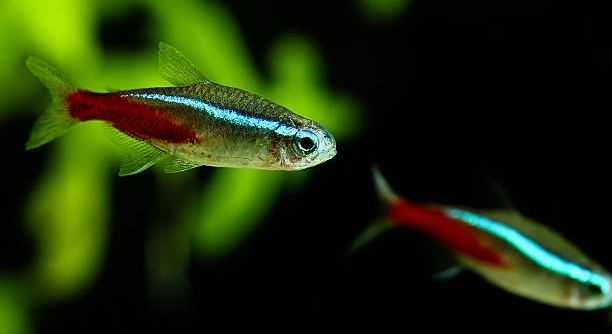
Neon Tetras are small, vibrant fish that can bring life to any aquarium. However, certain conditions may cause stress to these delicate creatures. Understanding what can trigger their stress is essential to keeping them healthy.
Neon Tetras are highly sensitive to water quality, tank mates, and environmental changes. Sudden shifts in temperature, overcrowded tanks, or aggressive companions can cause undue stress. Proper care and stable conditions are key to ensuring their well-being.
Maintaining a peaceful and well-balanced environment for your Neon Tetra will prevent stress and improve their quality of life.
Water Quality Stressors
Maintaining the right water quality is essential for Neon Tetras. These fish thrive in soft, acidic water. When the water is too hard, or the pH is imbalanced, stress can quickly set in. Even slight fluctuations in temperature can cause significant discomfort.
To prevent this, regularly test the water for ammonia, nitrate, and nitrite levels. These harmful substances can accumulate quickly if not monitored, leading to poor water quality. Frequent water changes are also necessary to maintain a healthy environment. For Neon Tetras, a stable, clean aquarium is crucial to their long-term health.
Over time, water changes help to refresh the aquarium environment, remove toxins, and replenish essential minerals. This not only reduces stress but also promotes vibrant colors and active behavior in your Neon Tetra. Ensuring the water remains clear and balanced will go a long way in preventing health issues related to poor water conditions.
Aggressive Tank Mates
Aggressive tank mates can cause Neon Tetras significant stress. These peaceful fish need a calm and peaceful environment to thrive. Larger or more territorial fish may view them as threats.
Aggressive behavior from tank mates can lead to constant chasing, hiding, and even injury. Keeping compatible species is essential. Neon Tetras do well with peaceful fish, such as shrimp or snails. It’s important to research each species’ temperament before adding them to the tank.
If your Neon Tetras are being stressed by aggressive companions, consider removing or rehoming the aggressors. Setting up a peaceful aquarium environment can significantly reduce stress and help your Neon Tetras feel safe and secure. Peaceful cohabitation supports their health and allows them to display their natural behaviors.
Overcrowded Tanks
Overcrowding can stress Neon Tetras by limiting their space to swim. A crowded tank also leads to poor water quality due to waste buildup, which can worsen their health. Each fish needs adequate space to thrive.
To avoid this, ensure the tank size matches the number of fish. Neon Tetras need at least 1.5 gallons of water per fish. If your aquarium is too small, fish can become stressed, leading to decreased immune function and a higher chance of disease.
Maintaining the right balance of fish in your tank reduces stress and ensures each Neon Tetra has room to move freely. By keeping the tank less crowded, you create a more peaceful and healthy environment, which encourages natural behaviors and helps avoid aggression from tank mates. Fish should feel secure in their space.
Temperature Fluctuations
Neon Tetras are very sensitive to temperature changes. They prefer water temperatures between 70°F and 81°F. Any rapid shifts in temperature can lead to stress and weaken their immune systems, making them more prone to diseases.
Keeping a reliable aquarium heater is essential to maintain a stable temperature. If the water cools down or gets too warm, your Neon Tetras may become sluggish or exhibit abnormal behaviors. Sudden temperature shifts can also cause fish to hide or stop eating.
To avoid this stress, monitor the water temperature regularly with an aquarium thermometer. A stable environment that mimics their natural habitat helps reduce the risks of stress and health problems. A small change in temperature can have a big impact, so consistency is key to their well-being.
Poor Lighting
Neon Tetras prefer dim lighting similar to their natural habitat. Too bright of a light can cause stress, making them feel exposed and vulnerable. They may become more timid and hide in darker areas of the tank.
To prevent this, use a gentle aquarium light. Avoid placing the tank in direct sunlight, as it can cause harsh light and temperature fluctuations. A more subdued lighting setup helps your fish feel safe and secure, reducing stress.
Improper Diet
A poor diet can lead to malnutrition, weakening a Neon Tetra’s immune system. Feed them a balanced diet with high-quality fish flakes or frozen foods. Inadequate or infrequent feeding can lead to stress, affecting their health.
Proper nutrition helps your fish stay strong and active. Providing a variety of foods ensures they get the nutrients they need to thrive. A healthy, well-fed Neon Tetra is less likely to experience stress-related issues.
Tank Maintenance
Routine maintenance is essential for a healthy aquarium. Failing to clean the tank regularly can lead to a buildup of toxins like ammonia and nitrate, which can stress out your Neon Tetras. Regular water changes, substrate cleaning, and filter maintenance prevent this buildup.
Keeping the tank clean ensures a stable environment. When maintenance is neglected, water quality drops, and harmful substances increase, which can directly affect the well-being of your fish. It’s important to establish a consistent cleaning schedule to avoid unnecessary stress.
FAQ
What is the ideal tank size for Neon Tetras?
The ideal tank size for a group of Neon Tetras is at least 10 gallons. This provides enough space for them to swim and explore. If you have a larger group, consider a bigger tank. Overcrowding can stress the fish, so always ensure they have adequate space to move around freely.
Can Neon Tetras live with other fish?
Yes, Neon Tetras are peaceful fish and can live with other non-aggressive species. They do well with fish like shrimp, snails, and other small, calm fish. Avoid housing them with larger, more aggressive fish that could bully or chase them. Peaceful tank mates will help reduce stress.
How often should I change the water in my Neon Tetra tank?
Water changes should be done at least once a week. Aim for changing 20-30% of the water to keep the tank clean and the water quality high. Frequent changes help maintain a healthy environment by removing waste and replenishing important minerals, reducing stress on your fish.
What temperature should the water be for Neon Tetras?
Neon Tetras thrive in water temperatures between 70°F and 81°F. Sudden temperature fluctuations can cause stress, so it’s important to keep the water temperature stable. Use an aquarium heater to maintain the right temperature range and avoid sharp changes, which can weaken the fish’s immune system.
How do I know if my Neon Tetra is stressed?
Signs of stress in Neon Tetras include hiding, loss of color, and reduced activity. They may also stop eating or appear lethargic. If you notice these behaviors, it could indicate a stress-related issue such as poor water quality, overcrowding, or aggressive tank mates. Addressing the source of stress can help improve their condition.
Can Neon Tetras eat flake food only?
While flake food is a convenient option, it should not be the only food in their diet. Neon Tetras benefit from a variety of foods, including frozen or live foods like brine shrimp and daphnia. A varied diet ensures they get the nutrients they need for good health and vibrant color.
How many Neon Tetras should I keep together?
Neon Tetras are schooling fish and should be kept in groups of at least six. A larger group, such as 10-12, is ideal for reducing stress and allowing them to exhibit natural behavior. A small group can make them feel insecure, leading to anxiety and stress.
Can Neon Tetras survive in hard water?
Neon Tetras prefer soft, acidic water, but they can survive in slightly harder water. However, prolonged exposure to hard water can cause stress and health problems. If your water is too hard, you can use products to soften it, or opt for a filtration system that helps adjust the water parameters.
How do I prevent my Neon Tetras from getting sick?
The best way to prevent illness is to maintain stable water conditions and avoid stress. Keep the water clean with regular water changes, monitor the tank temperature, and avoid overcrowding. A well-balanced diet and compatible tank mates also contribute to overall health and prevent stress-related illnesses.
What can I do if my Neon Tetra is not eating?
If your Neon Tetra refuses to eat, check the water quality and temperature. Poor water conditions can cause stress and reduce appetite. Also, ensure you’re offering a variety of foods. If the issue persists, check for signs of illness or injury. A lack of appetite can indicate a more serious problem.
How can I create a stress-free environment for my Neon Tetras?
To create a stress-free environment, maintain stable water conditions, avoid aggressive tank mates, and provide hiding spots with plants or decorations. A peaceful and spacious tank with proper filtration and regular maintenance will help reduce stress and keep your Neon Tetras healthy and active.
Are Neon Tetras prone to any specific diseases?
Neon Tetras are prone to a few common diseases, such as neon tetra disease and ich. Neon tetra disease is caused by a parasite, while ich is a protozoan infection. Keeping the tank clean and maintaining good water quality can help prevent these issues. Early detection and treatment are key to preventing outbreaks.
Can I use aquarium salt in a tank with Neon Tetras?
Aquarium salt can be harmful to Neon Tetras if used incorrectly. While it can help treat certain fish diseases, it should be used sparingly and with caution. Neon Tetras are sensitive to salt, so it’s best to avoid using it unless necessary for treatment. Always research the specific needs of your fish.
How long do Neon Tetras live?
Neon Tetras typically live for 5 to 10 years, depending on the care they receive. Proper tank conditions, a good diet, and a stress-free environment can help them live longer, healthier lives. Regular maintenance and attention to water quality are key to extending their lifespan.
Can Neon Tetras live in a tank without a filter?
Neon Tetras can survive in a tank without a filter, but it is not recommended. A filter helps maintain water quality by removing toxins and waste. Without a filter, the water can quickly become polluted, causing stress and increasing the risk of diseases. A filter is essential for a healthy environment.
Do Neon Tetras need a lot of light?
Neon Tetras prefer dim lighting, similar to their natural habitat. Bright light can cause stress and make them feel exposed. It’s best to use gentle aquarium lights and avoid placing the tank in direct sunlight. A subdued lighting setup will help your fish feel more comfortable and reduce stress.
Final Thoughts
Neon Tetras are resilient, but they require specific conditions to thrive. Maintaining a stable and clean tank is essential to their well-being. These small fish are sensitive to changes in their environment, so ensuring their water temperature, pH, and lighting are within the ideal range can prevent unnecessary stress. Proper tank maintenance, like regular water changes and checking water quality, will also go a long way in helping your fish live a long and healthy life.
Stress is one of the most common issues faced by Neon Tetras, and it’s usually caused by factors like poor water quality, overcrowding, or incompatible tank mates. Identifying the source of stress early can prevent further health problems. Always monitor their behavior and look out for signs of distress such as hiding, loss of color, or loss of appetite. Adjusting tank conditions or removing stressors can quickly improve their condition. It’s important to remember that small changes can have a big impact on your fish’s happiness and health.
Neon Tetras are best kept in schools of at least six, as this helps them feel secure and confident. With the right care, they are an easy-to-keep, peaceful addition to any aquarium. Providing them with a variety of foods, suitable tank mates, and a stress-free environment will allow them to flourish. Whether you’re new to fishkeeping or experienced, understanding the needs of your Neon Tetras is key to ensuring they live a happy and healthy life. With a little effort, these colorful fish will reward you with their lively, vibrant presence.

Hello,
If you enjoy the content that we create, please consider saying a "Thank You!" by leaving a tip.
Every little bit helps us continue crafting quality advice that supports the health, happiness, and well-being of pets around the world, for pets of all shapes, sizes, and species.
We really appreciate the kindness and support that you show us!