
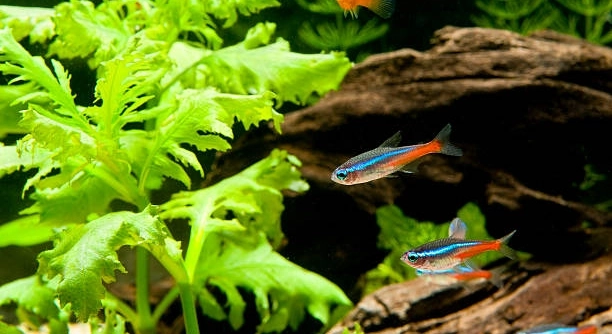
Neon Tetras are popular for their peaceful nature, but sometimes they display aggression. Understanding why they act this way can help provide solutions to ensure a harmonious tank environment. Several factors could be influencing their behavior.
Neon Tetras can act aggressively due to stress, overcrowding, poor water quality, or incompatible tankmates. These factors disrupt their comfort, leading to territorial or defensive behavior. Identifying the root cause is crucial for resolving the issue effectively.
Managing these factors can reduce aggression and promote a healthier, peaceful tank environment for your Neon Tetras.
Stress from Poor Tank Conditions
Neon Tetras are sensitive to changes in their environment. Stress can arise from poor water quality, extreme temperature fluctuations, or inadequate tank size. When water parameters like pH, ammonia, or nitrate levels are off, it can lead to distress, making them more likely to exhibit aggressive behavior. Even minor changes in their habitat can cause significant stress. They require stable, clean conditions to thrive.
It’s crucial to monitor the water regularly and perform necessary changes to keep the tank conditions optimal. Inconsistent maintenance can lead to a rise in toxins, which can disturb the fish.
To reduce stress, ensure the water temperature is kept between 72°F and 78°F. Also, maintain clean water with regular filter changes and avoid overcrowding. A comfortable environment with plenty of hiding spots can help reduce their stress and prevent aggression. Keeping their living space stable is key to improving their behavior and well-being.
Incompatible Tankmates
Neon Tetras are peaceful but can become aggressive if housed with more territorial or aggressive fish. Species such as larger cichlids or fin-nippers may provoke them, causing defensive behavior. It’s important to select tankmates that are similarly peaceful and not prone to bullying.
When choosing tankmates, opt for other small, non-aggressive species like shrimp or snails. Neon Tetras feel safer and more comfortable when there’s no constant threat in their environment. Keeping species with similar temperaments ensures everyone gets along.
Overcrowding in the Tank
Overcrowding is one of the most common reasons for aggression among Neon Tetras. When there’s not enough space, fish become stressed and territorial, which can lead to conflicts. A larger tank provides more room to swim and hide, reducing tension.
Make sure the tank size matches the number of fish you have. For a group of Neon Tetras, a 10-gallon tank is the minimum. A bigger tank, such as 20 gallons or more, gives them space to move freely and reduces aggression.
If you notice your fish are constantly fighting for space or hiding, it’s a sign that overcrowding might be an issue. A simple tank upgrade can go a long way in calming the aggression, as it gives them room to spread out and find their comfort zones. This extra space helps the fish feel secure and can lead to a more peaceful aquarium environment.
Poor Water Quality
Water quality plays a significant role in the behavior of Neon Tetras. Poor water conditions can lead to stress, which often results in aggression. If the water is not clean or the parameters are off, it can cause discomfort.
Ammonia, nitrite, and nitrate levels need to be closely monitored. Poor water conditions are stressful, making Neon Tetras act defensively or aggressively. Regular water changes and a good filtration system will keep the tank clean, ensuring the fish stay healthy.
Neon Tetras are sensitive to even slight shifts in water quality, and dirty water can quickly disrupt their peaceful nature. Ensuring the water is clear and within the proper pH range will help maintain their calm demeanor. Regular maintenance and proper water treatments will go a long way in preventing aggression and keeping the fish healthy and happy.
Hunger and Lack of Food
Hunger can also lead to aggression in Neon Tetras. If they are not getting enough food, they may become more competitive or territorial over resources. Providing sufficient food in the right quantities is essential.
Feed your Neon Tetras twice a day, offering small amounts to avoid overfeeding. Uneaten food can pollute the water, causing poor conditions. Make sure to feed high-quality, varied food to meet their nutritional needs.
Neon Tetras are small fish and need only a small amount of food. Overfeeding can lead to water quality issues, while underfeeding causes them to compete, increasing stress. A balanced feeding schedule ensures they remain calm and content.
Territorial Behavior
Neon Tetras can show aggression if they feel their space is being threatened. When they are kept in small groups, they may become more territorial, defending areas within the tank.
Providing plenty of plants, rocks, and hiding spaces allows them to claim their own space without getting aggressive. Territorial behavior decreases when they feel secure in their environment and have adequate space to roam. This helps reduce stress and promotes peaceful interactions with other fish.
Illness or Injury
Sometimes aggression in Neon Tetras is a result of illness or injury. Sick or injured fish may act defensively due to discomfort or vulnerability. Observing their behavior closely can help identify if something is wrong.
Isolating sick or injured fish in a separate tank for treatment prevents further stress on the other fish. A healthy environment and prompt medical care are key to restoring normal behavior.
FAQ
Why do Neon Tetras become aggressive?
Neon Tetras can act aggressively due to stress, overcrowding, poor water quality, incompatible tankmates, or hunger. They are sensitive to changes in their environment, and any discomfort or threat to their space can lead to defensive behavior. Providing stable water conditions, proper tank size, and compatible tankmates is essential to preventing aggression.
Can Neon Tetras live with other fish?
Yes, Neon Tetras are peaceful and can live with other small, non-aggressive fish. They do best with species that are not territorial or aggressive, such as Corydoras or small tetras. Avoid pairing them with larger, more aggressive fish, as this can lead to stress and aggression.
How many Neon Tetras should be kept together?
Neon Tetras should be kept in schools of at least six to eight fish. This helps them feel secure and reduces territorial aggression. When kept in smaller groups, they may become stressed and more prone to aggression, as they feel more vulnerable without their group.
What tank size is ideal for Neon Tetras?
A 10-gallon tank is the minimum size for a group of Neon Tetras. However, a 20-gallon tank or larger is recommended to give them more space to swim and reduce the chance of overcrowding. More space allows them to feel secure and decreases the likelihood of aggression.
How often should I change the water in my Neon Tetra tank?
You should change 20-30% of the water in your Neon Tetra tank every 1-2 weeks. Regular water changes help maintain good water quality, reducing stress and aggression. It’s also important to clean the filter and monitor water parameters to keep the environment stable for your fish.
Can Neon Tetras live with shrimp or snails?
Yes, Neon Tetras can live peacefully with shrimp and snails. Shrimp like Cherry or Amano and small snails like Nerite are good tankmates. They generally don’t pose a threat to the Tetras and can help keep the tank clean.
What is the best food for Neon Tetras?
Neon Tetras thrive on high-quality flakes or pellets designed for small fish. They also enjoy live or frozen foods like brine shrimp or daphnia. A varied diet provides essential nutrients and keeps them healthy. Feed them small amounts twice a day to avoid overfeeding and maintain water quality.
Why are my Neon Tetras fighting each other?
Neon Tetras may fight if they feel threatened by overcrowding, lack of space, or incompatible tankmates. They are more likely to act aggressively when kept in small groups or when their territory is invaded. Adding more hiding spots, reducing the number of fish, or rehoming incompatible tankmates can reduce fighting.
How can I reduce stress in my Neon Tetras?
To reduce stress, ensure the water temperature remains stable, maintain good water quality, and avoid overcrowding. Provide plenty of plants and hiding spots so your Neon Tetras can feel secure. A well-maintained tank with peaceful tankmates will help reduce stress levels.
Can Neon Tetras handle high temperatures?
Neon Tetras prefer water temperatures between 72°F and 78°F. Temperatures higher than this range can cause stress, leading to aggression. Ensure your aquarium heater is set correctly and avoid sudden temperature changes, as this can cause shock to the fish.
What are the signs that my Neon Tetras are stressed?
Signs of stress in Neon Tetras include excessive hiding, erratic swimming, loss of color, and increased aggression. If your fish are not eating or seem lethargic, it’s likely a sign of stress. Monitor water parameters, ensure the tank isn’t overcrowded, and check for signs of disease.
Can Neon Tetras live without a filter?
While it is possible to keep Neon Tetras without a filter, it is not recommended. Filters help maintain water quality by removing waste and debris, which is essential for fish health. Without a filter, water quality can quickly decline, leading to stress, disease, and aggression.
Do Neon Tetras get along with Betta fish?
Neon Tetras can generally live with Betta fish, but caution is needed. Betta fish are territorial and may become aggressive toward the Tetras, especially if they feel their space is threatened. Ensure there are plenty of hiding places and monitor their behavior to avoid conflicts.
Why are my Neon Tetras not schooling together?
If Neon Tetras are not schooling, it could be due to stress, illness, or lack of space. Ensure they are in a group of at least six to eight fish and have enough room to swim. Stressful conditions or incompatible tankmates can also cause them to disperse.
Can Neon Tetras tolerate low light conditions?
Neon Tetras can tolerate low light but prefer moderately lit tanks. Too little light can reduce their activity level and cause stress. It’s important to provide some light for a natural day-night cycle, but avoid bright, direct lighting, as it can cause discomfort.
How long do Neon Tetras live?
Neon Tetras typically live for 5 to 10 years with proper care. Ensuring a stable environment, good water quality, and proper nutrition will help your Neon Tetras live a long, healthy life. Regular monitoring and maintenance are essential for their longevity.
Final Thoughts
Neon Tetras are generally peaceful and easygoing fish, but certain factors can trigger aggressive behavior. Stress, overcrowding, poor water quality, or incompatible tankmates can all contribute to aggression. Ensuring your tank has enough space, proper filtration, and a calm environment will help keep your fish healthy and content. A school of at least six to eight Neon Tetras is recommended to reduce stress and prevent territorial issues. Monitoring your tank regularly and adjusting conditions as needed is key to maintaining peace among your fish.
Additionally, proper feeding practices are essential. Overfeeding can lead to water quality problems and increase aggression, while underfeeding can cause competition and stress. It’s important to feed your Neon Tetras the right amount of food twice a day, ensuring that all fish get their share. A balanced diet, including high-quality flakes or pellets, along with occasional live or frozen food, will keep them healthy and reduce aggression related to hunger.
Lastly, remember that a peaceful tank is a balanced one. When setting up your aquarium, it’s important to choose compatible tankmates and provide plenty of hiding spots and plants for the Neon Tetras. This will give them places to feel secure and reduce any aggressive tendencies. With the right care and attention, your Neon Tetras can thrive and display their beautiful colors without the stress of aggression. Keep your tank environment stable and watch your fish flourish.

Hello,
If you enjoy the content that we create, please consider saying a "Thank You!" by leaving a tip.
Every little bit helps us continue crafting quality advice that supports the health, happiness, and well-being of pets around the world, for pets of all shapes, sizes, and species.
We really appreciate the kindness and support that you show us!