
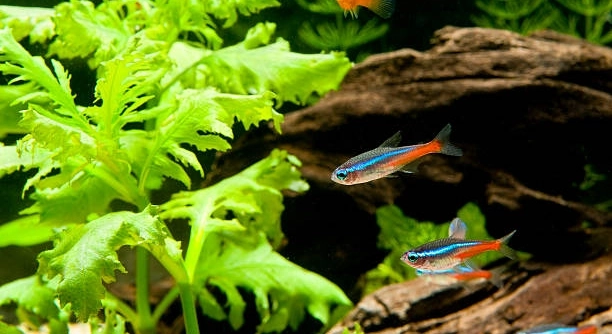
The right filter is essential for maintaining a healthy environment for your neon tetras. Choosing the best filter helps ensure clean water, a thriving fish population, and a stable tank ecosystem. This guide will help with that.
Selecting the right filter for a neon tetra tank is crucial for their health. The ideal filter should be efficient yet gentle to avoid stressing the delicate fish. Additionally, it should maintain stable water quality without overpowering the tank’s flow.
A well-chosen filter not only supports water clarity but also contributes to the overall well-being of your neon tetras. Proper filtration ensures that your fish remain healthy and happy, leading to a more enjoyable aquarium experience.
Choosing the Right Filter for Your Neon Tetra Tank
When setting up a tank for neon tetras, the filter you choose plays a vital role in keeping the water clean and the fish healthy. Neon tetras are small and sensitive, so it’s essential to pick a filter that works efficiently without creating too much current. Filters with strong water flow can stress these delicate fish, so look for one that provides gentle filtration. The filter should be capable of handling the tank’s size and the waste produced by the fish. It’s also important to consider the maintenance required. Filters that are easy to clean and maintain will save you time and effort in the long run.
While some filters may look good on paper, they may not be the best fit for your tank. Choosing a filter with adjustable flow settings can help create a calm environment for your neon tetras. A good filter will help maintain the biological, mechanical, and chemical balance of your tank, removing harmful substances while providing clear, fresh water. Keeping these factors in mind will help you find a filter that works well for both you and your fish.
Filters with gentle filtration and adjustable flow are great for neon tetras. These filters balance efficiency and comfort for your fish. The right filter will keep your tank clear, your water clean, and your neon tetras healthy.
Types of Filters to Consider for Neon Tetras
There are several types of filters available, and each has its own advantages. One of the most popular types for neon tetra tanks is the hang-on-back (HOB) filter. HOB filters are easy to install, maintain, and offer gentle water flow, making them ideal for small tanks. They also provide good filtration without disturbing the water too much. Another option is sponge filters, which work well in smaller or low-flow tanks. They provide excellent biological filtration while keeping water movement low. Lastly, canister filters are powerful and suitable for larger tanks, although they tend to have stronger flow, which may need to be adjusted for neon tetras.
When selecting a filter for your neon tetras, always take into account the size of your tank and the filtration capacity needed. The filter should be able to handle the tank’s water volume and the waste produced by the fish. For smaller tanks, consider a sponge or HOB filter for ease of use and reduced current. For larger setups, a canister filter may be necessary, but make sure it has adjustable flow settings or that you can position it in a way that doesn’t create too much current. The goal is to provide clean water without stressing your neon tetras, so choosing a filter that suits your tank’s needs is key.
Proper Filtration Capacity for Neon Tetra Tanks
The filter’s capacity should match your tank’s size to ensure efficient filtration. A filter that is too weak will struggle to keep the water clean, while one that’s too powerful may cause unnecessary stress to your neon tetras. Always check the manufacturer’s recommendations for tank size and water volume.
A filter’s capacity is determined by its flow rate, usually measured in gallons per hour (GPH). For neon tetra tanks, choose a filter with a flow rate that turns over the tank’s water about 3 to 5 times per hour. For example, if you have a 20-gallon tank, a filter rated for 60-100 GPH should suffice. This ensures enough filtration without overwhelming the fish with strong currents.
When selecting a filter, consider the biological, mechanical, and chemical filtration it provides. Mechanical filtration removes debris and particles, while biological filtration handles the breakdown of harmful toxins like ammonia and nitrites. Chemical filtration, typically through activated carbon, helps remove odors and discoloration, improving water quality for your neon tetras.
Maintenance and Cleaning of Filters
Routine maintenance is essential to keep the filter running smoothly. Regularly cleaning the filter ensures it continues to work efficiently, preventing any buildup of debris or harmful toxins in the tank. Over time, filters may lose their effectiveness if not cleaned properly.
How often you clean your filter depends on the type of filter you use and the size of your tank. For smaller tanks, cleaning the filter once a month may be sufficient. In larger tanks, you may need to clean it every two to three weeks. Always follow the manufacturer’s guidelines when cleaning the filter to avoid damaging it.
While cleaning, it’s important not to overdo it. Avoid cleaning all the filter media at once, as it can disrupt the biological filtration process. Instead, clean one part of the filter at a time, allowing the beneficial bacteria to remain intact. This will help maintain a stable, healthy environment for your neon tetras.
Adjusting the Flow Rate for Neon Tetras
Neon tetras are sensitive to water flow, so adjusting the filter’s flow rate is crucial. A strong current can stress them, preventing them from swimming comfortably. Many filters come with adjustable flow settings to tailor the current to your tank’s needs.
When setting up your filter, aim for a gentle, consistent flow. Neon tetras prefer calm water, so avoid strong currents that can make it difficult for them to navigate. Positioning the filter in a way that creates a gentle circulation throughout the tank will help distribute clean water without overwhelming the fish.
The Importance of Biological Filtration
Biological filtration plays a vital role in maintaining water quality. It works by promoting the growth of beneficial bacteria that break down harmful substances like ammonia and nitrites. These toxins are produced by fish waste, uneaten food, and decaying plant matter.
Having a filter that supports biological filtration ensures that these toxins are processed effectively, creating a safer environment for your neon tetras. Make sure your filter has sufficient media for beneficial bacteria to colonize, such as ceramic rings or bio-balls. These provide a large surface area for bacteria to thrive.
Choosing a Filter for Small Tanks
For smaller tanks, it’s essential to select a filter that provides adequate filtration without creating too much current. Small tanks often have limited space for powerful filters, so a sponge filter or an HOB filter is a great choice.
Sponge filters are ideal for small tanks, as they provide gentle filtration and good biological filtration. They also reduce water movement, creating a calm environment for neon tetras. Hang-on-back filters are another option, offering a compact design with adjustable flow settings to keep the water clear while maintaining a gentle current.
FAQ
What size filter do I need for a neon tetra tank?
The size of the filter you need depends on the size of your tank. As a general rule, choose a filter that can turn over the water 3 to 5 times per hour. For example, a 20-gallon tank would need a filter rated for 60 to 100 GPH. This ensures that the water stays clean and your neon tetras remain healthy. Keep in mind that the filter should be strong enough to handle the water volume without being too powerful for these small, sensitive fish.
Can neon tetras survive without a filter?
While neon tetras can technically survive in a tank without a filter, it’s not recommended. A filter helps maintain water quality by removing debris, toxins, and harmful chemicals, which are produced by the fish themselves. Without a filter, harmful substances like ammonia can build up quickly, putting your neon tetras at risk of stress, illness, or even death. A filter also helps to circulate the water, promoting oxygen exchange and keeping the tank environment stable. It’s best to have a filter for the long-term health and well-being of your fish.
How do I prevent my filter from creating too much current?
To prevent your filter from creating too much current, select one with adjustable flow settings. If your filter doesn’t have this option, you can redirect the water flow using a spray bar or by adjusting the position of the filter to direct the flow to the back of the tank. You can also add live plants or decorations to break up the current, creating areas of calm water where the neon tetras can swim more comfortably.
Should I use activated carbon in my filter for neon tetras?
Activated carbon is useful for removing impurities, odors, and discoloration from the water, but it’s not always necessary for neon tetra tanks. If your tank has clear water and doesn’t have any strong odors or discoloration, activated carbon may not be required. However, if you’re using medications or want to remove any unwanted chemicals, activated carbon can be beneficial. Just remember to replace it regularly as it loses its effectiveness over time.
How often should I clean my filter?
Cleaning your filter regularly is important, but it’s crucial to not over-clean it. For most filters, a good rule of thumb is to clean it once every 4 to 6 weeks. However, if your tank is heavily stocked or has a lot of debris, you may need to clean it more often. When cleaning, avoid washing the filter media with tap water, as this can kill beneficial bacteria. Instead, rinse it in tank water to preserve the bacteria colonies that help with biological filtration.
Can I use a canister filter for my neon tetra tank?
Yes, you can use a canister filter for your neon tetra tank, but be mindful of its flow rate. Canister filters are powerful and suitable for larger tanks, but the flow may be too strong for small fish like neon tetras. If you choose a canister filter, make sure it has an adjustable flow rate, or place it in a way that the current doesn’t overwhelm your fish. A canister filter can provide excellent mechanical, biological, and chemical filtration, ensuring your neon tetras have a clean and healthy environment.
Do I need a heater with my filter for neon tetras?
Yes, neon tetras are tropical fish and require a stable temperature between 70°F and 81°F. While the filter helps with water circulation, it doesn’t regulate temperature. A separate aquarium heater is necessary to maintain the proper water temperature for neon tetras. Be sure to use a heater with a built-in thermostat to avoid temperature fluctuations that could stress your fish.
What type of filter media is best for neon tetra tanks?
For neon tetra tanks, biological filter media is the most important. Materials like ceramic rings, bio-balls, or sponge filters provide a surface for beneficial bacteria to grow, helping to break down harmful ammonia and nitrites in the tank. Mechanical filter media, such as foam pads or floss, helps remove debris and particles from the water. Activated carbon is optional and can be used for chemical filtration to remove odors and impurities, though it is not essential for a healthy neon tetra tank.
How can I tell if my filter is working properly?
To check if your filter is working properly, observe the water clarity. If the water looks cloudy or dirty, it may indicate that the filter isn’t working as effectively as it should. Additionally, check for any visible debris in the tank that the filter should be removing. You can also feel the flow of water near the filter intake. If the flow is weak or not moving, it may indicate that the filter media is clogged, and it’s time for maintenance.
Can I use a filter in a small tank for neon tetras?
Yes, a filter is just as necessary for small tanks as it is for larger ones. Even in small tanks, the water can quickly become contaminated with waste, uneaten food, and debris. Small, gentle filters like sponge filters or hang-on-back filters are ideal for small tanks, as they provide sufficient filtration without creating too much current. It’s important to choose a filter that fits the size of your tank and ensures that the water stays clean for your neon tetras.
Final Thoughts
Choosing the right filter for a neon tetra tank is essential for maintaining a healthy environment for your fish. Neon tetras are small, delicate fish that require clean, stable water to thrive. The filter you choose should provide adequate filtration without creating a strong current that can stress your fish. When selecting a filter, consider the size of your tank, the flow rate, and the type of filtration you need. A filter with adjustable flow settings can be particularly beneficial, as it allows you to customize the current to suit your fish’s needs.
In addition to selecting the right filter, it’s important to maintain regular care and cleaning. Filters should be cleaned periodically to ensure they continue to work effectively. When cleaning your filter, be sure to rinse the media in tank water rather than tap water, as this preserves the beneficial bacteria that help break down waste. Regular water changes and monitoring water quality are also crucial for keeping your neon tetra tank healthy. By maintaining a clean environment, you will reduce the risk of toxins building up and help your neon tetras live longer, healthier lives.
Ultimately, keeping neon tetras in a well-maintained tank with the right filtration system will lead to a more enjoyable experience for both you and your fish. By providing a stable, clean environment, you ensure that your neon tetras can live in optimal conditions. While choosing and maintaining the right filter may take some effort, the rewards are worth it. Healthy, happy neon tetras are a beautiful addition to any aquarium, and with the right care, they will thrive for years to come.

Hello,
If you enjoy the content that we create, please consider saying a "Thank You!" by leaving a tip.
Every little bit helps us continue crafting quality advice that supports the health, happiness, and well-being of pets around the world, for pets of all shapes, sizes, and species.
We really appreciate the kindness and support that you show us!