
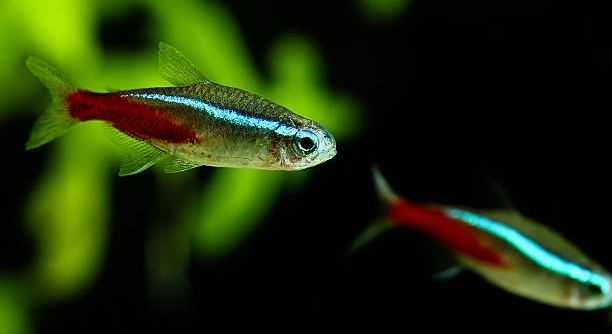
Neon Tetras are one of the most popular freshwater fish for aquariums. Their small size and colorful appearance make them a favorite among fish keepers. However, many wonder how these tiny fish interact with others in their tank.
Neon Tetras can recognize their tankmates based on visual and environmental cues. They are capable of distinguishing between familiar and unfamiliar fish, often displaying preferences for certain tankmates. This ability helps them navigate their social environment.
Understanding how Neon Tetras interact with others can help you create a more harmonious aquarium. Learning about their recognition abilities and social behavior will guide you in maintaining a balanced aquatic community.
How Do Neon Tetras Recognize Their Tankmates?
Neon Tetras can identify other fish by their appearance and movement patterns. These fish rely heavily on their vision to differentiate between tankmates. They can also use scent to detect the presence of familiar or unfamiliar fish. The social nature of Neon Tetras means they form groups, and their recognition ability allows them to remain in close proximity to other fish they know. In the wild, this ability helps them avoid predators and stay with their school. In a tank, this recognition can affect their behavior, with more relaxed interactions between familiar tankmates.
Neon Tetras rely on visual cues such as body shape and coloration to identify tankmates. These factors help them navigate their environment and maintain a sense of security. Familiar fish may appear more approachable, while newcomers might be met with caution.
Over time, Neon Tetras can also become accustomed to their tank setup. They learn where food is located and become familiar with the presence of specific fish. This learned behavior helps them to recognize their environment, making them feel comfortable. When introducing new fish to the tank, it’s important to monitor interactions carefully. Neon Tetras may be more territorial than expected, and disruptions in their social structure can cause stress. Recognizing the preferences and behaviors of your Neon Tetras can make a big difference in creating a balanced aquarium ecosystem.
What Makes Tankmates More Recognizable to Neon Tetras?
New tankmates often bring changes that Neon Tetras will notice. If the new fish resembles something they already know, they may quickly accept them. However, unfamiliar species could cause tension.
Introducing new fish slowly can help Neon Tetras adjust and learn who belongs in their tank. Take care to ensure the tankmates are compatible with Neon Tetras in both size and temperament. When different species are housed together, observing how they interact is important. Neon Tetras are peaceful fish, but they can sometimes be intimidated by aggressive or much larger tankmates. This is when careful introductions and adequate space become crucial.
Neon Tetras tend to avoid fish that are much larger or aggressive, making it important to select tankmates carefully. Choosing fish with similar behavior and size helps reduce conflict. Tankmates that are too fast or too slow may also cause confusion for Neon Tetras, affecting their social interactions. Understanding how different species interact allows you to build a thriving aquarium. Choosing appropriate tankmates also contributes to the overall happiness and well-being of your Neon Tetras. Knowing their preferences and tendencies will help create a peaceful and healthy environment for all the fish in your tank.
Neon Tetras and Their Social Behavior
Neon Tetras are social creatures that thrive in groups. Their natural instinct is to form schools, which helps them feel secure. When kept alone, they can become stressed or lethargic. A group of six or more is ideal for their well-being. Social interaction is important for their mental and physical health.
In a tank, Neon Tetras often engage in coordinated swimming, where they move together in unison. This behavior is a sign of comfort and safety within the group. They also communicate through body language, such as quick movements or changes in color. By staying in a group, they can protect each other from potential threats, even in a small aquarium. If a Neon Tetra is alone, it may seem less active, and its colors may appear duller.
Their social structure in the wild helps them avoid predators, making them feel safer in numbers. By mimicking each other’s movements, they confuse predators and reduce the risk of being singled out. This same behavior can be observed in the tank, where the group dynamic creates a sense of security and harmony. A proper group size also reduces stress, as they are not constantly searching for other fish to interact with.
Environmental Factors That Affect Recognition
Neon Tetras rely on their environment to feel at ease. Changes in water temperature, lighting, and decoration can impact their behavior and recognition abilities. A stable environment helps them adjust and form lasting bonds with tankmates.
Water temperature and quality directly influence the fish’s comfort levels. Tetras are sensitive to sudden changes, which can disrupt their ability to recognize familiar tankmates. Consistent water conditions help maintain their natural behavior, allowing them to identify other fish without unnecessary stress. Proper lighting is another factor, as it enhances their ability to see and distinguish tankmates. When the lighting is too dim or too harsh, their ability to recognize fish can be limited.
Tank decoration also plays a role in their social recognition. Familiar objects like plants, rocks, or hiding spots create a more secure environment for Neon Tetras. These decorations offer safe spaces where the fish can retreat when feeling threatened. Stability in both the environment and tankmates helps Neon Tetras feel safe and reduces the chance of aggression or territorial behavior. It’s essential to maintain a consistent setup to keep your Neon Tetras happy and well-adjusted.
How to Improve Tankmate Interactions
Creating a peaceful aquarium environment is key to ensuring good relationships between Neon Tetras and their tankmates. Choosing compatible species and observing how they interact is important. Offering plenty of space and hiding spots helps reduce tension.
Maintaining water quality is essential for harmonious relationships in the tank. Poor water conditions lead to stress, making fish more likely to display territorial behaviors. Additionally, consider the size and temperament of potential tankmates. Fish that are too large or too aggressive may disrupt the peaceful nature of the Neon Tetras.
Regular monitoring is necessary to ensure everyone gets along. Adjusting the tank layout or removing aggressive fish can help reduce conflicts. A calm, well-maintained environment encourages positive social interactions, allowing your Neon Tetras to thrive in a community setting.
Tank Setup for Better Social Behavior
Neon Tetras thrive in densely planted tanks. Plants provide both cover and stimulation, allowing the fish to feel secure while maintaining social bonds. Dense vegetation also encourages natural schooling behavior.
The tank should include plants like Java moss or floating plants to create a sense of privacy. Neon Tetras are shy and may avoid open spaces where they feel exposed. A well-planted aquarium mimics their natural habitat, promoting comfort and confidence.
In addition to plants, using soft substrate helps create a more natural setting. Smooth gravel or sand allows the fish to move around without fear of injury. Proper setup encourages the Neon Tetras to feel more at ease, fostering healthier social interactions with their tankmates.
The Role of Feeding in Recognition
Feeding time plays a crucial role in how Neon Tetras recognize their tankmates. They can distinguish familiar fish by behavior and proximity to the food source. This helps them identify their companions.
During feeding, the Neon Tetras may form a hierarchy based on how well they know each other. The more familiar fish tend to swim to the food first, while newcomers may take longer to approach. Over time, this behavior reinforces recognition, with Neon Tetras associating their tankmates with food rewards.
FAQ
Can Neon Tetras recognize their owners?
Neon Tetras are not known for recognizing individual humans, but they can become familiar with their feeding routine. Over time, they may learn to associate the presence of their owner with food. They may approach the tank when you’re nearby, anticipating feeding time, but they do not have the cognitive ability to recognize specific people like pets such as dogs or cats.
How many Neon Tetras should be kept together?
Neon Tetras are schooling fish and feel safest in groups. A minimum of six is ideal, but the more, the better. Keeping fewer than six can lead to stress, as they might feel isolated or threatened. A larger group creates a more natural and secure environment, allowing them to interact comfortably and exhibit their natural behaviors.
Can Neon Tetras live with other fish?
Yes, Neon Tetras can live peacefully with a variety of other fish, but it’s important to choose compatible species. They are non-aggressive and thrive in a community tank with other peaceful fish. Good tankmates include small, peaceful species such as guppies, Corydoras catfish, and other non-predatory fish. Avoid keeping them with large or aggressive fish that might intimidate or harm them.
What is the best water temperature for Neon Tetras?
Neon Tetras prefer warmer water temperatures between 72°F and 80°F (22°C – 27°C). It’s crucial to maintain stable temperatures, as sudden fluctuations can cause stress and affect their health. A reliable aquarium heater is important to keep the water within this range and ensure that your fish are comfortable.
Do Neon Tetras need a filter?
Yes, Neon Tetras need a filter to maintain clean and healthy water. While they prefer slow-moving water, a filter helps remove waste and toxins from the tank. Ensure the filter’s flow isn’t too strong, as Neon Tetras can become stressed in fast-moving water. A gentle filter with appropriate filtration media is ideal.
What do Neon Tetras eat?
Neon Tetras are omnivores, and their diet should include both plant-based and protein-rich foods. They will eat high-quality flake or pellet food designed for small fish, as well as frozen or live foods like brine shrimp, daphnia, and bloodworms. Supplementing their diet with finely chopped vegetables like spinach or zucchini can also be beneficial. A varied diet ensures they receive all the nutrients they need to stay healthy and vibrant.
Are Neon Tetras easy to care for?
Neon Tetras are relatively easy to care for, but they do have some specific requirements. They need stable water parameters, appropriate tankmates, and a well-maintained environment. Once you have the tank properly set up, caring for Neon Tetras is straightforward. They don’t require any special attention beyond regular feeding and water changes.
Can Neon Tetras live in cold water?
No, Neon Tetras are tropical fish and need warm water to thrive. Cold water can lead to stress, weakened immune systems, and even death. Keeping them in temperatures lower than 70°F (21°C) is not ideal. Make sure to keep them in an environment that mimics their natural tropical habitat.
How long do Neon Tetras live?
Neon Tetras have an average lifespan of 5 to 10 years in a well-maintained aquarium. Their life expectancy can be affected by factors like water quality, diet, and stress. A stable environment with regular maintenance will help your Neon Tetras live a long, healthy life.
Why are my Neon Tetras swimming at the surface?
If Neon Tetras are swimming at the surface, it could be a sign of poor water quality or low oxygen levels. Check the water parameters, including pH, ammonia, and nitrite levels. They may also swim at the surface if they are stressed or if the tank is overcrowded. Ensuring the water is clean and well-oxygenated is key.
What tank size is best for Neon Tetras?
A tank size of at least 10 gallons is ideal for a small group of Neon Tetras. A larger tank will provide more space for them to swim and reduce the risk of overcrowding. The size of the tank should also account for the number of other fish you plan to keep, as overcrowding can lead to stress and poor water quality.
Can Neon Tetras live in a 5-gallon tank?
While Neon Tetras can technically live in a 5-gallon tank, it is not recommended for more than one or two fish. A larger tank is preferred to provide enough swimming space and to maintain stable water conditions. Neon Tetras are social fish and thrive in groups, so a 10-gallon tank or larger is a better choice.
Do Neon Tetras breed easily?
Breeding Neon Tetras in captivity can be challenging, as they are not known for breeding in a standard aquarium setup. They require specific water conditions and a separate breeding tank. If you wish to breed them, you’ll need to simulate their natural breeding environment, with softer, acidic water and the right temperature. Even then, breeding may not be successful without proper care and attention.
Why are my Neon Tetras turning pale?
Paleness in Neon Tetras can be a sign of stress, poor water quality, or illness. Stress can be caused by tankmates, water parameters, or overcrowding. Poor diet can also lead to loss of color. Regular water changes, appropriate tankmates, and a varied diet should help restore their vibrant colors. If the condition persists, it’s important to check for potential diseases or parasites.
Can Neon Tetras live without a heater?
It is not recommended to keep Neon Tetras in an aquarium without a heater, especially if you live in a cooler climate. They require warm water to thrive. Without a heater, the water temperature can fluctuate too much, leading to stress and poor health. A reliable heater ensures their comfort and overall well-being.
Are Neon Tetras schooling fish or territorial?
Neon Tetras are schooling fish, not territorial. They are peaceful and feel safest when kept in groups. They do not usually show territorial behaviors unless stressed or overcrowded. However, they may establish loose hierarchies within their school, especially when food is introduced or if the tank conditions are not ideal.
What’s the best pH level for Neon Tetras?
Neon Tetras thrive in slightly acidic to neutral water, with a pH level between 6.0 and 7.0. It’s important to regularly monitor the pH level and adjust it if needed. Too high or too low of a pH can cause stress and health issues for these delicate fish.
Final Thoughts
Neon Tetras are fascinating and relatively easy to care for, making them a great addition to many aquariums. Their small size and vibrant colors bring life to any tank, but they require attention to detail in their care. Maintaining stable water conditions, choosing compatible tankmates, and providing a comfortable environment are key to ensuring they thrive. While they are generally peaceful, their social nature means they prefer to be kept in schools of at least six or more. A group provides them with a sense of security and reduces stress, allowing them to interact with their tankmates comfortably.
The ability of Neon Tetras to recognize their tankmates adds an interesting layer to their behavior. They use visual cues and environmental factors to distinguish between familiar and unfamiliar fish. This recognition helps maintain social harmony within the tank, making it important to observe interactions carefully. Fish that are too aggressive or too large can disrupt their peaceful nature, so choosing the right tankmates is crucial. By understanding their social behaviors and recognizing their needs, you can create a harmonious aquarium where Neon Tetras and their tankmates coexist peacefully.
Overall, Neon Tetras are relatively low-maintenance fish that can thrive in a well-maintained aquarium. They may not form deep bonds with humans, but they are responsive to regular feeding routines and their environment. As long as their water quality is good, they are not difficult to care for. Understanding their social needs, choosing appropriate tankmates, and providing a stable environment will ensure your Neon Tetras live a long and healthy life. Whether you’re a beginner or an experienced aquarium owner, these colorful fish are a delightful addition to any setup.

Hello,
If you enjoy the content that we create, please consider saying a "Thank You!" by leaving a tip.
Every little bit helps us continue crafting quality advice that supports the health, happiness, and well-being of pets around the world, for pets of all shapes, sizes, and species.
We really appreciate the kindness and support that you show us!