
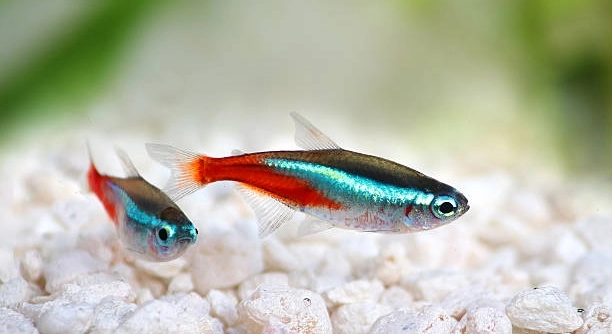
Neon tetras are small, vibrant fish that make beautiful additions to any aquarium. However, they can sometimes experience health problems, which can be worrying for any fish owner. Understanding the reasons behind their illness can help you keep them healthy.
Neon tetras can become sick due to a variety of factors, including poor water quality, improper diet, stress, and exposure to parasites. These conditions can weaken their immune system, making them more susceptible to infections and other health issues.
Maintaining the right environment and feeding them properly is crucial. In this article, we will explore seven common reasons neon tetras get sick and how you can prevent these issues from affecting your fish.
Poor Water Quality
One of the main reasons neon tetras get sick is poor water quality. These fish are highly sensitive to changes in their environment. Dirty water can cause stress, which weakens their immune system, making them more prone to infections and diseases. Regularly testing the water and keeping the tank clean is essential for their well-being. If the water becomes too acidic or contains harmful chemicals, neon tetras can develop various health issues.
Even slight changes in the pH level or ammonia levels can harm neon tetras. It’s important to use a good filtration system and change the water frequently to maintain the right balance. Test kits are a great tool to ensure your water remains safe for your fish.
In addition to water changes, make sure to keep the tank clean. Debris, uneaten food, and fish waste can pollute the water quickly. Keeping your aquarium tidy and using a proper filtration system will help prevent many health problems. This simple routine can go a long way in preventing disease.
Stress
Neon tetras are very sensitive to stress, and it can have a huge impact on their health. Stress factors can include overcrowding, aggressive tank mates, or sudden changes in water temperature.
When neon tetras are stressed, their immune systems weaken, making them more susceptible to illness. Overcrowding, in particular, can cause a lot of tension between the fish, leading to territorial behavior and fighting. Aggressive tank mates should be avoided, and there should be plenty of space for your neon tetras to swim freely.
Maintaining a calm and peaceful tank environment is crucial for their health. Regularly observe their behavior to ensure that there are no signs of stress, such as hiding or erratic swimming patterns. If you notice any, it’s a sign that something needs to be adjusted. Also, sudden temperature changes can shock the fish, so it’s important to maintain a stable tank temperature. By reducing stress factors, you can help your neon tetras stay healthy and happy.
Poor Diet
A poor diet can seriously affect the health of neon tetras. These fish need a balanced diet to stay strong and healthy. If they aren’t getting the proper nutrients, they can become malnourished, leading to weakened immune systems. This makes them more vulnerable to diseases.
Feeding neon tetras a varied diet is essential. They should be given high-quality fish flakes, but adding live or frozen food, such as brine shrimp or daphnia, is a good way to ensure they get all the necessary nutrients. Overfeeding should be avoided, as excess food can lead to water quality issues.
It’s also important to feed them the right amount. Offering food once or twice a day, and only what they can eat in a few minutes, will prevent waste from accumulating in the tank. A balanced diet, along with proper feeding habits, will help your neon tetras stay healthy and strong, reducing the risk of sickness.
Parasites and Infections
Parasites and infections are common causes of illness in neon tetras. These tiny organisms can enter the tank through new fish, contaminated water, or plants. If your fish are showing signs of illness, parasites may be the cause.
Some of the most common parasites affecting neon tetras are protozoans like Ich, which cause white spots on the body. These can be very harmful if not treated quickly. Other signs of infection include fin rot, visible lesions, or changes in behavior. If you notice these symptoms, it’s important to isolate the affected fish and treat them with the appropriate medication.
Proper quarantine procedures for new fish can help prevent parasites from entering your tank. Additionally, maintaining water quality and using medications as a preventive measure can reduce the risk of infections. Regular observation of your neon tetras can help catch early signs of illness, allowing you to take action before the situation worsens.
Overcrowding
Overcrowding is a common problem in fish tanks that can lead to health issues for neon tetras. When too many fish are kept in a small space, it causes stress and poor water quality. Both of these factors can contribute to sickness and a weakened immune system.
Neon tetras need enough space to swim freely and feel comfortable. A crowded tank can lead to aggression between fish, making them more vulnerable to injuries and diseases. It’s essential to follow the recommended stocking guidelines for your tank size to avoid overcrowding and promote a healthier environment for your fish.
A well-balanced tank with adequate space for each fish helps reduce stress and prevents many health problems. You can improve the overall health of your neon tetras by avoiding overcrowding, which will also make it easier to maintain the water quality and monitor their behavior.
Water Temperature
Neon tetras are sensitive to temperature changes. They thrive in warm water, ideally between 72°F and 78°F (22°C to 26°C). Sudden temperature fluctuations can shock their system, making them more likely to fall ill. Consistent water temperature is key to their health.
A reliable aquarium heater is necessary to maintain a stable temperature. You should also use a thermometer to regularly check that the water is within the appropriate range. If the temperature is too low or too high, your fish may show signs of stress, such as lethargy or erratic swimming.
Keeping the water temperature steady ensures your neon tetras stay active and healthy. When the temperature is right, they are less likely to develop health issues related to stress. Avoid placing the tank in areas with drafts or direct sunlight, as this can cause sudden temperature changes.
Tank Maintenance
Routine tank maintenance is crucial for keeping neon tetras healthy. A clean and well-maintained aquarium helps prevent many common illnesses. Regular water changes and filter cleaning keep the water free from toxins, reducing the risk of infections and diseases.
To maintain the tank, you should change 20-30% of the water every 1-2 weeks, depending on the tank size. Regularly cleaning the substrate and removing uneaten food will prevent the build-up of waste that can pollute the water. Make sure the filtration system is working properly to keep the water oxygenated and clean.
Neglecting regular tank maintenance can lead to poor water quality, which affects the health of your neon tetras. By staying consistent with your tank care routine, you’ll reduce the risk of health problems and provide a better environment for your fish.
FAQ
Why are my neon tetras turning pale?
Neon tetras are known for their vibrant colors, but when they start turning pale, it can be a sign of stress or poor health. Often, pale coloration results from poor water quality, such as high levels of ammonia or nitrites, which can harm their health. Stress from overcrowding or aggressive tank mates can also cause them to lose their bright color. Additionally, poor diet or diseases like Ich can affect their appearance. If you notice pale neon tetras, check the water parameters immediately and address any stressors in the tank. Providing a balanced diet and ensuring a peaceful environment will help them regain their color.
How can I prevent my neon tetras from getting sick?
Preventing illness in neon tetras starts with maintaining a clean and stable environment. Regular water changes are essential to keep the water free from harmful toxins, and a high-quality filtration system helps maintain water quality. You should also monitor their behavior and ensure they’re not stressed by overcrowding or aggressive tank mates. A varied and nutritious diet will support their immune system, making them less susceptible to infections. Quarantining new fish before introducing them to the tank will also help prevent the introduction of diseases. With regular maintenance and a careful eye, your neon tetras can stay healthy.
What is the ideal tank size for neon tetras?
Neon tetras are small fish, but they need enough space to swim and feel comfortable. For a small group of neon tetras, a 10-gallon tank is a good starting point. However, if you plan to keep a larger school, consider a 20-gallon tank or larger to ensure they have enough space. The general rule of thumb is to provide 1 inch of fish per gallon of water, but with small fish like neon tetras, it’s always better to err on the side of more space. A properly sized tank will reduce stress, promote better water quality, and help keep your fish healthy.
How often should I feed my neon tetras?
Feeding neon tetras once or twice a day is generally enough. Only provide what they can eat in a few minutes to avoid overfeeding and the accumulation of waste in the tank. A balanced diet of high-quality flakes, pellets, or live/frozen food like brine shrimp or daphnia will ensure they receive the necessary nutrients. Overfeeding can lead to poor water quality and obesity in your fish, which increases the risk of disease. On the other hand, underfeeding may cause malnutrition, leading to weak immune systems. Keep their feeding schedule consistent to maintain their health.
Can neon tetras live with other fish?
Yes, neon tetras are peaceful fish that can live with a variety of tank mates. However, it’s essential to choose compatible species. Avoid keeping them with aggressive or much larger fish that may bully or eat them. Good tank mates include other peaceful species like guppies, Corydoras catfish, or small tetras. You should also ensure the fish have similar temperature and water parameter needs. When introducing new fish, monitor the tank closely to ensure the new additions aren’t stressing or harming the neon tetras. A peaceful community tank helps keep all the fish healthy and happy.
What temperature should the water be for neon tetras?
Neon tetras thrive in warm water, with an ideal temperature range between 72°F and 78°F (22°C to 26°C). Keeping the temperature consistent within this range is essential for their health. If the water is too cold, neon tetras can become sluggish and more vulnerable to diseases, while water that is too warm can stress them and increase the likelihood of infections. A reliable aquarium heater and a thermometer will help you maintain a stable environment. Avoid placing the tank in areas with fluctuating temperatures, such as near windows or air conditioners, to prevent sudden temperature changes.
Why do my neon tetras swim erratically?
Erratic swimming is often a sign of stress, poor water quality, or illness. If your neon tetras are swimming in circles or darting around the tank, it’s crucial to check the water parameters first. High ammonia or nitrite levels can irritate their gills, causing abnormal behavior. Sudden changes in water temperature or low oxygen levels can also contribute to erratic swimming. If the water quality is fine, the fish could be stressed due to overcrowding or aggression from tank mates. If you suspect illness, it’s essential to isolate the affected fish and treat them with the appropriate medication.
What are the common diseases neon tetras get?
Neon tetras are susceptible to several diseases, with some of the most common being Ich, fin rot, and neon tetra disease. Ich is caused by a parasite and is characterized by white spots on the fish’s body. Fin rot is often caused by poor water quality and results in frayed or decaying fins. Neon tetra disease is a viral infection that causes erratic swimming, color loss, and a swollen belly. Maintaining good water quality and avoiding overcrowding are key to preventing these diseases. Quarantining new fish and addressing any signs of illness early can prevent the spread of diseases to your neon tetras.
How do I treat a sick neon tetra?
If your neon tetra shows signs of illness, it’s important to isolate it in a separate quarantine tank to prevent spreading the disease. The first step is to check the water quality and correct any imbalances, such as high ammonia or nitrite levels. For specific diseases like Ich, you can use medications designed to treat parasites. If the issue is fin rot, you may need to add an antibiotic or salt treatment to the water. Always follow the instructions on the medication to ensure it’s safe for neon tetras. Monitoring your fish closely and acting quickly will improve the chances of recovery.
Final Thoughts
Neon tetras are beautiful and peaceful fish that can thrive in your aquarium with the right care. However, like any fish, they can get sick if their environment or diet isn’t properly maintained. Regular water changes, maintaining the right water temperature, and ensuring your tank is not overcrowded are some of the best ways to prevent illness. Keeping a close eye on their behavior and appearance will help you notice any issues early on, so you can take action quickly.
Their diet also plays a major role in their health. Providing a balanced, nutritious diet is crucial to keeping them strong and free from diseases. Overfeeding should be avoided, as it can lead to poor water quality, which in turn can cause stress and health problems for your fish. A varied diet of high-quality flakes, pellets, and occasional live or frozen foods will help keep them healthy and vibrant. Ensuring their environment is calm and free of stress is just as important as providing the right nutrition.
By following these simple guidelines, you can reduce the risk of your neon tetras getting sick. While they are delicate and require attention, they are also hardy when kept in the right conditions. With a clean tank, proper diet, and regular observation, your neon tetras can enjoy a long, healthy life in your aquarium. Taking care of these little fish may take some effort, but the reward is a beautiful, thriving tank filled with colorful neon tetras swimming happily.

Hello,
If you enjoy the content that we create, please consider saying a "Thank You!" by leaving a tip.
Every little bit helps us continue crafting quality advice that supports the health, happiness, and well-being of pets around the world, for pets of all shapes, sizes, and species.
We really appreciate the kindness and support that you show us!