
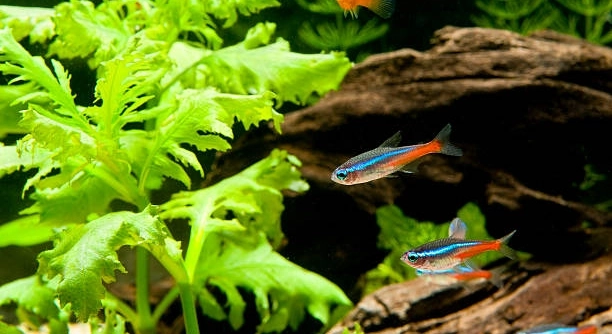
Moving a tank can be a stressful event for both fish and owners. Neon Tetras, small and delicate, may find it particularly challenging. This article will explain if Neon Tetras can survive a tank move and offer tips to reduce their stress.
Neon Tetras can survive a tank move if it is done with care. However, sudden changes in their environment can cause stress, leading to potential health issues. It is essential to manage water conditions and acclimate the fish slowly during the transition.
Understanding how to move your tank and minimize stress can help keep your Neon Tetras healthy and happy. We will share tips to make the move smoother and ensure your fish adjust well to their new environment.
How Stress Affects Neon Tetras During a Move
Neon Tetras are sensitive to changes in their environment. Stress during a tank move can weaken their immune system, making them more vulnerable to diseases. They may stop eating, swim erratically, or even hide for long periods. These behaviors are common signs of stress, and it’s important to recognize them early.
The stress of a tank move can lead to long-term health issues if not addressed. Neon Tetras are small fish, and any sudden changes in their habitat can affect their overall well-being. To prevent this, it’s essential to minimize disruptions during the move.
Keeping water parameters stable is critical for the fish’s health. Ensure the water temperature, pH levels, and ammonia levels remain consistent throughout the process. Using a portable filtration system or transferring water from the original tank can help reduce the shock of a new environment.
Tips for Reducing Stress During a Tank Move
When moving a tank, the first step is to plan ahead. Gather everything you need in advance, including a fish-safe container and a water testing kit. Keeping the process organized can significantly reduce the chance of mistakes.
Acclimating your Neon Tetras slowly to the new environment will help them adjust. You can use the drip method to gradually mix tank water with the new water, helping the fish transition more comfortably. This can take a few hours, but it’s worth the time to avoid shock.
Once the tank is set up in its new location, avoid disturbing the fish. Neon Tetras can be easily spooked by movement or noise, so minimize any unnecessary disruptions. Providing plants or hiding spots can help them feel secure as they settle into their new home.
Prepare Your Tank for the Move
Before moving the tank, it’s crucial to prepare it for transport. Remove any decorations, plants, or substrate that could shift or get damaged. Secure the tank firmly to avoid sudden jerks that could stress the fish.
Make sure the tank is safely sealed, and the water is contained properly. Using a strong moving container will prevent leaks or spills during transport. If possible, fill the tank with less water to reduce weight and minimize the risk of breakage. Ensure the lid is tightly closed, so nothing falls inside during the move.
Test the new location to ensure it’s stable and has no drafts. The environment must be free of excessive heat or cold, as sudden temperature changes can add more stress to your Neon Tetras. Place the tank on a flat surface and make sure it’s level to avoid further complications.
Keep Water Quality Stable During the Move
The water quality is just as important as the fish during a move. Water parameters like pH, temperature, and hardness need to remain as stable as possible throughout the process.
Carry a thermometer and water-testing kit with you. Check the water temperature frequently and adjust if necessary, especially if you’re transporting the tank over a long distance. Keeping the temperature stable prevents shocks that could harm your Neon Tetras. When you arrive at the new location, test the water for ammonia, nitrates, and pH to ensure it’s within the acceptable range.
If possible, transport the water from the original tank. This helps maintain the consistency of the environment your fish are used to. Consider using a battery-operated filter during transport to help maintain water quality. This will help reduce the chances of water quality-related stress for your Neon Tetras.
Avoid Overcrowding During the Move
Overcrowding the transport container can increase stress on your Neon Tetras. Keep the fish in a container large enough to allow some movement, but not too big to cause them to feel insecure.
Too many fish in a small space can lead to fights or physical injuries. It’s better to keep fewer fish in the container during transport, even if that means making multiple trips for larger tank setups. Space is important for their well-being, especially in stressful situations.
Setting Up the New Tank
Once you’ve moved the tank, setting it up properly is key. Begin by checking the tank’s water levels and temperature. Fill the tank with water slowly to avoid any sudden pressure changes.
Ensure all equipment like filters, heaters, and lights are working properly. Let the tank run for several hours before adding your fish back in to ensure that everything is functioning correctly. This will help reduce any stress your Neon Tetras may face as they adjust.
Monitor Fish Behavior After the Move
After placing your Neon Tetras in the new tank, closely monitor their behavior. Look for signs of stress, like erratic swimming or hiding.
If the fish show signs of distress, it may be helpful to perform a partial water change to stabilize the environment further. Keeping the tank quiet and undisturbed for a few days will allow them to settle in more comfortably.
FAQ
Can I move Neon Tetras to a new tank right away?
It’s best not to rush moving Neon Tetras to a new tank immediately. If possible, give them time to adjust to the new environment before transferring them. Moving them too soon can cause stress or even harm them. The move should be gradual, with water parameters closely monitored.
How do I know if my Neon Tetra is stressed after the move?
Stress in Neon Tetras can show up in several ways. They might stop eating, hide in corners of the tank, or swim erratically. Sometimes, they may even lose their bright colors, which is another sign that something isn’t right. Keep an eye out for these behaviors and take action if needed.
What should I do if the water in the new tank doesn’t match the old tank?
If the water in the new tank differs from the old one, you should acclimate the Neon Tetras slowly. Gradually mix the new water with the water from their original tank. Use the drip method to ensure they have enough time to adjust without experiencing a sudden change in their environment.
How long does it take for Neon Tetras to adjust to a new tank?
It can take a few days to a few weeks for Neon Tetras to fully adjust to a new tank. During this time, it’s important to monitor their behavior and water quality closely. If they’re still stressed after a week, there may be environmental issues that need to be addressed.
Is it necessary to add new decorations when moving a tank?
Adding new decorations is not a necessity when moving a tank, but it can provide your Neon Tetras with new hiding spots to help them feel secure. If you add decorations, make sure they’re fish-safe and won’t disrupt the tank’s water flow or filter system.
Can I move the entire tank, including the fish, in one go?
Moving the entire tank, including the fish, is possible but requires careful planning. Secure the tank and ensure it’s properly sealed. Use a large, sturdy container to transport the water and fish. However, it’s often less stressful for the fish if they are moved separately from the tank.
What’s the best temperature to keep Neon Tetras during a move?
Neon Tetras prefer water temperatures between 72°F and 80°F (22°C to 27°C). During the move, maintain a consistent temperature. Use a portable heater if necessary, especially if the journey takes longer. Keeping the temperature stable will help minimize stress for the fish.
Should I turn off the filter when moving the tank?
It’s recommended to turn off the filter during the actual move to prevent it from being damaged. However, ensure that the filter is fully functional when you set up the new tank. The filter will help keep the water clean and oxygenated, which is essential for the Neon Tetras’ health.
Can Neon Tetras survive without a filter during the move?
Neon Tetras can survive temporarily without a filter during a move. However, it’s important to keep the water clean and oxygenated. Consider using a battery-operated air pump or transporting them in clean, well-oxygenated water to avoid stressing them further.
How often should I check on my Neon Tetras after the move?
Check on your Neon Tetras at least twice a day during the first few days after the move. Look for signs of stress and monitor the water conditions. Frequent checks will help you address any issues early, ensuring a smooth transition for your fish.
Can I add other fish to the tank after moving the Neon Tetras?
It’s best to wait until your Neon Tetras have fully adjusted to their new tank before introducing other fish. Adding new fish too soon can increase the stress on your Neon Tetras, as they’re already adjusting to their new environment. Once they settle, you can introduce new fish gradually.
What should I do if my Neon Tetra is not eating after the move?
If your Neon Tetra isn’t eating, check the water quality first. Stress can cause them to lose their appetite. Make sure the water temperature and parameters are stable. If the problem persists for more than a few days, consider consulting an aquarium expert to rule out other issues.
How can I prevent stress for Neon Tetras during future tank moves?
To minimize stress during future tank moves, always keep their environment as stable as possible. Avoid sudden changes in water temperature or parameters. Also, try to limit their exposure to loud noises or excessive movement during the move. Providing hiding spots can help them feel secure.
Final Thoughts
Moving a tank can be a stressful experience for both you and your Neon Tetras. It’s important to approach the task with careful planning and attention to detail. The preparation stage, where you secure the tank, adjust water levels, and remove excess decorations, can make a big difference in reducing the fish’s stress. Taking the time to set up the new tank correctly ensures a smoother transition for your Neon Tetras. By maintaining stable water quality and temperature throughout the move, you can help avoid sudden changes that could harm your fish.
The journey doesn’t stop once the tank is moved and set up. After placing your Neon Tetras into their new home, monitor them closely. Their behavior can indicate whether they’re adjusting well to their new environment. Stress is common after a move, so it’s important to be patient and allow them time to settle in. Keeping the tank quiet and undisturbed for a few days will help create a peaceful atmosphere. Checking the water regularly for any imbalances will also aid in making sure they’re comfortable. If they show signs of distress, addressing the issue quickly can prevent further complications.
Remember, every fish is different, and each move is unique. Your Neon Tetras might adjust faster or take longer than expected. The key is to stay attentive and make adjustments when necessary. Providing a calm, stable environment will help your fish adapt and thrive. By following these tips and paying attention to their needs, you can make the tank move less stressful for your Neon Tetras and ensure their long-term health in the new environment. With the right approach, your fish will adjust and continue to enjoy their new home.

Hello,
If you enjoy the content that we create, please consider saying a "Thank You!" by leaving a tip.
Every little bit helps us continue crafting quality advice that supports the health, happiness, and well-being of pets around the world, for pets of all shapes, sizes, and species.
We really appreciate the kindness and support that you show us!