
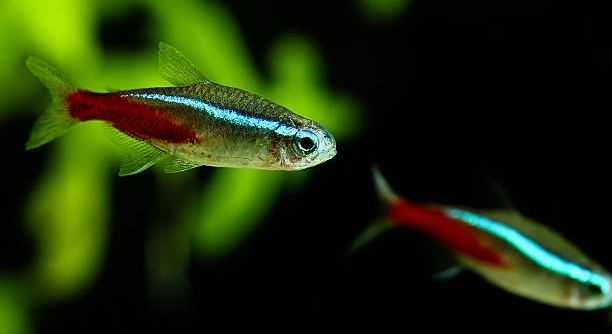
Neon Tetras are delicate fish, and their well-being depends on several factors in their environment. Understanding what may harm them can help prevent unseen dangers. Awareness is key to keeping them healthy and happy in your tank.
Neon Tetras are particularly sensitive to water quality, sudden temperature changes, overfeeding, and poor tank mates. Contaminants and improper lighting can also cause stress, weakening their immune systems and making them vulnerable to disease.
Recognizing these factors will ensure a healthier environment for your Neon Tetra, promoting long-term wellness and happiness in your aquarium.
Water Quality and Its Impact on Neon Tetras
The water quality in your aquarium is crucial for the health of your Neon Tetras. Poor water conditions, such as high ammonia or nitrite levels, can lead to stress, weakened immune systems, and even death. Regular water testing and proper filtration are necessary to maintain clean and safe conditions for your fish. Even small fluctuations in water chemistry can cause harm, so monitoring pH, hardness, and temperature is important. You should also perform regular water changes to prevent the build-up of harmful toxins.
Maintaining consistent water quality will reduce stress and prevent diseases in your Neon Tetras.
In addition to regular water changes, use a reliable filtration system to keep the water circulating and free from harmful substances. Regularly clean the tank and remove debris to maintain a healthy aquatic environment. It’s important to test the water frequently to catch any issues before they become serious problems. Tetras are sensitive to even small changes, and a stable, clean environment will allow them to thrive. Without proper water quality, the long-term health of your fish will be compromised.
Feeding Practices and Overfeeding Risks
Feeding your Neon Tetras the right amount of food is key to their health. Overfeeding can lead to excess waste in the tank, causing poor water quality and stress. Ensure that the fish consume all the food within a few minutes to avoid waste accumulation. This will help maintain clean water and prevent any health issues related to poor water conditions. Regularly remove any leftover food to reduce waste in the tank.
Overfeeding can also lead to obesity and other health problems in Neon Tetras.
Be mindful of the feeding schedule and portion size for your fish. Over time, excess food can decompose in the tank, causing the water to become polluted. This, in turn, stresses the fish and can result in skin and gill problems. Neon Tetras rely on consistent feeding routines, so avoid feeding them too much or too often. A healthy diet is one that provides the necessary nutrients while preventing waste build-up. By paying attention to feeding practices, you will help ensure a healthier, happier tank environment for your fish.
Tank Temperature Fluctuations
Sudden changes in tank temperature can stress your Neon Tetras and make them more vulnerable to diseases. Tetras prefer stable, slightly warmer water, typically between 72°F and 78°F. Investing in a good heater and thermometer is essential to maintaining consistent temperatures.
Temperature fluctuations can lead to weakened immune systems in your fish. When water becomes too cold or too hot, their metabolic rates change, and they become more susceptible to infections. Additionally, dramatic shifts in temperature can cause shock, leading to symptoms like erratic swimming or lethargy. It’s important to regularly monitor the water temperature to prevent harmful shifts.
Heating your aquarium correctly is essential. Sudden drops or increases can cause significant stress. Installing a reliable heater that maintains steady temperature levels will keep your Tetras comfortable and healthy. Regular checks on the thermometer can help detect any changes early on, ensuring a safer environment for your fish.
Poor Tank Mates
Neon Tetras can become stressed if housed with incompatible tank mates. Aggressive or overly large fish can harm them, either by bullying or preying on them. When choosing tank mates, it’s important to consider the temperament and size of other species.
Aggressive fish such as cichlids or large tetras may intimidate or injure Neon Tetras, causing them distress. These fish tend to dominate the tank, preventing your Neon Tetras from feeding properly or hiding when needed. Additionally, large fish can inadvertently harm them during their normal movement. If you notice frequent hiding or aggression, it may be time to reconsider the tank’s occupants.
For a peaceful aquarium, choose small, peaceful species that are less likely to stress out your Neon Tetras. Community fish like guppies or small, non-aggressive catfish make good companions. Properly stocking your tank ensures a calm and healthy environment for all species, which is vital for the overall health of your Neon Tetras.
Improper Lighting
Too much or too little light can harm your Neon Tetras. Bright, constant lighting may stress them, while too little can hinder their activity. Finding a balanced light cycle is important for their well-being.
Neon Tetras are sensitive to light. They thrive in dim, natural light that mimics their natural habitat. Overexposure to artificial lighting can cause stress and disrupt their day-night cycle. You should aim for around 8-12 hours of light each day, ensuring they also have a dark period for rest. Avoid leaving the aquarium lights on constantly.
Tank Size and Space Constraints
A small tank can lead to overcrowding and stress. Neon Tetras need space to swim and explore, which helps them stay healthy.
Proper tank size is essential for maintaining a healthy environment. The recommended tank size for a small group of Neon Tetras is at least 10 gallons. Smaller tanks lead to poor water quality and less room for the fish to move. It’s important to give your fish room to swim freely to reduce stress and improve their quality of life. Overcrowding can lead to aggression, poor health, and even death.
Water Contaminants
Water pollutants like chemicals or heavy metals can negatively affect your Neon Tetras. Even trace amounts can cause damage to their health.
Polluted water from cleaning products, pesticides, or untreated tap water can contain harmful substances. These chemicals can cause stress, skin irritation, and even long-term damage to their organs. To prevent contamination, always use a water conditioner before adding tap water to the tank. Regular water changes and a good filtration system will help keep harmful substances at bay.
FAQ
What should I feed my Neon Tetra?
Neon Tetras are omnivores and enjoy a varied diet. A mix of high-quality flake food, frozen or live foods such as brine shrimp and daphnia, and occasional vegetable matter will keep them healthy. Avoid overfeeding, as excess food can pollute the water and cause health issues. Feed them small amounts, 2-3 times a day, and make sure they finish the food in a few minutes. Offering a balanced diet helps maintain their vibrant colors and overall health.
How often should I perform water changes?
Water changes should be done regularly to maintain a healthy environment for your Neon Tetras. A partial water change of about 20-25% once a week is ideal. If your tank is heavily stocked or has a filtration system that needs more maintenance, you might need to change the water more frequently. Regular water changes help prevent the build-up of harmful toxins like ammonia and nitrites, which can stress or harm your fish.
Can Neon Tetras live with other fish?
Neon Tetras are peaceful and can live with many other species. Small, non-aggressive fish like guppies, rasboras, or other small tetras make great tank mates. Avoid housing them with large or aggressive fish, as they might intimidate or even prey on the tetras. The key is to ensure that your tank mates are compatible in size and temperament.
What water temperature is best for Neon Tetras?
Neon Tetras prefer water temperatures between 72°F and 78°F (22°C – 26°C). Keeping the water at a stable temperature within this range will ensure your fish are comfortable and stress-free. Rapid temperature fluctuations can cause stress, making your fish more vulnerable to disease. A reliable aquarium heater and thermometer can help maintain the ideal temperature.
Do Neon Tetras need a filter?
Yes, Neon Tetras need a filter to maintain water quality. A good filtration system helps remove toxins and keeps the water clean, which is essential for their health. However, be careful with the filter’s current. Strong currents can stress your tetras, so choose a filter with adjustable flow to keep the water gentle and comfortable.
How do I know if my Neon Tetra is stressed?
Stress in Neon Tetras can be shown through changes in behavior or appearance. If your fish is swimming erratically, hiding frequently, or has faded colors, they may be stressed. Stress can be caused by poor water conditions, incompatible tank mates, or rapid changes in temperature. Addressing the underlying cause of the stress will help your fish recover.
How can I improve the color of my Neon Tetra?
The vibrant colors of Neon Tetras can be enhanced by providing a clean environment, good nutrition, and proper lighting. A balanced diet rich in carotenoids from foods like spirulina or brine shrimp will boost their natural color. Also, maintaining stable water parameters and keeping stress levels low will help the tetras maintain their bright, beautiful appearance.
Can Neon Tetras live in a tank without plants?
Neon Tetras can live in a tank without plants, but they thrive better when provided with plants. Plants offer hiding spots, which can reduce stress and make your fish feel more secure. Live plants also help improve water quality by absorbing excess nutrients. If you don’t have live plants, artificial plants can still provide shelter.
How long do Neon Tetras live?
On average, Neon Tetras live for about 5-10 years when properly cared for. However, their lifespan can be shorter or longer depending on water quality, diet, and tank conditions. Keeping their environment stable and clean will help them live a long and healthy life. Regular monitoring of water parameters and a proper diet are essential to their longevity.
Why is my Neon Tetra swimming upside down?
If your Neon Tetra is swimming upside down, it could be a sign of swim bladder disorder. This condition can be caused by overfeeding, poor water quality, or infections. It’s important to check the water parameters, feed the fish appropriately, and remove any uneaten food. If the issue persists, consider consulting a vet to rule out other health problems.
Do Neon Tetras like to school?
Yes, Neon Tetras are schooling fish. They feel more comfortable and secure when kept in groups of at least 6-8 individuals. Keeping them in a small group can reduce their stress and encourage natural behaviors. A group also helps them feel safe from larger or more aggressive fish, as they rely on the safety of numbers in the wild.
Are Neon Tetras easy to breed?
Breeding Neon Tetras can be challenging for beginners. While they will spawn in a well-maintained tank, their eggs are delicate and need specific conditions to hatch. A separate breeding tank with soft, slightly acidic water and low light will improve the chances of successful breeding. After spawning, removing the parents is essential, as they may eat the eggs.
What are common diseases in Neon Tetras?
Neon Tetras are prone to certain diseases, such as neon tetra disease, ich, and fin rot. Neon tetra disease causes symptoms like faded colors, erratic swimming, and lesions on the body. Ich is a parasite that causes white spots on the skin, while fin rot is caused by bacterial infections. Maintaining water quality and promptly isolating sick fish can help prevent these issues.
Can I use tap water for my Neon Tetra tank?
You can use tap water, but it’s important to treat it first. Tap water often contains chlorine and other chemicals harmful to fish. Using a water conditioner will neutralize these substances and make the water safe for your Neon Tetras. It’s also important to test your tap water for pH, hardness, and contaminants to ensure it’s suitable for your fish.
How many Neon Tetras should I keep together?
Neon Tetras should be kept in groups of at least 6-8 individuals. In smaller groups, they can become stressed and may exhibit unhealthy behaviors. A larger group helps mimic their natural social structure and provides a more comfortable environment. The more tetras in the group, the happier and healthier they will be.
Why is my Neon Tetra losing its color?
If your Neon Tetra is losing its color, it could be due to stress, poor water quality, or an inadequate diet. Low water quality can cause the fish to lose its bright colors. Stress factors, such as aggression from tank mates or poor tank conditions, can also lead to color fading. Improving water quality and providing proper care will help restore their natural colors.
Final Thoughts
Caring for Neon Tetras requires attention to detail, especially when it comes to water quality, temperature, and tank mates. These small fish thrive in a peaceful environment with stable conditions. They are sensitive to changes in their surroundings, making it essential to maintain proper water parameters. Regular water changes, a balanced diet, and consistent tank conditions will go a long way in ensuring they remain healthy. Avoid overfeeding and keep their environment clean to prevent any health issues that could arise from poor water quality.
Neon Tetras are hardy fish that can live for several years with the right care. Understanding their natural habitat and mimicking it in your tank will help your fish thrive. This includes providing dim lighting, proper tank size, and enough space for them to swim freely. Remember that these fish are social creatures, and keeping them in small groups of six or more will reduce their stress levels. With the right tank setup and regular maintenance, Neon Tetras can become a beautiful and long-lasting addition to your aquarium.
When it comes to common mistakes, the most important thing is to monitor water conditions regularly. Make sure to check the pH, hardness, and temperature regularly, as these can change quickly. Keep an eye on their behavior, as any changes can indicate problems in their environment. Neon Tetras are not difficult to care for, but they do require some attention to detail. By following the guidelines for tank size, water parameters, and feeding habits, you can ensure that your Neon Tetras live long, healthy lives in your aquarium.

Hello,
If you enjoy the content that we create, please consider saying a "Thank You!" by leaving a tip.
Every little bit helps us continue crafting quality advice that supports the health, happiness, and well-being of pets around the world, for pets of all shapes, sizes, and species.
We really appreciate the kindness and support that you show us!