
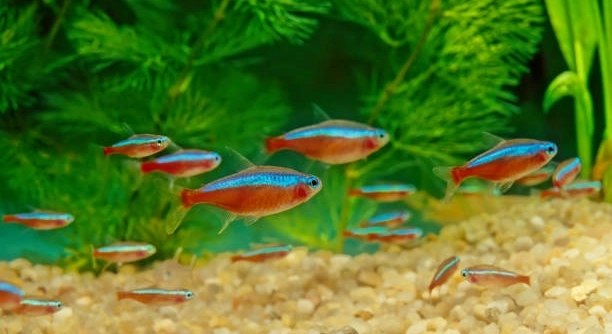
Neon Tetras are a popular choice for aquarium enthusiasts due to their vibrant colors and peaceful nature. However, there are times when these fish may stop schooling, which can be confusing for their owners.
Neon Tetras often stop schooling due to stress, changes in their environment, or health issues. Lack of hiding spots, water quality problems, and the presence of aggressive tank mates are also common causes that disrupt their natural behavior.
Addressing these factors can help restore harmony in your tank. The following tips will guide you in getting your Neon Tetras to school again and thrive in their environment.
Stress and Anxiety Can Lead to Solo Swimming
Neon Tetras are sensitive fish, and stress is one of the most common reasons they stop schooling. Any changes in their environment, like a sudden temperature shift or loud noises, can cause them to feel unsettled. Even small stressors, like an overcrowded tank or poor water quality, can lead to anxiety. When stressed, Neon Tetras tend to isolate themselves rather than stay in a group. Stress is also known to weaken their immune systems, making them more susceptible to diseases. In such cases, they may avoid their school to rest in a quiet, safe space.
Even subtle signs of stress can impact their behavior. A stable, calm environment is essential for keeping Neon Tetras healthy and social.
To reduce stress, maintain consistent water temperature, avoid sudden changes in the tank, and ensure the water is clean and properly filtered. By creating a calm environment, you can help your fish feel more secure and encourage them to school again.
Poor Tank Conditions Can Break the Schooling Habit
Water quality is a critical factor in fish behavior.
Neon Tetras thrive in clean, well-maintained water. If the water is too dirty, overly acidic, or too basic, they may stop swimming with their group. Proper filtration is essential for maintaining water quality. Ammonia, nitrites, and nitrates can accumulate in the tank, causing toxicity that affects their health and behavior.
Monitoring water parameters regularly is key. The ideal water temperature for Neon Tetras is between 72°F and 78°F, with a pH level of 6.0 to 7.0. Testing the water and doing regular water changes can help keep harmful chemicals at bay. Providing good filtration also ensures that debris, waste, and excess food are removed, reducing the risk of water quality issues.
When Neon Tetras are in poor tank conditions, they might feel too vulnerable to stay with their school, so it’s important to keep the tank clean and well-maintained. If the water quality improves, you’ll likely see your Neon Tetras return to their schooling behavior.
Aggressive Tank Mates Can Make Them Retreat
Not all fish are peaceful, and some can be aggressive toward Neon Tetras.
If you have aggressive fish in the tank, your Neon Tetras might stop schooling due to fear. Fish like cichlids, bettas, or barbs can sometimes see the smaller Neon Tetras as potential prey or rivals. Even if the aggression isn’t overt, the stress of constantly avoiding other fish can cause the Tetras to isolate themselves. The tank’s layout may also influence how safe they feel. Lack of hiding spaces forces them to stay out in the open, where they feel exposed to aggressive tank mates.
To avoid this, try adding more plants, decorations, or caves that offer safe spaces. You should also consider tank mates that are peaceful and compatible with Neon Tetras. Fish such as Corydoras, Otocinclus, and certain species of rasboras make ideal tank mates since they don’t pose a threat to the Neon Tetras.
By ensuring that your Neon Tetras have a peaceful, secure environment and enough hiding spots, they will be more likely to swim in a school again.
Overcrowded Tank Leads to Stress
When your tank is too crowded, Neon Tetras may feel stressed. Too many fish in a small space can reduce their ability to move freely and disrupt their natural behavior. The result is often isolation, as the fish try to escape the crowded conditions.
It’s essential to provide enough swimming space for each fish. Neon Tetras are small, but they still need room to move. Aim for about one inch of fish per gallon to avoid overcrowding. If your tank is too full, your Tetras might not feel safe swimming together, as they’ll be competing for space and oxygen.
Another issue that comes with overcrowding is the buildup of waste, which can affect water quality. Poor water conditions on top of limited space can lead to even more stress, making it harder for your Neon Tetras to feel comfortable enough to school. It’s better to keep the tank well-maintained and avoid overstocking it.
Lighting and Tank Setup Can Impact Behavior
Lighting in the tank affects the mood and activity level of your Neon Tetras. Too much light can make them anxious, while too little light might make them lethargic. The right balance of lighting helps them feel secure enough to swim together.
Bright lights can also stress fish that prefer darker environments, like Neon Tetras. When they feel exposed under harsh lighting, they may retreat into hiding spots. A dimmer light setup or using a tank with plants to offer some shade can encourage the Tetras to swim in schools again. A natural day-night cycle with a timer can also help regulate their environment.
In addition to lighting, tank setup plays a crucial role. Neon Tetras are known to feel more comfortable in tanks with plants, rocks, or decorations that mimic their natural habitat. These features give them hiding places and help them feel secure. Without such elements, they may stay isolated, making schooling difficult.
Illness or Injury Can Break the School
When a Neon Tetra becomes sick or injured, it often stops schooling. Illness can make them weak or lethargic, and they might prefer staying alone to conserve energy. Injuries also cause them to retreat into hiding.
If a Tetra is injured or showing signs of disease, like faded colors or swimming abnormally, it may need special care. Isolating the sick fish in a quarantine tank can prevent the spread of disease to other fish. Once the fish recovers, it should return to its school.
The behavior of a sick fish can also affect the others. If a Tetra is visibly unwell, other fish may shy away from it, causing further isolation and disrupting the school.
Water Temperature and pH Imbalance
Neon Tetras prefer stable water temperatures and specific pH levels. If the temperature is too high or low, or if the pH is off, they may stop schooling.
A sudden fluctuation in water temperature or pH can cause immediate stress. Neon Tetras are best suited to temperatures between 72°F and 78°F, and a slightly acidic to neutral pH range (6.0-7.0). Keep a reliable thermometer and pH test kit to monitor the tank conditions.
Consistent water parameters create a stable environment that encourages your Tetras to swim together and thrive.
Lack of Proper Diet Affects Behavior
Feeding your Neon Tetras the right food is essential for their overall health and social behavior. Poor diet can lead to malnutrition, causing them to isolate.
Providing a varied diet that includes high-quality flake food, frozen or live foods like brine shrimp, and occasional plant matter ensures they remain healthy and active. If your fish aren’t receiving proper nutrition, they may not have enough energy to swim in a school, further disrupting their natural behavior.
FAQ
Why do my Neon Tetras stop schooling?
Neon Tetras may stop schooling due to stress, poor water conditions, illness, or even tank overcrowding. They are small, sensitive fish that thrive in calm, stable environments. Changes in water quality, temperature, or even the presence of aggressive tank mates can cause them to isolate. If their environment feels unsafe or stressful, they will tend to swim alone rather than in a school. Ensuring proper care and maintaining a peaceful tank environment will help keep your Tetras schooling together.
How can I reduce stress for my Neon Tetras?
To reduce stress for your Neon Tetras, focus on providing a calm and stable environment. This includes maintaining proper water conditions with regular water changes, avoiding sudden changes in temperature, and using gentle filtration. Additionally, be mindful of the tank’s lighting and noise levels, as loud sounds or harsh lighting can stress the fish. Offering plenty of plants and hiding spots will help them feel secure and less likely to isolate themselves.
Can aggressive tank mates cause Neon Tetras to stop schooling?
Yes, aggressive tank mates can definitely cause Neon Tetras to stop schooling. These fish are peaceful and prefer to be around other non-aggressive species. If there are fish in the tank that are too aggressive, such as larger or more territorial species, the Neon Tetras may become stressed and avoid swimming in a group. It’s important to carefully choose tank mates that are compatible with Neon Tetras. Peaceful species, like Corydoras or Otocinclus, make great tank companions for them.
What water temperature is ideal for Neon Tetras?
Neon Tetras thrive in water temperatures between 72°F and 78°F (22°C to 25.5°C). Temperatures outside this range can cause stress and impact their schooling behavior. Maintaining a stable water temperature is essential for their health. Use a reliable aquarium heater and thermometer to monitor the temperature regularly, especially in environments where room temperature fluctuates. Sudden temperature changes can weaken their immune system and lead to stress.
How can I make my Neon Tetras feel more secure in the tank?
Creating a more secure environment for your Neon Tetras involves offering plenty of hiding spots and plants. Neon Tetras are naturally drawn to areas where they can seek shelter and feel safe. By adding plants, driftwood, and rocks, you can create a more comfortable space for them. Additionally, providing a consistent light-dark cycle with a timer can mimic their natural habitat and help reduce stress. A well-planted tank will also offer the Tetras places to retreat if they feel threatened.
Can poor water quality lead to Neon Tetras stopping schooling?
Yes, poor water quality is one of the main reasons Neon Tetras stop schooling. If the water is polluted with waste, ammonia, or high levels of nitrates, it can make the Tetras feel unsafe, causing them to isolate. Regular water changes and testing for ammonia, nitrites, and nitrates are important to maintain a healthy tank. Make sure to also check the pH level and keep it within the ideal range for Neon Tetras (6.0-7.0). Consistently clean water helps keep the fish healthy and encourages schooling.
Should I add more Neon Tetras if mine stop schooling?
Adding more Neon Tetras can sometimes help encourage schooling behavior, as these fish feel safer and more comfortable when in groups. However, simply adding more fish isn’t always a solution. It’s important to first assess whether other factors, such as water quality, stress, or aggressive tank mates, are affecting your fish’s behavior. If those factors are not addressed, adding more fish might just lead to further stress or overcrowding. If everything else is in order, a larger school can help bring back the natural behavior.
How often should I feed my Neon Tetras?
Neon Tetras should be fed small amounts of food 2 to 3 times a day. Overfeeding can pollute the water, leading to poor water quality and stress. Offer a variety of foods, including high-quality flakes, frozen foods, and occasional live foods like brine shrimp or daphnia. Providing a balanced diet helps keep the Tetras healthy and energetic, supporting their natural schooling behavior. It’s important to remove any uneaten food after a few minutes to avoid waste buildup in the tank.
Can I use a water filter with Neon Tetras?
Yes, using a filter in your Neon Tetra tank is essential for maintaining water quality. However, it’s important to choose a filter with gentle water flow, as strong currents can stress the Tetras and prevent them from schooling. Look for a filter designed for small or peaceful fish, and adjust the flow rate if possible to avoid creating too much disturbance. A good filter helps keep the water clean and removes excess waste, preventing harmful toxins from building up in the tank.
How do I know if my Neon Tetras are sick?
Sick Neon Tetras may show signs such as faded colors, abnormal swimming patterns, or lethargy. If they are spending more time at the surface or hiding at the bottom, it could indicate an illness. Additionally, watch for changes in their appetite or any visible lesions on their body or fins. If you suspect illness, it’s a good idea to separate the sick fish into a quarantine tank to prevent spreading any potential diseases to the others. Regular water testing and maintaining a stable environment will help prevent illness from occurring.
Final Thoughts
Neon Tetras are beautiful and peaceful fish that thrive in groups. When they stop schooling, it can be concerning. However, understanding the common causes behind this behavior, like stress, poor water conditions, illness, or aggressive tank mates, is crucial for finding a solution. Addressing these factors will help your Tetras feel more comfortable and encourage them to swim together again.
Creating a stable environment is key. Make sure the water quality is ideal by testing for ammonia, nitrites, and nitrates regularly. Keeping the temperature consistent and within the right range is also important. These simple adjustments can make a big difference in your Tetras’ behavior. The presence of plants, rocks, and other hiding spots can also help them feel more secure. A peaceful tank with plenty of room and appropriate tank mates will reduce stress, allowing your Neon Tetras to return to their natural schooling behavior.
If your Neon Tetras are still struggling to school after addressing environmental factors, it might be helpful to add more fish or separate those that are stressed or sick. With patience and care, you can create a thriving tank that allows your Tetras to swim in harmony again. Every aquarium setup is unique, but by following these steps, you can ensure that your Neon Tetras remain healthy and social, enhancing their well-being and the beauty of your tank.

Hello,
If you enjoy the content that we create, please consider saying a "Thank You!" by leaving a tip.
Every little bit helps us continue crafting quality advice that supports the health, happiness, and well-being of pets around the world, for pets of all shapes, sizes, and species.
We really appreciate the kindness and support that you show us!