
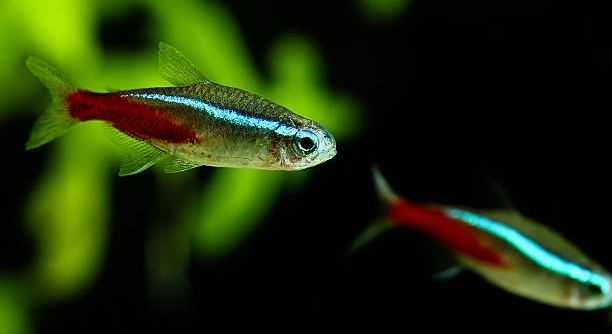
Neon Tetras are popular aquarium fish, known for their vibrant colors and lively nature. But sometimes, they may be found resting on leaves in your tank, which could seem unusual or concerning.
Neon Tetras resting on leaves could indicate several factors, ranging from environmental stress to natural behavior. It is essential to monitor water quality, tank conditions, and their overall health to address any potential issues that may be causing this behavior.
Understanding the causes behind this behavior will help you maintain a healthy environment for your Neon Tetras and prevent further complications. We’ll explore the possible explanations to guide you in managing your aquarium effectively.
1. Stress from Poor Water Conditions
Neon Tetras are sensitive to changes in their environment, especially water conditions. If your tank has high levels of ammonia, nitrites, or nitrates, it can cause stress, leading to unusual behavior like resting on leaves. They may seek a quieter, more sheltered spot to relax. Poor water temperature, pH, or fluctuating conditions can also play a role. A stressed fish will often exhibit lethargy and retreat to areas of the tank where they feel more secure. It’s important to regularly test the water and ensure it stays within the ideal range for Neon Tetras. Keeping the tank clean and properly filtered is essential for maintaining a healthy environment.
Monitor the water conditions closely, as a sudden change in water quality can have a negative impact on your fish’s health. Regular water changes can help keep the environment stable and safe for your Neon Tetras.
A consistent and healthy aquarium setup ensures your fish will thrive and stay active. Keep an eye on any signs of discomfort or behavioral changes in your Neon Tetras. Early detection is key to avoiding long-term issues.
2. Illness or Injury
Fish resting on leaves can sometimes indicate that something is wrong with their health. Neon Tetras are susceptible to a variety of diseases, such as ich or fin rot. If your fish appear sluggish or avoid swimming, they may be battling an illness.
A sick fish will often isolate itself and seek a safe place to rest. If your fish is also showing signs like loss of color, visible lesions, or erratic swimming patterns, it’s important to treat the illness promptly. Look for any signs of abnormal behavior.
Some diseases can spread quickly in a tank, especially in a crowded aquarium, so isolating the affected fish is crucial. Early intervention can prevent the illness from affecting other fish in the tank. If you suspect illness, it may be worth consulting a vet who specializes in aquatic animals.
3. Natural Behavior
Neon Tetras may rest on leaves as part of their natural behavior. In the wild, these small fish often take breaks from swimming, resting on plants or objects in the environment. This behavior is normal and helps them conserve energy.
In your aquarium, Neon Tetras may occasionally find comfort in resting on leaves, especially if they are feeling secure in their environment. It’s a good idea to provide plants and other hiding spots to mimic their natural habitat. This will allow them to rest peacefully without being stressed by the open space.
If your fish seem active and healthy otherwise, there’s likely no need to worry. This behavior can simply be a sign that they feel safe and comfortable in their tank. It’s part of what makes them a natural and peaceful addition to your aquarium.
4. Overcrowded Tank
If your tank is overcrowded, Neon Tetras may rest on leaves to escape the constant activity around them. In a crowded tank, there isn’t enough space for each fish to find its own area to swim and rest. This can lead to stress and discomfort.
Neon Tetras may seek out calmer spots in the tank, like resting on plants or leaves, to avoid constant contact with other fish. Overcrowding can also lead to poor water quality, which can further stress your fish. Ensure that your tank is large enough for the number of fish you have and that water filtration is efficient.
Regularly monitor your fish’s behavior to ensure that they are not showing signs of stress from overcrowding. If necessary, consider reducing the number of fish in the tank to provide more space for each one to feel comfortable.
5. Low Water Temperature
Neon Tetras are tropical fish and need warm water to stay healthy. If the water temperature is too low, they may become sluggish and rest more often, including on leaves. Lower temperatures can make them less active and cause stress.
A drop in temperature can weaken their immune system and make them more vulnerable to illness. It’s essential to maintain the water temperature between 72°F and 78°F (22°C to 26°C). Use a reliable aquarium heater to keep the temperature stable, especially during colder months.
Regularly check the temperature with a thermometer to ensure it’s within the optimal range. If the temperature drops, the fish might show signs of distress, such as hiding and resting on plants.
6. Feeding Schedule
Feeding issues can lead to Neon Tetras resting more often than usual. If you’re overfeeding them, uneaten food can pollute the water and cause stress. On the other hand, inadequate food can leave them feeling weak, making them less active and more likely to rest on plants.
Establishing a consistent feeding schedule will help keep your Neon Tetras healthy and active. Offer small amounts of high-quality food two to three times per day. Avoid overfeeding, as leftover food can impact water quality, leading to further stress.
Watch your fish’s behavior after feeding. If they appear lethargic or avoid food, it might indicate an issue with their diet.
7. Tank Lighting
Lighting plays an important role in your Neon Tetras’ behavior. Too much light or lighting that is too bright can cause them to feel stressed and hide or rest more often on leaves. Proper lighting is essential for a peaceful environment.
Neon Tetras prefer dim lighting, similar to their natural habitat in shaded areas. Consider using aquarium lights with adjustable settings or dimmer switches. This allows you to adjust the intensity and simulate natural light conditions. Providing dark spots like plants or caves also helps your fish feel more secure.
Adjusting the lighting can help reduce stress and make your Neon Tetras feel more comfortable.
FAQ
Why is my Neon Tetra staying at the bottom of the tank?
If your Neon Tetra is staying at the bottom of the tank, it could be due to a variety of reasons. Low water temperature is one common factor, as cooler water can make them sluggish. Illness is another possibility, as sick fish often hide or stay still to conserve energy. Poor water quality may also cause them to avoid swimming, as they seek out calmer areas in the tank. Overcrowding and stress can also lead to this behavior, as the fish look for a quiet spot to rest. Regularly check water parameters, such as temperature, pH, and ammonia levels, and make sure the tank isn’t overcrowded.
Is it normal for Neon Tetras to rest on plants?
Yes, it is normal for Neon Tetras to rest on plants, especially if they feel secure. These fish are naturally inclined to seek out plants or other objects for shelter when they need rest. In the wild, they spend a lot of time in densely planted areas, where they can rest and hide from predators. If your fish are otherwise healthy, resting on plants is a sign that they feel safe in their environment. Adding more plants or decorations can help your Neon Tetras feel more comfortable and encourage natural behavior.
How do I know if my Neon Tetra is stressed?
Stress in Neon Tetras can be identified through various signs. These include unusual swimming patterns, such as erratic movements or staying in one spot for too long. Stressed fish may also lose their bright coloration and become pale. If they frequently hide or rest on leaves or other objects, it may indicate discomfort. Stress can result from poor water quality, temperature fluctuations, or overcrowding. Ensure your tank is clean, has stable water conditions, and provides enough space for each fish. Keeping an eye on their behavior can help you address any issues early on.
Can poor water quality cause my Neon Tetra to rest on leaves?
Yes, poor water quality is one of the main reasons why your Neon Tetra may be resting on leaves. High levels of ammonia, nitrites, or nitrates can lead to stress and illness, causing the fish to retreat to sheltered areas like plants. Neon Tetras are particularly sensitive to changes in water chemistry, and if the water is too polluted, they may try to find a safer spot. Regular water testing and maintenance, including weekly water changes, can help prevent this issue. Keeping the water parameters within their ideal range is essential for their health and well-being.
Should I be concerned if my Neon Tetra is resting for long periods?
If your Neon Tetra is resting for long periods, it may be a sign of stress, illness, or unfavorable tank conditions. While it’s normal for Neon Tetras to take occasional breaks, excessive resting can indicate a problem. Check the water temperature, pH, and ammonia levels to ensure the tank is properly maintained. If the fish is also showing signs of lethargy, loss of color, or abnormal swimming, it could be sick. If no improvements are seen after addressing the environment, consider isolating the affected fish and consulting an aquarium professional or vet.
Why is my Neon Tetra swimming sideways or upside down?
Swimming sideways or upside down is a sign of a serious problem, often related to an internal issue, such as swim bladder disease. This condition can occur when there’s a disruption in the fish’s buoyancy. It can be caused by stress, overfeeding, or bacterial infections. If your Neon Tetra is showing this behavior, remove any uneaten food to prevent water contamination, and check water conditions immediately. If the problem persists, you may need to treat the fish with medication or seek advice from a vet specialized in fish.
What is the ideal tank size for Neon Tetras?
Neon Tetras are small fish and do well in tanks that provide plenty of swimming space. A tank that is at least 10 gallons is ideal for a small school of Neon Tetras. It is important to provide enough space for the fish to swim freely without overcrowding, which can lead to stress. Additionally, larger tanks allow for a more stable environment, with fewer fluctuations in water quality. Make sure to include plants, hiding spots, and a good filtration system to maintain a healthy tank. A well-sized tank will help your Neon Tetras thrive.
Can Neon Tetras live with other fish?
Neon Tetras are peaceful and social fish, which makes them great tankmates for many other species. They get along well with other small, non-aggressive fish like Corydoras, Guppies, and other Tetras. However, it’s important to avoid keeping them with larger, more aggressive fish that might harass or eat them. Always consider the temperament and size of any potential tankmates before introducing them to your Neon Tetras. Additionally, make sure the tank is large enough to accommodate all species comfortably, without causing overcrowding or stress.
How often should I feed my Neon Tetras?
Neon Tetras should be fed small portions two to three times a day. Overfeeding can lead to poor water quality, as leftover food decays and pollutes the tank. Offering high-quality flakes, pellets, or live foods like brine shrimp is best. Make sure the food is appropriate for the small size of the Neon Tetra to prevent overfeeding. Only feed what they can consume in a few minutes to avoid waste and keep the tank clean. A balanced diet will help your Neon Tetras stay healthy, vibrant, and active.
Why is my Neon Tetra losing color?
Loss of color in Neon Tetras can be caused by a variety of factors, including stress, illness, or poor water quality. Neon Tetras are known for their bright colors, and if they start to lose vibrancy, it may be a sign that something is wrong. Stress from overcrowding, sudden changes in water temperature, or poor tank conditions can cause the fish to dull. Illnesses such as parasites or bacterial infections can also cause fading. Check water parameters, ensure proper filtration, and keep an eye on their health. If the problem persists, consult a vet or aquarium professional.
Final Thoughts
Neon Tetras are beautiful and relatively low-maintenance fish, but like any pet, they require proper care to stay healthy and active. If you notice your Neon Tetra resting on leaves more often than usual, it’s important to consider several factors that could be influencing their behavior. Environmental conditions such as water quality, temperature, and overcrowding can cause your fish to feel stressed and seek refuge in quiet spots like plants. By understanding these potential causes, you can make adjustments to your tank to ensure your fish are comfortable.
A consistent and stable tank environment is key to preventing stress and promoting healthy behavior in your Neon Tetras. Regular water testing, maintaining the correct temperature, and providing plenty of hiding places can help reduce stress and encourage your fish to swim actively. It’s also crucial to ensure that the fish have enough space to move around comfortably. Overcrowding is a common issue in many tanks, and it can lead to aggressive behavior and unhealthy conditions. Maintaining an appropriate balance in your aquarium will support the overall well-being of your Neon Tetras.
If you have made the necessary adjustments to the tank and your Neon Tetras are still resting excessively or showing other signs of illness, it may be time to consider consulting an aquarium expert or veterinarian. Illnesses and injuries can also cause fish to behave unusually, so it’s important to monitor their health closely. With the right care and attention, your Neon Tetras will likely return to their active, vibrant selves. Regular maintenance, proper diet, and a peaceful environment are essential for keeping your fish happy and healthy.

Hello,
If you enjoy the content that we create, please consider saying a "Thank You!" by leaving a tip.
Every little bit helps us continue crafting quality advice that supports the health, happiness, and well-being of pets around the world, for pets of all shapes, sizes, and species.
We really appreciate the kindness and support that you show us!