
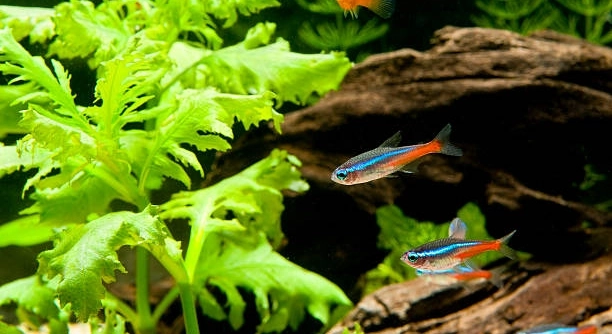
Neon tetras are beautiful and easy-to-care-for aquarium fish that thrive in specific conditions. Ensuring their well-being requires attention to a few key factors that help them stay active and healthy. These small fish bring color and joy to your tank.
Maintaining optimal water quality, proper tank mates, appropriate feeding, and adequate lighting are essential for the health of neon tetras. Regular maintenance, water changes, and careful monitoring of their environment contribute to their happiness and longevity.
By following these basic tips, you can create a healthy environment for your neon tetras. This will keep them vibrant and full of energy.
Maintaining Proper Water Conditions
The quality of water is crucial for neon tetras. These fish are sensitive to changes in their environment, especially when it comes to water temperature, pH levels, and overall cleanliness. Keeping the water clean through regular water changes and a reliable filtration system is essential. Aim for a temperature between 72-78°F (22-26°C) and a pH level between 6.0 and 7.0. Monitoring these factors consistently can prevent stress and ensure your neon tetras remain healthy.
One important thing to keep in mind is that these fish prefer soft water. If your tap water is hard, consider using water conditioners or a filtration system designed to soften the water. Proper water conditions also help prevent common diseases and promote optimal growth.
Adding live plants to the tank can also improve water quality. Plants help maintain a balanced ecosystem by absorbing excess nutrients, creating a more natural environment. This gives your neon tetras more opportunities to swim and hide, reducing stress levels.
Providing the Right Tank Mates
Neon tetras are peaceful fish and prefer living in schools with others of their kind. However, choosing the right tank mates is crucial. Avoid keeping them with aggressive or large fish that might intimidate or harm them. Fish like bettas or large cichlids can be problematic.
For a harmonious tank, consider adding other small, peaceful species such as guppies, rasboras, or small catfish. Keeping a group of at least six neon tetras will also reduce stress and allow them to feel more secure.
Choosing the right companions will not only keep your neon tetras safe but also create a vibrant and active tank. The right balance in the tank leads to better health, happier fish, and a more beautiful aquarium.
Proper Feeding
Feeding neon tetras the right type of food in the proper amounts is key to their health. They are omnivores and benefit from a balanced diet of both plant-based and protein-rich foods. Provide them with high-quality flakes, pellets, and occasional live or frozen foods like brine shrimp or daphnia.
Avoid overfeeding, as leftover food can pollute the water, leading to poor water quality. Offering small amounts of food two to three times a day ensures that they get the right nutrition without excess waste. Watch for signs of overfeeding, such as uneaten food sinking to the bottom.
When feeding neon tetras, keep in mind that variety is essential. Different food types provide a range of nutrients that support their growth and color. Live or frozen food helps them display their natural behaviors, while high-quality flakes and pellets provide essential vitamins. Maintaining a consistent feeding routine will keep them active and vibrant.
Lighting and Tank Setup
Neon tetras thrive in well-lit environments, but it’s important to avoid intense, direct light that can cause stress. Soft, ambient lighting simulates their natural habitat, providing a sense of security while allowing them to show off their vibrant colors.
A low to moderate light level also helps to keep algae growth under control, reducing the need for constant cleaning. To enhance the tank’s visual appeal, consider adding some shaded areas like plants or driftwood. These provide hiding spots and create a natural feel to the aquarium.
It’s important to remember that neon tetras are best kept in tanks that mimic their natural environment. A well-planted tank with gentle lighting and peaceful companions will encourage them to thrive. Providing an environment that feels safe and familiar helps them remain active, healthy, and vibrant.
Regular Water Changes
Regular water changes are essential to keep your neon tetras healthy. Aim to change 25-30% of the water every two weeks. This helps remove toxins, excess nutrients, and waste that can build up over time. Clean water keeps them vibrant and minimizes the risk of diseases.
Use a water conditioner to remove chlorine and chloramine from tap water. When replacing the water, try to match the temperature and pH to prevent stressing your fish. Regular water changes ensure the tank remains stable and creates a healthier environment for your neon tetras to thrive.
Monitoring for Health Issues
Keep an eye on your neon tetras for any signs of illness. Common issues include faded colors, loss of appetite, or unusual swimming patterns. These can be early indicators of stress or disease. If you notice any changes, address them promptly.
Ensure that the water quality remains optimal and that they are not being bullied by tank mates. Stress from poor water conditions or aggression from other fish can quickly lead to health problems in neon tetras. Regular observation will help you catch potential issues before they become serious.
Avoiding Overcrowding
Neon tetras are small fish and do best in a moderately stocked tank. Overcrowding can lead to poor water quality, increased stress, and competition for food. Aim for one inch of fish per gallon of water to maintain balance and ensure each fish has enough space to swim comfortably.
FAQ
How many neon tetras should I keep together?
Neon tetras are schooling fish and should be kept in groups of at least six to feel comfortable. The more, the better. A larger school will reduce stress and encourage natural behaviors. This also helps them feel safer, as they naturally group together for protection.
What size tank do neon tetras need?
A 10-gallon tank is the minimum recommended size for neon tetras. They are small fish, but they still need plenty of swimming space. A larger tank will also help maintain water quality and provide room for other peaceful tank mates.
Can neon tetras live with other fish?
Yes, neon tetras can live with other peaceful fish. Avoid keeping them with aggressive species like bettas or larger fish that might see them as food. Good tank mates include guppies, rasboras, and small catfish. Always monitor interactions, especially when introducing new fish.
What should I feed neon tetras?
Neon tetras are omnivores. Feed them a mix of high-quality flakes, pellets, and occasional live or frozen foods like brine shrimp or daphnia. Offering variety ensures they get all the nutrients they need to stay healthy. Feed small portions two to three times a day to avoid overfeeding.
How often should I feed neon tetras?
Feed neon tetras two to three times a day in small portions. Only offer what they can consume in a few minutes to avoid leftover food sinking to the bottom, which could pollute the water. Regular feeding times help them stay active and healthy.
What is the best temperature for neon tetras?
Neon tetras thrive in temperatures between 72-78°F (22-26°C). Keeping the water within this range helps maintain their health and activity level. If the temperature fluctuates too much, it can stress them out and make them more vulnerable to diseases.
Do neon tetras need a filter?
Yes, neon tetras need a filter to keep the water clean. They are sensitive to poor water quality, so a good filtration system is essential. Make sure the filter is gentle, as strong currents can stress them out. Regular maintenance of the filter is also necessary to avoid clogging.
How can I keep my neon tetras healthy?
To keep neon tetras healthy, maintain proper water conditions, feed them a balanced diet, and ensure they live in a stress-free environment with compatible tank mates. Regular water changes, monitoring for signs of illness, and avoiding overcrowding are key to their well-being.
What diseases are common in neon tetras?
Neon tetras are prone to certain diseases, such as neon tetra disease, which causes a loss of color and disorientation. Other common issues include ich, fin rot, and fungus. Always observe their behavior, and if any signs of illness appear, take action quickly by isolating affected fish and adjusting tank conditions.
Can neon tetras live in tap water?
Yes, neon tetras can live in tap water, but it needs to be treated first. Tap water often contains chlorine or chloramine, which can harm your fish. Use a water conditioner to remove these chemicals, and always check the pH and temperature before adding water to the tank.
How do I know if my neon tetras are stressed?
Signs of stress in neon tetras include faded colors, lethargy, erratic swimming, and hiding. Poor water quality, overcrowding, or aggressive tank mates are common stress factors. If you notice these signs, check the water parameters, and ensure that your fish are not being harassed by others.
Can neon tetras jump out of the tank?
Yes, neon tetras can jump out of the tank, especially if they feel threatened or are startled. To prevent this, make sure the tank has a secure lid. Keeping the water level below the rim can also help reduce the chances of them escaping.
What is the lifespan of a neon tetra?
Neon tetras typically live for 5 to 10 years when kept in proper conditions. Their lifespan depends on factors like water quality, diet, and overall care. A well-maintained tank with appropriate water parameters can help them live a long, healthy life.
Why are my neon tetras losing their color?
Loss of color can indicate stress, poor water quality, or illness. Ensure that the water temperature, pH, and hardness are within the ideal range. Stress from aggressive tank mates or overcrowding can also cause their colors to fade. Providing a calm environment helps them maintain their vibrant hues.
Do neon tetras need live plants in their tank?
While not a necessity, live plants help create a more natural and secure environment for neon tetras. They provide hiding spots and help maintain water quality by absorbing excess nutrients. Plants also promote the fish’s natural behavior, making them feel more at home in the aquarium.
Can neon tetras live in a betta tank?
It is not recommended to keep neon tetras with bettas. Bettas are aggressive, especially toward small fish like neon tetras. The betta may nip at the tetras’ fins or harass them. If you do try it, closely monitor the tank to ensure the neon tetras are not being harmed.
What water conditions do neon tetras prefer?
Neon tetras prefer soft, slightly acidic water with a pH of 6.0 to 7.0. They also thrive in well-maintained water with a temperature between 72-78°F (22-26°C). Regular water changes are important to keep these conditions stable and promote overall health.
Final Thoughts
Caring for neon tetras can be a rewarding experience if you maintain the right conditions. These small, vibrant fish thrive in well-maintained tanks with regular water changes and appropriate tank mates. Ensuring that the water quality is optimal and that the temperature and pH are within the ideal range will help your neon tetras stay healthy. Their peaceful nature and colorful appearance make them a popular choice for aquarium hobbyists, but they do require attention to detail.
While neon tetras are generally hardy, they can be sensitive to poor water quality and stress from overcrowding or aggressive tank mates. It’s important to observe their behavior regularly and make adjustments to their environment as needed. Keeping the tank clean, avoiding overfeeding, and maintaining a stable environment are essential steps in ensuring their well-being. Monitoring their health and addressing any signs of illness promptly can prevent serious issues from developing.
By following the basic guidelines of tank size, water parameters, and feeding, you can enjoy a thriving school of neon tetras for years. They are social creatures, and having them in groups will not only make them feel safer but will also enhance their natural behaviors. With proper care, neon tetras can live a long and healthy life, adding beauty and tranquility to your aquarium.

Hello,
If you enjoy the content that we create, please consider saying a "Thank You!" by leaving a tip.
Every little bit helps us continue crafting quality advice that supports the health, happiness, and well-being of pets around the world, for pets of all shapes, sizes, and species.
We really appreciate the kindness and support that you show us!