
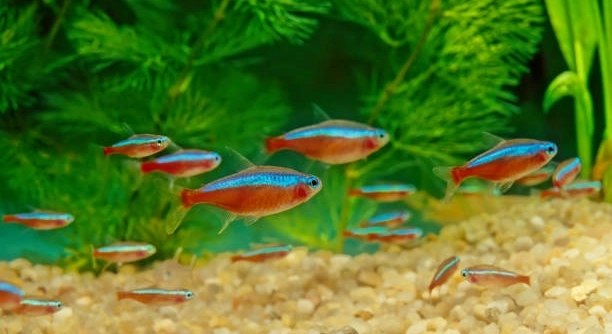
Neon Tetra Disease (NTD) is a common concern among aquarium hobbyists who keep Neon Tetras. It can affect the health of your fish and cause significant issues if not properly managed.
Neon Tetra Disease is a parasitic infection that affects Neon Tetras and other small aquarium fish. It is caused by the parasite Pleistophora hyphessobryconis, leading to symptoms such as discoloration, body lesions, and loss of coordination.
Recognizing the signs early and understanding how to prevent it can help protect your fish from harm. Keeping your aquarium environment stable and healthy is key to preventing the spread of this disease.
What Causes Neon Tetra Disease?
Neon Tetra Disease is caused by a microscopic parasite called Pleistophora hyphessobryconis. This parasite infects the fish’s muscle tissue, leading to symptoms like fading colors, abnormal swimming behavior, and lesions on the body. The disease is highly contagious, spreading easily in tanks with infected fish. The parasite thrives in environments where fish are stressed, weak, or immune-compromised. Stressors such as poor water quality, temperature fluctuations, or overcrowding increase the risk of infection. Once a fish becomes infected, it can be difficult to save it, and the parasite can spread quickly to other fish in the same tank.
Neon Tetra Disease is most commonly seen in infected fish bought from stores or those exposed to contaminated environments. Proper quarantine procedures can help prevent new fish from introducing the disease into an existing tank.
Maintaining a clean and healthy tank can go a long way in preventing infection. Regular water changes, proper filtration, and monitoring for signs of stress in your fish will help create a more resilient environment for your Neon Tetras. Reducing stress in your fish is key to keeping them healthy and free of parasites.
Signs of Neon Tetra Disease
One of the first signs of Neon Tetra Disease is a noticeable color change in the fish.
As the disease progresses, fish may develop a dark line along their body or experience loss of coordination. The disease leads to lesions and swelling of the muscle tissues, which can affect the fish’s ability to swim properly. Infected fish often lose their vibrant neon colors and appear dull or faded. Another indicator is erratic swimming patterns, as infected fish may swim in circles or dart around uncontrollably. Fish with advanced cases of Neon Tetra Disease may begin to show external lesions or sores, which can be a sign that the disease is becoming severe. If you notice these symptoms, it’s important to act fast to prevent the spread of the infection to other fish.
Taking action at the first sign of illness is crucial to protecting the rest of your fish. With proper care and early intervention, you may be able to help your infected fish recover and stop the disease from spreading.
How to Prevent Neon Tetra Disease
To prevent Neon Tetra Disease, it’s essential to maintain good aquarium practices.
Before adding new fish to your tank, always quarantine them for at least two weeks to ensure they are not carrying any parasites. This simple step can save your other fish from a potential outbreak. It’s also important to keep your tank clean and free of debris. Regular water changes help maintain proper water parameters, including temperature, pH, and hardness. Ensuring that your filtration system is functioning properly also helps keep harmful pathogens at bay.
Another key prevention tip is to avoid overcrowding your tank. Overcrowding leads to stress, making your fish more susceptible to diseases. When choosing companions for your Neon Tetras, make sure they are compatible in terms of temperament and environmental needs. Adding plants and hiding spots can also reduce stress and give your fish a sense of security. By following these simple steps, you can create a healthier environment that discourages the growth of harmful parasites.
Treatment Options for Neon Tetra Disease
Currently, there is no guaranteed cure for Neon Tetra Disease once it is contracted.
If caught early, some treatments may help manage symptoms. Antibacterial medications and antiparasitic treatments are commonly used to treat the infection. These can be found in most aquarium stores or online. It’s essential to follow the manufacturer’s instructions when using these treatments. However, these methods do not always guarantee a full recovery. Infected fish may still deteriorate despite medication, so prevention remains the best option. If symptoms worsen, it’s often best to humanely euthanize infected fish to avoid spreading the disease to others in the tank.
Quarantining the infected fish can help limit the parasite’s spread. Adding salt to the tank can sometimes help reduce stress, which may improve the fish’s chances of recovery. However, remember that the disease spreads quickly, so separating any sick fish immediately is vital.
How to Treat Neon Tetra Disease at Home
Treatment for Neon Tetra Disease at home involves isolating infected fish to prevent the spread of the parasite.
Begin by removing the infected fish from the main tank and placing them in a quarantine tank. This helps contain the disease and protect healthy fish. Use an anti-parasitic medication designed specifically for fish to help manage the symptoms. These medications target the parasite and can sometimes reduce the severity of the disease. It’s also important to maintain stable water conditions in the quarantine tank, as a stressed fish may not recover.
In some cases, adjusting the water temperature may help speed up the life cycle of the parasite, making it easier to treat. Raising the temperature slowly can encourage the parasite to mature, which allows for more effective treatment. However, increasing the temperature should only be done gradually to avoid further stressing the fish. You should also monitor the fish for any changes in behavior or physical appearance. If the fish shows no signs of improvement, it may be best to euthanize it to prevent further spread.
Is Neon Tetra Disease Contagious to Other Fish?
Yes, Neon Tetra Disease is highly contagious and can spread quickly among fish.
Once infected, a fish carries the parasite that causes the disease, which can easily spread to other fish in the tank. Contaminated water or contact with infected fish can transmit the parasite. It’s important to isolate sick fish immediately.
How to Maintain a Healthy Aquarium
To maintain a healthy aquarium, focus on water quality, temperature control, and regular tank maintenance.
Regular water changes are essential to prevent the buildup of toxins. Testing water parameters such as pH, ammonia, and nitrite levels helps ensure the tank environment is stable. Also, maintain the correct water temperature for your fish species, as fluctuating temperatures can cause stress. Use a good filtration system to help remove debris and toxins, ensuring a cleaner and safer environment. Keep the tank free from excess food, waste, and dead plants, as they contribute to poor water quality.
What to Do if You Suspect Neon Tetra Disease
If you suspect Neon Tetra Disease, act quickly to prevent its spread.
Isolate any fish showing symptoms in a separate quarantine tank. This will stop the parasite from infecting healthy fish in the main aquarium. You can treat the infected fish with medication designed for parasitic infections, but there is no guaranteed cure.
FAQ
Can Neon Tetra Disease affect other fish species?
Yes, while Neon Tetra Disease primarily affects Neon Tetras, it can also impact other species of small fish in the same family, like the Ember Tetra or other Characidae species. Larger fish are typically less susceptible, but they can still carry the parasite and pass it to smaller fish. It’s best to avoid mixing Neon Tetras with other small species unless you are sure they share similar care requirements and environmental needs.
How long does it take for Neon Tetra Disease to show symptoms?
Neon Tetra Disease symptoms usually appear within a few days to weeks after infection, depending on the fish’s overall health and immune system. Early signs may be subtle, such as fading color or slight changes in behavior. As the disease progresses, more obvious signs like muscle wasting and lesions appear. Stress can speed up the manifestation of symptoms, so it’s important to monitor your fish regularly.
Is there any way to prevent Neon Tetra Disease entirely?
Unfortunately, there is no foolproof way to prevent Neon Tetra Disease, but there are steps you can take to reduce the risk. Always quarantine new fish for at least two weeks before introducing them into your main tank. Keeping your aquarium clean, ensuring good water quality, and minimizing stress will also help keep your fish healthier and less prone to infections. Regularly monitor for early signs of illness to catch any issues before they become severe.
Can Neon Tetra Disease spread in a tank with live plants?
Yes, Neon Tetra Disease can spread even in tanks with live plants. While live plants help improve water quality by absorbing excess nutrients and providing hiding places for fish, they don’t prevent the spread of parasites. It’s still essential to practice good tank maintenance and isolate any infected fish promptly to reduce the chance of the disease spreading.
Is there a vaccine for Neon Tetra Disease?
No, there is currently no vaccine available to prevent Neon Tetra Disease. The best method for managing the disease is prevention through quarantine procedures and maintaining a healthy tank environment. Treatment options for infected fish are limited, and no medication can fully guarantee a cure once the fish has contracted the parasite.
What are the chances of survival if a fish is infected with Neon Tetra Disease?
The chances of survival largely depend on how early the disease is detected and the overall health of the fish. If caught early and treated promptly, some fish may recover, but there is no guaranteed cure. In many cases, the infection proves fatal, especially in advanced stages. The best approach is to remove infected fish to prevent further spread and to maintain good tank conditions to support the health of your remaining fish.
Can Neon Tetra Disease be cured with salt treatment?
Salt treatment may help alleviate some stress in infected fish and support their overall health, but it will not cure Neon Tetra Disease. Salt can help reduce irritation and possibly slow down the spread of the parasite, but it won’t eliminate it. The best course of action is to use anti-parasitic medications specifically designed for this type of infection.
How do I know if my fish has contracted Neon Tetra Disease?
Signs of Neon Tetra Disease include fading or dull coloration, abnormal swimming behavior, muscle wasting, and visible lesions or sores on the body. Infected fish may also swim erratically or have difficulty maintaining balance. If you notice any of these symptoms, it’s crucial to isolate the affected fish and begin treatment to minimize the spread of the disease.
Can I save my fish after it’s been infected with Neon Tetra Disease?
Once infected, recovery is challenging, and many fish do not survive the disease. If caught in the early stages, treatment with anti-parasitic medications may help. However, there is no guaranteed cure. It’s often more effective to focus on preventing the disease in the first place by maintaining healthy tank conditions and quarantining new fish before introducing them to your aquarium.
Is it safe to keep fish with Neon Tetra Disease in the same tank?
It is not safe to keep infected fish in the same tank. Neon Tetra Disease is highly contagious and can spread quickly to healthy fish. Isolate infected fish immediately in a separate quarantine tank to prevent the parasite from affecting others. It’s essential to monitor the water quality closely and treat the infected fish to reduce the spread of the disease.
Can Neon Tetra Disease reoccur in the same tank?
Once the parasite Pleistophora hyphessobryconis is introduced to the tank, the risk of reoccurrence is always present, especially if proper precautions aren’t followed. Even if infected fish are removed, the parasite can remain in the tank for a while, especially in tanks with poor water quality. Regular maintenance, isolation of sick fish, and good quarantine practices will help reduce the chances of re-infection.
Should I remove all fish from the tank if one fish has Neon Tetra Disease?
It’s not always necessary to remove all fish from the tank unless several fish are infected. If only one fish shows symptoms, you can remove it to a quarantine tank for treatment and observe the rest of the fish closely. However, if multiple fish start showing symptoms, it’s better to isolate all potentially affected fish to prevent the disease from spreading.
Final Thoughts
Neon Tetra Disease can be a serious issue for aquarium owners, especially those who keep Neon Tetras or similar species. The disease is caused by a parasitic infection that can spread quickly in a tank, affecting the health of your fish. It can lead to fading colors, muscle loss, and abnormal swimming behavior, often resulting in the death of the infected fish. While there is no guaranteed cure, early detection and treatment can sometimes help reduce the severity of the disease. However, prevention remains the best strategy for keeping your fish healthy.
To prevent Neon Tetra Disease, it’s essential to maintain a clean and stable tank environment. Regular water changes and monitoring the water quality will help keep harmful bacteria and parasites at bay. Quarantining new fish for at least two weeks before introducing them into your main tank is another important step to avoid introducing any parasites. Stress is another factor that makes fish more vulnerable to diseases, so it’s crucial to avoid overcrowding and ensure your fish have enough space and a stress-free environment. Healthy fish are better able to fight off infections, so taking steps to reduce stress will improve their overall well-being.
If your fish do show signs of Neon Tetra Disease, it’s important to act quickly. Isolate the infected fish and consider using medications designed for treating parasitic infections. While treatments can help, there is no cure for the disease once it has progressed too far. In many cases, infected fish will not recover fully, and it’s often recommended to humanely euthanize them to prevent further spread. With the right care and preventive measures, you can help your fish stay healthy and protect your tank from future outbreaks of Neon Tetra Disease.

Hello,
If you enjoy the content that we create, please consider saying a "Thank You!" by leaving a tip.
Every little bit helps us continue crafting quality advice that supports the health, happiness, and well-being of pets around the world, for pets of all shapes, sizes, and species.
We really appreciate the kindness and support that you show us!