
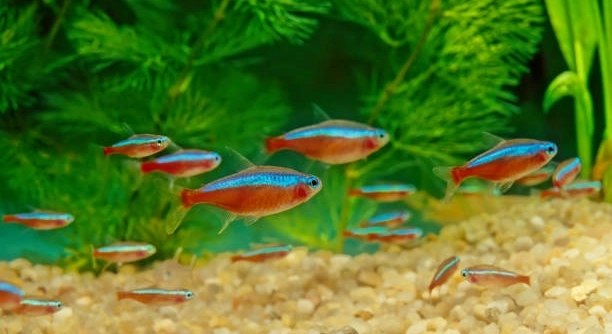
Have you ever watched your neon tetras play in the tank and wondered if they enjoy the bubbles coming from your air stone?
Neon tetras do not require bubbles to thrive, but they can benefit from them when bubbles improve oxygen levels and water circulation. Proper aeration helps maintain a stable environment and supports their overall health in the aquarium.
Learning how to manage aeration correctly can help keep your neon tetras active, stress-free, and living comfortably in their aquatic home.
Do Neon Tetra Like Bubbles in Their Tank?
Bubbles in an aquarium can be visually calming, but when it comes to neon tetras, their response depends on how the bubbles are used. These small fish are used to calm, slow-moving waters in their natural habitat. Excessive bubbling may cause stress, especially if it creates strong currents. However, bubbles that come from a properly placed air stone or sponge filter can be beneficial. When used moderately, they help with oxygenation and water circulation, both of which support a healthy environment. It’s important to monitor their behavior—if the fish are hiding more or swimming erratically, the bubbles may be too intense. Keep things gentle and consistent. A quiet, well-oxygenated tank suits neon tetras best, and soft bubbling from an air stone can contribute to this balance without overwhelming them.
Watch how your tetras react when you add bubbles—calm swimming is a good sign that they’re comfortable.
Focus on slow, steady bubbling that promotes oxygen flow without disrupting your tank’s setup. This keeps the fish relaxed while helping maintain a healthy balance in the water. Strong bubbling isn’t needed, and often does more harm than good. Aim for a gentle stream that doesn’t push the fish around or stir the substrate too much.
Best Aeration Tips for a Neon Tetra Tank
Use sponge filters or air stones for soft, even bubble distribution. This supports water movement without stressing your fish or disturbing plants.
Keep the tank size, number of fish, and plant density in mind when setting up aeration. Smaller tanks with lots of plants and few fish may not need extra bubbles at all. However, in medium to large tanks with more stock and fewer live plants, gentle aeration becomes more useful. Sponge filters work well for neon tetras because they filter and aerate at the same time, and they don’t create strong currents. Place the air stone or sponge filter at one end of the tank to allow for even water circulation. Also, check your equipment regularly. Clean the air stone or filter sponge as part of your routine maintenance so it doesn’t get clogged. Always observe how your fish respond to changes—if they seem calmer and swim normally, your aeration setup is likely working just fine.
How to Tell if Your Neon Tetra Likes the Bubbles
If your neon tetra likes the bubbles, it will swim calmly around the area without signs of stress. Smooth swimming patterns, active behavior, and balanced gill movement are all signs that the aeration level is working well.
Stress in neon tetras can show up through quick darting, hiding in corners, or avoiding the bubble stream altogether. If you notice these behaviors shortly after adjusting your aeration, it may be too strong. Another indicator is their position in the tank—if they are constantly at the bottom or the very top, they might be struggling with oxygen levels or feeling pushed by water movement. Always look for consistency in their habits. A calm, evenly active tetra is a good sign. Watch how they interact with the bubbled area, and if they swim through it comfortably, it usually means the setup is appropriate and non-disruptive.
Check for overactive gill movement or excessive surface breathing. These are signs that something might be off. Bubbles that disturb the tank’s layout, especially light plants or substrate, can also make the fish feel insecure. Keep your setup stable. Adjust airflow slowly, and avoid sudden changes in bubble strength. Balance is key in creating a peaceful and well-oxygenated environment. It’s more about gentle support than constant motion. When done right, bubbles should enhance the tank, not dominate it.
Best Bubble Placement for Calm Neon Tetras
Place the air stone or sponge filter where the current won’t push your tetras around. A back corner or behind decorations often works best for soft diffusion.
Avoid placing bubbles in open swimming areas or near floating plants where neon tetras like to rest. The goal is to provide oxygen without disrupting their preferred spaces. Tuck the air stone behind driftwood or tall plants to soften the flow. This creates a safe zone for the bubbles to work without overwhelming the fish. Sponge filters are ideal for this because they stay gentle and offer surface movement without strong bursts. If you’re using a regular air stone, control the airflow with an adjustable valve. You want the bubbles to rise in a soft, steady stream. Placement near the filter return can also help spread oxygen without concentrating too much flow in one spot. Keep the tank quiet and stable to support natural, low-stress behavior.
How Much Aeration Is Too Much?
If the bubbles are forceful enough to move your fish around or stir up gravel, it’s too much. Neon tetras prefer gentle, slow-moving water. High bubble output can stress them out and disrupt the tank’s balance.
Strong aeration can also cause too much surface agitation, leading to excessive evaporation and temperature changes. This creates unstable conditions that may affect your fish over time. Watch for unusual behavior and adjust airflow until the tank feels calm and steady again.
Do Neon Tetra Need Bubbles If You Have a Filter?
If your filter provides enough surface agitation and water movement, extra bubbles may not be necessary. Most hang-on-back or canister filters already create sufficient oxygen exchange at the surface. In lightly stocked tanks with good filtration and live plants, natural oxygen levels may stay within a safe range for neon tetras. However, in warm tanks or tanks with minimal surface movement, a gentle air stone can add a helpful boost. Bubbles aren’t harmful when used in moderation. If your fish appear active and calm without them, there’s likely no need to add more. Focus on keeping the tank clean, quiet, and balanced.
Should You Leave Bubbles on All the Time?
It’s fine to keep bubbles running continuously, as long as they’re not too strong. Constant gentle aeration helps keep the oxygen level steady, especially at night when plants take in oxygen instead of releasing it.
FAQ
Do neon tetras need an air pump?
Neon tetras don’t require an air pump if the tank has proper filtration. A filter that agitates the surface gently can provide enough oxygen exchange. However, if the tank has minimal surface movement or fewer plants, an air pump can help oxygenate the water more effectively. A sponge filter is a good alternative since it both filters and aerates the tank.
Can too many bubbles harm neon tetras?
Yes, too many bubbles can create strong currents that stress neon tetras. They prefer slow-moving water, and excessive bubbling can make them feel insecure or trapped in a constant flow. It’s best to use moderate bubbling or gentle aeration. If you notice your fish hiding or swimming erratically, consider adjusting the airflow.
How can I create gentle bubbles in my tank?
To create gentle bubbles, use an adjustable air pump connected to an air stone or sponge filter. These devices allow you to control the intensity of the bubbles, preventing too strong of a current. Position the air stone in a corner or behind plants to diffuse the bubbles evenly without disturbing your fish.
What is the best water temperature for neon tetras with aeration?
Neon tetras prefer water temperatures between 70°F and 81°F (21°C to 27°C). Ensure that the temperature stays stable, even with aeration. Too much current from bubbles can cause temperature fluctuations, so it’s important to balance aeration with a consistent tank environment. A heater with a thermostat can help maintain steady warmth.
Do neon tetras need a lot of oxygen?
Neon tetras are small fish that can live in lower oxygen levels than some other species, but they still require a well-oxygenated environment for optimal health. Aeration can help if your tank lacks surface movement or if you have more fish than the filtration system can handle. Ensure the water is always clean and well-circulated to meet their needs.
Can a sponge filter provide enough aeration for neon tetras?
Yes, sponge filters are an excellent choice for neon tetras. They provide gentle water movement, which is ideal for smaller fish like neon tetras. The sponge filter also helps oxygenate the water without creating strong currents. This ensures that the tank’s oxygen level is sufficient without disturbing the tetras’ preferred calm environment.
Should I turn off aeration at night?
In most cases, it’s better to leave aeration on during the night to maintain oxygen levels. Plants consume oxygen at night, so having an air stone or sponge filter running helps keep the oxygen in the water stable. However, if you notice that the bubbles cause excessive water movement at night, you may need to reduce the flow or adjust the placement.
Do neon tetras prefer a planted tank with aeration?
Yes, neon tetras enjoy planted tanks because plants help with oxygen exchange and provide hiding spots, reducing stress. In these types of tanks, aeration can still be beneficial, especially if you don’t have a strong filter that moves the water’s surface. Moderate aeration helps maintain water circulation and prevents stagnation.
How can I avoid stressing my neon tetras with bubbles?
To avoid stressing neon tetras, ensure the bubbles are gentle and well-diffused. Place the air stone or sponge filter in an area of the tank where the current will not push the fish around. Avoid using strong air pumps that create excessive movement. Also, monitor the tetras’ behavior; if they appear stressed, reduce the airflow.
Can aeration help with water quality in a neon tetra tank?
Yes, proper aeration helps maintain good water quality by ensuring proper oxygenation and water circulation. This helps beneficial bacteria break down waste more efficiently and prevents the build-up of harmful substances like ammonia. Aeration also prevents water stagnation, ensuring that the tank stays cleaner and healthier for your neon tetras.
How often should I clean the air pump or air stone in my neon tetra tank?
It’s important to clean the air pump and air stone regularly to prevent clogging. Ideally, clean the air stone every 2-4 weeks, depending on how much buildup occurs. Check the air pump every month to make sure it’s working properly. A clean air stone will diffuse bubbles more effectively, keeping the water oxygenated without disturbing the fish.
Is it better to use an air pump or sponge filter for neon tetras?
Sponge filters are generally better for neon tetras because they provide both filtration and gentle aeration. The soft current created by a sponge filter is ideal for small fish like neon tetras. Air pumps with air stones can work as well, but they often create stronger currents. Sponge filters maintain a calmer, more stable environment, which is preferred by neon tetras.
Do I need to adjust aeration if my tank is heavily planted?
If your tank is heavily planted, you may not need strong aeration. Plants naturally produce oxygen during the day, and their movement can help circulate the water. However, during the night, plants consume oxygen, so it’s important to maintain some level of aeration to ensure oxygen levels stay adequate for your neon tetras.
How can I know if my neon tetras are not getting enough oxygen?
Signs of low oxygen levels include fish gasping at the surface, lethargy, or swimming near the filter outflow in search of more oxygen. If you notice these behaviors, it’s a good idea to check your aeration system. You can increase aeration by adding a sponge filter, adjusting the flow of your air pump, or improving tank circulation.
Can I use aeration to help with algae control in a neon tetra tank?
While aeration won’t directly control algae, it can help maintain water circulation, which reduces stagnant areas where algae thrive. Combined with good filtration and regular water changes, proper aeration can help keep your tank clean and prevent algae from becoming a problem. Algae growth is more often linked to nutrient levels and light exposure, so managing those factors is key.
Is aeration important for neon tetras in a tank with low stocking density?
In a tank with low stocking density, aeration may not be as critical. Low fish populations typically result in fewer waste products, so the oxygen levels are less likely to be depleted. However, if you have plants that require oxygen or if the water temperature is high, aeration can still help maintain optimal conditions.
Final Thoughts
When it comes to caring for neon tetras, providing the right environment is key. While these fish are generally hardy and adaptable, their small size and delicate nature make them sensitive to water conditions. Aeration plays a vital role in maintaining proper oxygen levels and water movement, but it’s important to strike the right balance. Too much aeration can create stress by disrupting the calm environment they prefer. On the other hand, insufficient aeration can lead to low oxygen levels, which can negatively affect their health. Observing your fish and making adjustments to the airflow as needed can ensure that they thrive in their tank.
A gentle, consistent flow of bubbles can mimic the natural conditions neon tetras experience in their native habitats. The best approach is to use a sponge filter or air stone that provides gentle aeration without creating strong currents. These devices help keep oxygen levels stable and provide filtration at the same time. Additionally, plants in the tank can assist with oxygen production during the day. During the night, when plants take in oxygen, it’s especially important to maintain moderate aeration to avoid depletion.
Remember, neon tetras are most comfortable in a peaceful and stable environment. While aeration is essential, it’s equally important to maintain good water quality through proper filtration, regular water changes, and a balanced tank setup. By keeping the tank conditions stable and adjusting the aeration as necessary, your neon tetras can enjoy a healthy and stress-free life. Proper aeration, along with good tank care, will help create the ideal environment for these beautiful fish to thrive.

Hello,
If you enjoy the content that we create, please consider saying a "Thank You!" by leaving a tip.
Every little bit helps us continue crafting quality advice that supports the health, happiness, and well-being of pets around the world, for pets of all shapes, sizes, and species.
We really appreciate the kindness and support that you show us!