
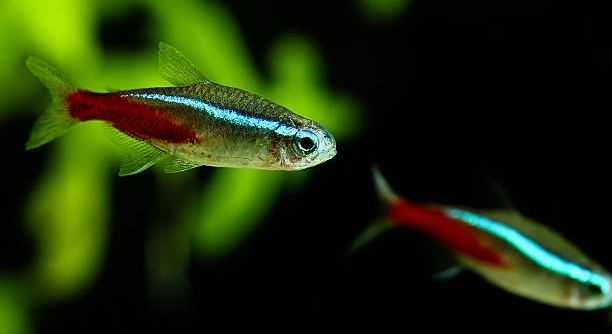
Cloudy water in your neon tetra tank can be frustrating, but understanding the cause is the first step in fixing the problem. Many factors can lead to a cloudy aquarium, including improper filtration or water imbalances.
The cloudiness in your neon tetra tank is most commonly caused by bacterial blooms, excess debris, or poor filtration. These issues can occur due to overfeeding, inadequate tank cleaning, or changes in water chemistry, impacting the overall tank environment.
Addressing the root cause of the cloudiness is key. By making adjustments to your tank maintenance routine and water quality, you can clear up the water and keep your neon tetras healthy and happy.
Common Causes of Cloudy Water in Your Neon Tetra Tank
Cloudy water can stem from several factors, and understanding each one can help you clear it up quickly. The most common reasons are poor water quality, overfeeding, and an inadequate filtration system. When your tank isn’t cleaned regularly, leftover food and fish waste can cloud the water. Also, overfeeding increases the amount of organic matter in the tank, which can lead to water cloudiness. Another issue is a filter that isn’t strong enough or is clogged with debris, which can prevent it from keeping the water clean. Identifying the root cause of the cloudiness will help you take the necessary steps to clear up the tank and keep your neon tetras healthy.
A sudden change in the tank’s environment can also lead to cloudy water. For instance, when you first set up your tank, a bacterial bloom may occur as the new tank stabilizes. This can cause the water to turn cloudy for a short period before it clears up on its own.
Regular water changes, proper filtration, and keeping an eye on feeding habits can help prevent future cloudiness. It’s important to stay on top of these factors to maintain the health of your tank.
How to Identify the Type of Cloudiness
Understanding the type of cloudiness in your tank is the next step to solving the problem. If the cloudiness appears white or milky, it’s often due to a bacterial bloom, which happens when there is an excess of nutrients in the water. If it’s green, it could be caused by algae growth. This is usually the result of too much light and excess nutrients in the water.
In some cases, cloudy water may be due to suspended particles such as sand or gravel dust, especially when a new tank has just been set up. The water can look cloudy for a few days while the particles settle. This type of cloudiness will clear up on its own once the dust has settled, but it’s important to test the water and ensure proper filtration is in place.
Testing your water regularly for pH, ammonia, nitrites, and nitrates can help pinpoint the issue and guide you toward the correct solution.
Fixing Cloudy Water from Bacterial Blooms
Bacterial blooms are one of the most common causes of cloudy water. When there is an excess of organic matter, bacteria multiply rapidly, making the water look cloudy or murky. If this is the issue, you may notice the cloudiness is temporary and will clear up once the bacteria have eaten up the nutrients. However, if the problem persists, it could indicate that there is too much waste in the tank or that the filter is not working properly.
To address this, begin by performing a partial water change to reduce excess nutrients. Remove any uneaten food from the tank and clean the substrate regularly. Check your filter to ensure it’s working properly and is free from debris. You may also need to increase aeration in the tank, as good oxygen levels can help prevent bacteria from growing too quickly. Over time, the bacterial bloom should clear up, and the water will return to its normal state.
Ensuring proper filtration and reducing excess food or waste in the tank will help prevent this issue in the future. If the cloudiness persists despite these efforts, consider seeking help from an aquarium professional to assess your tank setup.
Preventing Cloudy Water in the Future
To keep your tank clear in the future, it’s important to focus on proper maintenance and water quality. Performing regular water changes, cleaning your filter, and monitoring the tank’s waste levels can help you avoid problems with cloudiness. Be mindful not to overfeed your fish, as leftover food breaks down and adds to the organic waste that can cause bacterial blooms.
Keeping a consistent cleaning routine will also help maintain the overall health of your tank. Don’t forget to check the water temperature, pH, and oxygen levels regularly. If your water is consistently cloudy, it could be an indicator that something in your tank setup needs adjusting.
By paying attention to the quality of water and making small adjustments, your tank can stay clear and healthy for both you and your neon tetras.
Overfeeding Your Neon Tetras
Overfeeding is a common issue that leads to cloudy water. When too much food is given, leftovers break down, creating excess nutrients. These nutrients feed bacteria, leading to a bacterial bloom. It’s best to feed your neon tetras only what they can eat in a few minutes. Remove uneaten food after feeding to prevent it from decaying in the tank.
To avoid overfeeding, keep track of your feeding schedule and portion sizes. If you’re unsure how much food to give, start with a small amount and observe how much they consume. If food consistently remains after feeding, reduce the amount. This will also help keep the tank cleaner and the water clearer.
It’s easy to assume your fish need more food, but feeding them too much can cause a buildup of organic matter in the tank. Stick to a feeding routine and consider using a feeding ring to control how much food is accessible to your fish. This simple step can make a huge difference in maintaining clean water.
Improper Filtration System
A weak or clogged filtration system is a leading cause of cloudy water. Filters are essential in removing debris, waste, and excess particles from the tank. If your filter is too small for the size of your tank or if it’s clogged with waste, it won’t be able to keep the water clear. It’s important to choose a filter that’s appropriate for your tank’s size and needs.
Clean your filter regularly to ensure it’s working efficiently. A clogged filter will push debris back into the tank, worsening the water quality. Check the filter media for blockages and replace it when necessary. Also, keep an eye on the flow rate of the filter to ensure it’s strong enough to handle your tank’s water volume. If the flow is too weak, consider upgrading to a more powerful filter.
In addition, a filter with biological filtration will help control ammonia and nitrites, preventing further water quality issues. Regular maintenance of your filtration system will help avoid cloudy water and improve the overall health of your tank.
Water Quality Issues
Poor water quality is one of the biggest reasons your tank may become cloudy. High levels of ammonia, nitrites, and nitrates can trigger bacterial blooms. Testing the water regularly for these toxins will help you identify if water quality is to blame. If these levels are high, take immediate action.
To improve water quality, perform partial water changes, clean the substrate, and ensure your filter is running properly. Adding live plants can also help absorb excess nutrients. Keeping the tank’s water parameters in check will reduce the chances of cloudy water and maintain a healthier environment for your neon tetras.
Algae Growth
Algae growth is another common cause of cloudy water, especially if your tank gets too much light. Algae thrive when there are excess nutrients, like nitrates, in the water. Reducing light exposure and keeping nutrient levels balanced can prevent this from happening.
Controlling algae growth is all about maintaining a balance. Limit the amount of direct sunlight your tank receives, and use a timer for artificial lights. Regularly remove visible algae from the glass, decorations, and substrate. Additionally, avoid overfeeding to prevent nutrient buildup.
Suspended Particles in the Water
Suspended particles, like dust from new gravel or sand, can temporarily cloud the water. This is especially common when setting up a new tank. As these particles settle, the water should clear on its own.
If the cloudiness persists, make sure your filter is properly set up to catch these particles. You may need to increase the water flow or use a fine filter media to help trap the small particles. Regular water changes will also assist in clearing the water faster.
FAQ
What can I do if my neon tetra tank is cloudy after a water change?
It’s not uncommon for tanks to become cloudy after a water change, especially if you’ve disturbed the substrate. The cloudiness may be caused by fine particles of sand or gravel being stirred up. If this is the case, the cloudiness should clear up on its own within a day or two. However, if the water remains cloudy for longer, you might want to check your filter to ensure it’s working properly. Sometimes, the filter may need a cleaning or the water quality may need further adjustment. Perform another partial water change and make sure your filter is running effectively.
How long does it take for cloudy water to clear up?
The length of time it takes for cloudy water to clear up depends on the cause. If it’s due to a bacterial bloom, the water could clear in a few days as the bacteria consume the excess nutrients. For algae-related cloudiness, it may take longer to see results as the algae is removed. If suspended particles are causing the issue, it should clear up within a couple of days after a good cleaning. Regardless of the cause, consistent water changes, proper filtration, and regular maintenance will help speed up the process.
Can I use chemicals to clear up cloudy water?
While there are chemical water clarifiers available, they should be used cautiously. Chemicals can temporarily clear up the water, but they don’t address the root cause of the cloudiness. For example, they won’t fix poor filtration or overfeeding. Relying on chemicals too often can also harm your tank’s ecosystem, especially if overused. It’s better to focus on improving tank maintenance and water quality to prevent recurring cloudiness. If you do choose to use a clarifier, follow the instructions carefully to avoid harming your fish or plants.
Why does my tank get cloudy after adding new fish?
Adding new fish can sometimes cause cloudy water due to a disruption in the tank’s balance. New fish often bring additional waste, which can lead to a temporary bacterial bloom or excess nutrients in the water. It’s important to quarantine new fish for a few weeks before introducing them to your main tank to ensure they don’t introduce any harmful bacteria or parasites. If the cloudiness is caused by an increase in waste, perform a partial water change and monitor water parameters to keep them in check.
Should I stop feeding my neon tetras when the water is cloudy?
It’s a good idea to reduce feeding during cloudy water situations, especially if overfeeding is the cause. Leftover food that isn’t eaten contributes to excess waste, which can make the water even cloudier. You can cut back on feeding for a few days to allow the filter and bacteria to work on clearing up the water. However, you don’t need to stop feeding altogether. Just ensure you’re providing the right amount of food that your fish can consume within a few minutes. Always remove any uneaten food after feeding.
Can cloudy water harm my neon tetras?
Cloudy water doesn’t directly harm neon tetras, but it can cause stress. If the cloudiness is caused by poor water quality, such as high ammonia or nitrite levels, it can lead to health problems for your fish. Long-term exposure to these toxins can weaken their immune systems and make them more susceptible to disease. Additionally, if the cloudiness is from a bacterial bloom, it might reduce oxygen levels, making it harder for your fish to breathe. Regular water testing, maintenance, and addressing the root cause of the cloudiness will keep your fish safe.
How can I prevent cloudy water in the future?
Preventing cloudy water comes down to good tank maintenance and monitoring water parameters regularly. Perform partial water changes every week to maintain water quality and remove excess waste. Keep your filter clean and ensure it’s appropriately sized for your tank. Avoid overfeeding and remove any uneaten food promptly. Test your water regularly for ammonia, nitrites, and nitrates, and adjust your tank’s setup if needed. Using a good filtration system and limiting light exposure can also help reduce algae growth. By following these steps, you’ll minimize the chances of cloudy water.
Is cloudy water a sign of a serious problem?
Cloudy water doesn’t always indicate a serious problem, but it can signal an underlying issue that needs attention. If the cloudiness is caused by a bacterial bloom, it’s usually temporary and will clear up on its own. However, persistent cloudiness may indicate poor water quality, a problem with your filtration system, or overfeeding. If you notice that the water stays cloudy for an extended period, it’s important to test your water parameters and address the issue promptly to avoid long-term problems for your fish.
Can a UV sterilizer help with cloudy water?
A UV sterilizer can help clear up cloudy water caused by bacteria or algae. It works by using ultraviolet light to kill microorganisms in the water, helping to eliminate the cloudiness. However, UV sterilizers are not a cure-all and should not replace proper tank maintenance. It’s essential to address the root cause of the cloudiness, such as poor filtration or overfeeding, while using a UV sterilizer as a supplement. It can be especially useful if the cloudy water is caused by a persistent bacterial bloom or algae problem.
How do I clean my tank to prevent cloudy water?
Regular cleaning is key to preventing cloudy water. Start by removing any uneaten food after feeding. Vacuum the substrate during water changes to remove debris, and clean the decorations and tank walls regularly. Make sure your filter is clean and functioning properly. Check the filter media and rinse it with aquarium water to avoid killing beneficial bacteria. Keeping the tank clean and the water parameters stable will help prevent cloudiness and maintain a healthy environment for your neon tetras.
Final Thoughts
Cloudy water in your neon tetra tank can be a frustrating issue, but it’s usually not something to worry about long-term. Identifying the cause of the cloudiness is the first step in solving the problem. Whether it’s due to overfeeding, poor filtration, or water quality issues, there are simple steps you can take to clear up the water and prevent it from happening again. Regular maintenance and monitoring your tank’s environment are essential in keeping your aquarium clean and healthy.
Keeping your tank in good shape doesn’t require much effort but does require consistency. Regular water changes, cleaning the substrate, and maintaining your filter will help you avoid the buildup of waste that can lead to cloudy water. Additionally, being mindful of how much you feed your fish will ensure that uneaten food doesn’t add to the problem. Testing your water for key parameters such as ammonia, nitrites, and nitrates will help you spot issues before they cause bigger problems. The more you stay on top of these tasks, the less likely you’ll face recurring cloudiness.
Ultimately, the health of your neon tetras depends on the quality of the water they live in. Keeping a clean tank and making adjustments when necessary ensures they stay happy and healthy. While it may take some time for the water to clear up, the right approach will help restore balance to your tank and prevent future issues. By understanding the causes of cloudy water and addressing them effectively, you can enjoy a clear and vibrant aquarium for both you and your fish.

Hello,
If you enjoy the content that we create, please consider saying a "Thank You!" by leaving a tip.
Every little bit helps us continue crafting quality advice that supports the health, happiness, and well-being of pets around the world, for pets of all shapes, sizes, and species.
We really appreciate the kindness and support that you show us!