
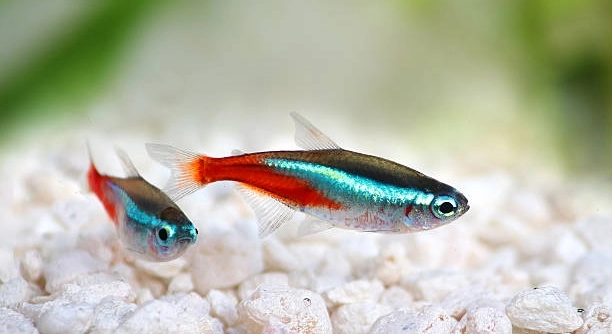
Neon Tetras are small, colorful fish popular in home aquariums. If you’re thinking of adding them to your tank, it’s important to know a few things. Understanding their care requirements will ensure they thrive in their new environment.
Neon Tetras require a stable, well-maintained aquarium with specific water conditions, diet, and tank mates. They prefer soft, slightly acidic water, and they thrive in groups of six or more. Their care can be simple when proper conditions are met.
By understanding these basic needs, you’ll be better prepared to provide a healthy home for your Neon Tetras. Their lively nature and vibrant colors make them a great addition to your tank.
Neon Tetra Tank Setup
Neon Tetras thrive in well-maintained tanks, so it’s essential to set up an environment that suits their needs. The tank should have soft, slightly acidic water, ideally between 70-81°F (21-27°C). A tank size of at least 10 gallons is recommended for a small group. You’ll also need to add a good filtration system to keep the water clean, but avoid strong currents that can stress the fish. Adding plants, rocks, and hiding spots is beneficial, as it mimics their natural habitat. They prefer dim lighting and an environment with plenty of hiding places to feel safe. Make sure to cycle the tank before adding fish to avoid any harmful bacteria.
Neon Tetras are peaceful, so it’s important to choose compatible tank mates. Avoid aggressive species, as they may stress or harm your Tetras. Other small, peaceful fish, like Corydoras or Otocinclus, are ideal tank mates.
Creating a tank setup for your Neon Tetras doesn’t need to be complicated, but it does require attention to detail. When the conditions are just right, you’ll notice their vibrant colors and active behavior. They need stable, clean water and a safe environment to flourish. Don’t forget to keep the water parameters within the ideal range and maintain your tank regularly to ensure their health.
Neon Tetra Diet
Neon Tetras are not picky eaters, but they need a well-balanced diet to stay healthy. Feed them a variety of foods, such as high-quality flakes, pellets, and frozen or live foods like brine shrimp or daphnia. Offering different foods helps ensure they get the nutrients they need. Feed them small amounts two to three times per day, but avoid overfeeding. Excess food can pollute the water and cause health problems.
Neon Tetras also appreciate live plants in their tank, as they may nibble on algae or small invertebrates. However, their main diet should consist of protein-rich foods and plant-based flakes. Keeping a regular feeding schedule will help keep them active and vibrant.
Neon Tetra Water Conditions
Neon Tetras require stable water conditions to thrive. The water should be soft, with a pH level between 6.0 and 7.0. Temperature should remain consistent, ideally between 70-81°F (21-27°C). Regular water changes of 25-30% every two weeks will help maintain a healthy environment.
To achieve proper water conditions, invest in a quality water testing kit. Test the water frequently to ensure pH, ammonia, nitrite, and nitrate levels are within safe limits. Avoid sudden changes in temperature, as they can stress the fish and lead to health issues. A reliable filter will also help keep the water clean.
Maintaining the right water parameters is crucial for the well-being of your Neon Tetras. Be sure to monitor water quality regularly, as fluctuations can negatively impact their health. Additionally, make sure the tank has proper aeration, as good oxygen levels will benefit the fish. Keeping the water clean and stable will allow your Neon Tetras to live a long, vibrant life.
Neon Tetra Tank Mates
Neon Tetras are peaceful and can coexist with other small, calm fish. Suitable tank mates include other non-aggressive species, such as Corydoras catfish, Otocinclus, and shrimp. Avoid aggressive fish, which can stress or harm the Tetras.
When selecting tank mates, it’s important to consider both temperament and size. Neon Tetras are small and should not be kept with larger or predatory fish that could eat them. Species like guppies, small rasboras, and dwarf gouramis work well. They also enjoy being in groups, so you should keep them in schools of at least six.
Choosing compatible tank mates will create a peaceful, balanced aquarium. By selecting fish that share similar water requirements and calm behavior, your Neon Tetras will thrive without stress or territorial disputes. Always do research on any species you plan to introduce to your tank.
Neon Tetra Lifespan
Neon Tetras typically live for 5 to 10 years with proper care. Their lifespan depends on water conditions, diet, and overall tank maintenance. A well-kept aquarium helps them reach their full potential.
To maximize their lifespan, provide them with a stable environment, clean water, and a balanced diet. Avoid sudden changes in water temperature or quality, as this can shorten their lives. A stress-free tank with compatible tank mates will also contribute to their longevity.
Proper care and attention can help your Neon Tetras live long, healthy lives. Keeping their environment stable and free from stress is key to ensuring their well-being for years to come.
Common Neon Tetra Health Issues
Neon Tetras are generally hardy fish but can experience health problems, especially if water quality is poor. Common issues include ich (white spot disease), fin rot, and neon tetra disease. Regular water testing and maintaining clean water can prevent many of these issues.
If you notice signs of illness, such as faded colors, abnormal swimming, or loss of appetite, it’s essential to act quickly. Quarantine the affected fish to prevent the spread of disease. Consult an aquarium professional or veterinarian if symptoms persist.
Prevention is always better than treatment, so maintain a clean tank, avoid overcrowding, and feed a balanced diet to keep your Neon Tetras healthy.
Neon Tetra Breeding
Breeding Neon Tetras in captivity can be challenging, but it’s possible with the right setup. To encourage breeding, provide a separate breeding tank with soft, acidic water and dim lighting. A temperature of around 75°F (24°C) works best.
To induce breeding, introduce a male-female pair into the tank, and ensure the water conditions are optimal. When ready, the female will lay eggs on plants or tank decorations. After spawning, remove the parents to prevent them from eating the eggs.
Breeding Neon Tetras is rewarding but requires patience and careful attention to detail. With the right environment, they can successfully reproduce.
FAQ
How many Neon Tetras should I keep together?
Neon Tetras are schooling fish, meaning they feel safest in groups. It’s recommended to keep at least six Neon Tetras together, though larger groups are even better. A group of six will allow them to show their natural behavior, which includes swimming in synchronized patterns. Keeping them in a group will also reduce stress and improve their overall health. If kept alone or in too small a group, they may become skittish and hide more often.
What size tank do Neon Tetras need?
Neon Tetras are small, but they still need space to swim. A 10-gallon tank is the minimum size for a small school of Neon Tetras. However, larger tanks are always better as they provide more room for the fish to move around, and it’s easier to maintain stable water conditions. A larger tank also gives you more flexibility for adding other peaceful fish as tank mates.
Can Neon Tetras live with other fish?
Yes, Neon Tetras are peaceful and can live with many other species. They get along well with small, non-aggressive fish such as Corydoras, Rasboras, and certain types of shrimp. Avoid keeping them with larger, aggressive fish that might view them as prey. It’s essential to choose tank mates with similar water requirements and temperaments.
What should I feed my Neon Tetras?
Neon Tetras are omnivores and can eat a variety of foods. You can feed them high-quality flakes or pellets designed for small tropical fish. Supplement their diet with frozen or live foods, such as brine shrimp or daphnia. Be sure to feed them small amounts two to three times a day, and remove any uneaten food to avoid water pollution. A varied diet ensures they get all the nutrients they need for vibrant color and energy.
How do I maintain water quality for Neon Tetras?
Water quality is crucial for Neon Tetras. Regular water changes of 25-30% every two weeks help keep the tank clean. Use a good filtration system to maintain water clarity and remove excess waste. Test the water regularly for ammonia, nitrites, nitrates, and pH. Keeping the water soft with a pH between 6.0 and 7.0 and a temperature of 70-81°F (21-27°C) is ideal. Avoid overfeeding, as excess food can lead to poor water quality.
Are Neon Tetras easy to breed?
Breeding Neon Tetras in captivity can be difficult but is not impossible. They need very specific water conditions to breed successfully. A separate breeding tank with soft, acidic water, dim lighting, and a temperature around 75°F (24°C) will help trigger breeding. When a female is ready to spawn, she will lay eggs on plants or other surfaces. After breeding, the parents should be removed to prevent them from eating the eggs. With the right setup and patience, breeding can be a rewarding experience.
Why are my Neon Tetras not swimming together?
If your Neon Tetras are not schooling, it could be a sign of stress or discomfort in their environment. Check the water parameters, such as temperature, pH, and ammonia levels, to ensure they are within the ideal range. If the water quality is poor, the fish may become skittish and avoid schooling. Ensure your tank is not overcrowded, as too many fish can cause stress. Additionally, try adding more Neon Tetras to encourage group behavior. Sometimes, introducing a few more members to the school can help restore natural behavior.
What are the signs of illness in Neon Tetras?
Neon Tetras are generally hardy, but like all fish, they can fall ill. Common signs of illness include faded colors, loss of appetite, erratic swimming, or abnormal behavior. If your Tetra is rubbing against objects or has visible white spots on its body, it could have ich (white spot disease). Other symptoms of illness may include fin rot, bloating, or lethargy. If you notice these signs, it’s best to quarantine the sick fish and treat it promptly. Always check water parameters, as poor water quality is often the cause of illness.
Can Neon Tetras live with shrimp?
Yes, Neon Tetras can live with most shrimp species. In fact, they often coexist well with small, peaceful shrimp like Cherry Shrimp, Ghost Shrimp, or Amano Shrimp. They may occasionally nibble on shrimp, but they usually won’t cause significant harm to adult shrimp. Be cautious when keeping very small shrimp or shrimp larvae, as the Neon Tetras might eat them. Ensure the shrimp have enough hiding places to feel safe, and they will usually thrive alongside your Tetras.
Why are my Neon Tetras swimming at the top of the tank?
If your Neon Tetras are swimming at the top of the tank, it could be a sign of low oxygen levels or poor water quality. Neon Tetras prefer stable, clean water, and when oxygen levels drop, they may rise to the surface to get more air. Check the water parameters, especially the oxygen level, and make sure your filtration system is working properly. If water quality is poor, perform a water change and monitor the fish closely. If the issue persists, consider increasing aeration or adjusting the tank setup.
Can I keep Neon Tetras in a tank with high light?
Neon Tetras prefer low to moderate lighting, as bright light can stress them out. In the wild, they are used to shaded areas with filtered light from plants and trees. If your tank has very bright lighting, consider adding some floating plants or tank decorations that will help reduce the light intensity. This can create a more natural environment for your Tetras and reduce stress.
Final Thoughts
Neon Tetras are an excellent choice for anyone looking to add color and life to their aquarium. These small, vibrant fish are relatively easy to care for, as long as their basic needs are met. They thrive in peaceful environments and do well with other small, non-aggressive fish. By maintaining the right water parameters, providing a balanced diet, and ensuring a stress-free environment, you can enjoy watching these lively fish swim around your tank for years.
Proper tank setup is crucial to Neon Tetras’ health. A well-maintained aquarium with soft, slightly acidic water, good filtration, and a stable temperature will create an environment where they can thrive. Regular water changes, proper tank cleaning, and monitoring water quality are key to ensuring your fish stay healthy and vibrant. A 10-gallon tank is a good starting point for a small school of Tetras, but larger tanks offer more room for them to swim freely and reduce the chances of overcrowding or water quality issues.
Lastly, while Neon Tetras are hardy, they still require attention and care. Make sure to avoid overfeeding, as this can lead to poor water quality. If you plan to breed them, keep in mind that they require specific water conditions and patience. Even if breeding isn’t your goal, maintaining a peaceful and stable environment will allow your Neon Tetras to live a long, healthy life. With the right care, these colorful fish will continue to brighten up your aquarium for many years to come.

Hello,
If you enjoy the content that we create, please consider saying a "Thank You!" by leaving a tip.
Every little bit helps us continue crafting quality advice that supports the health, happiness, and well-being of pets around the world, for pets of all shapes, sizes, and species.
We really appreciate the kindness and support that you show us!