
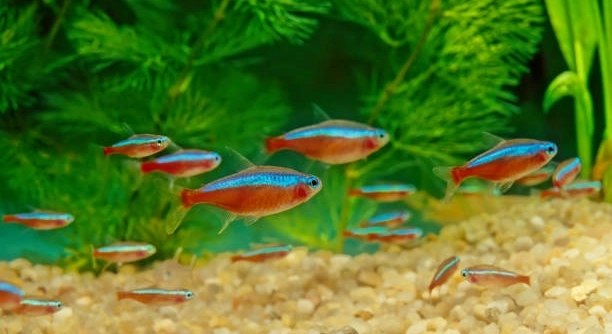
Neon Tetras are popular aquarium fish, known for their bright colors and lively personalities. As pet owners, we often wonder if it’s possible to teach them tricks, just like we do with other pets.
Neon Tetras can be trained to perform simple behaviors through positive reinforcement. While they lack the cognitive abilities of more advanced pets, they can still learn specific actions like responding to food or following certain movements.
Training a Neon Tetra is not only fun but also provides mental stimulation for the fish. It’s a simple way to interact with your aquarium while enhancing your pet’s daily routine.
Understanding Neon Tetra Behavior
Neon Tetras are naturally curious creatures that can become more interactive when placed in a stimulating environment. While they may not have the ability to learn complex tricks like a dog, they can still respond to training with consistency and patience. They are most responsive when they feel comfortable and safe in their environment, so it’s essential to keep stress levels low. Their small size and quick movements can sometimes make it challenging to track their progress, but with positive reinforcement, you’ll start to notice some behaviors taking shape.
In the aquarium, Neon Tetras often show interest in food and the movements around them. By using these interests, you can encourage them to respond to certain stimuli or even perform simple actions. Start by using food as a reward for small, basic tasks.
Training Neon Tetras requires patience and repetition. Begin by associating a specific movement or action with food. Over time, they will start to connect the action with the reward, and with enough practice, they will learn to perform it more consistently. The key is consistency in both the action and the reward. Keep sessions short and positive to prevent overwhelming them. You’ll need to pay attention to the environment and avoid distractions that could confuse the Tetras.
7 Fun Tricks to Try
Training your Neon Tetra might seem like a challenge, but with the right approach, you can teach them some simple tricks.
Start with one or two easy tasks. A common beginner trick is having your Tetra swim through a hoop. This will get them used to the idea of following an object. Using food to guide them through the hoop ensures that they remain focused. Over time, they will learn to associate the hoop with a reward. Keep sessions short so the fish do not lose interest.
Once your Tetra gets the hang of simple actions, you can slowly increase the difficulty. Try using different shapes or moving the hoop in new ways to challenge their ability to follow objects. Always ensure the fish are comfortable and reward them quickly to keep their attention.
Use of Food as Positive Reinforcement
Food plays a crucial role in training Neon Tetras. Using their natural interest in food helps them learn and associate actions with rewards.
Start by offering small amounts of food when attempting to teach a new behavior. Neon Tetras respond quickly to food, making it a powerful motivator. You can use their favorite foods, like flake food or small live options. Make sure to provide the food immediately after the action to strengthen the connection. Repetition is key, and using food consistently can help your Tetra focus and retain the behavior.
However, it’s important not to overfeed them. Too much food can negatively affect their health. Use tiny portions for training sessions and ensure their overall diet remains balanced. Over time, your Tetra will begin to associate certain movements or actions with the rewards, making it easier to train them to perform specific tricks.
Patience and Consistency
Patience and consistency are essential when training Neon Tetras. They learn best when the process is predictable and calm.
Training should take place in a quiet, calm environment where there are few distractions. The more consistent you are with the actions and rewards, the quicker they will learn. Training sessions should be kept short, typically no longer than five minutes. Repeating the same task multiple times helps reinforce the behavior. Avoid overloading them with too many tasks in a single session.
By maintaining patience and sticking to a routine, your Neon Tetra will start recognizing what you want them to do. It may take time, but consistent, short sessions are the best approach for long-term success.
Avoid Overstimulating the Tetra
Too much stimulation can stress your Neon Tetra and hinder its ability to learn. Keep training sessions simple and calm.
If there are too many distractions in the tank, like other fish or excessive movement, your Tetra might not focus on the task. A quiet, peaceful environment helps maintain focus during training.
Ensure your tank is calm and free of external stress factors. Keeping the water conditions stable will also contribute to your Tetra’s well-being and focus. By maintaining a relaxed atmosphere, your fish will respond better to training efforts and perform more consistently.
Training Tools and Equipment
The right tools can help make training more efficient for your Neon Tetra. Simple items like a small hoop, stick, or even a net can be used to guide them.
Neon Tetras are small and agile, so lightweight tools are best. A tiny hoop or a small object moved slowly through the water can attract their attention and help guide their movements. These items allow you to gradually teach them new actions while keeping things clear and manageable. Be sure to move the tools gently to avoid startling the fish.
Training Frequency
To keep your Neon Tetra engaged and improving, train them regularly but avoid overdoing it. Aim for sessions every other day to maintain focus without causing stress.
Frequent short sessions work best for keeping your Tetra focused. Overloading them with too many training sessions can cause stress, affecting their ability to learn. Keep it light, and your Tetra will be more likely to retain what it’s learning.
FAQ
Can Neon Tetras be trained to do tricks?
Yes, Neon Tetras can be trained to perform simple tricks, like swimming through a hoop or following a specific movement. They respond well to food as a reward and can associate actions with positive reinforcement. Training requires patience and consistency, but it’s possible to teach them small behaviors.
How long does it take to train a Neon Tetra?
Training a Neon Tetra can take anywhere from a few days to a few weeks, depending on the complexity of the trick. Simple behaviors might take a shorter time to learn, while more advanced tasks could require more practice. Keep sessions short, and with repetition, you’ll see progress.
What should I use to train my Neon Tetra?
You can use food as the primary motivator when training a Neon Tetra. Tiny portions of their favorite food, such as flake food or live foods, work best. Tools like small hoops, sticks, or other objects in the tank can help guide their actions. Keep it simple and clear.
Is it difficult to train a Neon Tetra?
Training a Neon Tetra isn’t overly difficult, but it does require patience. They are not as quick to learn as some other pets, and their small size can make tracking progress tricky. However, with consistent practice and positive reinforcement, you can teach them simple tricks.
Can Neon Tetras learn complex tricks?
Neon Tetras are limited in their ability to learn complex tricks due to their small size and simple cognitive functions. They can perform basic tasks like swimming through hoops or following movements. More complex tasks may be beyond their ability, but they can still offer enjoyable training opportunities.
How do I keep my Neon Tetra motivated during training?
Using food rewards consistently will keep your Neon Tetra motivated. Ensure the training environment is calm and stress-free, as distractions can hinder their learning. Keep training sessions short to maintain focus, and gradually increase the difficulty level of the tasks to keep them engaged.
Can training harm my Neon Tetra?
If done correctly, training should not harm your Neon Tetra. Overfeeding them during training, however, can cause health issues, so be mindful of the portion sizes. Also, excessive training or overwhelming them with too many tasks can lead to stress, which should be avoided. Always prioritize their well-being.
How often should I train my Neon Tetra?
Training should occur every other day to avoid overloading your Neon Tetra. Short, frequent sessions work best. Training every day might stress them out, so give them time to relax between sessions. Short bursts of training also help reinforce learning without making them tired or frustrated.
Can Neon Tetras recognize their owners?
Neon Tetras have a limited ability to recognize their owners, but they can learn to associate you with food or specific actions. Over time, they may become more comfortable and responsive when you approach the tank, especially if they’ve been trained to follow movements or swim through objects.
What if my Neon Tetra doesn’t respond to training?
If your Neon Tetra isn’t responding, check the environment first. Are there too many distractions? Is the water quality good? If everything seems fine, the fish may just need more time to adjust. Don’t get discouraged; some fish take longer to get used to training than others. Keep trying with patience.
Can I use other fish to help train my Neon Tetra?
While other fish can sometimes be used as part of training, it’s generally better to focus on the individual Neon Tetra. Adding other fish to the training session may cause distractions, especially if they’re more dominant or aggressive. Keep the focus on the Neon Tetra itself to improve training success.
Are there any signs that my Neon Tetra is stressed from training?
If your Neon Tetra is stressed, you may notice changes in behavior, such as swimming erratically, hiding more often, or becoming less active. If this happens, stop training immediately and allow your fish to rest. Stress can hinder their ability to learn and can negatively affect their health, so always monitor their well-being during training.
Can Neon Tetras learn to swim to a specific spot in the tank?
Yes, with consistent training, Neon Tetras can learn to swim to a specific spot in the tank. Use food as a reward to guide them to the area. Start by gently moving food to the desired location and rewarding them when they approach or swim toward it. With practice, they will learn to go to that spot on their own.
What kind of environment is best for training a Neon Tetra?
A quiet, calm environment is best for training. Avoid distractions like loud noises or other tank disturbances. Ensure the water quality is good and that the tank is well-maintained. The fewer distractions there are, the more likely your Neon Tetra will stay focused and engaged during training.
Final Thoughts
Training a Neon Tetra may not be as simple as teaching a dog, but it is possible and can be a fun experience. These small fish are not known for their complex learning abilities, but they can still respond to simple tasks with patience and consistency. By using positive reinforcement, especially food rewards, you can teach your Neon Tetra to perform a variety of tricks. While their learning process might take some time, it’s a rewarding way to engage with your fish and offer them mental stimulation.
It’s important to keep training sessions short and avoid overwhelming your Neon Tetra. Their small size and delicate nature mean that too much stress or overtraining can harm them. Be sure to create a calm and quiet environment to help your fish focus on the task. Overfeeding during training can also lead to health issues, so be mindful of the portions you offer. The key to success is repetition and consistency—once your Neon Tetra learns an action, you can slowly build on it, but always keep their well-being in mind.
Training should be a fun and positive experience, both for you and your fish. While Neon Tetras may not be able to perform complex tricks, they are capable of learning simple behaviors, and these can help you bond with your pet. Whether it’s swimming through a hoop or responding to movement, training them offers a unique way to interact with your fish. Just remember to stay patient, be consistent, and most importantly, enjoy the process. The bond you build with your Neon Tetra through training can be just as rewarding as the tricks themselves.

Hello,
If you enjoy the content that we create, please consider saying a "Thank You!" by leaving a tip.
Every little bit helps us continue crafting quality advice that supports the health, happiness, and well-being of pets around the world, for pets of all shapes, sizes, and species.
We really appreciate the kindness and support that you show us!