
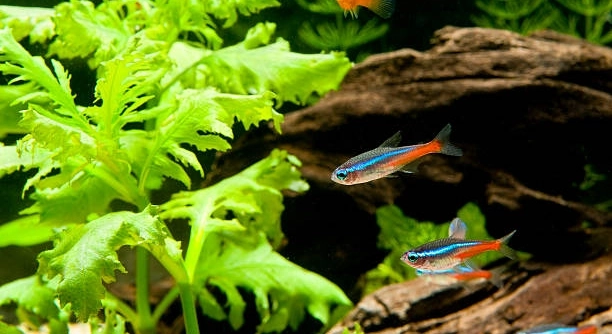
Neon Tetras and Betta Fish are two popular choices for freshwater aquariums. Their vibrant colors and peaceful nature make them appealing to many fishkeepers. However, their compatibility is a common concern for those looking to house them together.
Neon Tetras and Betta Fish can sometimes coexist, but it depends on their individual temperaments. Betta Fish are territorial and aggressive, which can lead to conflicts, especially with smaller or brightly colored fish like Neon Tetras.
Understanding the key factors that affect their compatibility can help you create a peaceful tank. You’ll want to consider their behavior, tank setup, and other environmental factors to ensure both species thrive.
Betta Fish and Their Aggressive Nature
Betta Fish, also known as Siamese Fighting Fish, are known for their aggressive and territorial behavior. In the wild, they establish dominance over their space, which they will defend against other fish, especially those with similar body shapes or bright colors. This aggression can be particularly noticeable when they are housed with other species. Betta males are especially territorial and will often display their fins and flare when feeling threatened. Even though females are less aggressive, they may still show territorial instincts under certain conditions.
When keeping a Betta with other fish, the size of the tank and hiding spaces become crucial. Without enough room and places for fish to retreat, stress can cause tension between them. Betta Fish may feel the need to protect their area from other species, including Neon Tetras.
However, not all Bettas act the same way. Some may be more passive, allowing other fish to swim peacefully around them. The key is to observe their behavior and adjust the tank setup to accommodate both species.
Neon Tetras and Their Peaceful Nature
Neon Tetras are small, peaceful fish that thrive in schools. Their calm nature and social tendencies often make them compatible with other species.
Neon Tetras can be ideal tankmates for Betta Fish if the conditions are right. Being small, they are less likely to trigger the Betta’s aggression. However, their bright blue and red coloration may catch the Betta’s attention, potentially provoking aggressive reactions. To keep them safe, it’s important to consider tank size, water conditions, and how the Betta is behaving.
Creating an environment where Neon Tetras can hide and move freely can reduce stress. When they have enough space to swim and avoid the Betta when needed, they are less likely to provoke aggressive behavior. It’s crucial to ensure the Betta’s territory is respected to avoid conflicts.
Tank Size and Layout
The size of your tank plays a major role in whether Neon Tetras and Betta Fish can coexist. A tank that’s too small increases stress levels for both species, especially the Betta, who may become more territorial. Ideally, the tank should be at least 20 gallons, giving enough space for each fish to claim their territory without feeling threatened. More space means less chance of aggression.
A well-planted tank with plenty of hiding spots can help reduce tension. For both Neon Tetras and Betta Fish, plants and decorations provide safe areas to retreat when needed. Neon Tetras especially benefit from having spots to hide, allowing them to swim freely without constantly feeling watched by the Betta. This helps create a more peaceful environment for both fish.
The layout of the tank should also avoid sharp corners or overcrowded areas. Ensure there are different levels of plants or decorations, such as floating plants or driftwood, to break up sightlines. This can keep both species from constantly crossing paths and reduce the likelihood of aggression.
Water Conditions
Both Betta Fish and Neon Tetras thrive in slightly different water conditions, making it essential to find a balance that suits both species. Bettas prefer warmer water, typically between 76°F and 80°F, while Neon Tetras do best in slightly cooler temperatures, around 72°F to 78°F. Despite this difference, they can usually share a similar range of temperatures.
Water parameters like pH, hardness, and ammonia levels must also be closely monitored. Neon Tetras prefer soft, slightly acidic water with a pH of 6.0 to 7.0, while Betta Fish can tolerate a wider range but also prefer a slightly acidic to neutral pH. Keeping the water clean and stable will help both species stay healthy and reduce stress, which in turn reduces the likelihood of aggressive behavior from the Betta. Regular water changes are necessary to maintain a healthy environment.
By maintaining appropriate water conditions, you can create a setting that supports both species, helping them thrive and coexist.
Betta Fish Behavior and Temperament
Betta Fish are known for their unique personalities. While some are calm, many are aggressive and territorial, especially males. Their behavior often depends on their environment and previous experiences. Betta Fish are more likely to act aggressively if they feel their territory is being threatened.
To prevent aggression, make sure the Betta has a clearly defined area in the tank. This can be achieved by adding plants or decorations to create natural barriers. It’s also helpful to monitor the Betta’s behavior regularly, as some may tolerate other fish, while others may not.
Each Betta is different, so their compatibility with Neon Tetras will vary. You may need to make adjustments if the Betta starts showing signs of aggression. This could involve separating them temporarily or rearranging the tank layout to reduce territorial behavior.
Neon Tetra Schooling Behavior
Neon Tetras are social fish and thrive in schools of at least six or more. They feel more secure and confident when surrounded by others of their kind. A school of Neon Tetras can swim around the tank in harmony, which helps them avoid drawing attention from the Betta.
If there are fewer than six Neon Tetras, they may become stressed and more vulnerable to the Betta’s aggression. A larger school creates a sense of safety for the Neon Tetras, reducing the chances that they will be singled out by the Betta.
A school of Neon Tetras also gives them more chances to swim and hide, minimizing their interaction with the Betta. Keeping the school intact is an important step in ensuring a peaceful tank environment.
Observation is Key
It’s essential to observe both species regularly to ensure that no one is being stressed or harmed. A Betta Fish’s aggression might not show immediately, so watch for signs such as fin nipping or constant chasing.
Carefully watching their interactions can help you take quick action if problems arise. Some Bettas may even tolerate the Neon Tetras without issue, but it’s always best to be cautious and ready to step in.
FAQ
Can Betta Fish kill Neon Tetras?
Yes, it can happen. If the Betta is highly aggressive, it may see the Neon Tetras as a threat or competition. This can lead to chasing, biting, or even killing. Neon Tetras are small and fast, but they can still be injured or stressed. If you notice torn fins or missing fish, the Betta may be the cause. It’s important to separate them if aggression becomes constant or dangerous. Not all Bettas will act this way, but you should always be prepared for the possibility.
How many Neon Tetras should be kept with a Betta?
A group of at least six Neon Tetras is best. They are schooling fish and rely on each other for safety and comfort. In small numbers, they become shy and stressed, which makes them easier targets for a Betta. A larger group spreads out the attention and helps them feel more secure. Also, having enough space is crucial. The more Neon Tetras you add, the bigger the tank needs to be to avoid overcrowding.
Can female Bettas live more peacefully with Neon Tetras?
In many cases, yes. Female Bettas tend to be less aggressive and territorial compared to males. While they can still show dominance, they are usually more tolerant of other fish. This can make them a better choice if you want to house them with Neon Tetras. However, temperament still varies, so you should observe them just as closely as you would with a male Betta. Tank setup and hiding spaces remain important.
What are signs that my Betta is too aggressive for tankmates?
If your Betta is flaring often, chasing fish constantly, nipping at fins, or patrolling the tank with no breaks, these are signs of high aggression. You may also notice other fish hiding all the time, showing torn fins, or even becoming sick from stress. A peaceful Betta will swim calmly, explore the tank, and show little interest in bothering other fish. If the aggression doesn’t settle after a few days, it may be time to separate them.
What should I do if my Betta attacks the Neon Tetras?
First, try rearranging the tank layout. Adding more plants, decorations, or visual breaks can help disrupt the Betta’s sense of territory. Sometimes, this is enough to calm the situation. If the attacks continue, move the Betta to a separate tank or container temporarily. If needed, keep them separated long-term. Safety should always come first. Injured Neon Tetras may not recover if stress continues.
Can tank size really make that much of a difference?
Yes, tank size matters a lot. In small tanks, fish have no space to get away from each other, and stress builds quickly. A tank of at least 20 gallons gives both Betta and Neon Tetras room to establish space. It also allows for more plants and hiding spots. Smaller tanks increase the risk of aggression and poor water quality, both of which lead to problems.
Is feeding time a problem when both fish are in the same tank?
Sometimes. Bettas tend to eat at the surface, while Neon Tetras swim mid-level and may not grab food right away. If the Betta is aggressive, it might chase others away during feeding. To help, use sinking pellets or spread food across the tank. Watch closely to make sure everyone gets a fair share. You might need to distract the Betta during feeding if issues continue.
Do Neon Tetras ever nip at Betta fins?
It’s rare, but it can happen. Neon Tetras are usually peaceful, but in rare cases—especially if they are stressed or not kept in a proper school—they might nip at long, flowing fins. This can trigger the Betta to become aggressive in return. Keeping a proper group and a stress-free environment helps reduce the chances of this behavior.
What happens if the Betta and Neon Tetras get along at first, but problems start later?
Behavior can change over time. A Betta that seemed calm at first may become more territorial as it settles in. Stress, illness, or even changes in tank layout can trigger new behavior. That’s why regular observation is important. If aggression starts after a few peaceful weeks, take action right away to avoid injuries.
Can other fish be added to the tank with Bettas and Neon Tetras?
Yes, but only carefully. Look for other peaceful, non-flashy species that won’t trigger the Betta’s aggression. Avoid anything that looks like a Betta or has long fins. Bottom dwellers like Corydoras or small snails are often safe additions. Always check compatibility and increase the tank size if adding more fish.
Final Thoughts
Keeping Neon Tetras with a Betta Fish is possible, but it requires careful planning and observation. While some Bettas can live peacefully with other fish, others may become territorial and aggressive. Each Betta has its own personality, so it’s important to understand your fish before making any decisions. Neon Tetras are peaceful and do best in schools of six or more. A calm environment with enough space, plants, and hiding spots helps reduce stress for both species. You also need to make sure the tank is large enough so the fish are not forced into close contact all the time.
Water conditions play an important role in helping both species stay healthy. The temperature, pH, and overall cleanliness of the tank must be kept stable. Both Bettas and Neon Tetras can become stressed or sick if their environment is not properly maintained. Make sure to check the water regularly and perform routine maintenance. A stable, clean tank lowers the risk of illness and aggressive behavior. Feeding them properly also matters. Try to ensure that both types of fish are getting enough food without having to compete. Watching how they behave during feeding times can help you spot any signs of tension.
Before adding Neon Tetras to a Betta tank, it’s helpful to plan ahead. Think about the layout, tank size, and how you will monitor their interactions. It may take time for both species to adjust to one another. If you notice fin nipping, hiding, or signs of stress, it may mean the setup needs to be changed. Every aquarium is different, and even peaceful fish can become aggressive under the wrong conditions. Taking small steps and being patient is often the best approach. When done right, it’s possible to enjoy the bright colors and lively movement of Neon Tetras alongside the unique personality of a Betta Fish. Always be ready to make changes if things don’t go as expected. Being observant and responsive will help you create a tank that’s safe and healthy for everyone living in it.

Hello,
If you enjoy the content that we create, please consider saying a "Thank You!" by leaving a tip.
Every little bit helps us continue crafting quality advice that supports the health, happiness, and well-being of pets around the world, for pets of all shapes, sizes, and species.
We really appreciate the kindness and support that you show us!