
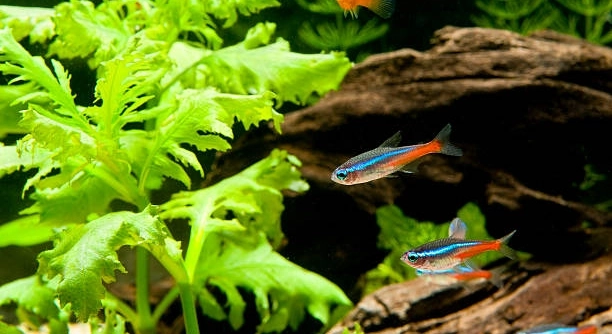
Neon Tetras are popular fish known for their vibrant colors. However, when their usual hues fade and turn white, it can be concerning for their owners. Understanding the causes behind this change is essential for their care.
Neon Tetras turning white is typically caused by stress, poor water conditions, or illness. Factors like improper temperature, water chemistry, and inadequate diet can contribute to this issue, leading to a faded or white appearance in the fish.
Understanding the underlying causes will help you address the issue and improve your fish’s health. Keep reading to learn more about the possible fixes and preventive measures.
Stress and Anxiety
Neon Tetras are sensitive to changes in their environment. Stress can trigger changes in their appearance, including fading or turning white. Factors like sudden water temperature fluctuations, overcrowding, or aggressive tank mates can contribute to this stress. Even loud noises or vibrations near the tank may cause anxiety for these delicate fish. It’s essential to maintain a stable, peaceful environment to prevent unnecessary stress.
Stress affects fish in various ways, from altering their color to affecting their overall health. A stressed Neon Tetra may also show signs like erratic swimming or hiding more frequently. These symptoms indicate that they are not comfortable in their current setup. Ensuring a calm and consistent environment can go a long way in maintaining your Tetra’s vibrant color and overall well-being.
Keep in mind that Neon Tetras thrive in schools, and having fewer than five in a tank can contribute to loneliness, which leads to stress. Also, it’s crucial to minimize disturbances around the tank, as even vibrations from outside sources can upset them.
Poor Water Quality
Water quality is critical to the health of your Neon Tetra. Poor water conditions, such as high ammonia or nitrite levels, can cause significant stress. When water parameters are not ideal, fish may lose their color and show signs of discomfort. Regular water changes and testing the water’s pH, ammonia, nitrite, and nitrate levels are essential for a healthy environment.
Proper filtration plays a key role in maintaining water quality. If the filtration system is inadequate, waste will build up, affecting the water quality and potentially causing health problems for your fish. Regularly cleaning the filter and ensuring it is functioning properly can prevent such issues from arising.
Illness or Disease
A common reason for a Neon Tetra turning white is illness. Various diseases like ich or fin rot can cause color loss. These conditions often show up as white spots or a dulling of their normal vibrant hues. It’s important to act quickly to avoid further complications.
Ich, also known as “white spot disease,” is one of the most common illnesses in freshwater fish. It appears as tiny white spots on the body and fins. If left untreated, it can be fatal. To treat it, increase the water temperature and use medications specifically designed for this illness.
Fin rot is another possible issue. This disease typically results from poor water quality and can cause the fish’s fins to decay. A Neon Tetra with fin rot may lose its vibrant color and appear pale. Immediate treatment with antibiotics or antifungal medications can help.
Inadequate Diet
Neon Tetras require a balanced diet to maintain their vibrant colors. A lack of essential nutrients, particularly vitamins and minerals, can cause them to lose their natural color. Over time, poor nutrition can also weaken their immune system and lead to disease.
Feeding a variety of food is key. High-quality flakes or pellets should be supplemented with frozen or live foods like brine shrimp or daphnia. These foods are rich in nutrients that help maintain the Tetra’s color. Be sure to avoid overfeeding, as uneaten food can lead to poor water quality, which further stresses the fish.
Poor Water Temperature
Neon Tetras are sensitive to changes in water temperature. If the water is too cold or too hot, their color can fade. These fish thrive in temperatures between 72°F and 78°F. Anything outside of this range can cause stress and impact their health.
Temperature fluctuations, even small ones, can cause problems. If the temperature is too low, it can weaken the fish’s immune system, making them more susceptible to illness. On the other hand, high temperatures can cause stress and oxygen depletion. A reliable heater with a thermostat will help maintain a stable environment.
Lighting
Excessive lighting can cause Neon Tetras to lose their color. Bright lights can stress them out, especially if the light is on for long periods each day. A consistent light-dark cycle is crucial for maintaining the Tetra’s health and appearance.
Avoid leaving lights on for too long. Ensure the tank gets a natural day-night cycle, with about 10-12 hours of light and 12-14 hours of darkness. This helps your Neon Tetras feel secure and reduces the risk of stress-related color loss.
FAQ
Why is my Neon Tetra turning white?
Neon Tetras can turn white due to stress, poor water quality, illness, or a poor diet. Stress from sudden changes in the tank, like water temperature fluctuations or overcrowding, can cause their color to fade. Poor water conditions, such as high ammonia levels, can lead to skin discoloration. Illnesses like ich or fin rot also contribute to fading. Lastly, a lack of proper nutrition can weaken their immune system, causing a loss of color. Identifying the root cause can help you treat the issue effectively.
How do I fix a Neon Tetra turning white?
To fix this issue, start by testing and improving water quality. Regular water changes and maintaining proper filtration can help. Adjust the water temperature to the ideal range of 72°F to 78°F. If illness is suspected, treat the fish with appropriate medications. Offering a balanced, varied diet and reducing tank stress will also aid in restoring their color. It’s essential to monitor the tank and ensure the environment remains stable and healthy.
What diseases can cause my Neon Tetra to turn white?
Common diseases like ich (white spot disease) or fin rot can cause Neon Tetras to turn white. Ich appears as tiny white spots on the body and fins, while fin rot can cause the fins to decay and the fish to look pale. Both conditions need to be treated promptly with medication and improved water conditions.
Can water temperature cause my Neon Tetra to turn white?
Yes, extreme water temperatures can cause stress and lead to a Neon Tetra turning white. These fish prefer water temperatures between 72°F and 78°F. If the temperature is too high or too low, it can cause stress, weaken their immune system, and lead to fading colors. A reliable aquarium heater can help maintain stable water temperature.
How often should I change the water to prevent my Neon Tetra from turning white?
Regular water changes are crucial for maintaining healthy water conditions. For Neon Tetras, change about 25% to 30% of the water every two weeks. This prevents the buildup of harmful chemicals like ammonia and nitrates, which can cause stress and color loss. More frequent changes may be necessary if the tank is heavily stocked.
Is it normal for Neon Tetras to lose their color when stressed?
Yes, stress can cause Neon Tetras to lose their color. Stress can come from various sources, including aggressive tank mates, sudden changes in water parameters, or overcrowding. A stressed fish may show signs like fading colors, erratic swimming, or hiding more often. Reducing stressors and providing a calm environment can help restore their color.
What should I feed my Neon Tetra to keep its color vibrant?
A balanced diet is essential for maintaining the vibrant color of your Neon Tetra. Feed them high-quality flake or pellet food as a staple, and supplement with live or frozen foods like brine shrimp or daphnia. These foods are rich in nutrients that help support their health and color. Avoid overfeeding, as this can lead to poor water quality.
Can poor water quality cause Neon Tetras to lose their color?
Yes, poor water quality is one of the most common reasons for color loss in Neon Tetras. High ammonia, nitrite, or nitrate levels can stress the fish and lead to fading. Regular water testing and maintenance, such as water changes and proper filtration, are essential for keeping water quality in check. Clean, well-maintained water helps your fish maintain their natural color.
Can Neon Tetras recover their color?
Yes, Neon Tetras can recover their color if the underlying cause is addressed. Improving water quality, reducing stress, providing a balanced diet, and treating any illnesses promptly will allow your fish to regain their vibrant colors. However, if the problem is not treated or persists, the Tetra’s health may decline.
How can I prevent my Neon Tetra from turning white in the future?
Preventing color loss in Neon Tetras starts with maintaining a stable, stress-free environment. Ensure the water quality is consistently good with regular water changes and proper filtration. Avoid overstocking the tank, as this can cause stress. Provide a varied, nutritious diet and make sure the water temperature remains within the ideal range. Regularly monitor your fish for signs of illness and take action quickly if needed.
Is there any way to speed up the recovery of a Neon Tetra’s color?
To speed up the recovery of a Neon Tetra’s color, ensure the tank is free from stressors and maintain excellent water quality. Use medications to treat any underlying diseases, like ich or fin rot. Offer a variety of high-quality foods to boost their health and color. With prompt attention to these factors, recovery can happen quickly.
What is the ideal water temperature for Neon Tetras?
Neon Tetras thrive in water temperatures between 72°F and 78°F. Maintaining a stable temperature within this range helps prevent stress and supports their overall health. A reliable aquarium heater with a thermometer can help keep the water within the ideal temperature range, ensuring your fish remain healthy and colorful.
Why is my Neon Tetra swimming erratically and turning white?
Erratic swimming and color loss can be signs of stress, illness, or poor water quality. Stressful tank conditions, such as fluctuating temperatures or aggressive tank mates, can cause these symptoms. Illnesses like ich or parasites can also affect behavior and color. Testing the water and observing the fish closely will help you identify the cause.
Can Neon Tetras live alone without turning white?
Neon Tetras are schooling fish and thrive when kept in groups of at least five or more. Living alone or in a small group can lead to stress and loneliness, which may cause them to lose their color. It’s best to provide them with company to ensure they remain healthy and vibrant.
Final Thoughts
Neon Tetras are beautiful, vibrant fish that can bring a lot of joy to any aquarium. However, when they start turning white, it’s a sign that something is wrong. Whether it’s due to stress, poor water quality, disease, or diet, it’s important to identify and address the cause quickly. These fish are sensitive and require proper care to maintain their color and overall health. By regularly checking water conditions, providing a balanced diet, and monitoring the tank for signs of illness, you can help your Neon Tetras stay healthy and vibrant.
Maintaining a stable environment is key. Neon Tetras thrive in stable water conditions, especially when it comes to temperature and pH levels. Regular water changes, proper filtration, and consistent water temperature will go a long way in preventing stress and illness. Additionally, avoiding overcrowding and offering a varied diet that meets their nutritional needs will help keep your fish in top shape. When these basic needs are met, your Neon Tetras are much less likely to experience the color loss that occurs when they’re stressed or ill.
If your Neon Tetra has already started turning white, it’s important not to panic. With the right care, these fish can recover their vibrant color. Treating underlying diseases, improving water quality, and reducing stress can make a significant difference. Keep in mind that recovery may take time, so patience is essential. By providing the right environment and addressing any potential health issues, you can help your Neon Tetra thrive and regain its natural beauty.

Hello,
If you enjoy the content that we create, please consider saying a "Thank You!" by leaving a tip.
Every little bit helps us continue crafting quality advice that supports the health, happiness, and well-being of pets around the world, for pets of all shapes, sizes, and species.
We really appreciate the kindness and support that you show us!