
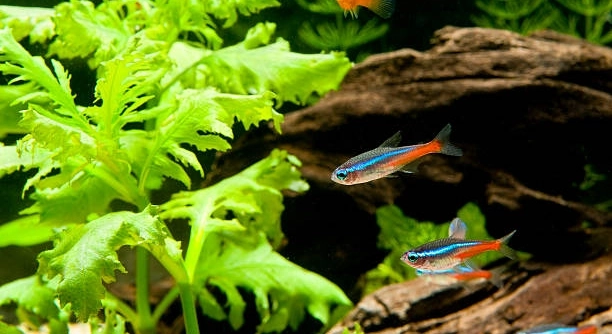
Neon Tetras are a popular and vibrant addition to many fish tanks. However, if your Neon Tetra is refusing to eat, it can be concerning. Understanding why this happens and how to resolve the issue can help ensure their well-being.
The main reasons for your Neon Tetra refusing to eat are stress, water quality issues, illness, or improper diet. Other factors like water temperature, tank mates, or changes in their environment may also affect their appetite.
These factors are important to consider when troubleshooting your fish’s feeding habits. We’ll walk you through each one to help you address the issue effectively.
Stress and Anxiety in Neon Tetras
Neon Tetras are sensitive creatures, and even small changes in their environment can cause stress. Factors such as sudden water temperature shifts, noisy tanks, or aggressive tank mates can overwhelm them. This stress can lead to a decrease in appetite, as your fish may feel more focused on surviving than eating.
Stress-related appetite loss is often temporary, but it can be prolonged if not addressed. Keep your tank calm, and avoid sudden changes in water conditions.
If stress is a problem, start by identifying the cause. A consistent routine and tank adjustments, such as creating hiding spots or reducing noise, will help your Neon Tetra feel secure again. Keeping the water clean and stable is key to reducing stress and ensuring a healthy environment for your fish.
Water Quality and Cleanliness
Poor water quality can lead to loss of appetite in fish. High levels of ammonia, nitrites, or nitrates can stress your Neon Tetra. It’s essential to check your tank’s water parameters regularly to maintain a healthy environment.
The water should be well-filtered, and regular water changes are necessary to prevent harmful substances from accumulating. Using a water testing kit can help you monitor ammonia, pH, and nitrate levels to ensure they remain safe for your fish. Clean your tank regularly to prevent the buildup of waste and keep the water fresh.
Neon Tetras are also sensitive to high levels of chlorine and chloramine in tap water. Make sure to use water conditioners if you’re filling your tank with tap water. Providing a stable and clean environment will not only encourage eating but will also keep your Neon Tetra healthy and happy.
Illness and Health Issues
Illness can be a major factor behind your Neon Tetra’s refusal to eat. Diseases such as internal parasites, fungal infections, or bacterial infections can make them lose their appetite. It’s essential to keep an eye out for other symptoms like lethargy, abnormal swimming, or unusual spots on their body.
If your Neon Tetra is not eating and showing other signs of illness, isolate it from other fish. Consult with a vet or aquarium expert to identify the specific problem. Treatment for the illness, such as medications or dietary adjustments, can restore their health and appetite.
Sometimes, a lack of proper diet can contribute to weakened immune systems, making them more susceptible to illness. Maintaining proper tank hygiene and adding a variety of nutritious foods can prevent these issues. Keeping your fish’s immune system strong will ensure they stay healthy and hungry.
Diet and Feeding Habits
Neon Tetras are small fish with specific dietary needs. If their diet lacks variety or nutrients, they may stop eating. A monotonous or low-quality diet can result in a loss of appetite. It’s essential to offer a balanced diet with a mix of flake food, frozen food, and live food to stimulate their eating habits.
Offering new food types or adjusting their feeding schedule can sometimes help. It’s important to provide food they can eat easily, considering their small mouths. Some Neon Tetras prefer live food like daphnia or brine shrimp over flakes, which may be more enticing for them.
Ensure the food is appropriate for their size and nutritional needs. Overfeeding can also lead to poor water quality, which, in turn, affects their appetite. Adjust their diet and feeding habits to keep them healthy and happy.
Water Temperature
Water temperature plays a crucial role in your Neon Tetra’s feeding habits. If the water is too cold or too warm, it can cause your fish to stop eating. Neon Tetras prefer temperatures between 72°F and 78°F (22°C to 26°C).
If the water is outside of this range, your fish might become stressed and refuse food. To maintain a stable temperature, use a reliable aquarium heater with a thermometer. Regularly check the temperature to ensure it stays within the optimal range for your fish.
Sudden temperature fluctuations can also be harmful, so avoid placing the tank in drafts or near heaters. Maintaining a steady, warm environment will help keep your Neon Tetra active and hungry.
Tank Mates
Aggressive tank mates can cause stress, leading to a lack of appetite in your Neon Tetra. It’s important to choose peaceful, small fish that won’t intimidate or chase your Tetras.
Neon Tetras do best in community tanks with other small, non-aggressive species. Avoid keeping them with larger, territorial fish. Peaceful surroundings reduce stress and encourage eating.
Aggressive tank mates can also cause physical harm, further affecting their health and eating habits. Monitor interactions among tank mates and separate any aggressive fish to ensure your Tetra is comfortable and well-fed.
Overfeeding
Overfeeding is a common mistake that can impact your Neon Tetra’s appetite. Excess food left in the tank can degrade water quality, making it harder for your fish to enjoy meals.
Neon Tetras only need small, frequent feedings. Provide enough food for them to consume in a few minutes to avoid overfeeding. Removing any uneaten food will help maintain clean water, encouraging your Tetra to eat properly.
FAQ
Why is my Neon Tetra not eating?
There are several reasons why your Neon Tetra might not be eating. Stress, poor water quality, illness, or an improper diet are common factors. If your fish is showing signs of stress or illness, such as lethargy or unusual swimming, it’s crucial to address the underlying issue. Check your water parameters regularly and ensure that the temperature is stable. Provide a balanced diet with a variety of foods to make eating more appealing. If the problem persists, consider consulting with an aquarium expert or veterinarian.
How can I reduce stress for my Neon Tetra?
Stress can be reduced by maintaining a calm, stable environment for your Neon Tetra. Ensure that the tank is quiet and not exposed to loud noises or sudden movements. Adding plenty of plants or decorations can provide hiding spots, making the fish feel more secure. Keep the tank temperature steady and avoid sudden changes in water conditions. Also, avoid keeping them with aggressive or larger fish that may intimidate them.
What water temperature is best for Neon Tetras?
Neon Tetras prefer water temperatures between 72°F and 78°F (22°C to 26°C). Water that is too cold or too warm can cause stress and loss of appetite. It’s important to maintain a stable temperature to keep your fish healthy and active. Use an aquarium heater and thermometer to ensure the water stays within the ideal range.
Can Neon Tetras eat flakes?
Yes, Neon Tetras can eat flake food, but it’s important to choose high-quality flakes that are specifically designed for small fish. While flake food can be part of their diet, it’s best to offer a variety of foods, such as frozen or live foods, to keep them interested and healthy. Flakes should be small enough for their tiny mouths to consume.
How often should I feed my Neon Tetra?
Neon Tetras should be fed small amounts two to three times per day. It’s important not to overfeed them, as uneaten food can pollute the water. Feed your fish just enough food that they can consume in a few minutes, and remove any leftover food promptly to keep the water clean.
What should I do if my Neon Tetra stops eating for days?
If your Neon Tetra refuses to eat for a few days, it may be a sign of stress, illness, or poor water quality. First, check the water parameters and make sure everything is within the ideal range. If everything is fine, observe your fish for signs of illness, such as spots, bloating, or abnormal swimming. If you notice any symptoms of illness, isolate the fish and treat it accordingly. If the problem persists, consider consulting a veterinarian who specializes in fish.
Is it normal for Neon Tetras to skip meals?
Occasionally, a Neon Tetra may skip a meal, especially if it’s adjusting to a new environment or feeling stressed. However, if your fish continues to refuse food for several days or shows other signs of illness, you should investigate the cause. Prolonged lack of appetite is a concern and should be addressed promptly.
What are the best foods for Neon Tetras?
Neon Tetras thrive on a diet that includes high-quality flake food, live foods like brine shrimp, and frozen options like daphnia. Providing variety in their diet will ensure they get the necessary nutrients. Offering them different food types can also keep them interested in eating. Avoid overfeeding, as this can lead to poor water quality, which in turn affects your fish’s appetite.
Can Neon Tetras eat live food?
Yes, Neon Tetras can eat live food, and many enjoy it. Live food such as brine shrimp, daphnia, and micro worms are great options to entice your fish to eat. Live food provides extra stimulation and can be a healthy supplement to their regular diet. However, make sure the live food is clean and free from parasites.
How do I know if my Neon Tetra is sick?
Signs of a sick Neon Tetra include lethargy, refusal to eat, abnormal swimming behavior, or visible changes in appearance, such as faded color, bloating, or spots. If you notice any of these signs, it’s important to isolate the fish and investigate the potential cause. A water test and observation of the tank environment can help determine the issue. If the fish’s condition doesn’t improve, seek advice from a veterinarian or fish expert for treatment.
How can I improve the water quality in my tank?
To improve water quality, start by performing regular water changes, removing debris, and cleaning the tank. Use a high-quality filter to ensure proper filtration. Monitor water parameters such as pH, ammonia, nitrites, and nitrates with a water testing kit. Keeping the water clean and stable will help reduce stress on your Neon Tetras and encourage healthy feeding habits.
Do Neon Tetras eat plants?
Neon Tetras are not typically plant eaters. However, they may nibble on soft plants in the aquarium if they are hungry or if the plants are not healthy. To prevent plant damage, provide your Neon Tetras with a varied diet, including flake, frozen, and live foods, so they don’t resort to eating plants.
Final Thoughts
Understanding why your Neon Tetra isn’t eating can help you address the issue effectively. There are many factors that can affect their appetite, from stress and water quality to diet and health issues. By carefully observing your fish and ensuring the tank conditions are optimal, you can increase the chances of your Tetra returning to a healthy eating routine. Maintaining stable water conditions, offering a balanced diet, and ensuring they’re not stressed are key steps in creating an environment where your fish can thrive.
If you notice your Neon Tetra refusing to eat, it’s important to take action quickly. Start by checking water parameters like temperature, pH, and ammonia levels. If the water quality is poor, do a water change and clean the tank. If the water quality is fine, consider other factors such as illness or stress. Observing your fish for signs of disease or discomfort will help you pinpoint the cause. In some cases, giving your fish some time to adjust to changes in their environment may be enough, but if they continue to refuse food, further action may be necessary.
Overall, keeping your Neon Tetra healthy and happy requires attention to detail and a bit of patience. Regular maintenance of the tank, a varied diet, and a peaceful environment can make a significant difference in your fish’s feeding habits. If you continue to encounter problems despite your efforts, don’t hesitate to seek advice from a vet or aquarium expert. Your Neon Tetra’s health depends on a well-balanced environment and proper care, so staying attentive and proactive is essential for their well-being.

Hello,
If you enjoy the content that we create, please consider saying a "Thank You!" by leaving a tip.
Every little bit helps us continue crafting quality advice that supports the health, happiness, and well-being of pets around the world, for pets of all shapes, sizes, and species.
We really appreciate the kindness and support that you show us!