
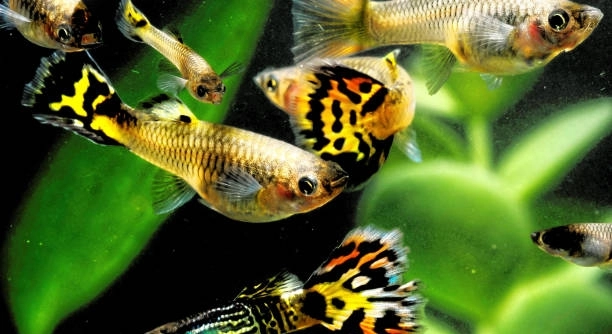
Guppies are popular freshwater fish known for their vibrant colors and playful nature. However, when introducing new tankmates, they can sometimes struggle to adjust. Understanding how to help them through this process can make a big difference.
To help guppies adjust to new tankmates, it’s important to provide a calm and stable environment. Gradually introducing the new fish, monitoring water quality, and ensuring proper hiding spots can reduce stress and help them coexist peacefully.
With these simple tips, you’ll be better equipped to ensure a smooth transition for your guppies and create a harmonious tank environment.
Create a Calm Environment
Guppies, like many fish, are sensitive to sudden changes in their surroundings. A calm tank environment will help them feel safe as they adjust to new tankmates. Make sure the water conditions are stable, with the proper temperature, pH levels, and clean filtration. Guppies thrive in peaceful settings, and stress can make them more vulnerable to disease. Adding new fish too quickly can be overwhelming, so take your time. A stress-free environment also supports the overall health of all the tank inhabitants, making it easier for guppies to adapt.
Sometimes, the smallest adjustments, like moving decorations or adding more hiding spaces, can make a big difference. Guppies are peaceful, but they need room to swim freely without feeling threatened by larger or more aggressive fish. It’s essential to think about each tankmate’s temperament and ensure compatibility.
By keeping the environment calm, guppies will have the best chance to adjust without becoming stressed or overly territorial.
Gradual Introduction of Tankmates
Introducing new fish too quickly can overwhelm guppies. Gradually introducing tankmates allows them to adjust without feeling threatened. This method helps them build confidence and learn how to share their space peacefully.
When adding new fish, it’s a good idea to keep them in a separate quarantine tank for a few days. This reduces the chance of introducing illness and gives both sets of fish time to get used to each other’s presence. Gradually transferring them into the main tank can help the guppies adjust to their new companions. You can use a divider in the tank to let the guppies observe without feeling directly threatened. By taking these precautions, you create a less stressful environment for all fish involved.
Monitor Water Quality
Maintaining proper water quality is crucial when introducing new tankmates. Poor water conditions can make it harder for guppies to adjust. Regularly check the water temperature, pH level, ammonia, nitrites, and nitrates to ensure everything is balanced.
Guppies are particularly sensitive to changes in water quality, so sudden fluctuations can lead to stress. Make sure the filtration system is working well, as this helps keep the water clean and clear. If the tank water is dirty or overcrowded, it will make it difficult for all the fish to feel at ease. A clean, healthy tank environment will allow your guppies to adjust to their new tankmates without additional stress.
Performing regular water changes and using water conditioners when needed can prevent common issues. By keeping the water quality optimal, you reduce the chances of your guppies becoming stressed and sick during the adjustment process.
Provide Hiding Spots
Guppies need plenty of places to hide in the tank, especially when new fish are introduced. Adding plants, rocks, or decorations can help create spots where they can escape and feel secure.
Hiding spots offer guppies the option to retreat when they feel threatened or overwhelmed. This reduces stress and helps them cope better with the introduction of new tankmates. Over time, they’ll become more comfortable in their environment as they realize they have safe spaces to escape to. Make sure these hiding spots are spread out throughout the tank to give guppies and new fish equal access.
By providing these retreats, you give your guppies the chance to adjust at their own pace. It also reduces the chance of aggressive behavior from other fish, as they’ll have areas to claim as their own.
Watch for Aggressive Behavior
Guppies are peaceful fish, but they can become territorial when adjusting to new tankmates. Watch closely for signs of aggression such as chasing, fin nipping, or hovering near other fish. These behaviors may indicate stress or discomfort.
If you notice aggression, consider rearranging the tank decorations to disrupt territorial boundaries. This helps both guppies and their tankmates feel like they are starting fresh. It’s also important to observe if any new tankmates are overly aggressive, as this can stress out the guppies. Providing plenty of space and hiding spots can reduce conflicts and promote peaceful cohabitation.
Keep Tankmates Compatible
Compatibility is key when adding new fish to a guppy tank. Ensure that the new fish species are not overly aggressive or predatory, as guppies can become stressed easily.
Research each fish species’ behavior before adding them to the tank. Guppies thrive best with peaceful and non-territorial fish. Avoid mixing them with species that may pose a threat. Incompatible tankmates can make the adjustment period even more difficult for guppies, causing them to hide, stop eating, or even become ill.
Use the Right Tank Size
Having the right tank size is essential for the well-being of your guppies and their tankmates. An overcrowded tank can lead to increased stress and aggression.
Make sure the tank is large enough to accommodate both the guppies and any new fish comfortably. A 20-gallon tank is usually the minimum for a small community of fish. If the tank is too small, it will create unnecessary competition for space and resources, causing tension. A spacious tank allows fish to spread out, find food easily, and feel safe in their environment.
FAQ
How do I know if my guppies are stressed?
Guppies show signs of stress in various ways, including hiding, decreased appetite, erratic swimming, or losing their color. If your guppies are constantly darting around the tank or staying at the bottom, this can also indicate stress. Keep an eye on their behavior, and if you notice these signs, it’s a good idea to check water quality, tank conditions, and the behavior of new tankmates.
Can guppies live with other peaceful fish?
Yes, guppies are generally peaceful and do well with other non-aggressive fish. They thrive in community tanks with species like tetras, mollies, and peaceful barbs. However, always research new tankmates before adding them. Guppies can be intimidated by fish that are too large or territorial.
Should I quarantine new fish before introducing them to my guppies?
Yes, quarantining new fish is essential to avoid introducing diseases to your guppy tank. Keeping new fish in a separate quarantine tank for 2-4 weeks gives you time to monitor them for any signs of illness. This prevents the spread of infections that could harm your guppies.
What is the best tank size for guppies and their tankmates?
A 20-gallon tank is the minimum recommended size for a small group of guppies and a few peaceful tankmates. If you plan on adding more fish, it’s best to go for a larger tank. Overcrowding can lead to stress, aggression, and poor water quality.
How can I prevent my guppies from becoming territorial?
To prevent territorial behavior, provide plenty of hiding spots and plants for your guppies to retreat to. Keeping the tank well-decorated with rocks, plants, and other decorations can help reduce aggression. Additionally, adding more guppies can sometimes alleviate territorial issues, as they prefer to school together.
What should I do if my guppies are getting bullied by new fish?
If new tankmates are bullying your guppies, it’s important to intervene. Consider moving the aggressive fish to another tank or using a tank divider to give your guppies space to adjust. Adding more plants or decorations can help create hiding spots and give your guppies a safe retreat.
How long will it take for my guppies to adjust to new tankmates?
Adjustment times can vary, but typically, guppies take anywhere from a few days to a couple of weeks to fully adjust to new tankmates. During this period, ensure the water quality remains stable and monitor any signs of stress. Keep the tank as calm as possible to support a smooth transition.
Can I add too many fish to my guppy tank?
Yes, overcrowding can lead to poor water quality, stress, and health problems. Each fish requires adequate space and access to food. It’s recommended to add fish slowly, keeping track of the tank’s capacity and the bio-load. A general rule is 1 inch of fish per gallon of water.
What are the best tankmates for guppies?
Some of the best tankmates for guppies include peaceful fish such as mollies, tetras, corydoras catfish, and other non-aggressive species. These fish usually get along well with guppies and won’t compete too much for food or space. Avoid aggressive species, as they may harm or stress out your guppies.
Do guppies need to be kept in groups?
Yes, guppies are social fish and feel more secure when kept in groups. A small group of 3-5 guppies is ideal. Keeping them in groups helps reduce stress, as they are less likely to feel vulnerable or intimidated by other fish.
What should I do if my guppies stop eating after introducing new tankmates?
If your guppies stop eating, it’s a sign of stress. Make sure the water quality is optimal and that there are enough hiding spots for your guppies. If the problem persists, it may be worth isolating any aggressive fish or giving your guppies more time to adjust. If they still don’t eat, check for signs of illness and consult an aquarium professional.
Final Thoughts
Introducing new tankmates to your guppy tank can be a smooth process if the right steps are taken. By monitoring water quality, ensuring compatibility among fish, and providing plenty of hiding spots, you create an environment where guppies can feel safe and secure. The key is to make gradual changes, allowing your guppies to adjust to the new tankmates at their own pace. With a little patience, guppies are usually able to coexist with other fish without much trouble.
Overcrowding and poor water conditions can quickly turn a peaceful tank into a stressful environment for your guppies. Make sure to keep the tank clean, maintain proper filtration, and avoid adding too many fish at once. Guppies are social creatures, but they still need space to thrive. Providing enough room for all the fish to move around comfortably helps prevent territorial issues and keeps everyone happy. Regular water changes are also crucial to avoid the buildup of toxins that can harm your guppies and their tankmates.
In the end, understanding the needs of both guppies and their new tankmates is essential to ensuring a peaceful, thriving aquarium. While every tank is unique, following the basic principles of water quality, space, and compatibility can help minimize stress and encourage harmonious living. With a little care and attention, your guppies will adapt to their new companions, creating a vibrant and lively tank.

Hello,
If you enjoy the content that we create, please consider saying a "Thank You!" by leaving a tip.
Every little bit helps us continue crafting quality advice that supports the health, happiness, and well-being of pets around the world, for pets of all shapes, sizes, and species.
We really appreciate the kindness and support that you show us!