
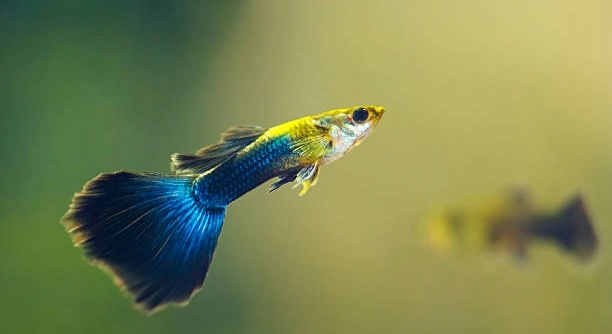
Guppies are beautiful and resilient fish, but they can sometimes fall ill. When your guppy is recovering, providing the right care can make a significant difference in their recovery journey.
Supporting guppy recovery after illness involves offering clean water, proper nutrition, and a stress-free environment. You may need to adjust their tank conditions, feed them specific foods, and monitor their behavior for signs of improvement.
By following simple steps, you can help your guppy regain its strength. Learn the key ways to support their recovery and improve their health moving forward.
Clean and Stable Water Conditions
When your guppy is recovering from an illness, clean water is crucial. Contaminated water can stress your fish and slow down the healing process. Regular water changes, ideally once a week, will help keep the environment clean. It’s also essential to monitor water temperature and pH levels. Sudden changes in either can be harmful to your guppy’s health. Maintain stable water conditions to reduce stress and support recovery.
Ensuring water parameters are optimal helps the immune system function properly. Keep an eye on ammonia, nitrite, and nitrate levels. Using a reliable water test kit can help monitor these conditions.
Water temperature plays a huge role in a guppy’s health. Keep it between 72–78°F (22–26°C). If the water is too cold or too warm, your guppy may become stressed and unable to recover properly. Using a heater can help maintain a consistent temperature. Don’t forget to use a high-quality water conditioner to eliminate chlorine or chloramine, which are harmful to your fish. A clean, stable environment supports the healing process and promotes overall health. If you’re unsure about water quality, it’s always a good idea to check and double-check your tank’s parameters before making any changes.
Proper Nutrition
Nutrition is essential for a guppy to recover. After illness, your fish may lose its appetite, making feeding tricky. Start with easy-to-digest foods like high-quality fish flakes, pellets, or frozen foods. You can even offer some live foods, like brine shrimp, to stimulate their appetite. Make sure to feed small amounts several times a day to encourage eating.
Proper nutrition aids in tissue repair and boosts the immune system. A balanced diet will speed up the recovery process.
During recovery, avoid overfeeding. Uneaten food can quickly pollute the tank, making the water quality worse. Guppies are not huge eaters, so small, frequent meals are the best way to go. Opt for food that is packed with nutrients like vitamins and minerals. If your guppy is still reluctant to eat, try soaking the food in garlic juice or a special fish food supplement. Ensuring your guppy has access to the right foods will help speed up the recovery process and keep them strong.
Reduce Stress Levels
Stress is one of the most significant factors that can slow down your guppy’s recovery. Stress weakens the immune system, making it harder for them to fight off illness. One way to reduce stress is to ensure the tank is quiet and free from disturbances. Keep the tank away from high-traffic areas to avoid scaring the fish.
Stress can also come from overcrowding or aggressive tankmates. Guppies are peaceful by nature, so make sure they’re not being bullied by other fish. If necessary, consider temporarily isolating the sick guppy in a quarantine tank until it recovers.
Aside from avoiding aggressive tankmates, you should also consider the overall tank setup. Bright lights or noisy equipment can stress out a recovering guppy. Consider dimming the lights and reducing the noise level from filters or aerators. Additionally, ensure the guppy has enough space to swim and hide if needed. A calm environment is key to helping your guppy regain its strength.
Monitor Behavior and Health
It’s important to keep a close eye on your guppy during the recovery process. Watch for any signs of improvement or setbacks. A healthy guppy will begin to show increased energy levels, swim more actively, and return to its normal behavior. If your guppy shows no signs of improvement, it may be time to adjust your care routine.
Check for physical signs like fading colors or lesions, which may indicate the illness is still present. Also, be aware of unusual behavior, such as lethargy or erratic swimming. If these signs continue, it might indicate a need for further treatment.
Regularly observe your guppy’s behavior to gauge its progress. If your fish starts to act like its usual self—swimming happily and interacting with others—it’s a sign that it’s recovering well. On the other hand, if it continues to show signs of illness, you might need to reconsider the water conditions or diet. Always be patient and adjust accordingly as you monitor the recovery process.
Use Medications When Necessary
Sometimes, illnesses require more than just water changes and a balanced diet. If your guppy is showing persistent signs of illness, medications may be necessary. Always consult an expert or vet before using any treatments. Some medications are gentle, while others might affect water quality, so follow instructions carefully.
Medications are available for many common guppy ailments, such as fin rot or parasites. Use the correct type for the specific illness your guppy is facing. Start with a medicated food or bath treatment, which can target infections directly. However, be careful when applying medication, as overdosing can harm your fish or the tank’s environment.
Before starting treatment, make sure the water parameters are stable. Some medications might require changes in the water’s temperature, pH, or hardness, which could affect your guppy’s recovery. If you’re unsure, always seek advice from an expert. A careful approach to using medication is important for your guppy’s health and safety.
Quarantine Sick Guppies
If your guppy is sick, it’s best to isolate it from the rest of your tank. A quarantine tank provides a calm, stress-free environment where the fish can heal. It also prevents the spread of illness to other fish. Use a simple tank setup without decorations or gravel to keep things basic.
A quarantine tank should have clean water, a gentle filter, and a heater to maintain stable temperatures. Make sure the tank is easy to clean, as sick fish can release more waste. For food, offer easily digestible options that can help with recovery. Watch for any signs of improvement as you monitor their behavior closely.
During quarantine, limit handling and try not to disturb the guppy too much. Avoid moving the fish unless absolutely necessary. Ensure that water changes are done frequently and make sure any uneaten food is promptly removed. If your guppy shows signs of recovery, you can slowly reintroduce it back into the main tank, but always proceed with caution.
Maintain a Consistent Feeding Schedule
It’s essential to feed your guppy at regular intervals, even during recovery. Small, frequent meals help maintain their energy levels and ensure they are getting the nutrients they need. Stick to the same feeding schedule to avoid stress. A consistent routine can support healing.
Don’t feed too much at once, as excess food can pollute the water. Overfeeding can lead to a build-up of ammonia and other harmful substances, worsening the tank conditions. Instead, offer just enough food that your guppy can finish in a few minutes. This way, your guppy can focus on recovery without dealing with poor water quality.
Reduce Tank Activity and Movement
A calm tank environment helps your guppy recover faster. Keep the tank’s activity to a minimum and avoid sudden movements around the aquarium. Too much activity can stress the fish and slow down its healing process. Ensure the tank is in a quiet, low-traffic area.
If possible, limit the presence of other fish that may be overly active. Fish that constantly swim around can make the guppy feel threatened or stressed, which may hinder its recovery. A peaceful tank with minimal disturbance will give your guppy the best chance to heal properly.
Avoid Overcrowding the Tank
Overcrowding can quickly cause stress, which can delay your guppy’s recovery. Ensure that your tank has enough space for each fish to swim comfortably. Guppies need room to move and should not be crammed in with too many other fish.
Overcrowding also increases waste, which can make the water quality drop. A clean and spacious environment helps your guppy focus on healing. Consider moving other fish to a separate tank temporarily if your aquarium feels too full. This step will create a less stressful and healthier environment for the guppy to recover.
FAQ
What should I do if my guppy isn’t eating during recovery?
If your guppy isn’t eating, it can be frustrating, but don’t panic. First, ensure the water temperature and quality are correct, as poor conditions can make fish lose their appetite. Try offering live foods like brine shrimp or daphnia, which can stimulate a guppy’s appetite. If your guppy continues to refuse food, reduce the stress in the tank by dimming lights and limiting movement. If it persists for more than a few days, consider a visit to a vet for further guidance.
How often should I change the water during recovery?
When a guppy is recovering from illness, water changes are essential to keep the environment clean and safe. Perform smaller, more frequent water changes—about 10 to 15% of the tank’s volume every 2 to 3 days. This helps remove toxins and maintains stable water quality without causing unnecessary stress. Avoid changing too much water at once, as it can shock the fish. Keep an eye on water parameters such as ammonia, nitrite, and nitrate levels to ensure the environment remains optimal.
Can stress affect my guppy’s recovery?
Yes, stress is a major factor in hindering a guppy’s recovery. When fish are stressed, their immune systems weaken, making it harder for them to fight off illnesses. To reduce stress, ensure your guppy has a peaceful environment. Keep the tank away from noisy areas, avoid overcrowding, and give them space to swim comfortably. Reducing tank activity and bright lighting can also help your guppy feel safe and recover faster.
Is it safe to use medication for my guppy during recovery?
Medications can be helpful if your guppy is still ill after some time. However, they should be used carefully. Always read the instructions and ensure the medication is appropriate for the specific illness. Some treatments may require adjustments to the water conditions, so double-check the recommended settings. Be cautious about overuse, as it can harm the fish and other inhabitants of the tank. If in doubt, seek advice from an expert or a vet specializing in aquatic animals.
How can I prevent future illnesses in my guppy?
To prevent future illnesses, maintaining a clean and stable environment is key. Regular water changes, proper filtration, and monitoring water temperature are essential. Provide a varied diet that includes high-quality flakes, pellets, and occasional live or frozen foods to keep your guppy healthy. It’s also important to avoid introducing new fish without quarantining them first to prevent the spread of diseases. Keeping the tank stress-free and avoiding overcrowding can also reduce the risk of illness.
Should I quarantine my guppy if it’s sick?
Yes, quarantine is a good idea if your guppy is ill. This helps to prevent the spread of diseases to other fish in the main tank. A separate quarantine tank also provides a controlled environment where your sick guppy can heal without the stress of other tankmates. The quarantine tank should have basic equipment—like a gentle filter, heater, and clean water—so the guppy can recover in peace. Be sure to monitor the sick fish closely to assess its progress.
How long does it take for a guppy to recover from illness?
The recovery time for a guppy can vary depending on the severity of the illness, the treatment provided, and the overall health of the fish. Typically, mild illnesses may take a few days to a week for full recovery, while more serious conditions could take longer. Patience is essential. If the guppy shows signs of improvement, keep monitoring its condition. If there is no improvement after a few weeks, consult a veterinarian for further treatment.
Can a guppy recover if its fins are damaged?
Yes, guppies can recover from damaged fins, but the extent of recovery depends on the severity of the injury. In cases of minor fin damage, the fins will typically heal over time with proper care. Make sure the water quality is good, and the guppy is eating a nutritious diet to support healing. If the fins are severely damaged or infected, you may need to treat the wound with medication to prevent infections. Ensure the tank is stress-free to help speed up the healing process.
What is the best way to feed a sick guppy?
For a sick guppy, it’s best to offer easy-to-digest, nutritious foods. Start with high-quality fish flakes or pellets and gradually add live or frozen food like brine shrimp or bloodworms to entice the guppy to eat. Avoid overfeeding, as leftover food can pollute the water. Feed small amounts multiple times a day to ensure your guppy gets enough nutrition. If your guppy refuses to eat, try soaking the food in garlic juice or a special supplement that can help stimulate appetite.
How can I improve my guppy’s immune system during recovery?
To boost your guppy’s immune system during recovery, feed them a nutritious and varied diet. Foods rich in vitamins and minerals, like spirulina or vitamin-enriched flakes, can help strengthen their immune system. Maintaining clean water and a stable temperature is also crucial, as stress can weaken their defenses. If needed, you can use immune-boosting supplements specifically designed for aquarium fish. However, always follow the instructions and consult an expert before using any supplements.
Should I remove sick guppies from the main tank?
Yes, it’s a good idea to remove sick guppies from the main tank, especially if you suspect they have a contagious illness. By isolating the sick fish, you can prevent the spread of disease to the other fish and provide a controlled environment for recovery. Use a separate quarantine tank with stable water conditions to monitor the fish’s progress. If the sick guppy starts recovering, you can consider reintroducing it to the main tank, but be sure it’s completely healed first.
Final Thoughts
Caring for a sick guppy can be challenging, but with the right approach, you can help them recover and thrive again. The key is creating a stable environment with clean water, proper nutrition, and minimal stress. Regular water changes and ensuring the right water parameters are crucial for your guppy’s recovery. Maintaining a consistent feeding schedule also helps provide the energy needed for healing. Remember, even small adjustments can make a big difference in your guppy’s well-being.
It’s also important to keep monitoring your guppy’s health during recovery. By watching their behavior closely, you can quickly spot signs of improvement or if there’s something more serious going on. If the illness persists, using the right medication or seeking advice from an expert may be necessary. However, be cautious when using any treatments, as some can negatively affect the water quality or harm the fish if used incorrectly. Always follow the instructions carefully when administering medications.
Finally, prevention is key. Keeping your guppy’s tank clean and stress-free will help prevent future illnesses. Ensuring they have a balanced diet, proper tank mates, and enough space to swim will promote their overall health. Quarantining new fish before introducing them to the tank can help reduce the risk of introducing diseases. By following these practices, you can help ensure your guppy stays healthy and happy in the long run.

Hello,
If you enjoy the content that we create, please consider saying a "Thank You!" by leaving a tip.
Every little bit helps us continue crafting quality advice that supports the health, happiness, and well-being of pets around the world, for pets of all shapes, sizes, and species.
We really appreciate the kindness and support that you show us!