
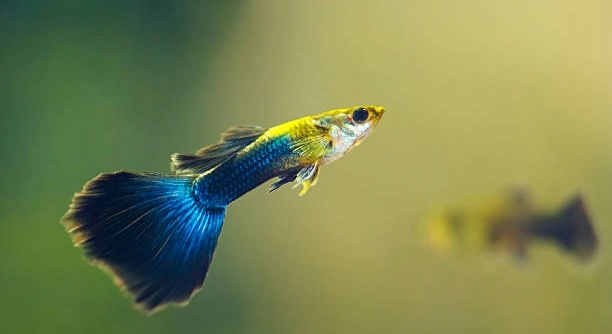
Keeping guppies happy in community tanks requires more than just providing basic care. It involves creating a peaceful and supportive environment that promotes their well-being. Understanding their needs will help ensure they thrive in a shared aquarium.
To keep guppies happy in community tanks, focus on water quality, temperature, and tank mates. Providing hiding spots, maintaining stable conditions, and offering a varied diet are also key factors. A well-balanced environment promotes their health and reduces stress.
By maintaining the right conditions, you can ensure your guppies remain content and healthy in a shared space.
Water Quality and Filtration
Maintaining clean and stable water is essential for guppy health in community tanks. Regular water changes, combined with an efficient filtration system, will help prevent the build-up of toxins like ammonia and nitrites. Guppies thrive in water with a pH level between 7.0 and 8.0 and a temperature between 75°F and 80°F. These factors help them stay healthy and reduce stress. Water should be tested regularly to ensure that all parameters are within a safe range. If possible, use a water conditioner to remove harmful chemicals like chlorine and chloramine from tap water.
A reliable filter system is necessary to remove waste particles and excess food from the tank. Without it, harmful substances can accumulate, creating an unhealthy environment for guppies. Keep the filter clean, but avoid over-cleaning it, as beneficial bacteria can be removed.
Proper water quality is the foundation of a healthy tank. By consistently monitoring water conditions and keeping the tank clean, you can ensure your guppies live in a thriving environment.
Suitable Tank Mates
Choosing the right tank mates is vital for maintaining a peaceful aquarium. Guppies are peaceful fish and should be paired with non-aggressive species. Avoid adding larger fish that may see guppies as food or smaller species that could easily get stressed.
When selecting tank mates, consider the size, temperament, and swimming patterns of potential companions. Guppies do well with other small, peaceful fish such as tetras, mollies, or platies. Be mindful of fin-nipping species, as guppies have long, flowing fins that could become a target. Adding too many fish can cause overcrowding, leading to stress and poor water quality.
To ensure harmony, it’s also important to introduce fish gradually and monitor how they interact. A tank with a diverse range of peaceful fish can provide guppies with a stress-free and engaging environment.
Providing Hiding Spots
Guppies may appear social, but they also appreciate having places to hide. Incorporating plants, rocks, and decorations into the tank offers them a sense of security. This is particularly important in a community tank where there may be more active or territorial fish.
Guppies enjoy swimming through plants and decorations, but they also need quiet spaces to retreat to when they feel threatened. These hiding spots are essential, especially in tanks with more dominant species. Dense plants like Java Fern or Anubias can offer both shelter and aesthetic appeal. Additionally, caves and driftwood provide both hiding spaces and opportunities for natural behavior.
By offering various hiding spots, guppies can retreat when they feel stressed or need rest, allowing them to feel safe and comfortable in their environment. This helps reduce stress and contributes to their overall happiness and health.
Proper Feeding and Diet
Guppies thrive on a varied diet. Offer them high-quality flake food, supplemented with live or frozen options like brine shrimp, daphnia, and bloodworms. This variety ensures they get the essential nutrients for growth and vitality.
Avoid overfeeding, as this can lead to water quality issues. Feed guppies small amounts two to three times a day. Remove any uneaten food after a few minutes to prevent it from decomposing and affecting water quality. Also, ensure that the food is appropriate for their size and digestive needs. Healthy eating habits will keep them active and vibrant.
Providing the right food helps to maintain a strong immune system and supports reproductive health. Guppies are active swimmers, and proper nutrition boosts their energy levels, allowing them to interact better with tank mates and enjoy their environment. A balanced diet will also reduce the risk of common fish diseases.
Regular Tank Maintenance
Regular tank maintenance ensures a clean and safe environment for your guppies. Clean the tank glass and remove algae buildup regularly. Use a soft sponge to avoid scratching the glass. Also, check the filter every few weeks to make sure it’s working efficiently.
Monitor the water temperature and pH levels consistently. Any significant changes in these parameters can cause stress for the guppies. Conduct partial water changes of 25% every two weeks to maintain water quality. This will help prevent toxins from accumulating and keep the water clear. Also, clean the substrate and remove waste using a siphon to prevent waste build-up.
Regular maintenance helps reduce the chances of disease outbreaks and ensures that the environment remains stable for your guppies. A well-maintained tank provides them with a healthy, stress-free environment where they can thrive, showing their true colors and behaviors.
Tank Size and Space
Guppies need ample space to swim and explore. A tank of at least 10 gallons is recommended for a small group. Overcrowding can lead to stress and poor water quality, which harms their health.
A larger tank allows for a stable environment, with better filtration and more space for plants and decorations. The more space they have, the less territorial behavior they’ll exhibit, resulting in a more harmonious community tank. Maintaining a proper tank size ensures that each guppy has enough space to thrive and stay active.
Temperature Control
Consistent water temperature is key to guppy well-being. Guppies are tropical fish, requiring water between 75°F and 80°F. Sudden temperature fluctuations can cause stress and even illness.
Use a reliable heater to maintain a steady temperature and avoid drastic changes. Regularly check the temperature to ensure it stays within the ideal range. Stable conditions encourage healthy behavior and reduce the risk of diseases. Guppies will be more active and comfortable when their environment is consistently warm, and this leads to a happier, more vibrant aquarium.
Stress Reduction
Guppies are sensitive to stress, which can lead to health problems. Avoid sudden changes in their environment, and make sure their tank mates are compatible.
Keeping water quality high, providing plenty of hiding spots, and avoiding overcrowding will help reduce stress. Regularly observe their behavior for signs of distress, like hiding or aggression. A stress-free environment allows guppies to swim, breed, and interact more naturally. Healthy guppies are active, colorful, and resilient, all of which contribute to their overall happiness.
FAQ
How often should I feed my guppies?
Guppies should be fed two to three times a day. Offer small portions that they can consume within a few minutes to prevent overfeeding. Uneaten food should be removed to avoid water contamination. Consistent feeding helps maintain their energy levels and overall health.
Can guppies live with other fish?
Yes, guppies are peaceful and do well with other non-aggressive species. It’s important to avoid large or aggressive fish, as they may stress out the guppies. Good tank mates include mollies, platies, and tetras. Always observe their interactions to ensure peaceful coexistence.
What is the ideal water temperature for guppies?
Guppies thrive in water between 75°F and 80°F. Maintaining a stable temperature is important to avoid stress and health problems. Use an aquarium heater to regulate the temperature, and check it regularly to make sure it stays within the recommended range.
How can I tell if my guppy is sick?
Signs of illness in guppies include lethargy, loss of appetite, faded colors, abnormal swimming behavior, or visible spots on their body. If you notice any of these signs, check water quality and consider isolating the affected fish in a quarantine tank to prevent the spread of disease.
How do I prevent algae growth in my tank?
To prevent algae, ensure your tank has proper filtration and avoid overfeeding. Algae thrive in tanks with excess nutrients, so performing regular water changes and removing any uneaten food will help reduce algae growth. Adding live plants also competes with algae for nutrients, helping to keep it under control.
Can I keep male and female guppies together?
Yes, male and female guppies can be kept together, but keep in mind that males will often chase females due to their breeding behavior. If you don’t want to breed guppies, it’s best to keep only males or maintain a balanced male-to-female ratio to reduce stress on the females.
How do I know if my guppies are breeding?
When breeding, male guppies will display brighter colors and more pronounced fins to attract females. You may notice males chasing females. After successful mating, female guppies will give birth to live young, usually in about 21 to 30 days. Pregnant females will have a noticeable dark spot near their abdomen.
What kind of decorations should I use in my guppy tank?
Guppies enjoy plants, rocks, and decorations that provide hiding spots and swimming space. Live plants like Java Moss or Anubias work well, providing shelter while improving water quality. Avoid sharp decorations that could tear their delicate fins. A few well-placed hiding spots will keep your guppies comfortable.
How can I prevent my guppies from getting stressed?
To prevent stress, maintain stable water parameters and avoid overcrowding. Provide plenty of hiding spots and make sure they’re not kept with aggressive fish. Regularly check their behavior for signs of distress, and make necessary adjustments to their environment if needed. Healthy guppies are less likely to experience stress.
What is the best type of food for guppies?
Guppies thrive on a varied diet. High-quality flake food can be supplemented with live or frozen options like brine shrimp, daphnia, and bloodworms. Providing a balanced diet with proteins and essential nutrients will support their growth and overall health. Avoid feeding them too much, as it can affect water quality.
How often should I perform water changes in my guppy tank?
Water changes should be done every two weeks, but this can vary depending on tank size and filtration. A 25% water change is usually recommended, as it helps to remove accumulated toxins and waste. Regular water changes improve water quality, ensuring a healthy environment for your guppies.
Can I keep guppies with other species of livebearers?
Yes, guppies can live with other livebearers, like mollies, swordtails, and platies. These species have similar care requirements, including water temperature and pH levels. However, ensure that tank mates are compatible in terms of temperament, as more aggressive livebearers can stress out guppies.
Why are my guppies’ colors fading?
Fading colors can be a sign of stress or poor water conditions. Check the water quality, including pH, ammonia, and nitrate levels, to ensure everything is within the safe range. Stress from aggression or overcrowding can also lead to color loss. Providing a calm environment and proper care can restore their vibrant colors.
How long do guppies live?
Guppies typically live 2 to 3 years when kept in optimal conditions. Their lifespan can be affected by water quality, diet, and tank mates. Proper care, including regular water changes, proper feeding, and maintaining a stable environment, can help them live longer and healthier lives.
Should I quarantine new guppies before adding them to my tank?
Yes, it’s a good idea to quarantine new guppies for 2-3 weeks before introducing them to your main tank. This allows you to observe for signs of disease or parasites. Quarantining helps prevent the spread of illness and ensures that the new fish are healthy before joining the community tank.
What size tank is best for guppies?
A tank size of at least 10 gallons is ideal for a small group of guppies. This provides ample swimming space and helps maintain stable water conditions. Larger tanks are preferable, as they allow for better filtration and more options for adding plants and decorations.
Final Thoughts
Caring for guppies in a community tank is not overly complicated, but it requires attention to detail. By ensuring they have enough space, clean water, and suitable tank mates, guppies can thrive. It is important to maintain stable water parameters, including temperature, pH, and hardness, as these factors play a significant role in their health. Regular water changes are essential to keep the environment clean and free from harmful toxins. Providing a good balance of nutrition and observing them for signs of illness or stress can help prevent many common problems.
Feeding your guppies the right amount of food is also a crucial part of keeping them happy. Overfeeding can lead to water contamination, while underfeeding can cause malnutrition. Offering a varied diet with high-quality flake food, along with occasional live or frozen options, will help keep them healthy and active. You should also observe the behavior of your guppies regularly to ensure they are not stressed or ill. Any signs of illness should be addressed promptly, as guppies are susceptible to various diseases. Keeping their environment calm and stable is key to preventing stress-related issues.
Overall, maintaining a healthy, balanced tank for your guppies requires a bit of effort, but the rewards are worth it. These colorful fish add beauty and life to any aquarium, and when kept properly, they can live long and happy lives. By following the right steps, such as keeping their tank clean, ensuring proper nutrition, and reducing stress, you will provide an environment that promotes their well-being. With proper care, your guppies can enjoy their community tank and contribute to a thriving aquatic habitat.

Hello,
If you enjoy the content that we create, please consider saying a "Thank You!" by leaving a tip.
Every little bit helps us continue crafting quality advice that supports the health, happiness, and well-being of pets around the world, for pets of all shapes, sizes, and species.
We really appreciate the kindness and support that you show us!