
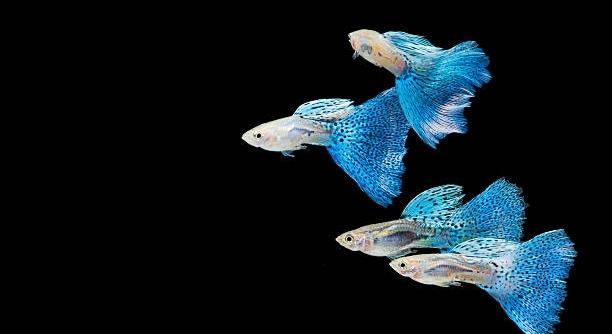
Maintaining the right temperature in your guppy tank is essential for their health. Temperature fluctuations can stress your fish, leading to health issues. Finding ways to keep it stable will ensure they thrive in their environment.
Controlling guppy tank temperature requires consistent monitoring and the use of various methods. Invest in a reliable heater, thermometer, and consider insulating the tank. Adjustments may also include using fans, air conditioning, or warm water baths.
Ensuring your guppies are comfortable means taking proper steps to maintain stable conditions. Proper temperature control is a key element in their overall well-being.
Using a Reliable Heater
A high-quality heater is one of the most effective ways to maintain a consistent temperature in your guppy tank. These heaters help regulate the water temperature by automatically adjusting when needed. Make sure the heater is rated for the size of your tank to ensure it can handle the volume of water.
It’s also important to place the heater in an area with good water flow. This ensures that the temperature is evenly distributed, avoiding hotspots or cold areas. Regularly check the heater’s performance to ensure it functions properly.
If your heater isn’t working as expected, it could cause temperature instability, putting your guppies at risk. Having a backup heater can be beneficial in case of a malfunction. Invest in one that offers easy temperature adjustment and automatic shutoff features for safety.
Using a Thermometer
A thermometer is essential for monitoring the temperature accurately. Placing one in the tank allows you to know whether the heater is working properly. Regular checks will give you peace of mind, knowing your fish are in the right environment.
Thermometers come in various types, from glass to digital. They are affordable and easy to use. Place it where it can show the tank’s general temperature and provide accurate readings.
Insulating Your Tank
Insulating your guppy tank helps maintain stable water temperature. You can use materials like foam or styrofoam to cover the tank’s sides, reducing heat loss during colder months. This is especially useful for tanks in cooler environments.
By adding insulation, you protect the tank from rapid temperature fluctuations caused by external factors like drafts or air conditioning. Insulation helps keep the water warmer without the need for excessive heating. It’s an affordable way to ensure your guppies stay comfortable and safe.
Regularly check the insulation to ensure it hasn’t shifted or damaged. Replace any material that shows wear and tear to maintain its effectiveness. This small investment can go a long way in creating a stable environment for your fish.
Adjusting Room Temperature
The surrounding room temperature plays a significant role in maintaining your guppy tank’s temperature. Keeping the room at a steady temperature can help prevent fluctuations in the water. If possible, place the tank in a room with consistent heating.
If the room temperature is too low, the water will cool down, making it harder for the heater to maintain the proper temperature. Conversely, a room that is too warm can cause the water to overheat, which stresses your fish. Ideally, the room should be between 72°F and 78°F.
Make sure the tank is not placed near windows or vents, as drafts can cause temperature swings. Monitoring room temperature will help reduce the load on the heater and create a more stable environment for your guppies.
Using a Fan to Cool the Tank
Using a fan can help cool your guppy tank during warmer months. Directing a fan toward the tank can increase evaporation, which lowers the water temperature. This can be a simple, cost-effective way to prevent overheating.
Position the fan so that it blows across the water’s surface, but not directly into it. This ensures the air circulates efficiently, helping to cool the tank without creating too much disturbance. Regularly monitor the water temperature to ensure it stays within a safe range for your guppies.
Adding Ice Packs
If your tank is too warm, ice packs can help quickly lower the water temperature. Place ice cubes in a sealed bag and float them in the tank. This method is temporary, but effective for cooling water in emergencies.
Make sure to monitor the temperature closely when using ice packs to prevent the water from getting too cold.
FAQ
What is the ideal temperature for a guppy tank?
The ideal water temperature for guppies is between 74°F and 82°F. Keeping the temperature within this range ensures that your guppies are comfortable and healthy. If the water temperature drops too low, guppies may become sluggish and more prone to disease. If it gets too high, they can experience stress, leading to reduced life expectancy.
How do I know if the water temperature is too high for my guppies?
Signs that the water temperature is too high include rapid breathing, lethargy, and gasping at the water’s surface. If the temperature rises above 82°F, guppies may become stressed and less active. Overheated water also reduces the oxygen levels, making it harder for your fish to breathe.
Can I use a heater with an aquarium thermometer to regulate temperature?
Yes, using both a heater and an aquarium thermometer is one of the most reliable methods to control the temperature. The heater will maintain the temperature, while the thermometer helps you monitor it. A thermometer is essential for ensuring the water stays within the optimal range for your guppies.
How can I stabilize the temperature in my guppy tank during temperature changes?
To stabilize the temperature, avoid sudden temperature changes. You can use a tank cover to help keep heat from escaping. Additionally, insulating the sides of your tank can reduce heat loss. Keep the tank away from drafts or direct sunlight, as these can cause fluctuations.
What are the risks of using too much heat in a guppy tank?
Excessive heat can lead to poor water quality and reduced oxygen levels, both of which can stress your guppies. High temperatures can also cause your fish to become more susceptible to disease. It’s important to avoid overheating by monitoring both the tank’s temperature and the heater’s performance.
How do I maintain consistent water temperature if I live in an area with extreme temperatures?
In areas with extreme temperatures, consider using a high-quality aquarium heater with a built-in thermostat. It will automatically adjust to maintain a consistent temperature. Insulating your tank and using a room heater or air conditioner to stabilize the room temperature can also help prevent fluctuations.
Can I control the temperature by adjusting the light in the tank?
While aquarium lights can generate some heat, they are not a reliable way to control water temperature. The heat from lights is usually insufficient to maintain the proper temperature, especially in larger tanks. It’s better to use an appropriate heater for more consistent results.
How often should I check the temperature in my guppy tank?
It’s recommended to check the temperature at least once a day. This will help you quickly detect any issues and prevent the water from becoming too hot or cold. If you have a reliable thermometer, you can monitor the temperature continuously for peace of mind.
What is the best way to cool down a tank if it gets too hot?
If your tank is too hot, you can cool it down by using a fan to increase evaporation. You can also add ice packs to the tank, floating them in a sealed plastic bag. However, avoid drastic temperature changes as this can stress your fish. Gradual cooling is safer.
Can I use a fan to warm up the tank in colder weather?
A fan alone will not heat the tank. However, if combined with other heating methods like a reliable aquarium heater, it can help circulate warm air around the tank. Make sure the tank’s temperature remains stable and within the optimal range for your guppies.
What should I do if my heater stops working?
If your heater stops working, remove it from the tank immediately to prevent any electrical issues. Check if it needs a reset or replacement. In the meantime, you can temporarily use ice packs or warm water baths to keep the temperature stable. Always replace the faulty heater promptly.
Is it safe to use a thermostat for better temperature control?
Yes, a thermostat can help you maintain a consistent temperature in your guppy tank. It allows you to set the ideal temperature and ensures that the heater turns off once it’s reached. Many heaters have built-in thermostats, but a separate one can provide extra control.
Can I adjust the temperature to make my guppies breed more easily?
Maintaining a steady temperature is crucial for breeding guppies. A temperature of around 78°F to 80°F promotes breeding. However, sudden temperature changes can stress your guppies and hinder the process. Keeping the temperature stable is key for encouraging healthy and successful breeding.
Final Thoughts
Maintaining a stable temperature in your guppy tank is crucial for their health and well-being. Guppies are sensitive to temperature changes, and even small fluctuations can cause stress. Keeping the water temperature between 74°F and 82°F is ideal for promoting a healthy environment where they can thrive. Regularly monitoring the tank’s temperature and using a quality heater or thermometer ensures that your fish remain comfortable and safe.
The methods discussed, such as using a reliable heater, insulating the tank, and adjusting the room temperature, all contribute to a more consistent environment. By using fans to cool the water or ice packs in emergencies, you can effectively manage temperature spikes. At the same time, it’s important to ensure that the tank is not exposed to drafts or direct sunlight. With proper temperature control, your guppies will be less likely to experience stress or health problems related to fluctuating temperatures.
Ultimately, providing a stable temperature is one of the simplest yet most effective ways to support your guppies’ overall health. It’s a straightforward task that can be easily managed with the right equipment and regular checks. With the correct setup, you’ll create an environment where your guppies can live happily and even breed successfully. Consistency is key, so always stay on top of water temperature to ensure that your guppies continue to thrive in their tank.

Hello,
If you enjoy the content that we create, please consider saying a "Thank You!" by leaving a tip.
Every little bit helps us continue crafting quality advice that supports the health, happiness, and well-being of pets around the world, for pets of all shapes, sizes, and species.
We really appreciate the kindness and support that you show us!