
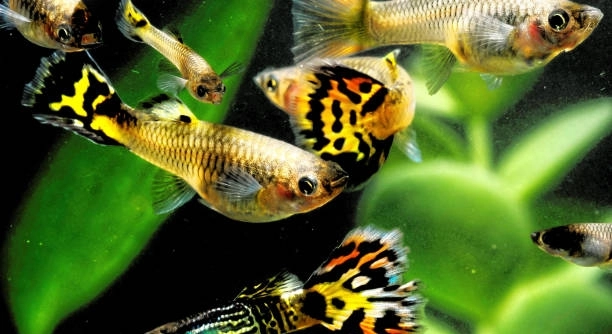
Guppies are popular aquarium fish known for their bright colors and lively behavior. Ensuring healthy growth is important for maintaining their well-being. Here are some helpful tips to make sure your guppy thrives in its environment.
To ensure healthy guppy growth, it’s crucial to provide optimal water conditions, a balanced diet, and a stress-free environment. Regular water changes, appropriate tank size, and proper feeding habits will support their overall development and prevent potential health issues.
Taking these steps will give your guppy the best chance for growth and happiness. Following the right practices can make a noticeable difference in their health and longevity.
Proper Tank Size is Key
A spacious tank is essential for guppy growth. A tank that is too small can lead to overcrowding, which stresses the fish and hampers their growth. Guppies need room to swim and explore, as this keeps them active and healthy. For a small group of guppies, a tank of at least 10 gallons is ideal. The more space they have, the better they’ll thrive.
In a tank that’s too small, guppies can become territorial or feel cramped, which leads to stunted growth and weakened immune systems. It’s best to provide them with as much space as possible.
A larger tank also makes it easier to maintain stable water conditions, as there’s more room for water filtration and oxygen exchange. This contributes to healthier fish. Adding plants and hiding spots helps reduce stress, allowing your guppies to feel comfortable and safe while growing.
Consistent Water Quality Matters
Water quality directly impacts your guppy’s health. Poor water conditions can quickly lead to disease and slow growth. Regular water changes are essential to maintain a healthy environment. Aim for at least a 25% water change every week. This helps remove toxins, waste, and excess nutrients.
In addition to water changes, test the water regularly for key parameters like pH, ammonia, and nitrate levels. Guppies thrive in slightly alkaline water, with temperatures between 74°F and 82°F. Keeping the water clean and stable minimizes stress and encourages steady growth.
Maintaining proper filtration is equally important. A good filter helps keep the water clean by removing debris and excess particles. It also promotes oxygen circulation, which is essential for guppy health. Regular maintenance of the filter is necessary to ensure it functions properly. Healthy water promotes healthy fish, supporting their growth in a natural and sustainable way.
Balanced Diet is Essential
A varied and balanced diet is crucial for healthy guppy growth. Guppies are omnivores, so they need both plant-based and protein-rich foods. Provide high-quality pellets, along with occasional treats like brine shrimp, daphnia, and finely chopped vegetables.
Overfeeding can lead to water pollution, which affects your guppy’s health. Feed your guppies two to three times a day, offering only what they can consume in a few minutes. This helps avoid excess waste in the tank and ensures they get the right amount of nutrition.
Incorporate different types of food to mimic their natural diet. Offering a combination of flake foods, frozen foods, and live foods helps keep them engaged and ensures they get all the nutrients they need. A balanced diet promotes proper growth and enhances their colors.
Temperature Control for Growth
Maintaining a consistent water temperature is key for guppy growth. Guppies are tropical fish and thrive in water temperatures between 74°F and 82°F. If the water is too cold, their metabolism slows, which can stunt their growth.
Invest in a reliable aquarium heater to keep the water temperature stable. Fluctuating temperatures cause stress, which weakens the immune system and makes your guppies more susceptible to disease. It’s also important to monitor the temperature regularly using a thermometer to avoid extreme changes.
If your room temperature changes throughout the day, the heater will help maintain a steady environment for your guppies. Keeping the water at the right temperature helps promote growth, supports proper digestion, and keeps your guppies active. A stable temperature also makes them less stressed and more likely to thrive.
Proper Tankmates for Guppies
Guppies are peaceful fish, but the wrong tankmates can cause stress, which affects their growth. Avoid aggressive species that might nip at your guppies. Good companions include small, non-aggressive fish like neon tetras or Corydoras catfish.
Keeping the tankmates compatible helps maintain a peaceful environment, allowing your guppies to grow without the added stress. Stress-free fish grow healthier and more vibrant.
Stress can slow down growth, so choosing the right tankmates is essential. Incompatible species can cause constant fear, which makes it harder for your guppies to thrive. A calm environment contributes to faster, healthier growth.
Regular Monitoring and Observation
Regular monitoring of your guppies is important to catch any health issues early. Check for signs of illness, like abnormal swimming patterns or changes in appearance. Early intervention can prevent bigger problems down the road.
Observing your guppies also helps you track their growth and behavior. If any guppy appears weaker than others, you can separate it for closer care. This helps avoid potential infections from spreading.
Frequent checks also ensure they’re eating properly and that water quality remains consistent. Monitoring also helps keep your guppies happy and healthy, preventing issues before they arise.
Keeping the Tank Clean
Maintaining a clean tank is crucial for guppy growth. Regularly remove any uneaten food and waste to prevent ammonia buildup. Perform partial water changes at least once a week to keep the environment fresh.
A clean tank reduces stress and keeps water conditions stable, helping guppies thrive. When the tank is too dirty, it can lead to poor water quality, which impacts their health and slows down their growth.
FAQ
How often should I feed my guppies?
It’s best to feed guppies two to three times a day. Give them only what they can eat in a few minutes. Overfeeding can pollute the water and cause health issues. Guppies are small and have fast metabolisms, so feeding them small portions regularly keeps them healthy and helps with growth.
Can I keep guppies in a small tank?
While it’s possible to keep guppies in smaller tanks, it’s not recommended for long-term growth. A 10-gallon tank is a good starting point for a few guppies. Smaller tanks lead to overcrowding, which can cause stress, slow growth, and health problems. A larger tank offers more space and helps maintain stable water conditions, which is essential for guppy health.
What is the best water temperature for guppies?
Guppies thrive in water temperatures between 74°F and 82°F. Keeping the water at a consistent temperature is important for their health and growth. If the water is too cold, it can slow down their metabolism, leading to stunted growth and a higher risk of illness. Use a reliable heater to maintain the proper temperature range.
Do guppies need a filter?
Yes, guppies need a filter. A good filter helps maintain water quality by removing excess waste, debris, and harmful chemicals. It also promotes oxygen circulation in the tank. Regular filter maintenance is necessary to ensure it continues to function properly. A clean tank leads to healthier guppies and supports their growth.
How do I prevent diseases in my guppies?
To prevent diseases, keep the tank clean, maintain proper water conditions, and avoid overcrowding. Regular water changes help keep toxins in check, while a balanced diet boosts your guppy’s immune system. Quarantining new fish before adding them to the tank can also prevent the spread of disease.
What should I do if my guppy is sick?
If a guppy appears sick, isolate it in a separate tank to avoid spreading any potential illness. Check for signs such as unusual swimming behavior, spots, or lethargy. You may need to adjust the water conditions or treat the tank with aquarium-safe medications. If the symptoms persist, consider seeking advice from an aquarium specialist.
How long do guppies live?
Guppies typically live for about 2 to 3 years, though some may live longer with excellent care. Their lifespan depends on water quality, diet, and overall tank conditions. Keeping them in a stress-free environment with regular maintenance can help extend their life and ensure they live a healthy, happy existence.
Can I breed guppies in my tank?
Yes, guppies breed easily in tanks. To breed them successfully, make sure you have both males and females. Female guppies can give birth to several fry at a time. If you don’t want baby guppies, you can separate the males and females or introduce only males to the tank. Make sure to provide plants and hiding spaces for the fry to grow safely.
What do guppies need to grow properly?
Guppies need a well-balanced diet, a clean tank with stable water conditions, and a stress-free environment to grow properly. Regular water changes, proper filtration, and appropriate tankmates all play a role in their growth. They also need enough space to swim freely and develop without being overcrowded.
How do I know if my guppy is growing well?
A healthy, growing guppy will be active, eat regularly, and display vibrant colors. If your guppy is consistently active, swimming around and eating, it’s a good sign that it’s growing well. Stunted or slow growth is often a result of poor water conditions, an inadequate diet, or stress.
What should I do if my guppy is not eating?
If your guppy isn’t eating, it could be a sign of stress, illness, or poor water conditions. Check the water quality to ensure it’s optimal. If the tank is clean and the water parameters are correct, try offering a variety of foods, such as live or frozen foods. If the problem persists, consider isolating the guppy to assess for illness.
Can guppies live with other species of fish?
Guppies can live with other peaceful species that won’t harm them. Small fish like neon tetras or Corydoras catfish are good companions. However, avoid keeping them with aggressive fish, as this can stress your guppies and stunt their growth. Always research potential tankmates before introducing them to your guppy tank.
How can I make sure my guppies are happy?
To ensure your guppies are happy, provide them with a spacious tank, proper filtration, stable water temperature, and a balanced diet. Keep the tank clean and stress-free by choosing compatible tankmates and providing hiding spots. Regular monitoring helps you spot any issues early, so your guppies stay healthy and happy.
What should I do if my guppy is pregnant?
If your female guppy is pregnant, separate her from the males to prevent further mating. Provide plenty of plants or hiding spots for the fry to take refuge once born. After she gives birth, you can remove her from the breeding tank or let her stay with the fry if she’s not too aggressive.
Final Thoughts
Caring for guppies is a rewarding experience, but it requires attention to detail. These small, colorful fish thrive in a stable, clean environment with the right care. Providing proper tank size, water quality, and a balanced diet is essential for their growth and overall health. Guppies are relatively low-maintenance but still need proper monitoring to ensure they stay happy and healthy.
By maintaining a consistent temperature and water conditions, as well as keeping an eye on their behavior, you can help your guppies live longer, healthier lives. It’s also important to give them enough space to swim and grow without feeling crowded. Regular water changes and filtration are essential in preventing harmful toxins from building up. These simple steps will help keep your guppies in top condition, allowing them to thrive and display their vibrant colors.
Overall, taking care of guppies involves creating a comfortable and stress-free environment. Regularly check on their health, feed them the right foods, and ensure they are living in a clean, safe space. With proper care, guppies can live for years, providing beauty and joy to your aquarium. Following these tips will ensure that your guppies grow strong and stay healthy for as long as possible.

Hello,
If you enjoy the content that we create, please consider saying a "Thank You!" by leaving a tip.
Every little bit helps us continue crafting quality advice that supports the health, happiness, and well-being of pets around the world, for pets of all shapes, sizes, and species.
We really appreciate the kindness and support that you show us!