
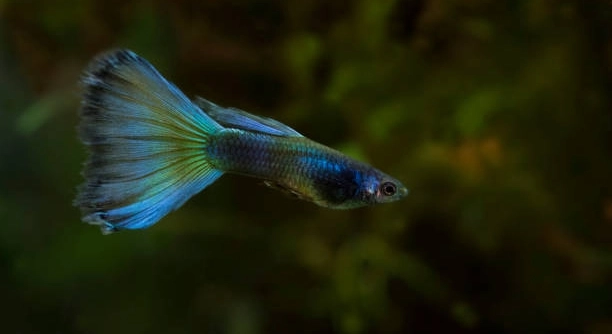
Guppies are lively and colorful fish, often a popular choice for aquarium enthusiasts. However, sometimes you may notice your guppies avoiding the substrate, which can be puzzling. Understanding the reasons behind this behavior can help ensure their well-being.
The primary reason your guppies might be avoiding the substrate is due to stress, water quality issues, or discomfort. Poor water conditions, inadequate tank environment, or changes in their habitat can lead to this behavior. Addressing these issues can improve their comfort.
Knowing the potential causes behind this behavior can help you create a healthier environment for your guppies. Identifying factors like stress, water quality, and other environmental aspects will help improve their overall health and happiness.
Poor Water Quality
Water quality is one of the most important factors in your guppies’ behavior. If the water parameters are off, they may avoid the substrate. Guppies are sensitive to ammonia, nitrites, and nitrates, which can build up quickly if the tank isn’t properly maintained. Dirty or poorly filtered water can cause discomfort, leading to abnormal behavior like staying near the surface and avoiding the bottom of the tank. Make sure to test the water regularly and perform frequent water changes to keep it clean. If your tank’s water is not up to standard, your guppies may not feel safe enough to explore their environment as they normally would.
A regular water testing routine can ensure your guppies remain healthy. Keep an eye on ammonia, nitrites, and nitrates, and act quickly if levels are high.
Water filters and water conditioners can help maintain the right balance. You may also need to adjust the temperature and pH levels, as these factors also affect your guppies’ comfort. If the water is too cold or too warm, your fish may choose to stay closer to the surface to avoid the discomfort of fluctuating temperatures. Additionally, make sure your tank is not overcrowded, as this can lead to poor water conditions. Guppies thrive best in stable and clean environments. By addressing water quality, you’ll create a more suitable habitat where your guppies will feel comfortable exploring all areas of their tank.
Stress and Anxiety
Stress can have a significant impact on your guppies’ behavior.
If your guppies are constantly feeling stressed, they might avoid the substrate altogether. This could happen for various reasons, such as noisy surroundings, sudden changes in the tank environment, or too many other fish. Guppies may also avoid the bottom if they’re not comfortable with their tank mates. Aggressive or overly active fish can make your guppies feel threatened, causing them to hide or stay away from the substrate. Keeping the tank peaceful and quiet is crucial in reducing stress levels. If you notice frequent hiding, you may want to evaluate the tank’s setup to ensure it’s calm and stress-free.
By adjusting the tank’s environment and minimizing stressors, you can help your guppies feel secure enough to explore the entire tank again. Consider reducing the number of fish or adding more hiding spaces for them to retreat to.
Lack of Hiding Spaces
Guppies feel safer when they have places to hide. Without sufficient hiding spots, they may feel exposed and avoid the substrate, staying near the surface instead.
In an aquarium, guppies need plants, rocks, or decorations to create hiding areas. If the tank lacks these elements, they might become more stressed and avoid the bottom. The absence of places to retreat can cause them to swim aimlessly or stay near the top of the tank. Adding more hiding spots can help reduce their anxiety, allowing them to explore freely without feeling threatened.
The right hiding spaces also mimic a more natural environment for your guppies. Consider adding floating plants or caves that provide shelter. With these additions, your guppies will feel safer and more secure, encouraging them to venture into all areas of the tank, including the substrate. Ensuring they have a mix of hiding spots will contribute to a balanced, stress-free habitat for your fish.
Inadequate Tank Setup
If the tank isn’t set up correctly, it could discourage your guppies from exploring the bottom.
Guppies thrive in tanks that mimic their natural habitat, which includes plenty of swimming space, hiding spots, and stable water conditions. An overcrowded tank or improperly arranged decorations can make the substrate seem like an undesirable area. For example, if the substrate is too coarse, guppies might avoid it because it can irritate their fins. A messy or poorly organized tank will make your guppies feel uncomfortable and less likely to explore.
Proper tank setup involves ensuring there’s enough open space and that substrate is fine and smooth. Additionally, a good filtration system will keep the tank clean, preventing any buildup that might make your guppies feel unsafe. A well-organized tank will encourage your guppies to engage more with the entire environment, including the bottom. Consider rearranging the decorations to open up more floor space, allowing them to explore the substrate without feeling threatened.
Temperature Fluctuations
Guppies are sensitive to temperature changes. If the water temperature is unstable, they may avoid the substrate.
Sudden changes in water temperature can stress your guppies, making them reluctant to swim near the bottom. They prefer a stable environment, usually between 72°F and 82°F. Consistent temperatures are crucial for their comfort and health. A heater with a reliable thermometer can help maintain the right conditions.
Illness or Injury
Sick or injured guppies may avoid the substrate.
When guppies are unwell, they often swim near the surface, avoiding the bottom of the tank. If you notice unusual behavior, check for signs of illness or injury, such as faded colors, lethargy, or difficulty swimming. Addressing health issues promptly can help them feel better and return to normal behavior.
Water Hardness
Water hardness can impact your guppies’ comfort.
If the water is too soft or too hard, guppies may avoid the substrate due to discomfort. Guppies prefer moderately hard water with a pH of 7.0 to 8.0. Testing and adjusting the water hardness will help provide a more stable and comfortable environment for your fish.
FAQ
Why are my guppies staying at the surface and avoiding the substrate?
Guppies may avoid the substrate and stay at the surface due to water quality issues, stress, or discomfort. If the water is too polluted, contains high levels of ammonia, nitrites, or nitrates, or if the temperature fluctuates, your guppies may feel unsafe near the bottom. Poor water conditions can lead to stress, making them stay closer to the surface where they feel safer. Additionally, if they don’t have enough hiding spots or if there’s aggressive tank mates, this can further contribute to the problem. Ensuring proper water quality and a peaceful environment will help resolve this issue.
What is the ideal water temperature for guppies?
Guppies prefer a water temperature between 72°F and 82°F (22°C to 28°C). Consistent temperatures within this range are vital for their well-being. If the water is too cold or too hot, it can stress your guppies, causing them to avoid the substrate and swim at the surface. Using a reliable aquarium heater can help maintain a stable temperature and ensure your guppies stay comfortable.
How can I improve water quality for my guppies?
To improve water quality, test the water regularly for ammonia, nitrites, and nitrates. Perform weekly water changes, replacing 25% to 30% of the water to keep it fresh. Ensure your tank has a good filtration system to remove waste and debris. Also, use a water conditioner to neutralize chlorine and chloramine. Avoid overfeeding, as leftover food can contribute to poor water quality. Regularly clean the substrate to prevent waste buildup, and monitor the water parameters closely to keep everything balanced.
Can overcrowding affect my guppies’ behavior?
Yes, overcrowding can cause stress in guppies and lead to abnormal behavior, including avoiding the substrate. When there are too many fish in the tank, it can lead to poor water quality and territorial aggression, which will stress your guppies. A general guideline is to have about 1 inch of fish per gallon of water, but this can vary depending on the size of the tank and the fish. Make sure your guppies have enough space to swim comfortably and are not competing for resources.
Why are my guppies avoiding the substrate after a water change?
After a water change, your guppies may act strangely, including avoiding the substrate, if the water temperature or pH level changed suddenly. Guppies are sensitive to shifts in their environment, and even minor changes can cause stress. To avoid this, ensure that the new water matches the temperature and pH of the tank before adding it. If you’ve treated the water with conditioner or a new filter, make sure your guppies are not reacting negatively to the chemicals. A gradual adjustment can help your guppies feel more comfortable.
What are the signs that my guppies are stressed?
Stressed guppies may display several signs, including erratic swimming, swimming near the surface or hiding, color fading, and loss of appetite. They might also become more aggressive or withdrawn. If you notice these behaviors, it’s a good idea to assess the tank’s environment for any stressors, such as poor water quality, overcrowding, or aggressive tank mates. Reducing stressors and improving their environment can help your guppies return to normal behavior.
How often should I clean my guppies’ tank?
You should clean your guppy tank at least once a week. This includes performing a partial water change (25% to 30%) to maintain good water quality. Regular cleaning helps remove waste, uneaten food, and debris that can pollute the water. It’s also important to clean the tank’s decorations and substrate periodically to prevent a buildup of waste. Avoid doing a full tank clean, as this can disturb the beneficial bacteria in the filter and cause an imbalance.
Can guppies survive in soft water?
Guppies can survive in soft water, but they thrive in moderately hard water with a pH level between 7.0 and 8.0. If the water is too soft, it may not have enough minerals, which can affect their overall health. Soft water may also cause issues with their osmoregulation process, making it harder for them to maintain proper salt balance in their bodies. It’s essential to test and adjust water hardness if needed to ensure your guppies’ health. If your water is too soft, you can add mineral supplements to adjust the hardness.
Why do my guppies swim in circles or at the surface?
Swim in circles or at the surface can indicate several things, including stress, a lack of oxygen, or water quality issues. If the tank is overcrowded, your guppies may be stressed, leading to erratic behavior. Alternatively, poor water quality, such as high levels of ammonia or low oxygen, can cause them to swim at the surface in search of better conditions. Ensure your tank has a good filtration system and proper aeration. Regular water changes and proper water testing will help eliminate the cause of this behavior.
What kind of substrate is best for guppies?
The best substrate for guppies is a fine, smooth gravel or sand. Coarse or sharp substrates can irritate their fins and discourage them from exploring the bottom of the tank. A fine substrate also allows beneficial bacteria to thrive, which helps maintain good water quality. Additionally, a proper substrate can support plant growth, which provides hiding spots and improves the overall aesthetic of your guppy tank.
Final Thoughts
Understanding why your guppies are avoiding the substrate can help you create a healthier and more comfortable environment for them. Guppies are sensitive creatures, and small changes in their surroundings can significantly impact their behavior. From water quality to tank setup, stress levels to temperature fluctuations, all of these factors play a role in how your guppies interact with their habitat. By paying attention to these details and making the necessary adjustments, you can help ensure that your guppies feel safe and secure enough to explore their tank fully.
It’s essential to maintain good water quality by regularly testing for ammonia, nitrites, and nitrates, performing weekly water changes, and using an efficient filtration system. Poor water conditions can cause stress and discomfort, leading your guppies to avoid the bottom of the tank. Temperature stability is equally important, as fluctuations can make your guppies feel unsafe. Make sure the water temperature stays within the ideal range of 72°F to 82°F. Adding hiding spots and ensuring the tank isn’t overcrowded can further reduce stress, giving your guppies the space and security they need to feel comfortable exploring all areas of their environment.
If your guppies continue to avoid the substrate after addressing water quality and stressors, it might be worth checking for any signs of illness or injury. Guppies can sometimes exhibit unusual behavior when they are unwell, so it’s crucial to monitor their health closely. In most cases, though, improving water quality, reducing stress, and ensuring a stable tank environment will encourage your guppies to become more active and engaged with their surroundings. With the right care, your guppies should soon feel more comfortable and begin to explore the entire tank, including the substrate.

Hello,
If you enjoy the content that we create, please consider saying a "Thank You!" by leaving a tip.
Every little bit helps us continue crafting quality advice that supports the health, happiness, and well-being of pets around the world, for pets of all shapes, sizes, and species.
We really appreciate the kindness and support that you show us!