
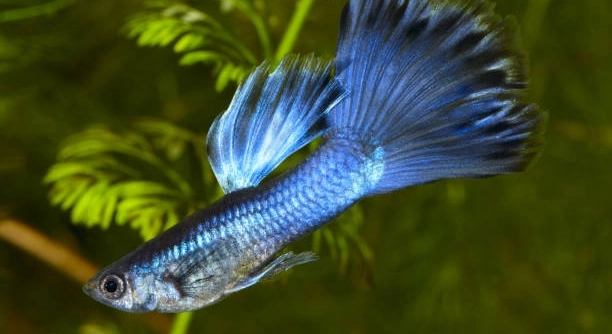
Guppy fry are delicate creatures, and sometimes you may notice deformities in them. These tiny fish, still developing, can show signs of health issues. Understanding the causes behind their deformities can help you provide the best care possible.
The deformities in guppy fry can be attributed to various factors, including genetic defects, poor water conditions, inadequate nutrition, or stress. These factors can hinder proper growth and development, leading to physical abnormalities in the fry.
By recognizing the causes, you can make adjustments to improve their environment and health. Keep reading to learn how small changes can make a big difference in your guppy fry’s well-being.
1. Genetic Factors Can Play a Role in Deformities
Sometimes, deformities in guppy fry are simply the result of genetic issues. Guppies, like other animals, can inherit genetic traits that affect their physical development. These genetic issues might be due to inbreeding, which often results in weakened genes that lead to deformities. If a breeder consistently uses a small gene pool, it increases the risk of passing down genetic defects.
In many cases, these problems are unavoidable, but understanding the risks of inbreeding is essential for breeders. It’s important to carefully select breeding pairs and avoid mating fish that are closely related. This can help reduce the chances of inherited deformities in the offspring.
To ensure the health of your guppy fry, consider introducing new genetic material from different sources. This practice encourages genetic diversity and reduces the risk of passing down defects, promoting stronger and healthier fry.
2. Poor Water Quality Can Lead to Health Issues
Water quality is one of the most important factors for guppy fry health. Fry are especially sensitive to changes in their environment. Poor water conditions, like high levels of ammonia or nitrites, can cause stress and impact their development.
If the water is not kept clean or is not properly filtered, it can lead to deformities. Fry exposed to toxins or improper pH levels may show signs of stunted growth, fin rot, or other physical deformities. Monitoring water conditions is crucial to prevent these problems.
Regular water changes and a good filtration system are essential in maintaining optimal water quality. Testing the water regularly and addressing any imbalances can help your guppy fry grow strong and healthy. Ensuring clean water also prevents bacterial infections and other health issues that can contribute to deformities.
3. Nutritional Deficiencies Can Hinder Growth
Guppy fry require specific nutrients to grow properly. A poor diet, lacking in essential vitamins, minerals, or protein, can cause deformities. For healthy development, it’s important to feed them a well-balanced diet rich in high-quality fry food.
A diet that’s too low in protein or missing key nutrients can affect the fry’s physical development, leading to problems like curved spines or underdeveloped fins. If you notice deformities, consider adjusting their diet by offering a variety of foods like finely crushed flakes, baby brine shrimp, or microworms.
Overfeeding or underfeeding can also create problems, as it can cause bloating or stunted growth. Regularly monitor the amount of food provided to ensure that the fry are receiving the proper nutrition for healthy development. A balanced, nutrient-rich diet is key to reducing deformities in your guppy fry.
4. Stress from Overcrowding
Overcrowding is another common issue that can contribute to deformities in guppy fry. When too many fry are kept in a small space, it increases stress levels, which can affect their growth. Guppies need room to swim freely and develop at their own pace.
High stress from overcrowding can result in poor growth, deformities, or even death in some cases. Fry who are constantly competing for food or hiding from dominant fish are more likely to experience developmental issues.
To reduce stress, ensure that your fry have enough space to swim. You can separate them into smaller groups or use a breeding box to give them some personal space. This will help reduce competition and stress, leading to healthier fry. Keep the environment calm and watch them grow.
5. Water Temperature Plays a Major Role
Temperature fluctuations can severely impact guppy fry. They are particularly sensitive to sudden changes in water temperature. A too-cold or too-hot environment can slow down their growth and cause deformities. Fry raised in extreme temperatures may develop physical abnormalities, such as bent spines or underdeveloped fins.
Maintaining a stable water temperature is essential for the health of your guppy fry. The ideal temperature range for guppies is between 74°F and 82°F (23°C to 28°C). Temperature fluctuations, especially those beyond this range, can cause stress and interfere with proper development.
Using an aquarium heater with a thermometer to monitor water temperature can help you maintain consistency. If you notice deformities, check the temperature and make adjustments as needed. Keeping the water at a stable, appropriate temperature is crucial for the fry’s growth and well-being.
6. Inadequate or Improper Tank Setup
An inadequate tank setup can lead to deformities in guppy fry. If the tank lacks the necessary equipment for proper filtration, aeration, and temperature control, the fry’s environment may become harmful. Poor filtration can cause water to become polluted, while inadequate aeration can reduce oxygen levels.
Fry require a stable environment with clean water, proper oxygenation, and a consistent temperature. When these factors aren’t met, the fry’s growth can be stunted, leading to deformities or other health issues. A simple setup with proper care can significantly improve the fry’s chances of healthy development.
For best results, invest in a good filtration system and ensure that your tank is set up with the fry’s needs in mind. Avoid overcrowding the tank, and make sure there are hiding spots for the fry to feel secure. This setup will provide the proper conditions for healthy, deformity-free growth.
7. External Environmental Factors
External factors, such as chemicals or pollutants in the air or water, can affect guppy fry development. These include things like pesticides, cleaning agents, or even changes in light exposure. Such environmental changes can disrupt normal growth patterns.
For example, using non-aquarium-safe cleaning products near the tank can introduce harmful chemicals into the water. These chemicals can easily harm delicate fry and cause deformities. It’s important to maintain an environment free from pollutants and keep any harmful substances away from the tank.
Take care to clean the surrounding area carefully and ensure no contaminants get into the water. Additionally, avoid placing the tank near direct sunlight or in areas prone to temperature fluctuations. Keeping external environmental factors under control can help promote healthy, deformity-free guppy fry.
1. The Role of Inbreeding in Deformities
Inbreeding increases the risk of genetic defects in guppy fry. When fish are bred from closely related stock, the chances of passing on harmful genetic traits rise. This leads to a higher likelihood of deformities, making it essential to avoid inbreeding.
To reduce genetic issues, breeders should select genetically diverse fish. This helps ensure that the fry inherit stronger and healthier genes. Inbreeding weakens the gene pool and makes fry more prone to deformities like bent spines or underdeveloped fins. Choosing breeding pairs carefully can prevent these problems and improve the overall health of the fry.
Introducing fish from different sources not only helps reduce deformities but also strengthens the population in the long run. Strong, diverse genetics are key to producing healthy, robust fry. By maintaining genetic diversity, you’re ensuring that your guppies grow up with the best chance of thriving in their environment.
2. The Impact of Unstable Water Conditions
Water conditions can make or break the health of your guppy fry. Changes in water quality, temperature, or pH can disrupt their development. Even small fluctuations may cause stress or deformities, as fry are particularly sensitive to their environment.
Regularly testing the water for ammonia, nitrites, and pH levels is vital. If the water isn’t balanced, it can cause deformities such as missing fins or stunted growth. A properly maintained filtration system ensures that the water remains clean, reducing the risk of harmful toxins building up in the tank. Additionally, keeping water temperature steady helps prevent stress that could lead to deformities.
Small water changes every week can go a long way in maintaining a stable environment. Make sure your filtration system is running well, and clean the tank regularly to remove debris. Fry are very sensitive, so even minor changes can make a big difference in their health and development.
3. The Importance of Proper Nutrition
A nutritious diet is crucial for guppy fry’s proper growth. Without the right food, fry may develop deformities like underdeveloped fins or bent spines. They need a high-protein diet with essential vitamins and minerals to support their rapid development.
Feeding fry a variety of foods such as baby brine shrimp, high-quality flakes, or powdered pellets is key. These foods provide the necessary nutrients that will support their growth and prevent deficiencies. Overfeeding or underfeeding can cause problems like bloating or stunted growth, leading to deformities.
To keep your fry healthy, it’s important to feed them small amounts multiple times a day. Monitor their progress and adjust their diet as needed. Healthy, well-fed fry are more likely to grow strong and avoid deformities caused by nutritional deficiencies.
4. Temperature Variations Affect Fry Development
Guppy fry are highly sensitive to temperature changes. If the water temperature fluctuates too much, it can result in deformities or hinder proper growth. Consistency in water temperature is crucial for fry to develop without issues.
The ideal temperature for guppy fry is between 74°F and 82°F (23°C to 28°C). If the temperature rises above or falls below this range, it can cause stress and physical deformities, such as bent spines or stunted growth. Fry may also become more susceptible to diseases and infections due to weakened immune systems caused by temperature stress.
Investing in a reliable heater and thermometer helps regulate the temperature, ensuring the fry grow in an environment that promotes healthy development. Regularly check the temperature and make adjustments to maintain a stable environment for your fry. Avoid sudden changes in temperature, as they can be damaging to delicate fry.
5. Overcrowding as a Contributor to Deformities
Overcrowding in tanks can cause stress for guppy fry, leading to physical deformities. When too many fry are in a small space, they struggle for food and may be stressed by constant competition. This stress can slow their growth and cause deformities.
To prevent overcrowding, make sure there’s enough space for each fry to move freely. If you’re raising many fry, consider separating them into smaller groups. This reduces stress and gives them room to develop properly. Less crowded conditions also improve oxygen flow in the tank, promoting healthier growth.
Overcrowding can lead to more than just deformities. It can also increase the likelihood of diseases spreading quickly in a confined space. By maintaining a spacious and well-organized tank, you can create a healthier environment for your guppy fry to thrive and grow without the risk of deformities.
6. The Influence of Poor Tank Setup
An improper tank setup can create an environment that leads to deformities in guppy fry. A tank that lacks filtration, proper aeration, or adequate hiding spots can stress fry, resulting in deformities or stunted growth. A poorly maintained tank environment is difficult for delicate fry to thrive in.
For optimal fry development, ensure the tank has a good filtration system to keep the water clean and free of toxins. Adding plants and other hiding spots gives the fry places to retreat from stress and feel secure. Good aeration is also important to maintain oxygen levels in the water, which is essential for healthy growth.
Make sure your tank setup is suitable for fry. Keep it clean, avoid overloading it with fish, and ensure the fry have enough space. Proper tank conditions will help your guppy fry grow strong and healthy, with fewer chances of deformities caused by poor environmental factors.
1. Exposure to Chemicals Can Harm Fry
Chemicals from cleaning agents, medications, or pollutants can easily harm guppy fry. Fry are sensitive to these substances, and exposure can cause deformities or even death. Always ensure your hands, equipment, and tank surroundings are free of any harmful chemicals that may contaminate the water.
Using chemicals that aren’t aquarium-safe can lead to long-lasting damage. Common household cleaning products or pesticides can release toxins that the fry absorb through the water. Fry, especially at such a young stage, don’t have the defenses to handle these chemicals. It’s essential to use only safe products around the tank.
2. Improper Lighting Can Stress Fry
Excessive light or improper lighting can cause stress in guppy fry. Fry need a balanced light cycle, as too much light can lead to restlessness and hinder their growth. Provide appropriate lighting and ensure there are periods of darkness for proper rest and development.
A consistent day and night cycle is essential for the fry to establish a healthy routine. Fry need the light during the day to stay active and feed, but too much exposure can interfere with their growth. Keeping the lighting at a moderate level and adjusting the duration will help avoid stress.
3. Impact of High Salinity on Guppy Fry
High salinity levels in the water can disrupt the fry’s growth. Guppies, especially fry, aren’t built to live in brackish or salty water for long periods. Too much salt can lead to deformities, stunted growth, or even death. Keep the tank water at the appropriate salinity levels.
Guppy fry thrive in freshwater environments, and it’s crucial to monitor salinity levels regularly. While adult guppies can tolerate slight variations, fry are much more sensitive. If you notice deformities, check the salt concentration, and adjust it to a freshwater level for optimal fry health.
FAQ
What are the common deformities in guppy fry?
Guppy fry can experience various deformities, including bent spines, underdeveloped fins, or crooked bodies. These deformities are often caused by genetic issues, poor water conditions, or insufficient nutrition. In some cases, fry may develop bulging eyes or irregular body shapes. These deformities can sometimes be subtle and might not be noticeable immediately but will become apparent as the fry grow.
How can I prevent deformities in guppy fry?
To prevent deformities, it’s crucial to maintain proper water conditions, provide adequate nutrition, and avoid inbreeding. Ensure your tank is clean, with stable temperature and pH levels. Feed fry a balanced diet, rich in protein and essential nutrients. Additionally, avoid overcrowding the tank to minimize stress. Regular water changes and good filtration will also reduce the risk of deformities.
Can poor water quality cause deformities in guppy fry?
Yes, poor water quality is a major cause of deformities in guppy fry. High levels of ammonia, nitrites, or unstable pH can harm fry, leading to developmental issues. Fry are especially sensitive to water changes, so it’s important to test the water regularly and maintain a clean environment. Using a good filtration system and performing routine water changes will help reduce the chances of deformities caused by poor water quality.
How does genetics affect guppy fry development?
Genetics plays a significant role in guppy fry development. Fry may inherit genetic traits from their parents, and certain defects can be passed down, especially if the parents are closely related. Inbreeding is a common issue that weakens the gene pool and increases the likelihood of genetic deformities. By selecting genetically diverse breeding pairs, you can help ensure healthier offspring with fewer deformities.
Can temperature fluctuations cause deformities in guppy fry?
Yes, temperature fluctuations can lead to deformities in guppy fry. Fry are sensitive to changes in water temperature, and extreme or rapid temperature shifts can stress them. This stress affects their growth and development, leading to deformities like bent spines or underdeveloped fins. Keeping the water temperature stable within the ideal range (74°F to 82°F) helps minimize the risk of deformities caused by temperature changes.
How often should I change the water for guppy fry?
Regular water changes are essential for maintaining a healthy environment for guppy fry. It’s recommended to change about 10-20% of the water every 3-4 days to keep the water clean and remove any toxins. Fry are sensitive to changes in water quality, so maintaining a consistent, clean environment is important to prevent deformities and encourage healthy growth.
What should I feed guppy fry to avoid deformities?
Guppy fry require a diet high in protein to grow properly. Offering a variety of foods such as finely crushed flake food, baby brine shrimp, or microworms will ensure they receive essential nutrients. A well-balanced diet will support their development and prevent deformities caused by nutritional deficiencies. Avoid overfeeding, as it can lead to bloating and other health issues. Regularly feed them small amounts to ensure they get the right nutrition.
Can overcrowding cause deformities in guppy fry?
Overcrowding can lead to stress, which is a common cause of deformities in guppy fry. When there are too many fry in a small space, they struggle for food, oxygen, and space. This stress can result in stunted growth and physical deformities. To prevent overcrowding, provide enough space for each fry to grow. You may also need to separate them into smaller groups to reduce stress and ensure healthy development.
How do I know if my guppy fry are stressed?
Stressed guppy fry often display certain behaviors like rapid swimming, hiding frequently, or staying at the surface of the tank. They may also show physical signs, such as faded colors, torn fins, or curved bodies. Stress can result from overcrowding, poor water conditions, temperature fluctuations, or aggressive tankmates. Identifying these signs early and addressing the root cause can help prevent deformities and improve the fry’s overall health.
Are there any diseases that can cause deformities in guppy fry?
Yes, several diseases can cause deformities in guppy fry, such as bacterial infections, protozoan diseases, or fungal infections. These diseases can disrupt normal growth and cause deformities in the body, fins, or eyes. It’s important to monitor the fry for any signs of illness, such as abnormal swimming patterns, discoloration, or lesions. If you suspect an illness, it’s important to quarantine affected fry and treat them promptly to prevent the spread of infection and further deformities.
Can I still keep deformed guppy fry?
While it’s heartbreaking to see deformed guppy fry, they can often survive and live healthy lives if their deformities aren’t too severe. If the fry can still swim, feed, and interact with other fish, you can keep them in the tank. However, severely deformed fry may need to be isolated to avoid stress or bullying from other fish. It’s also important to monitor their growth to ensure they don’t face additional health issues.
How can I reduce the risk of deformities when breeding guppies?
To reduce the risk of deformities, select healthy breeding pairs with no history of genetic issues. Avoid inbreeding by choosing unrelated fish with strong, healthy genetics. Pay attention to the water quality and provide proper nutrition for both the breeding pair and the fry. Maintaining a clean and stable tank environment will also help ensure healthy, deformity-free fry. Lastly, regularly monitor the growth of the fry to catch any potential issues early.
Do guppy fry need special care compared to adult guppies?
Yes, guppy fry require special care compared to adults. They are more vulnerable to changes in water quality, temperature, and diet. Fry need a high-protein diet and clean, stable water conditions to support their rapid growth. Additionally, they need more space to swim and develop properly. Regularly monitor their environment to ensure they are receiving the care they need to avoid deformities and thrive.
How can I treat deformed guppy fry?
Treatment for deformed guppy fry often depends on the cause of the deformity. If the deformity is caused by poor water quality, adjusting the water conditions can help. If it’s due to nutritional deficiencies, changing their diet to a more balanced one may improve their health. In cases of genetic defects, there is little that can be done except to provide a stress-free environment for the fry to grow in. Infected fry may need to be treated with medications, but it’s important to isolate them to prevent the spread of disease.
Final Thoughts
Taking care of guppy fry can be a rewarding experience, but it requires attention to detail and proper management. If you notice deformities in your fry, it’s important to identify the cause early. Whether it’s due to genetics, poor water conditions, or improper nutrition, understanding the underlying issue will help you make adjustments and give your fry the best chance of survival. Keeping your tank clean, ensuring the water quality is stable, and providing a balanced diet are essential steps for raising healthy fry.
While deformities can be upsetting, it’s essential to remember that some issues are unavoidable. Genetic defects may occur even with the best care, and not all deformities can be prevented. However, by maintaining good tank conditions, avoiding inbreeding, and offering a varied and nutritious diet, you can significantly reduce the risk of deformities. Also, providing enough space and ensuring a stress-free environment will help your fry grow properly. Remember, every fry is different, and some may thrive despite early challenges.
Ultimately, the goal is to foster a healthy environment where your guppy fry can grow and develop without unnecessary stress or complications. Regular monitoring and small adjustments can make a big difference in preventing deformities and ensuring the long-term health of your fry. With patience and attention to detail, you can raise a healthy and thriving group of guppy fry.

Hello,
If you enjoy the content that we create, please consider saying a "Thank You!" by leaving a tip.
Every little bit helps us continue crafting quality advice that supports the health, happiness, and well-being of pets around the world, for pets of all shapes, sizes, and species.
We really appreciate the kindness and support that you show us!