
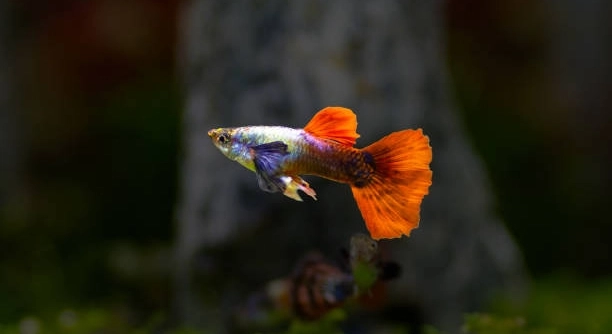
Guppies are small, peaceful fish that thrive in calm water. Understanding how they react to water flow can help ensure their health and happiness in your tank. Let’s explore why they tend to avoid fast-moving water.
Guppies avoid fast water flow because it stresses them, interferes with their natural behavior, and can make it harder for them to swim, feed, and reproduce. They are better suited for environments with slow or moderate water movement.
Keeping your guppy’s environment peaceful and calm is essential for their well-being. Knowing how water flow affects them helps you create a suitable habitat. This can lead to happier, healthier fish in your aquarium.
Why Guppies Prefer Calm Water
Guppies are naturally drawn to calm waters, as this is where they feel most at ease. In their native habitats, such as slow-moving rivers or ponds, they are accustomed to stable, gentle currents. When placed in fast-flowing tanks, their stress levels rise, leading to poor health. Guppies are small, delicate creatures that rely on slower water flow for comfort. Constant strong currents can force them to swim harder than they’re designed for, causing exhaustion and anxiety. Over time, this could affect their overall well-being and even lead to premature death.
Their stress isn’t always visible at first, but constant exposure to fast-moving water can result in hidden health issues. If you notice your guppy struggling to swim or avoiding certain areas of the tank, it could be an indication that the current is too strong for them. It’s important to observe their behavior closely to ensure they aren’t feeling overwhelmed.
Ensuring your guppies have a calm environment is key to preventing unnecessary stress. If your tank has a filter or pump, you might need to adjust its settings. Positioning decorations or plants can help diffuse the water flow, creating safe spaces for your fish to swim. Providing areas where your guppies can retreat to when feeling tired is essential for their comfort.
How Fast Water Flow Affects Guppy Behavior
Strong water flow disrupts how guppies interact with their environment. They tend to avoid swimming in areas where the current is too intense, as it makes feeding and socializing more difficult. Guppies prefer areas with calmer conditions to exhibit natural behaviors, such as exploring, grazing, and hiding. When forced into a fast-flowing current, they often look stressed and may even stop eating.
This disruption can also hinder their reproduction. Guppies require stable conditions to mate and care for their young. If they feel unsafe or uncomfortable due to strong water flow, breeding may be delayed or even completely avoided. Providing a peaceful setting is not just beneficial but essential for your guppy’s growth and breeding success.
Guppies Struggle with Excessive Energy Use
When water flows too quickly, guppies must exert extra effort to stay in place and move around. This constant struggle to fight the current leads to energy depletion. In their natural habitat, they don’t face such demanding conditions, allowing them to conserve energy for important activities like eating and breeding.
Over time, this extra effort can cause guppies to tire easily, affecting their ability to swim normally. They may start to spend more time in corners or hidden spaces, avoiding the open areas where the current is strongest. This behavior can be a sign that the fish are overstressed and not thriving in their environment. Keeping the water flow gentle helps them maintain energy for essential activities.
If you notice your guppies becoming less active or spending more time in still spots, the current might be the issue. It’s important to make adjustments to the filter or water flow to provide a more relaxed setting. A balanced environment will help keep your guppies healthy and engaged.
Impact on Guppy Health and Lifespan
Fast-moving water can also take a toll on a guppy’s long-term health. The constant struggle against strong currents can lead to physical fatigue and overall weakness. These conditions make it difficult for guppies to reach their full potential in terms of growth and development. A stressed guppy is more susceptible to diseases, as their immune system weakens under constant strain.
Additionally, the stress from fast water flow can lead to behavioral changes, including a decrease in appetite and social interaction. Guppies are social fish that enjoy interacting with one another, but when stressed, they may isolate themselves from the group. This reduced social interaction can further affect their health. A peaceful environment helps them build strong immune systems, live longer, and interact happily with other fish. Regularly monitoring water conditions is crucial to avoid such problems.
A peaceful, low-flow tank allows guppies to stay active and healthy. It helps them live out their natural behaviors and ensures they remain comfortable and happy in their aquatic environment. By maintaining a proper water flow, you’re supporting their well-being for the long term.
Guppies Avoid Fast Water for Feeding
Fast water flow makes feeding more difficult for guppies. They can’t easily swim to the food or catch it in the current. This can lead to malnutrition or missed meals, especially if the food gets swept away before they can reach it.
Feeding becomes frustrating for your guppies when the current is too strong. They may spend more time trying to stay in one place than actually eating. If your guppies are struggling to find food or seem uninterested in their meals, it might be time to adjust the flow in their tank to make feeding easier.
Guppies Need Quiet Spaces to Breed
Breeding is an important part of guppy life, and it requires quiet, stable conditions. Strong currents make it harder for guppies to mate and care for their young. They prefer calmer water where they can focus on reproduction.
Fast water flow disturbs the peaceful environment needed for guppy breeding. When the water moves too quickly, the fish may become too stressed to breed properly. Keeping a calm and controlled environment will encourage your guppies to reproduce naturally, giving you healthy and active fry.
Guppies Can Be Sensitive to Water Movement
Even small changes in water flow can stress out guppies. They are very sensitive to their environment and prefer calm surroundings. Fast-moving water disrupts their natural habits and can lead to anxiety or even physical stress.
FAQ
Why do guppies avoid fast water flow?
Guppies avoid fast water flow because it requires them to use more energy to stay in place and swim. Fast-moving water can cause stress and exhaustion, leading to a weakened immune system and reduced overall health. Since guppies are naturally found in slow-moving water environments, they feel more comfortable and secure in calmer conditions. A tank with fast water flow interferes with their natural behavior, making it harder for them to socialize, eat, and breed.
Can strong currents harm guppies?
Yes, strong currents can harm guppies in various ways. Constantly battling against fast-moving water can wear them out, causing physical fatigue. Over time, this stress can weaken their immune systems, making them more susceptible to illness. Additionally, fast water flow can prevent guppies from getting enough food and may interfere with their natural social interactions, which are important for their mental health. It’s crucial to ensure your tank’s water flow is gentle enough for guppies to thrive.
What type of water flow is best for guppies?
The best water flow for guppies is slow to moderate. They do well in tanks with gentle currents that allow them to move around freely without fighting the water. This creates a comfortable environment where they can swim easily, feed without difficulty, and breed if they choose to. You can adjust the flow by using a filter with adjustable settings or adding plants and decorations to break up the current. Guppies enjoy areas of still water where they can rest, so a balanced flow is key.
How can I tell if my guppies are stressed by the water flow?
Signs that your guppies are stressed by the water flow include excessive hiding, a lack of activity, or difficulty swimming. They may also appear to be swimming against the current or struggling to maintain their position in the tank. If your guppies are spending most of their time in one corner of the tank or near the bottom, the current may be too strong. Another sign is if they are not eating or if they seem lethargic. Adjusting the water flow can help them feel more comfortable.
Can fast water flow affect guppy breeding?
Yes, fast water flow can negatively impact guppy breeding. Guppies need stable, calm conditions to breed successfully. Strong currents disrupt their mating process and may prevent them from finding safe places to breed or care for their fry. If your guppies are avoiding each other or not mating, the water flow may be a factor. Ensuring that the tank has a gentle current will encourage natural breeding behavior, allowing them to feel safe and secure during the process.
What should I do if my tank has too strong of a current?
If your tank has a strong current, there are several ways to reduce it. You can adjust the filter or pump settings to lower the water flow. Another option is to place decorations, rocks, or plants in strategic positions to help diffuse the water movement. A sponge filter or air stone can also help create a more gentle, even flow in the tank. It’s important to keep the water flow at a level that allows your guppies to swim freely without struggling against the current.
Is it possible to have too much water flow for guppies?
Yes, it is possible to have too much water flow for guppies. Guppies are small, peaceful fish that are not built for strong currents. Excessive water flow can cause them to become stressed, leading to exhaustion and health problems. If your tank’s current is too fast, it may also make it difficult for your guppies to find food, socialize, or breed. If you notice your guppies struggling or avoiding the main areas of the tank, the flow may be too strong, and you should consider adjusting it.
How do I create calm spots for my guppies in a tank with strong current?
To create calm spots in a tank with a strong current, you can use plants, rocks, or other decorations to block or redirect the water flow. Placing larger items near the water intake or filter can help break up the current and create sheltered areas where your guppies can rest. Additionally, consider using a sponge filter, which provides a gentler water flow, and place it in a location that offers refuge from the stronger currents. These sheltered areas will allow your guppies to escape the flow and relax when needed.
Can guppies live in tanks with no water flow?
While guppies can live in tanks with little to no water flow, it’s important to have some movement to ensure proper filtration and oxygenation. Completely still water may lead to stagnant conditions, which can negatively affect water quality and your guppies’ health. A gentle, low-flow filter or air stone can keep the water clean and provide enough oxygen without creating too much current. Guppies prefer some water movement, but they thrive in tanks where the flow is not too fast or overwhelming.
How often should I adjust the water flow in a guppy tank?
You should check the water flow in your guppy tank regularly to ensure it remains suitable for their needs. If you notice that the current is too strong or too weak, you may need to adjust the flow. Changes in water temperature, tank size, or the number of fish can also impact the flow. A good rule of thumb is to assess the water flow every few weeks and adjust it as needed. Observing your guppies’ behavior can help you decide when adjustments are necessary to maintain a healthy environment.
Final Thoughts
Guppies are small, peaceful fish that thrive in calm, stable environments. They are sensitive to water flow, and strong currents can cause them stress and discomfort. Fast-moving water disrupts their natural behavior and makes it harder for them to swim, eat, and breed. This can lead to exhaustion, poor health, and even a shortened lifespan. As a guppy owner, it’s important to understand the impact that water flow has on your fish and make adjustments to create a comfortable environment. Ensuring a gentle water flow will help your guppies feel secure, active, and healthy.
Adjusting the water flow in your tank doesn’t have to be difficult. You can make simple changes, such as lowering the filter setting or using decorations to break up the current. Placing plants, rocks, or other objects strategically can help create areas with slower water movement, giving your guppies places to rest and avoid strong currents. A sponge filter or air stone is another option for providing a gentle flow while still keeping the water oxygenated. Small adjustments can make a big difference in how your guppies feel and behave in the tank.
Remember that guppies are social and active fish, and they need a peaceful environment to thrive. When water flow is too fast, they may become stressed, which can affect their appetite, behavior, and overall health. By creating a calm and stable environment, you are helping them feel comfortable and allowing them to engage in their natural behaviors. Observing your guppies closely and adjusting the tank as needed will ensure that they are happy, healthy, and live a long life in your care.

Hello,
If you enjoy the content that we create, please consider saying a "Thank You!" by leaving a tip.
Every little bit helps us continue crafting quality advice that supports the health, happiness, and well-being of pets around the world, for pets of all shapes, sizes, and species.
We really appreciate the kindness and support that you show us!