
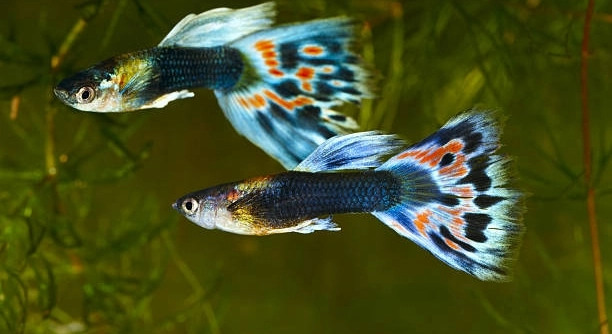
If you’ve noticed that your guppies are losing their vibrant shine, you’re not alone. Many aquarium owners face this issue, and it can be frustrating when your once-glowing fish appear dull.
Guppies can lose their shine due to several factors, including poor water quality, inadequate diet, stress, or even improper lighting. Identifying the root cause is essential to restoring their health and color.
Several factors contribute to this issue, and knowing them can help you bring back the brilliance in your guppies. Keep reading to learn how to address these problems effectively.
Poor Water Quality
The quality of the water in your aquarium is one of the main factors affecting the health of your guppies. Dirty or contaminated water can quickly lead to a loss of shine in their scales. Guppies are sensitive to fluctuations in water parameters, including temperature, pH, ammonia, nitrite, and nitrate levels. Poor filtration or infrequent water changes will cause a buildup of waste, making the water harmful for your fish.
When the water isn’t properly maintained, it can create stress for your guppies. Stress lowers their immune system, leading to duller colors and potentially other health problems. To prevent this, it’s important to test your water regularly and perform partial water changes.
To keep your guppies healthy, use a good filtration system and clean the tank as needed. Regular testing of water conditions will help you identify any issues early on, so your guppies can regain their shine.
Inadequate Diet
A poor diet can directly impact the appearance of your guppies. If they’re not getting the right balance of nutrients, their scales may lose their shine.
Guppies need a varied diet consisting of high-quality fish flakes, frozen or live foods, and occasional plant matter. The lack of these nutrients can lead to malnutrition, affecting their color and overall health. Feeding them the right mix will boost their appearance and energy levels.
Stress and Overcrowding
Stress is another factor that can make your guppies lose their shine. If the tank is overcrowded, the fish may struggle to find space to swim, leading to stress.
Guppies need room to thrive. When too many fish are in a small tank, it increases competition for food and territory, which can cause constant stress. This can lead to a loss of color and overall health deterioration.
To prevent stress, ensure your tank isn’t overcrowded. A good rule of thumb is about one inch of fish per gallon of water. Also, provide hiding spots and plenty of plants for guppies to feel secure.
Poor Lighting
The lighting in your tank has a direct effect on how your guppies’ colors appear. Without enough light, they may seem dull or faded.
Guppies thrive in natural light or properly adjusted aquarium lighting. Too little light can cause them to lose their vibrant shine, while too much can stress them. Make sure your tank is lit properly to show off your guppies’ natural colors without causing harm.
Consider using LED lights with adjustable settings to simulate day and night cycles. This balance helps maintain your guppies’ health and vibrancy over time.
Poor Genetics
Sometimes, guppies lose their shine due to genetics. Some guppies are naturally less vibrant, and their colors can fade more quickly as they age.
Breeding also plays a role in the genetics of guppies. Inbreeding or poor-quality stock can result in fish with less brilliant coloration. If you want consistently colorful guppies, look for high-quality breeders with strong genetic lines.
Water Temperature
The temperature of your tank’s water plays a significant role in the health and appearance of your guppies.
Guppies prefer warm water, usually between 72–82°F (22–28°C). If the water gets too cold, their metabolism slows down, which can cause a loss of color and overall health issues. Keep a reliable heater to maintain the ideal water temperature.
Illness
Guppies suffering from illness may show signs of dullness or fading color.
If your guppies are losing their shine, it could be due to a hidden health issue like internal parasites, skin infections, or other diseases. Keep an eye out for unusual behavior, like lethargy, and isolate any sick fish.
FAQ
Why are my guppies turning dull in color?
Guppies can lose their vibrant color for several reasons, including poor water quality, inadequate diet, stress, or illness. If the water conditions aren’t ideal, it can affect their skin and scales, leading to dullness. Similarly, a lack of proper nutrition or an overly stressful environment will also result in faded colors. Make sure your tank is well-maintained, your guppies are fed a balanced diet, and they have enough space to swim freely.
How can I restore my guppies’ color?
To restore your guppies’ color, start by improving their environment. Regular water changes and maintaining stable water parameters are crucial. You should also ensure they have a healthy, varied diet that includes high-quality fish flakes, live foods, and occasional greens. Reducing stress in the tank and keeping the water temperature in the ideal range can help as well.
Can stress cause guppies to lose their shine?
Yes, stress is a significant factor in losing their color. Guppies are sensitive to overcrowding, changes in water quality, and conflicts with tankmates. When they’re stressed, their immune system weakens, and their colors may fade. Reducing stress by providing hiding spots, maintaining good water quality, and keeping the tank well-stocked but not overcrowded will help them thrive.
What is the ideal water temperature for guppies?
Guppies prefer a warm environment with a water temperature range of 72-82°F (22-28°C). If the temperature falls outside this range, it can cause stress and affect their health, leading to dull colors. Make sure to keep the tank at a stable temperature using an aquarium heater if needed.
Can I overfeed my guppies?
Yes, overfeeding your guppies can cause more problems than you might think. Excess food can pollute the water, leading to poor water quality, which stresses the fish. Also, overeating can cause digestive issues, making your guppies feel unwell and potentially causing their colors to fade. Stick to feeding your guppies small amounts two to three times a day and avoid leaving food uneaten in the tank.
How often should I change the water in my guppy tank?
Changing the water regularly is essential for maintaining a healthy environment for your guppies. Aim for partial water changes (about 25-30%) every week to keep the water fresh and clear. If your tank is heavily stocked, you might need to change the water more frequently. Regular water changes help prevent the buildup of harmful toxins and maintain stable water parameters.
Do different guppy breeds have different color patterns?
Yes, different guppy breeds can have different color patterns. Some guppies are naturally more vibrant, while others may have duller colors. Selectively bred guppies, like those bred for show, often display brighter colors due to their genetic makeup. However, even with brightly colored varieties, proper care is needed to maintain their vibrancy.
Can poor lighting make my guppies look dull?
Yes, poor lighting can contribute to a dull appearance in your guppies. If the tank is too dark or the lighting is inadequate, their colors may not appear as vibrant. Ideally, guppies should have access to a balanced lighting schedule, simulating day and night cycles. Use aquarium lights that provide adequate brightness without stressing the fish.
Are guppies more likely to lose their shine as they age?
Yes, older guppies may naturally lose some of their vibrancy as they age. Just like any living creature, aging can affect their physical appearance. However, if an older guppy loses too much color, it could also be a sign of other issues such as disease or poor water quality. Make sure their environment stays healthy to minimize any further decline in color.
How do I know if my guppies are stressed?
Stressed guppies may display signs such as erratic swimming, hiding more than usual, or frequent darting around the tank. They may also show a lack of appetite or lethargy. If you notice these behaviors, it’s important to check their environment. Overcrowding, poor water quality, or aggressive tankmates are often the main causes of stress.
Is it possible to prevent color loss in guppies?
While some degree of color fading can occur naturally, you can significantly reduce the chances by maintaining good tank conditions. Regular water changes, proper filtration, a balanced diet, and appropriate lighting can help prevent color loss. Reducing stress by giving your guppies plenty of space to swim and hiding spots will also go a long way in keeping them healthy and vibrant.
Can certain foods enhance my guppies’ color?
Yes, certain foods can help bring out the colors in your guppies. Foods rich in carotenoids, like spirulina and beta-carotene, can help intensify their colors. These natural color enhancers are found in foods such as high-quality fish flakes, live brine shrimp, and daphnia. Including these in their diet will help them maintain their vibrant appearance.
Final Thoughts
Maintaining the vibrant color of your guppies requires attention to several factors, including water quality, diet, and stress levels. Ensuring that your tank has clean water with stable parameters is crucial. Poor water quality is one of the main reasons for dull guppies. Regular water changes, proper filtration, and consistent water testing will help keep harmful substances in check. Healthy water conditions are essential not only for maintaining their color but also for the overall well-being of your fish.
In addition to clean water, guppies also need a proper diet to stay colorful. Providing a balanced mix of high-quality flakes, live or frozen foods, and occasional plant matter will give your guppies the nutrients they need to maintain their shine. Overfeeding, however, can cause problems like excess waste and poor water quality, which will counteract the benefits of a good diet. It’s important to feed your guppies the right amount and avoid leaving uneaten food in the tank.
Lastly, keeping your guppies in a low-stress environment is key. Overcrowding, aggressive tankmates, and fluctuating water conditions can cause stress, leading to a dull appearance. By ensuring that your tank has enough space, providing hiding spots, and maintaining a peaceful environment, you can help your guppies thrive. Remember, a happy and healthy guppy will show off its brightest colors. Regular care and attention to these factors will ensure that your guppies remain healthy and vibrant for a long time.

Hello,
If you enjoy the content that we create, please consider saying a "Thank You!" by leaving a tip.
Every little bit helps us continue crafting quality advice that supports the health, happiness, and well-being of pets around the world, for pets of all shapes, sizes, and species.
We really appreciate the kindness and support that you show us!