
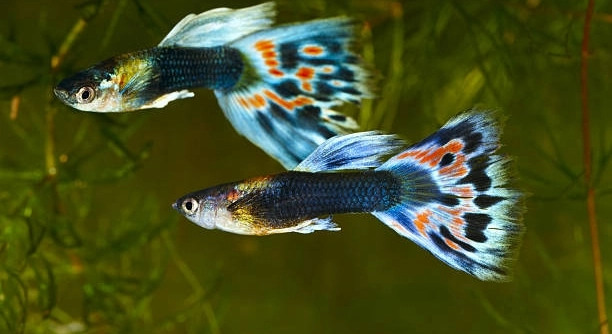
Guppies are popular aquarium fish known for their vibrant colors and playful behavior. However, if you’ve noticed your guppies flashing against objects, you may be wondering what could be causing this behavior.
Flashing in guppies usually occurs when they rub their bodies against objects, and this can be due to various reasons such as skin irritation, parasites, or poor water quality. Identifying the cause is crucial for addressing the issue properly.
Understanding the underlying causes can help you provide a healthier environment for your guppies and prevent future problems. Let’s explore what might be causing your fish to flash and how you can address it.
Poor Water Quality
Water quality is a significant factor that affects your guppies’ health. If the water in your aquarium is dirty or imbalanced, it can lead to irritation on their skin, making them rub against objects. Guppies are sensitive to changes in pH levels, ammonia, and nitrate levels, so even small shifts can cause discomfort. Poor water conditions often lead to stress, which may result in flashing.
When water conditions aren’t ideal, guppies might start rubbing against aquarium decorations, plants, or the substrate. It’s essential to test your tank’s water regularly. Ammonia and nitrite levels should be zero, while nitrates should remain low. Regular water changes and proper filtration are key to keeping the water clean and reducing stress for your fish.
If your guppies continue to flash, checking the water quality should be the first step in identifying the problem. Once the water is restored to a safe level, your fish should stop the flashing behavior. Make sure to maintain a consistent cleaning schedule to avoid future issues with water quality.
Skin Irritation
Skin irritation is another common reason for flashing. Guppies may scrape against surfaces to relieve the itching or discomfort caused by factors like rough objects or changes in water conditions.
Sometimes, they may have minor injuries from sharp objects in the tank or poor tank setup. In these cases, it’s important to remove any harmful decorations and ensure the aquarium environment is smooth and safe for your fish. If irritation persists, look into other causes like parasites or infections.
Parasites
Parasites are one of the main causes of flashing in guppies. External parasites like Ich or skin flukes can irritate their skin, making them rub against objects. These parasites can cause lesions or other visible signs of distress.
If you notice white spots or unusual growths on your fish, it’s likely a parasitic infection. A closer inspection is needed to identify the specific type of parasite. Treating the tank with anti-parasitic medications can help, but it’s important to isolate any infected fish to prevent the spread of the parasite.
If you’re unsure of what parasite is causing the problem, it’s always a good idea to consult a professional. They can help determine the best treatment plan to eliminate the parasite and prevent further irritation. Regularly monitoring your fish will help you spot early signs of infection and keep your guppies safe.
Stress
Stress is another key factor that can lead to flashing. Guppies can experience stress from several sources, including overcrowding, sudden changes in temperature, or the presence of aggressive tank mates. When stressed, guppies often display erratic behavior, such as flashing.
It’s important to monitor the environment carefully to identify any stressors. A good rule of thumb is to ensure each fish has enough space to swim freely. Keeping the tank’s temperature stable and maintaining peaceful interactions among fish can help reduce stress.
Fish who are stressed out for long periods may become more prone to illnesses. If flashing continues, take a look at tank conditions and make changes to improve the environment. A calm, stable tank will help your guppies stay healthy and avoid unnecessary stress.
Water Temperature
Fluctuations in water temperature can cause guppies to flash. They are sensitive to sudden changes, and when the water becomes too hot or cold, it can lead to discomfort.
To maintain a stable environment, keep the water temperature between 72-82°F. Use a reliable heater and thermometer to monitor the tank’s conditions.
Sudden shifts in temperature can stress guppies and make them act out by rubbing against objects. If temperature swings are frequent, the fish may become vulnerable to diseases. Regularly check the temperature and adjust accordingly to keep the water within a safe range.
Overcrowding
Overcrowding is a common issue that leads to flashing behavior. When too many fish are in a small space, it can result in stress and competition for resources.
A crowded tank often leads to poor water quality and less oxygen. This makes it harder for guppies to move around freely, leading to frustration and flashing. The tank should be large enough to accommodate the number of fish you have.
To reduce overcrowding, consider upgrading your tank size or moving some fish to another aquarium. A more spacious setup will help your guppies feel more comfortable and reduce stress.
Inadequate Diet
An improper diet can also contribute to flashing in guppies. If they aren’t getting the proper nutrients, their health may suffer, leading to irritability.
Feed your guppies a balanced diet that includes high-quality flakes, pellets, and occasional live or frozen food. A lack of variety in their diet can cause malnutrition, weakening their immune system. Keep an eye on their eating habits and avoid overfeeding, as leftover food can pollute the water.
A healthy, balanced diet will not only prevent flashing but also keep your guppies vibrant and energetic. If the flashing persists, review their diet to ensure they are receiving everything they need.
FAQ
Why do guppies flash against rocks and decorations?
Guppies flash against rocks and decorations to relieve skin irritation or discomfort. This behavior is usually a response to stressors like poor water quality, parasites, or skin irritation. Flashing allows them to scratch or rub off irritants that are bothering them. It’s a common reaction to things that are irritating or harmful to their skin.
How can I tell if my guppy has parasites?
Signs of parasites in guppies include visible spots, such as white patches (Ich), unusual growths, or an abnormal slime coat. Infected guppies may also scratch their bodies against objects or show signs of distress, like lethargy or loss of appetite. If you notice these symptoms, it’s important to examine the tank’s water quality and possibly treat the fish with anti-parasitic medications.
What should I do if my guppies are stressed?
To reduce stress, first identify the source. Check for overcrowding, tank mates that are aggressive, or sudden changes in water conditions. Ensure your guppies have enough space and that the water temperature, pH, and filtration are all within safe levels. Removing any stressors from the environment will help them feel more comfortable and reduce flashing behavior.
Can flashing indicate a serious illness?
Flashing can be a sign of a serious illness, particularly if it’s caused by parasites or skin infections. If your guppy is flashing consistently and showing other signs like loss of appetite or abnormal swimming behavior, it’s important to act quickly. Isolating the affected fish, testing the water quality, and treating with the appropriate medications will help manage the situation.
What water temperature is best for guppies?
Guppies thrive in water temperatures between 72-82°F. Temperature fluctuations outside this range can cause stress, which might lead to flashing or other abnormal behaviors. It’s important to keep the temperature stable using a reliable heater and thermometer to ensure the health of your fish.
Can I treat flashing with aquarium salt?
Aquarium salt can be effective in treating mild skin irritation and helping with parasite removal, but it should be used cautiously. Adding salt can help reduce stress, but high concentrations can harm plants and other sensitive tank inhabitants. Always follow the recommended dosage and consult with a professional if you’re unsure about using salt for your guppies.
How often should I change the water in my guppy tank?
You should change 20-30% of your guppy tank’s water every week. Regular water changes help maintain good water quality, which is essential for keeping your guppies healthy. Clean water reduces the buildup of harmful substances like ammonia, nitrites, and nitrates, which can cause stress and lead to flashing behavior.
Is flashing in guppies normal behavior?
Flashing in guppies isn’t typical and usually indicates some kind of discomfort or irritation. While occasional flashing might happen if a fish rubs up against something by accident, persistent flashing is a sign that there may be an underlying issue, such as poor water quality, parasites, or stress. Identifying the cause early is important to prevent further complications.
Why are my guppies always hiding after flashing?
Hiding after flashing can be a sign of stress or illness. Guppies may hide when they’re feeling unwell or vulnerable, particularly if flashing is due to skin irritation or parasites. It’s important to monitor the environment closely, check water quality, and look for signs of illness or discomfort to ensure the problem is addressed quickly.
What are the best tank mates for guppies?
Guppies are peaceful and social fish that do best with other non-aggressive species. Suitable tank mates include small peaceful fish like neon tetras, mollies, or Corydoras catfish. Avoid aggressive species that might stress your guppies, like bettas or larger cichlids. A harmonious tank setup will reduce the chances of stress and flashing behavior.
Can flashing cause permanent harm to my guppies?
Flashing itself doesn’t usually cause permanent harm, but if it’s the result of a serious underlying issue, such as a parasite infection or poor water quality, it can lead to long-term health problems. If flashing continues without improvement, it’s essential to identify and address the root cause to prevent further damage to your guppies’ health.
Final Thoughts
Flashing in guppies is a behavior that can be caused by a variety of factors, from skin irritation to water quality issues. It’s important to take a careful look at the overall environment and health of your fish if you notice this behavior. By identifying and addressing the cause early on, you can prevent any further stress or health problems for your guppies. Regular maintenance of your tank, such as testing the water, cleaning it, and keeping the right number of fish, is key to creating a healthy space for them.
If you suspect that your guppy’s flashing is due to parasites or illness, it’s crucial to act quickly. Quarantining affected fish and treating them with the appropriate medication can stop the problem from spreading to other fish in your tank. Likewise, keeping an eye on their diet and making sure they are well-fed with the proper nutrition can also support their immune system. This will make them less likely to experience issues that lead to flashing behavior in the first place.
Lastly, always remember that a healthy, balanced environment is the best way to keep your guppies happy. A well-maintained tank with stable water conditions, peaceful tank mates, and adequate space for swimming is essential for preventing stress and other health issues. With the right care, your guppies can live a long, healthy life, free from flashing and other signs of discomfort.

Hello,
If you enjoy the content that we create, please consider saying a "Thank You!" by leaving a tip.
Every little bit helps us continue crafting quality advice that supports the health, happiness, and well-being of pets around the world, for pets of all shapes, sizes, and species.
We really appreciate the kindness and support that you show us!