
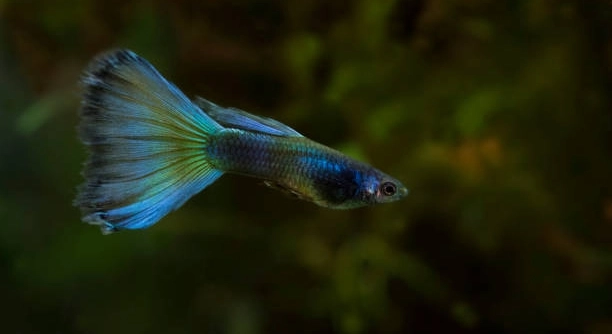
Many aquarium owners love their guppies for their vibrant colors and playful behavior. However, illness can quickly affect these delicate fish, and it’s important to spot the signs early. This article explores how to detect guppy illness quickly.
Identifying guppy illness promptly involves observing for common symptoms such as changes in behavior, appearance, or swimming patterns. Early detection can lead to quicker treatment and a better chance for recovery, helping to maintain your guppy’s health.
Recognizing these signs will help you take the necessary steps to care for your guppy and prevent further issues. Keep reading to learn more about identifying illness early and providing the best care for your fish.
Watch for Changes in Behavior
When your guppy starts to act differently, it’s one of the first signs that something might be wrong. A healthy guppy swims around freely, interacts with others, and enjoys exploring its surroundings. If your guppy starts to swim erratically, hides more than usual, or stays in one spot for extended periods, it could be a sign of illness. Another indicator is if your guppy seems lethargic, struggling to move or losing interest in food. These changes, though subtle at first, can give you an early warning to act.
Checking the water conditions regularly is important as poor water quality can cause stress and illness in guppies. Make sure the temperature, pH, and ammonia levels are in a safe range for your guppy. You should also keep an eye on any bullying behavior from other fish, as it can affect your guppy’s health.
If behavior changes persist for more than a day, it’s time to take a closer look. Make sure your fish tank is clean and the water conditions are ideal. If behavior issues continue, consider separating the sick guppy from the rest and start treatment.
Monitor for Physical Symptoms
Physical changes in your guppy can also signal that something is wrong. Look for symptoms such as discoloration, swollen or deformed body parts, or clamped fins. A healthy guppy should have vibrant colors and open, spread fins. If you notice that the fins are clamped tightly to the body, it often indicates stress or illness.
In addition to clamped fins, check for any growths, sores, or lesions on the skin. These can be signs of bacterial or parasitic infections that need immediate attention. A guppy that appears bloated or has difficulty swimming should be monitored closely, as these can be signs of internal issues.
A guppy’s skin should be clear and smooth, with no visible wounds or discolored patches. If you notice unusual changes in your fish’s body, acting quickly can help prevent more serious issues from developing. Regularly inspect your guppy for these physical signs to keep its health in check.
Check for Difficulty Breathing or Floating
If your guppy has trouble breathing or stays near the surface of the water, it may be struggling to get enough oxygen. Healthy guppies swim through the water with ease and stay mostly in the mid-level of the tank. If your guppy begins to float at the top or bottom of the tank, or seems to gulp air at the surface frequently, it might be a sign of a respiratory issue or poor water quality.
In such cases, take a quick look at the tank’s filtration system. Poor filtration can lead to low oxygen levels, which can stress your guppy. You should also check the water temperature and the amount of dissolved oxygen. Sometimes, guppies may also breathe quickly if there are high levels of toxins like ammonia in the water, so perform a water test to rule out any contamination.
If the problem persists, consider using an air pump to increase oxygen flow. If the fish continues to have trouble breathing, it may be time to move them to a separate tank and begin treatment for respiratory issues.
Observe Changes in Eating Habits
A sudden loss of appetite in your guppy can be a clear indicator of illness. Healthy guppies are often active feeders, eagerly responding to food. If your guppy stops eating or eats less than usual, it’s important to look for other symptoms. A decrease in appetite may be a result of stress, poor water quality, or an internal issue like parasites or digestive problems.
One of the first steps in determining the cause is to check the water quality and ensure the tank conditions are ideal. Guppies may also stop eating if they feel threatened by other fish, so make sure there’s no aggression happening in the tank. If the behavior persists for a couple of days, consider isolating the sick guppy to reduce stress and observe their eating habits in a calmer environment.
In some cases, fish can refuse food if they are dealing with parasitic infections or digestive issues. Offering easily digestible foods, like frozen daphnia or brine shrimp, may help get your guppy back on track. If the issue continues or worsens, consulting an aquatic veterinarian can help you identify the problem.
Check for White Spots or Film
White spots or a cloudy film on your guppy’s body can indicate a few different issues. The most common cause of white spots is ich, a parasitic infection that causes tiny, white cysts to appear on the skin and fins. If you notice these spots, it’s important to act quickly.
Ich spreads easily and can quickly affect other fish in the tank, so isolating the sick guppy is a good first step. You can treat ich with a formalin-based medication or increase the water temperature slightly to speed up the life cycle of the parasite. During treatment, ensure the water quality remains optimal to prevent further stress on the fish.
While ich is the most common cause of white spots, other potential causes include fungal infections or skin abrasions. Keep an eye on the progression of the spots and observe any other symptoms such as lethargy or loss of appetite.
Look for Signs of Swelling or Bloated Belly
A bloated belly can be a sign of several issues in your guppy, from overfeeding to more serious problems like internal parasites or swim bladder disease. If your guppy appears swollen or has a distended belly, it’s important to monitor them closely. In some cases, bloating is caused by constipation, which can be resolved by withholding food for a day or offering a blanched pea.
If the swelling persists or is accompanied by other symptoms, such as difficulty swimming or a lack of appetite, it could indicate an infection or more serious internal issues. Parasites like tapeworms or worms can also cause bloating, and these often require a specialized treatment.
Infected or swollen organs can cause the belly to swell as well, and if left untreated, it can lead to more severe health problems. Ensure the water quality is good, and consider isolating the guppy to reduce stress while you begin treatment.
Examine for Skin Ulcers or Open Sores
Skin ulcers or open sores on your guppy can indicate a bacterial infection or external injury. These open wounds often appear as patches of damaged or missing skin. If left untreated, these areas can become infected and cause severe health issues.
If you spot any open sores or ulcers, check the water quality immediately, as poor water conditions can make healing difficult. To treat the sores, you may need to use an antibiotic or anti-fungal medication, depending on the type of infection. Keep the guppy isolated to reduce stress.
Proper tank maintenance and avoiding overcrowding can help prevent further issues with open sores. If the wounds worsen or new sores appear, it’s best to consult with an aquatic veterinarian for guidance.
Monitor for Rapid Weight Loss
Rapid weight loss in a guppy is often a sign of a parasitic or bacterial infection. If your guppy is losing weight quickly, it may not be getting enough nutrition, or it could have an internal issue affecting its digestion.
Parasitic infections like internal worms or external parasites can cause significant weight loss, as the guppy’s body struggles to absorb nutrients. Similarly, if the guppy’s appetite has decreased or it’s not eating at all, it will begin losing weight.
Consider isolating the fish and treating it with medications specifically designed for internal parasites. Ensuring your guppy receives proper nutrition, like high-quality fish flakes or live foods, can also help it regain weight.
Watch for Abnormal Swimming Patterns
If your guppy begins to swim erratically, such as darting around the tank or swimming upside down, it could be dealing with a health issue. Abnormal swimming patterns often signal stress, a swim bladder disorder, or an infection.
Check the water temperature and quality, as both can impact your guppy’s ability to swim normally. A swim bladder problem, which affects the guppy’s buoyancy, is common in aquarium fish and can cause them to float sideways or struggle to maintain their position in the water.
Adjusting the water temperature or offering sinking food can sometimes resolve the issue. If symptoms persist, isolating the guppy and using a treatment for swim bladder issues might be necessary.
FAQ
How can I tell if my guppy is stressed?
Stress in guppies can show up through several behaviors. Common signs include hiding more than usual, clamped fins, loss of appetite, and abnormal swimming. If your guppy appears sluggish or starts staying near the surface or bottom of the tank, it might be stressed. The main causes of stress are poor water quality, overcrowding, aggressive tankmates, or sudden changes in water parameters. Ensure that the water temperature, pH, and ammonia levels are stable and that your guppy has enough space to swim freely. Stress can weaken a guppy’s immune system, making it more vulnerable to disease.
What causes guppies to lose their color?
Color loss in guppies can occur for various reasons, but the most common cause is poor water quality. When the water has high levels of ammonia, nitrites, or low oxygen levels, it can lead to stress and color fading. Additionally, stress from aggressive tankmates or improper diet can also cause your guppy to lose its vibrancy. Check the water conditions immediately if you notice color fading, and ensure that your guppy is receiving a balanced diet with the proper nutrients. If the issue continues, consider isolating the fish to reduce stress and treat any underlying problems.
What should I do if my guppy is swimming upside down?
If your guppy is swimming upside down or struggling to stay upright, it’s likely dealing with a swim bladder issue. This disorder affects a fish’s ability to maintain buoyancy and can cause it to float sideways or upside down. The causes of swim bladder disease are often poor water quality, overfeeding, or an internal infection. To help your guppy, try adjusting the water temperature slightly, as warmer water can sometimes alleviate symptoms. You can also try feeding your guppy a peeled, blanched pea, which may help with digestion. If symptoms persist, isolate the guppy and consult with a veterinarian.
How can I help a bloated guppy?
A bloated guppy can be suffering from a variety of issues, including constipation, internal parasites, or swim bladder problems. The first step is to ensure that the water quality is optimal, as poor conditions can exacerbate the problem. If the bloating appears to be from constipation, try withholding food for a day and offering a small, blanched pea the next day. If the bloating is accompanied by other signs like lethargy or changes in swimming behavior, it could be a sign of internal parasites or infection, and you may need to treat the guppy with appropriate medication. In any case, isolating the fish to reduce stress is helpful.
Why is my guppy hiding in the corner of the tank?
When a guppy hides in the corner of the tank, it’s usually a sign of stress or illness. Guppies are social fish and typically enjoy swimming throughout the tank. If your guppy is constantly hiding, it might be struggling with poor water quality, aggression from other tankmates, or feeling unwell. First, check the water conditions, ensuring the temperature, pH, and ammonia levels are within safe limits. If the water is fine, consider observing the other fish for signs of aggression. If you notice any, it may be necessary to separate the aggressive fish or move your guppy to a more peaceful area.
What should I do if my guppy isn’t eating?
A guppy that refuses to eat could be showing signs of illness, stress, or poor water quality. First, check the water parameters and make sure everything is in balance. Poor water quality can cause a loss of appetite. If the water is fine, try offering a variety of foods, such as high-quality flakes, frozen brine shrimp, or daphnia, to see if your guppy prefers one over the other. If the loss of appetite persists, look for other symptoms like lethargy, discoloration, or unusual swimming patterns, as these can indicate underlying health issues. If necessary, isolate the guppy to prevent stress and begin treatment.
How often should I change the water in my guppy tank?
Water changes are essential to maintaining a healthy environment for your guppies. It’s generally recommended to perform a 25-50% water change once a week, depending on the size of the tank and the number of fish. In smaller tanks or heavily stocked tanks, more frequent water changes might be necessary. Regular water changes help remove excess waste, uneaten food, and harmful toxins like ammonia and nitrites, all of which can affect your guppy’s health. Always use dechlorinated water and ensure the temperature of the new water matches the tank’s temperature before adding it.
Can guppies live with other fish?
Yes, guppies are peaceful and social fish that generally do well in community tanks with other non-aggressive species. However, it’s important to choose compatible tankmates. Guppies should not be housed with aggressive or territorial fish, as they can become stressed or injured. Good tankmates for guppies include other peaceful fish like neon tetras, mollies, or corydoras catfish. Avoid housing them with fin-nipping species like certain types of barbs, as this can cause harm. Always monitor the interactions between your guppies and other fish to ensure a peaceful and healthy tank environment.
What’s the best way to prevent guppy diseases?
Preventing guppy diseases starts with maintaining good water quality and a healthy tank environment. Regular water changes, proper filtration, and monitoring water parameters like temperature, pH, and ammonia levels are crucial. It’s also important to avoid overcrowding and ensure your guppies are not stressed. Quarantining new fish before introducing them to your main tank can help prevent the spread of diseases. Providing a balanced diet with high-quality food and avoiding overfeeding will also support your guppy’s immune system. Regular observation of your fish can help catch potential issues early before they become serious.
Final Thoughts
Taking care of your guppy requires consistent observation and attention to its behavior and environment. As small and delicate creatures, guppies can be easily affected by changes in their tank conditions, which can lead to illness. Keeping a close eye on their behavior, such as changes in swimming patterns, eating habits, or overall appearance, is essential to spotting any problems early. The sooner you notice something unusual, the quicker you can take action to address it and prevent further complications.
Regular tank maintenance, such as water changes, monitoring water quality, and ensuring the proper temperature and pH levels, will help keep your guppies healthy. These small steps are crucial for maintaining a stable and clean environment that promotes the overall well-being of your fish. Also, providing a balanced diet and avoiding overcrowding can help prevent unnecessary stress, which is one of the leading causes of illness in guppies. Stress can weaken their immune system, making them more susceptible to diseases.
Finally, while diagnosing guppy illnesses might seem overwhelming at times, staying calm and taking one step at a time can make all the difference. By understanding the common signs of illness, knowing how to address them, and maintaining good tank practices, you’ll be able to keep your guppies happy and healthy for a long time. Don’t hesitate to reach out to a vet or expert if you’re unsure about the cause of your guppy’s symptoms.

Hello,
If you enjoy the content that we create, please consider saying a "Thank You!" by leaving a tip.
Every little bit helps us continue crafting quality advice that supports the health, happiness, and well-being of pets around the world, for pets of all shapes, sizes, and species.
We really appreciate the kindness and support that you show us!