
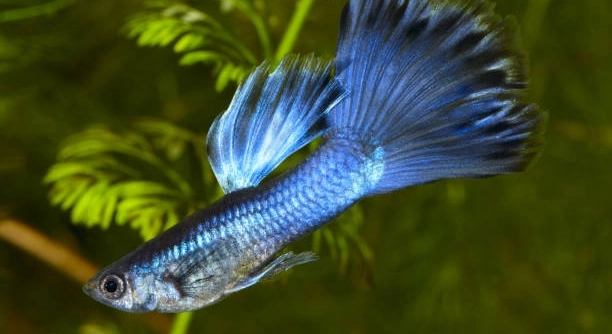
Guppies are fascinating fish that bring vibrant colors and activity to any aquarium. However, sometimes they avoid eating certain foods, leaving aquarium owners puzzled. Understanding the reasons behind their picky eating habits can help you ensure their health and well-being.
There are several reasons why guppies avoid certain foods, including their size, dietary preferences, water conditions, and the quality of the food. Guppies are small fish, and they might be selective based on texture, taste, or even how the food is presented.
These factors are important to consider if you’re noticing your guppy is being picky. In the next sections, we will explore the common reasons for their food preferences and how you can address them to keep your guppy happy and healthy.
1. Size of the Food Particles
Guppies are tiny fish with small mouths, and this can be a big factor in their food choices. They are more likely to ignore food that is too large or difficult to eat. If the food particles are too big, they may simply swim away from it. Small food pieces are easier for them to manage, ensuring they get the nutrients they need without struggling. Over time, it’s helpful to adjust the size of the food to fit their small mouths and encourage them to eat properly.
The size of the food directly affects your guppy’s ability to eat. Small, bite-sized pieces are ideal, and it’s essential to avoid large chunks that they may find challenging to consume.
If your guppy is refusing food, the issue might be as simple as the size. Choosing food that’s properly sized can make a significant difference. There are many types of fish food available, but always keep in mind that guppies prefer food that is small enough for them to eat easily. This will also prevent any wasted food that can pollute the water.
2. Water Quality and Conditions
Water quality is crucial when it comes to guppy feeding habits. Guppies are sensitive to changes in their environment, and poor water quality can stress them out, making them less likely to eat. High levels of ammonia, nitrites, or a change in temperature can impact their appetite. Keeping your aquarium water clean, with proper filtration and regular water changes, helps maintain a stable environment. Guppies will feel more comfortable and are more likely to eat when they are in a stress-free environment.
Guppies thrive in stable, clean water. If the water isn’t right, they won’t feel comfortable enough to feed.
When the water conditions are off, your guppy might stop eating. Keeping the water temperature between 74°F and 82°F, checking pH levels, and ensuring proper filtration can help. Stress from poor water quality can lead to a decrease in food intake. If your guppy is not eating, first check the water to make sure everything is balanced. Regular monitoring and maintenance of the tank are key to promoting a healthy, stress-free environment that supports their eating habits.
3. Type of Food
The type of food you provide can also influence whether your guppy eats it. Guppies have preferences for certain types of food like flakes, pellets, or live food. Some may not eat dry flakes if they find them unappealing or too hard. Experimenting with different food types can help you determine what your guppy prefers.
If your guppy refuses to eat a specific food, try offering live food or frozen options instead. Live foods like brine shrimp or daphnia can be more attractive to them because they mimic their natural diet. Variety in their diet can help stimulate their appetite, ensuring they get all the nutrients they need. Switching between different types of food can also prevent them from getting bored with the same options.
It’s also important to check the quality of the food. Low-quality flakes or pellets might not appeal to your guppy, leading them to avoid eating altogether. You may need to try several brands or types to find what works best for your fish. Fresh, high-quality food will encourage them to eat and stay healthy.
4. Stress from Tankmates
Stress from other tankmates can impact a guppy’s eating habits. Guppies are social fish, but if there is aggression or too much competition for food, they may feel stressed and refuse to eat. Stress reduces their appetite and can lead to health problems if it continues.
Aggressive fish or overcrowded tanks are common sources of stress. If your guppy is being harassed by other fish, it might not feel safe enough to eat. You should ensure that the tank has a good balance of fish, with enough space for each one.
To reduce stress, it’s crucial to provide hiding spots and plants where your guppy can feel safe. This gives them a place to retreat if they feel threatened. Additionally, feeding your guppies in smaller portions, more frequently, can reduce competition for food. These changes will help your guppy feel more secure and more likely to eat properly.
5. Age of the Guppy
As guppies age, their eating habits can change. Older guppies may become less active, and their appetite might decrease. This can make them more selective about the food they eat. It’s important to observe their behavior closely as they age to ensure they’re still getting proper nutrition.
Older guppies may also be more sensitive to certain types of food. If they have trouble eating, you might want to try softer foods or those that are easier to digest. Some guppies may also experience a decline in taste and smell as they get older, making them pickier.
As they age, keeping a variety of high-quality, easy-to-eat foods on hand will encourage better feeding. Adding live foods like brine shrimp or crushed flakes might help stimulate their appetite and provide the necessary nutrients for their health.
6. Overfeeding
Overfeeding can lead to problems with your guppy’s eating habits. If food is left uneaten in the tank, it can pollute the water and cause stress. This often makes the guppy less likely to eat, as it might associate food with an uncomfortable environment.
Overfeeding also affects water quality. Uneaten food can decay and create toxins that harm your guppy, further decreasing their appetite. To avoid this, feed small amounts that they can consume within a few minutes. If they haven’t eaten it all, remove any leftover food to maintain water quality.
Maintaining a consistent feeding schedule and portion control will help prevent overfeeding. It’s important to find the right balance to keep your guppy healthy and happy without overburdening the tank environment.
7. Illness or Health Issues
If your guppy refuses food, illness could be a factor. Infected or sick guppies may lose their appetite, and other symptoms like lethargy, faded color, or unusual swimming behavior can indicate a problem. Illness often causes a temporary decrease in eating.
If your guppy shows signs of illness, it’s important to act quickly. Many diseases in fish are treatable if caught early. You may need to quarantine your guppy to prevent the spread of illness to other fish and begin treatment immediately. In some cases, a change in diet or medication can help.
Consulting a veterinarian or an aquarium specialist for guidance on treatment can ensure your guppy receives the proper care. Monitoring their health regularly will help you catch issues early, ensuring they stay healthy and active in the long term.
FAQ
Why won’t my guppy eat the food I give it?
There could be several reasons why your guppy isn’t eating. First, check the food you’re offering. Guppies can be picky, especially if the food is too large, too hard, or not appealing. Additionally, water quality plays a huge role. Poor water conditions can stress your guppy and cause them to lose their appetite. Other factors like stress from tankmates, age, or even illness can also impact feeding habits. Observing your guppy closely and making adjustments based on these factors can help encourage better eating.
How can I encourage my guppy to eat more?
To encourage your guppy to eat, try offering a variety of foods. Live food such as brine shrimp, daphnia, or crushed flakes might be more enticing than dry pellets or flakes. You can also try offering smaller, bite-sized pieces that are easier for your guppy to consume. Make sure to maintain a clean tank environment with optimal water conditions. Reducing stress from other fish in the tank and ensuring there’s enough space will also help your guppy feel safe and more likely to eat.
What type of food should I feed my guppy?
Guppies need a balanced diet of proteins, vitamins, and minerals. High-quality flakes or pellets designed for guppies are a good start. Live or frozen foods like brine shrimp, bloodworms, or daphnia are excellent sources of protein and can encourage better eating. Supplementing their diet with occasional vegetables, such as finely chopped spinach or zucchini, will provide added nutrients. Be sure to choose food that matches the size of their mouths, and avoid offering large pieces that they may have trouble eating.
How often should I feed my guppy?
Feeding your guppy twice a day is usually enough. Only give them as much food as they can consume in a few minutes. Overfeeding can cause waste buildup and pollute the water, leading to stress and making your guppy less likely to eat. Regular small feedings are ideal to keep your guppy healthy and prevent waste from lingering in the tank. Pay attention to your guppy’s activity levels and adjust feeding frequency if needed.
Can poor water quality cause my guppy to stop eating?
Yes, poor water quality can definitely cause your guppy to stop eating. If there are high levels of ammonia, nitrites, or improper temperature, your guppy might become stressed and lose its appetite. Keeping the water clean by performing regular water changes and maintaining a proper filtration system will help ensure that your guppy feels comfortable and is more likely to eat. A stable water environment is key to keeping your guppy healthy.
What should I do if my guppy isn’t eating?
If your guppy isn’t eating, first check the water quality to make sure it’s within the right parameters. Then, try offering a variety of foods, including live or frozen options, to see if your guppy prefers one type over another. Observe the behavior of your guppy and other fish in the tank to make sure there isn’t bullying or competition for food. If your guppy continues to refuse food for an extended period, it might be an indication of illness, and you should consider quarantining it and seeking professional advice.
Why is my guppy not eating after a water change?
After a water change, guppies may experience some temporary stress due to the changes in their environment. The shift in water conditions, such as changes in temperature or pH, can make them feel uneasy and lead to a loss of appetite. Ensure the water temperature matches the previous tank conditions and the pH is stable. Allow your guppy some time to adjust, but if they still refuse food after a day or two, check for any signs of illness or stress.
Can tankmates influence my guppy’s eating habits?
Yes, tankmates can have a big impact on your guppy’s eating habits. If there are aggressive fish in the tank, your guppy may feel intimidated and avoid eating. Overcrowding can also lead to competition for food, causing stress and loss of appetite. To reduce stress, ensure there’s enough space for each fish and add hiding spots to give your guppy a place to feel safe. If the problem persists, consider rehoming aggressive tankmates to reduce stress levels.
Is it normal for guppies to be picky eaters?
Yes, guppies can sometimes be picky eaters. They may refuse food that’s not appealing to them, whether due to taste, texture, or size. Offering a variety of foods can help discover what your guppy likes. It’s also essential to ensure that the food is properly sized for their mouths and that it is fresh and high-quality. Keep an eye on their eating habits and adjust accordingly.
How can I tell if my guppy is sick and not just picky?
If your guppy is sick, you may notice other signs apart from refusing food, such as faded color, sluggish swimming, or unusual behavior. They might also display signs like bloating, visible sores, or clamped fins. If you notice any of these symptoms, it’s important to treat the illness as soon as possible. If only their eating habits are off, but no other health issues are visible, they are likely just being picky, but keep monitoring them for any changes.
Do guppies need to eat live food?
While guppies do not strictly need live food, it can be beneficial for their health and diet. Live food offers natural nutrients and helps stimulate their natural hunting behavior, which can keep them active and engaged. It also provides protein that promotes healthy growth. However, guppies can live on a diet of high-quality flakes and pellets, so live food is not a requirement but a beneficial supplement.
Final Thoughts
Understanding why your guppy might be avoiding certain foods is key to keeping them healthy and happy. Guppies are small and delicate fish, so their eating habits can be influenced by several factors. Water quality, food size, and the type of food you offer are all important aspects to consider. By monitoring these elements, you can create an environment where your guppy feels comfortable and motivated to eat. Keeping the tank clean and providing high-quality food can make a big difference in your guppy’s overall health and well-being.
It’s also important to recognize that guppies, like many fish, can become stressed by changes in their environment. This stress can directly affect their eating habits. For example, poor water conditions, aggressive tankmates, or overcrowding can all make a guppy less likely to eat. Offering a calm and stable environment, along with a balanced diet, can help reduce stress and encourage your guppy to eat. Providing a variety of foods, including live or frozen options, might also help stimulate their appetite and provide them with the nutrients they need.
Finally, if your guppy continues to avoid food despite your best efforts, it could be a sign of illness or age-related changes. If you notice other symptoms such as lethargy, color changes, or unusual behavior, it’s a good idea to consult an expert or seek advice from a veterinarian. Keeping a close eye on your guppy’s behavior and adjusting their diet and environment as needed will help ensure they live a long, healthy life. Each guppy is unique, and finding the right balance of care and attention will make all the difference in keeping them happy and healthy.

Hello,
If you enjoy the content that we create, please consider saying a "Thank You!" by leaving a tip.
Every little bit helps us continue crafting quality advice that supports the health, happiness, and well-being of pets around the world, for pets of all shapes, sizes, and species.
We really appreciate the kindness and support that you show us!