
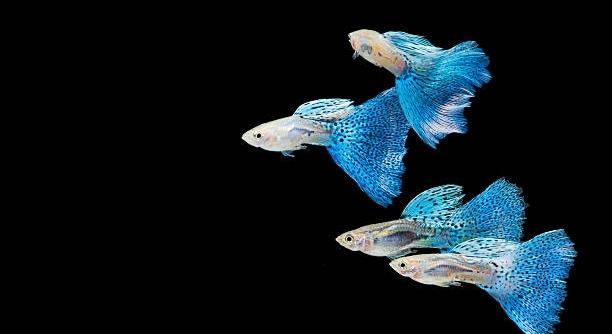
Guppy fry are delicate creatures, and it’s common for their appearance to change as they grow. If you notice them turning pale, it’s important to identify the cause to help them thrive.
Guppy fry may turn pale due to several factors, such as poor water quality, inadequate diet, stress, or illness. Other causes include environmental changes, insufficient lighting, or overcrowding in the tank, all of which can affect their health and color.
Understanding these causes can help you take the right steps to restore your guppy fry’s health and prevent further issues.
Poor Water Quality
One of the most common reasons why guppy fry turn pale is poor water quality. Guppies are sensitive to changes in their environment, especially when it comes to ammonia, nitrites, and nitrates. If these levels are too high, it can stress the fry and cause them to lose their vibrant color. Frequent water changes and maintaining a stable filtration system are essential in ensuring your guppy fry stay healthy. Regularly testing the water helps identify any imbalances before they affect the fry’s health. Clean water is vital for their survival and development.
Maintaining a proper water filtration system and performing regular water changes will help keep the fry healthy.
If water parameters such as temperature, pH, and hardness fluctuate too much, it can make your guppy fry more susceptible to illness and pale coloring. Keeping the water stable and free of toxins will reduce stress, which can otherwise contribute to pale fry. Water changes should be done every week, and water temperature should remain within the recommended range. If possible, avoid using tap water that might contain chlorine or other harmful chemicals. Using a dechlorinator or filtered water can also be beneficial for fry health.
Poor Diet
A lack of proper nutrition can cause your guppy fry to appear pale and weak. Inadequate feeding can lead to vitamin and mineral deficiencies, affecting their overall growth and health.
A well-balanced diet for guppy fry includes high-quality, nutrient-rich foods such as baby brine shrimp, daphnia, or specialized fry food. Guppy fry need small portions, but they should be fed frequently throughout the day to ensure proper growth. Poor feeding habits can also make them more susceptible to infections, which can further contribute to their paleness.
Stress from Tank Mates
Guppy fry can become stressed when housed with aggressive or overly active tank mates. Tank mates that nip at fins or crowd the fry can cause them to lose their color. Keeping aggressive fish out of the fry tank helps maintain a peaceful environment, allowing the fry to grow comfortably without stress.
Stress causes guppy fry to produce high levels of cortisol, which affects their immune system and overall health. As a result, pale coloration is a sign that the fry may be struggling. It’s important to provide a stress-free environment with appropriate tank mates. If your guppy fry are housed with adult guppies or other fish that may harass them, it’s best to separate them until they grow large enough to handle the tank dynamics.
While it’s important to avoid stress, it’s also crucial to maintain proper tank conditions. Overcrowding can exacerbate stress and make it harder for guppy fry to thrive. Ensuring enough space for all fish is key. Guppy fry should have a designated area where they feel safe and are not overwhelmed by the activity of larger fish.
Temperature Fluctuations
Temperature fluctuations are another common reason for pale guppy fry. Sudden changes in temperature can cause shock to their delicate systems, affecting their ability to thrive.
Guppies thrive in stable water temperatures between 72°F and 82°F (22°C to 28°C). If the temperature drops too low or rises too high, it can stress the fry, leading to pale coloring. To avoid this, invest in an aquarium heater with a thermometer to maintain a consistent water temperature. Temperature fluctuations can also weaken the fry’s immune system, making them more prone to infections and other health issues. A sudden temperature drop, especially if the fry are already weak, can lead to death.
Another factor contributing to temperature fluctuations is poor tank placement. Keeping your tank near windows or vents can cause exposure to direct sunlight, drafts, or heat sources that fluctuate throughout the day. Keeping the tank in a stable location and monitoring water temperature consistently will prevent these issues and help keep your guppy fry healthy.
Overcrowding
Overcrowding can cause guppy fry to turn pale due to increased competition for food and space. When there are too many fish in one tank, stress levels rise, and the fry may not get the necessary nutrients or oxygen they need to thrive.
As the fry grow, overcrowding can lead to poor water quality, as waste builds up faster than the filter can remove it. This further stresses the fry, causing their color to fade. To avoid overcrowding, ensure there’s enough space for each fry to swim freely. Regular water changes and tank maintenance are necessary to keep the environment clean.
Illness or Infection
Illnesses like ich or bacterial infections can cause guppy fry to appear pale. These diseases weaken their immune system and hinder their ability to maintain healthy coloration.
To prevent infections, maintain a clean tank and avoid introducing new fish without proper quarantine. If an infection occurs, isolating the affected fry and treating them with appropriate medications is essential. Keeping the water clean and stable also reduces the risk of illness spreading to healthy fry.
Inadequate Lighting
Inadequate lighting can also lead to pale guppy fry. Proper lighting helps regulate their circadian rhythm, which plays a role in overall health.
If your tank is too dim, the fry may not be receiving enough light to maintain their color. It’s important to provide consistent, natural lighting to support their growth and development. Ideally, the tank should receive 8 to 12 hours of light each day to mimic day and night cycles.
FAQ
What is the ideal water temperature for guppy fry?
The ideal water temperature for guppy fry ranges between 72°F and 82°F (22°C to 28°C). Maintaining a consistent temperature within this range is crucial for their health and growth. Fluctuations can cause stress and lead to pale coloration. A stable water temperature helps guppy fry thrive and reduces the risk of illness.
How often should I change the water for my guppy fry tank?
Water changes should be done at least once a week, but if you have a lot of fry or high stocking levels, you might need to change the water more frequently. Around 20-30% of the water should be replaced each time. Regular water changes help maintain a clean environment, reducing toxins and stress on the fry.
Can guppy fry be fed adult guppy food?
No, adult guppy food is not suitable for fry as it doesn’t provide the proper nutrients for their growth. Guppy fry require food that is small enough for them to eat and packed with nutrients to support their development. Offer high-quality fry food, brine shrimp, or crushed flakes designed for fry to ensure they get the right nutrients.
Why are my guppy fry staying small and not growing?
There are a few reasons why guppy fry might not grow as expected. Poor water quality, inadequate diet, and stress from overcrowding or aggressive tank mates are common causes. Ensuring a clean environment, providing the proper food, and maintaining a stable tank with appropriate space for the fry can help encourage healthy growth.
How can I prevent my guppy fry from turning pale?
To prevent your guppy fry from turning pale, ensure they have a stable and clean environment with the proper water parameters. Feed them high-quality food, avoid overcrowding, and prevent stress by ensuring compatible tank mates. Regular water changes, maintaining a stable temperature, and reducing exposure to direct light are also important.
Is it normal for guppy fry to lose color as they grow?
Some guppy fry might lose some of their initial color as they grow, but it shouldn’t be drastic or permanent. Pale fry could indicate stress, illness, or poor water quality. If the color loss is significant, addressing these underlying causes is important to prevent health issues and ensure their proper growth.
How do I know if my guppy fry are stressed?
Signs of stressed guppy fry include pale coloration, erratic swimming, hiding, or staying near the tank’s surface. Stress can be caused by poor water quality, overcrowding, or aggressive tank mates. Addressing these issues promptly can help reduce stress and restore your fry’s health.
Can I use tap water for my guppy fry tank?
Tap water can be used for your guppy fry tank, but it often contains chlorine or chloramine, which are harmful to fish. Always treat tap water with a water conditioner before adding it to the tank. Alternatively, you can use filtered or dechlorinated water to reduce the risk of harmful chemicals affecting the fry.
How can I tell if my guppy fry have an infection?
Signs of infection in guppy fry include pale or patchy skin, swimming abnormalities, loss of appetite, and clamped fins. If you notice these symptoms, it’s important to quarantine the affected fry and treat them with appropriate medications. Regular water changes and maintaining clean water conditions can help prevent infections.
Do I need to separate guppy fry from adult guppies?
Yes, it’s a good idea to separate guppy fry from adult guppies. Adult guppies may accidentally eat the fry, or the fry may become stressed by the adult fish. Setting up a separate tank or using a breeding box can help protect the fry as they grow. Once the fry are large enough, they can be introduced to the main tank.
What can I do to help my guppy fry grow faster?
To help your guppy fry grow faster, provide them with high-quality, nutritious food such as baby brine shrimp, daphnia, and specialized fry food. Keep the water clean and stable, ensure proper tank conditions, and avoid overcrowding. Also, maintaining a stable temperature and reducing stress factors will contribute to their healthy growth.
How long does it take for guppy fry to grow to full size?
Guppy fry typically take around 3 to 4 months to reach full size, depending on the conditions. Factors like water temperature, food quality, and stress levels can impact growth rates. With proper care and optimal conditions, guppy fry will develop into adults and start showing their full color and size within this time frame.
Can I use aquarium salt for guppy fry?
Aquarium salt can be used in small quantities to help treat certain infections in guppy fry. However, it should be used cautiously, as excessive salt can harm the fry, especially in soft water. Always follow the manufacturer’s guidelines and consult a veterinarian if you’re unsure about the right dosage.
Final Thoughts
Taking care of guppy fry requires attention to detail, patience, and the right environment. Guppy fry are delicate and need specific conditions to grow and thrive. Keeping their tank clean, providing proper food, and maintaining ideal water parameters are key to their well-being. Small changes in water quality, temperature, or diet can make a big difference in their development. Monitoring the fry regularly and making adjustments as needed will help ensure they stay healthy and vibrant.
Overcrowding, poor water conditions, and improper diet are common causes of pale coloration and stunted growth in guppy fry. It’s important to avoid these issues by offering enough space, feeding high-quality food, and ensuring the water is free of harmful chemicals or toxins. A stable environment helps reduce stress and supports healthy development. If you notice pale fry or signs of illness, take action quickly to address the root cause. Treating the issue early can prevent more serious health problems down the road.
By paying attention to the needs of your guppy fry and providing the right care, you’ll be able to enjoy watching them grow into healthy adult guppies. Keeping a clean tank, maintaining the right temperature, and ensuring good nutrition will allow them to flourish. Regular water changes and careful monitoring will help prevent pale coloration and other health issues. Remember, your guppy fry depend on you for their care, so make sure their environment is safe, clean, and healthy for optimal growth and development.

Hello,
If you enjoy the content that we create, please consider saying a "Thank You!" by leaving a tip.
Every little bit helps us continue crafting quality advice that supports the health, happiness, and well-being of pets around the world, for pets of all shapes, sizes, and species.
We really appreciate the kindness and support that you show us!