
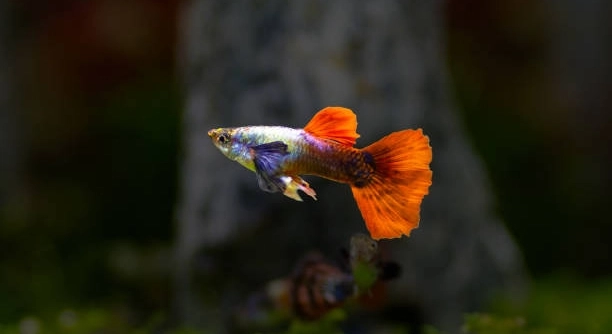
Guppies are popular aquarium fish, known for their colorful appearance and small size. However, they can be quite shy when it comes to their environment. Understanding why guppies avoid open spaces can help ensure they feel more comfortable in their habitats.
Guppies are naturally inclined to avoid open spaces due to their instinctive need for safety. In the wild, they seek out areas with plants and structures for cover to protect themselves from predators. This behavior persists in captivity.
By learning about the reasons behind this behavior, you can create a more suitable and comfortable environment for your guppies.
1. Guppies Prefer Hiding Spots
Guppies are small, and their natural instinct is to stay protected from predators. In the wild, they often swim in areas full of plants, rocks, and other hiding spots. This instinct remains even in a tank environment. If the tank is too open, guppies may feel exposed and stressed. Their behavior is a defense mechanism, keeping them safe from potential threats. This is why providing them with plants, decorations, and other structures can make them feel more secure. Without these features, they may hide in corners or stay in darker spots, which can affect their overall health.
Adding plants and other hiding spots not only mimics their natural environment but also helps reduce stress. Creating a more natural environment for your guppies is key to their well-being.
By adding various levels and types of cover, you provide your guppies with more choices for hiding. A good combination of tall plants and decorations will give them multiple options for retreating, leading to a healthier and more active aquarium.
2. Their Sensitivity to Open Spaces
Guppies are highly sensitive creatures.
Open spaces can make them feel vulnerable. Their natural instinct is to stay away from areas where they feel exposed. Without the ability to find cover, they may become anxious and less active. They also become less likely to interact with other fish, which can impact their social behavior.
Creating a tank with adequate hiding spots can help prevent this. Guppies thrive when they have a balance between open areas and spaces where they can retreat. Plants like Java Moss or floating plants can provide just enough cover to make your guppies feel more secure.
3. The Role of Water Movement
Guppies are sensitive to water flow, and strong currents can make them feel unsafe in open spaces. In nature, they often swim in calm waters with slow movement, allowing them to stay hidden. A strong current can make them feel exposed, leading to stress. They may avoid open areas and stick to places with slower water movement, where they feel protected.
If your tank has strong water movement, consider adding a filter with adjustable flow. Guppies will be more comfortable in a tank where they can swim freely without being pushed around. This adjustment can make a significant difference in their behavior, especially in open spaces.
Also, arranging decorations in such a way that they block the water flow in certain areas will create more comfortable zones for your guppies. These calm areas allow them to move at their own pace and reduce the stress caused by stronger currents. By providing a balance of flow, your guppies will feel safer.
4. Social Behavior and Territoriality
Guppies are social fish, but they can also be territorial. Males, in particular, may be more inclined to avoid open areas where they can be exposed to other fish. They prefer hiding to avoid confrontations or intimidation from more dominant fish. Territorial behavior can become more apparent in smaller tanks with fewer hiding spots, where the open space becomes a battleground.
Providing adequate cover with plants and decorations will help reduce territorial disputes. It gives the guppies places to retreat when they feel threatened or crowded. With proper hiding spots, each fish will have its own safe space and be less likely to feel stressed.
Another factor to consider is the number of fish in the tank. A larger group of guppies can help distribute any territorial behavior. With more individuals, no one fish will dominate the open space, allowing for smoother social interactions and less stress. The presence of cover allows them to interact in a more natural and relaxed manner.
5. The Effect of Tank Size
A smaller tank can make guppies feel cramped, and they may avoid open spaces because there’s no room to escape or hide. With limited space, they are more likely to feel stressed and exposed. They might swim in corners or stick to areas with more cover, avoiding the middle or open spaces.
To prevent this, it’s important to give your guppies enough room to swim and explore. A larger tank with proper decoration and hiding spots can make a huge difference. More space allows them to feel safe and secure, even when there are open areas in the tank.
6. Light Intensity and Behavior
Strong lighting can also affect guppy behavior, particularly in open spaces. In nature, they often seek shaded areas to protect themselves from predators. In an aquarium, bright lights can make guppies feel exposed. They tend to stay in darker areas or near plants where the light is softer, mimicking their natural environment.
Reducing the intensity of the tank light or adding plants to create shaded zones can help your guppies feel safer. This will encourage them to use more of the tank, including the open spaces, without feeling vulnerable under bright lights.
7. The Influence of Diet and Health
Poor health or malnutrition can make guppies more hesitant to swim in open spaces. When a fish is weak or stressed, it may avoid areas where it feels vulnerable. A well-balanced diet is essential for keeping your guppies strong and confident. Healthy fish are more likely to explore and interact with their environment.
Ensure your guppies are fed a varied diet with high-quality food. A proper diet supports their immune system, allowing them to feel more secure in open spaces. This will help them maintain active and healthy behaviors, reducing the need to hide in corners.
FAQ
Why do guppies avoid open spaces in their tank?
Guppies avoid open spaces primarily due to their natural instinct for self-preservation. In the wild, they seek shelter in plants or structures to avoid predators. When kept in an aquarium, they often feel vulnerable in open areas without cover. This instinct to stay hidden can result in them avoiding the center of the tank or any open space where they feel exposed. Providing more plants, decorations, or hiding spots will help reduce this behavior and allow them to feel safer.
Can I keep guppies in a small tank?
While guppies can survive in a small tank, it’s not ideal. Smaller tanks limit their swimming space and may cause them stress. Guppies need room to move around and explore. In cramped tanks, they tend to feel more exposed and may become lethargic or hide more often. A larger tank with adequate hiding spots, plants, and decorations is always better for their well-being.
How do water conditions affect guppy behavior?
Water conditions play a major role in how comfortable guppies feel in their environment. Poor water quality, whether from improper pH, temperature, or oxygen levels, can stress guppies and make them more likely to avoid open spaces. Guppies are sensitive to changes in their environment, so maintaining clean and stable water conditions will help them feel more secure. Regular water changes and proper filtration will ensure a healthier and less stressful environment for your fish.
Do guppies feel safer in groups?
Yes, guppies are social fish and generally feel safer in groups. Being part of a school provides them with protection, as they can rely on the group to notice potential threats. In smaller groups or when kept alone, guppies may feel more exposed and be more likely to avoid open spaces. A group of at least five guppies is recommended to help them feel more confident. This social structure helps reduce stress and promotes more active behavior.
Can guppies live with other fish species?
Guppies can live peacefully with many other species, especially those that are similarly sized and not overly aggressive. However, you should be cautious about tank mates that may stress or threaten your guppies. Avoid housing guppies with fin-nipping fish or overly territorial species. Peaceful community tanks with compatible species can help reduce stress and encourage more active swimming. Guppies can also help keep the tank lively, as they enjoy interacting with other non-aggressive fish.
How do I reduce stress in my guppies?
Reducing stress in guppies involves creating an environment that mimics their natural habitat. This includes providing enough space, plants, decorations, and hiding spots. It’s also crucial to maintain good water quality, a stable temperature, and a consistent lighting schedule. Reducing any sudden changes in their environment will also help. Guppies need a balanced diet to stay healthy and avoid malnutrition, which can also cause stress.
Are there specific plants guppies prefer?
Guppies tend to prefer plants that offer cover and places to hide. Plants like Java Moss, Anubias, and Hornwort provide them with areas to rest or swim through. Floating plants such as Water Sprite or Duckweed are also excellent choices since they create a canopy that offers shade and protection. The more plant variety you offer, the better your guppies will feel. Ensure the plants are not too dense, as guppies still need room to swim freely.
Can water movement affect guppies’ behavior?
Yes, water movement can greatly influence guppy behavior. Strong currents in the tank can cause stress, making guppies reluctant to swim in open spaces. They tend to avoid areas with heavy flow, staying in corners or behind decorations. You can manage this by adjusting the filter to a lower flow setting or adding baffles to reduce the current. Guppies thrive in calm water, which allows them to swim comfortably without feeling exposed.
How often should I feed my guppies?
Feeding your guppies once or twice a day is typically sufficient. Overfeeding can lead to poor water quality, which stresses the fish. Providing a balanced diet with high-quality flakes, pellets, and occasional live or frozen foods will ensure they remain healthy and active. It’s important to feed them only what they can consume in a few minutes to prevent uneaten food from affecting the tank’s water quality.
Do guppies need special care in a community tank?
In a community tank, guppies need attention to ensure they aren’t being stressed by more aggressive fish. They tend to do well in peaceful setups with other non-aggressive species. Ensure your tank includes enough hiding spots, as some fish may harass or intimidate them. Guppies are also sensitive to water conditions, so maintaining good water quality is essential in a community tank. Be mindful of other species’ needs to avoid creating a stressful environment for your guppies.
Can guppies breed in a community tank?
Yes, guppies can breed in a community tank, but you should be aware that other fish may eat the fry if not separated. To ensure that the young guppies survive, you can add plants or mesh breeding boxes that offer hiding places for the babies. If you don’t want to breed them, consider keeping only males or removing the pregnant females when the time comes. Keep in mind that guppies reproduce quickly, so controlling the population may be necessary.
Final Thoughts
Understanding why guppies avoid open spaces is essential for creating a comfortable environment for them. These fish are naturally cautious, and their instinct to seek shelter helps protect them from potential threats. In an aquarium, this behavior is often triggered by factors such as the size of the tank, water conditions, and lighting. By providing a suitable habitat with plenty of hiding spots, plants, and decorations, you can reduce their stress and encourage them to explore more freely.
Tank size is one of the key factors that influence guppy behavior. A cramped tank makes guppies feel vulnerable and more likely to avoid open areas. A larger tank with more swimming space helps them feel secure and encourages more active behavior. Additionally, water quality, temperature, and lighting can all contribute to the fish’s comfort level. Maintaining stable water conditions and using appropriate lighting can help guppies feel less stressed and more willing to use open spaces. It’s also important to remember that guppies are social creatures. Keeping them in groups can help them feel more secure and reduce their tendency to hide.
Ultimately, creating the right environment for your guppies requires understanding their needs and providing the right conditions. A balance of proper tank size, water quality, and enough hiding spots will ensure that they remain active and healthy. With the right care, your guppies will feel more confident in their surroundings, exploring the tank and using the open spaces more often. By focusing on these factors, you can improve their well-being and enjoy watching them swim freely.

Hello,
If you enjoy the content that we create, please consider saying a "Thank You!" by leaving a tip.
Every little bit helps us continue crafting quality advice that supports the health, happiness, and well-being of pets around the world, for pets of all shapes, sizes, and species.
We really appreciate the kindness and support that you show us!