
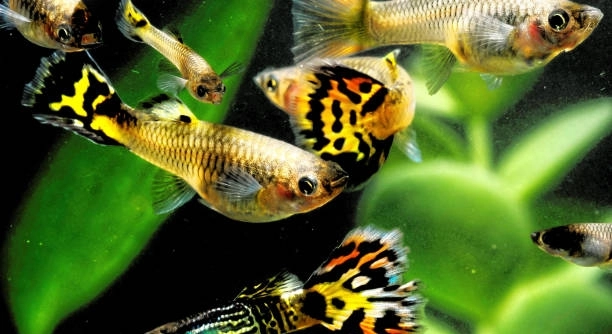
Guppies are small fish that can be quite sensitive to their environment. Many owners notice their guppies avoiding bright lights. This behavior is not random, but instead, it is linked to several factors related to their well-being.
Guppies avoid bright lights due to their natural instincts, as they are prey animals. Excessive light can cause stress, leading to erratic swimming patterns and hiding behavior. In the wild, bright environments often signal danger, prompting them to seek shelter.
Understanding how lighting affects your guppies can help you create a more comfortable habitat for them.
Natural Habitat of Guppies
Guppies are native to tropical regions where they live in calm waters, such as streams and shallow ponds. In these environments, light is filtered through trees or plants, creating softer, natural lighting. Bright light in their native habitat is usually accompanied by potential threats, making guppies more cautious in response to such lighting. This natural behavior carries over into their aquarium lives, where they instinctively seek shelter or avoid areas with excessive brightness. Their ability to adapt to low-light conditions is tied to survival instincts.
Guppies thrive in dimly lit spaces where they feel safe and can navigate more freely. They are sensitive to sudden changes in light intensity, which can cause them stress.
Proper lighting in your tank mimics their natural environment and helps reduce anxiety. While they do enjoy periods of brightness, consistent, harsh lighting can leave them feeling vulnerable. Creating a balanced light setup for guppies ensures they feel secure and can maintain their health.
Effects of Stress on Guppies
Stress is a significant factor when it comes to guppies avoiding bright lights. When exposed to too much light, guppies often exhibit signs of stress, including hiding, erratic swimming, or lethargy. Long-term exposure can even lead to health problems.
Keeping the tank’s lighting schedule consistent is essential to reduce stress levels. Guppies benefit from a natural day-night cycle, as it helps regulate their behavior and overall well-being. Overexposure to light or sudden changes in the lighting environment can disturb their natural rhythms.
Stress can weaken their immune systems, making them more susceptible to disease. Additionally, it can affect their growth and reproduction. Providing a controlled lighting schedule helps maintain their physical and mental health, ensuring that they thrive in your care.
Guppies’ Sensitivity to Light
Guppies are naturally sensitive to light, and bright lighting can disrupt their sense of safety. They tend to avoid areas with intense lighting, retreating to darker corners of the tank. This behavior is instinctual and helps them feel protected from predators.
In their natural habitat, guppies are used to environments with scattered light, such as the shadows cast by plants and rocks. When light is too bright, it mimics a situation where danger could be near. This is why guppies often seek refuge in shaded or low-light areas when faced with bright lights.
It’s important to observe their reactions and adjust the lighting accordingly. Dim lights or adjustable settings are ideal for guppies, as they offer a balance between visibility and comfort. Keeping light levels moderate ensures that they don’t feel stressed or exposed. This setup will help them feel secure in their environment.
Impact on Guppy Behavior
Bright lights can cause changes in guppy behavior. When exposed to intense lighting, they may swim erratically or spend more time hiding. These behaviors are common signs of stress and discomfort, indicating that the environment isn’t suited for their needs.
Guppies are known for being active and social, but bright lights can hinder their natural behavior. When constantly exposed to harsh lighting, they may exhibit signs of anxiety, such as hiding in plants or staying near the bottom of the tank. These behaviors are their way of coping with an environment that feels too intense.
This can lead to negative consequences over time, such as reduced appetite, slower growth, and weakened immune function. To ensure they stay healthy, it’s best to provide soft, adjustable lighting that can simulate a more natural environment for them.
Importance of Tank Lighting
The type of lighting you use in your guppy tank matters. Harsh lighting can stress them out, while softer light provides a more comfortable environment. The right lighting helps regulate their sleep-wake cycle and supports their overall health.
A consistent light cycle, mimicking day and night, is beneficial for guppies. It allows them to rest properly and reduces the stress associated with sudden lighting changes. Too much light, especially during the night, can disrupt their natural behavior and prevent them from feeling secure in their surroundings.
Providing appropriate lighting will ensure that your guppies stay healthy, active, and less stressed.
Choosing the Right Light
Selecting the right lighting for your tank goes beyond brightness. Guppies prefer softer, diffuse light, which doesn’t overwhelm them. LED lights with adjustable settings work well for this purpose, allowing you to control the intensity.
Using natural daylight can also be an option, but ensure it doesn’t create strong, direct light. Too much exposure can lead to algae growth, which might affect the water quality. Always keep the light source at a moderate level to help maintain the balance of the tank environment.
With the right lighting, your guppies will feel more at ease, reducing the chances of stress-related issues.
Duration of Light Exposure
Guppies need around 10 to 12 hours of light exposure each day. This mimics their natural day-night cycle and helps maintain their natural rhythms. Overexposure to light can cause undue stress, so it’s important to regulate the duration.
By using a timer or setting a consistent schedule, you can provide your guppies with an environment that aligns with their instincts. This helps prevent behavioral changes caused by erratic light exposure. Maintaining a regular cycle keeps them comfortable and reduces their need to avoid bright areas.
FAQ
Why do guppies avoid bright lights?
Guppies are instinctively programmed to avoid bright lights due to their nature as prey animals. Bright lighting makes them feel exposed and vulnerable. In the wild, excessive light often signals danger, prompting them to seek shelter. This behavior is carried over into their tank environment, where they associate bright lights with potential threats. By avoiding bright light, they protect themselves from predators.
Can guppies live in low-light environments?
Yes, guppies can live in low-light environments, and they often thrive in such conditions. Guppies are naturally accustomed to dim, filtered light in their native habitats, such as under trees or floating plants. Low-light environments help reduce their stress levels, allowing them to swim and behave more naturally. However, it is important to provide enough light for them to see and for the plants in their tank to grow. Soft, diffused light is ideal for creating a comfortable environment for your guppies.
How much light do guppies need?
Guppies typically need around 10 to 12 hours of light per day. A natural day-night cycle is crucial for regulating their behavior and health. Too much light can cause stress, while too little light can affect their overall well-being and growth. The right balance is key—provide consistent, moderate lighting to mimic their natural habitat. A timer can be helpful for maintaining this light cycle and ensuring they get enough light for proper rest and activity.
What type of lighting is best for guppies?
LED lights with adjustable intensity are generally the best option for guppies. These lights offer flexibility, allowing you to control the brightness and replicate a natural day-night cycle. Avoid using overly bright or harsh lights, as these can cause stress. Fluorescent lights can also work, but ensure they are not too intense. If possible, position the lights to avoid direct sunlight, as this can lead to fluctuating temperatures and algae growth.
Can guppies get used to bright light over time?
While guppies may adjust to brighter lights to some extent, they will likely still prefer lower light levels. Even if they become accustomed to brighter conditions, it can still cause them stress and discomfort. It’s important to avoid excessive exposure to bright lights, as prolonged stress can affect their health and behavior. Gradually adjusting the light intensity may help them adapt, but it’s best to stick to moderate lighting that closely resembles their natural environment.
Is it bad if my guppies are constantly hiding?
If your guppies are constantly hiding, it may be a sign that they are stressed, and bright lighting could be one of the causes. Guppies are more likely to hide when they feel unsafe or exposed. It’s essential to provide a more comfortable environment for them by adjusting the lighting or adding more hiding spots, such as plants or rocks. Consistent, softer lighting and a natural environment will encourage more active and confident behavior from your guppies.
How can I reduce stress in my guppies related to light?
To reduce stress in your guppies, it’s important to create a balanced lighting setup that mimics their natural environment. Use adjustable LED lights to control the intensity, and ensure there is a consistent light cycle of 10 to 12 hours per day. Avoid placing lights that are too bright or harsh, and provide areas where your guppies can hide or retreat when they feel uncomfortable. Regularly observe their behavior and adjust the lighting settings if necessary.
Can guppies live in a tank with no light?
While guppies can technically live in a tank with no light, it’s not ideal for their long-term health. Light plays an important role in regulating their circadian rhythm, helping them maintain a natural sleep-wake cycle. A lack of light can affect their behavior and disrupt their feeding and breeding patterns. If you don’t want to use artificial light, ensure they get some natural light during the day. However, it’s important to remember that some level of light exposure is necessary for their well-being.
What should I do if my guppies are avoiding the light completely?
If your guppies are avoiding the light completely, it could be an indication of too much brightness or an overly stressful environment. First, check the intensity of your tank’s lighting and adjust it to a lower setting if needed. Adding plants, caves, or other hiding spots can help them feel more secure. Ensure that your tank mimics a more natural environment with moderate light levels. If the behavior persists, monitor their overall health and look for signs of other stress factors, such as poor water quality.
How can I tell if my guppies are stressed from light exposure?
Signs of stress in guppies due to light exposure include erratic swimming, hiding for long periods, loss of appetite, and changes in behavior such as lethargy. If you notice your guppies constantly avoiding bright areas, they may be feeling overwhelmed by the lighting. If stress continues over time, it can lead to health issues like weakened immune systems and reduced growth. It’s important to adjust the lighting conditions and provide a comfortable environment to prevent these problems.
Is it okay to use natural sunlight for my guppy tank?
Natural sunlight can be beneficial for your guppies in moderation. It helps with their vitamin D intake and promotes plant growth in the tank. However, too much direct sunlight can lead to temperature fluctuations and encourage algae growth. If you choose to use natural sunlight, make sure the tank is placed in an area with indirect light and that the temperature remains stable. It’s often best to combine natural sunlight with controlled artificial lighting to provide a balanced environment.
How can I tell if the light intensity in my tank is too high for my guppies?
If the light intensity is too high, your guppies may begin to show signs of stress, such as hiding, erratic swimming, or a lack of activity. You may also notice an increase in algae growth or temperature fluctuations in the tank. It’s important to keep the light levels moderate and avoid placing your tank in direct sunlight. Using adjustable lighting with a timer can help maintain a stable light cycle, providing your guppies with a more comfortable environment.
Can I use a dimmer for my aquarium lights?
Yes, using a dimmer for your aquarium lights can be a great way to adjust the intensity of the light. A dimmer allows you to create a more comfortable lighting environment for your guppies by providing softer, diffused light. This helps mimic their natural habitat, where light levels are often lower. It also allows you to tailor the lighting to your guppies’ specific needs, reducing stress and promoting healthy behavior. Just ensure that the light is still bright enough for the plants in your tank to thrive.
Final Thoughts
Guppies are sensitive creatures, and their behavior around light reflects their natural instincts. Bright lights can make them feel exposed and vulnerable, which is why they tend to avoid areas with high-intensity lighting. This instinctual reaction is part of their survival mechanism, as it helps them stay safe from predators. Understanding this behavior is crucial for creating a comfortable tank environment for your guppies. By adjusting the light intensity and providing areas for them to hide, you can reduce stress and promote healthier, more natural behavior.
When setting up a tank for guppies, it’s important to keep in mind that the lighting should mimic their natural habitat. In the wild, guppies are accustomed to softer, filtered light. Using LED lights with adjustable brightness is a great way to simulate this environment. Providing a light cycle of 10 to 12 hours a day is also essential to help regulate their daily rhythms. This not only supports their well-being but also encourages proper feeding, sleeping, and breeding patterns. Keeping the lighting moderate and consistent can go a long way in ensuring your guppies thrive.
Ultimately, finding the right balance of light is key to keeping your guppies healthy and stress-free. It’s not just about the brightness, but also about creating a stable environment that closely resembles their natural surroundings. If you notice your guppies hiding or acting stressed, adjusting the lighting or adding more hiding spots can make a difference. Small changes, like providing more plants or rocks, can offer them the comfort they need to feel secure. By paying attention to their behavior and making these adjustments, you can help your guppies live a more relaxed and healthy life.

Hello,
If you enjoy the content that we create, please consider saying a "Thank You!" by leaving a tip.
Every little bit helps us continue crafting quality advice that supports the health, happiness, and well-being of pets around the world, for pets of all shapes, sizes, and species.
We really appreciate the kindness and support that you show us!