
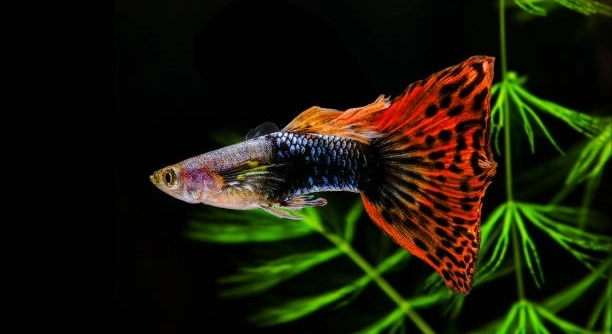
Guppies are vibrant and energetic fish, but sometimes their appetite can drop. Understanding the reasons behind this change in behavior is crucial for their well-being. This article will cover common causes of decreased appetite in guppies.
There are several potential causes for a guppy’s loss of appetite, including poor water quality, stress, illness, and improper diet. Other factors, such as temperature fluctuations, overcrowding, or tank mates, may also contribute to a decrease in appetite.
Taking the time to identify the cause of the issue can help you restore your guppies’ health. In the following sections, we’ll explore the main reasons and how to address each one.
Poor Water Quality
The water quality in your guppy tank plays a huge role in their health and appetite. If the water contains high levels of ammonia, nitrites, or nitrates, it can lead to stress and poor digestion for your guppies. It’s essential to keep the water clean and maintain the right pH, hardness, and temperature. Regular water changes and using a good filtration system will help ensure a stable environment for your fish. If the water quality is poor, guppies may refuse to eat or become lethargic.
In addition to maintaining cleanliness, make sure to test the water frequently to spot any imbalances before they affect your fish. Guppies are sensitive to changes, so consistency is key to keeping them healthy and active.
Regular water changes are vital, but sometimes adding too many fish or not monitoring the filtration system can cause problems. A careful balance ensures that the water remains a suitable habitat for your guppies.
Stress
Stress is a major factor in decreased appetite for guppies. If they feel threatened or uncomfortable, they might stop eating. Factors that can cause stress include loud noises, sudden temperature changes, or the presence of aggressive tank mates. It’s important to keep the tank peaceful and avoid overcrowding.
Stress can cause long-term harm to your guppies if not addressed. When stressed, guppies may hide more often or swim erratically, which reduces their chances of eating. Monitoring tank conditions and offering safe hiding spots will help reduce stress levels. A stable and calm environment ensures that your guppies feel secure enough to eat.
Illness
Guppies can lose their appetite when they are sick. Common illnesses like swim bladder disease, parasites, or fin rot can make them feel unwell and cause them to stop eating. Symptoms such as unusual swimming behavior, faded colors, or visible lesions can indicate health issues. A quick response to any signs of illness will help prevent further problems.
If you notice any symptoms, it’s best to isolate the sick guppy to prevent the illness from spreading. Consulting a veterinarian or doing some research on common guppy diseases can help you determine the cause. It’s also important to adjust your water parameters to prevent stress and improve recovery.
Make sure to feed your guppies nutritious food and avoid overfeeding to reduce the chance of food-related diseases. Healthy fish are more likely to have a strong appetite. Ensure proper care and a clean environment for the best chance of recovery.
Improper Diet
An improper diet can easily cause your guppy to lose interest in food. Feeding your guppies only one type of food or offering poor-quality fish flakes can lead to nutritional deficiencies. A varied diet helps keep them healthy and stimulates their appetite. Offer high-quality pellets, live foods, and vegetables to provide balanced nutrition.
A well-rounded diet also prevents common issues like bloating and constipation. Guppies are omnivores, meaning they need both plant and animal-based foods. By offering a mix of fresh and frozen foods, you ensure they get all the nutrients they need. Experimenting with different types of food can encourage them to eat more.
Remember to remove uneaten food after a few hours to avoid water contamination. This keeps the tank clean and ensures your guppy’s appetite stays consistent. Proper feeding habits can make a huge difference in their overall health and hunger.
Temperature Fluctuations
Guppies are sensitive to temperature changes. If the water is too cold or too hot, they may stop eating. Ideal water temperature for guppies is between 72°F and 82°F. A heater can help maintain a stable temperature, keeping your guppies comfortable and more likely to eat.
Even slight changes in temperature can cause stress and lower their appetite. If you notice your guppies swimming near the surface or staying still at the bottom, the temperature may be off. Regularly check the tank’s temperature with a thermometer to ensure it remains consistent.
Inconsistent temperatures can also weaken their immune system, making them more susceptible to illness. Proper temperature control is essential for keeping your guppies healthy and encouraging a strong appetite.
Overcrowding
Overcrowding in your tank can lead to stress, which decreases your guppies’ appetite. When there are too many fish in a small space, it can cause territorial disputes and make it harder for each fish to find food. Overcrowding often leads to poor water quality as well.
To avoid overcrowding, make sure your tank has enough space for all the fish. A general rule is one inch of fish per gallon of water. If your tank is too full, consider upgrading to a larger one or finding new homes for some of your guppies.
Proper filtration and regular water changes will help maintain a clean environment, but managing the number of fish in your tank is equally important. Keep an eye on the tank’s population to ensure it remains healthy.
Tank Mates
Aggressive or overly active tank mates can intimidate your guppies and prevent them from eating. Guppies are peaceful and social, so they thrive in a calm environment. If there are fish that chase or nip at them, they may become stressed and lose their appetite.
When choosing tank mates, consider species that are known to be peaceful and can coexist with guppies. Avoid aggressive fish like bettas or large predatory species. If your guppies are being harassed, it might be best to separate them from the aggressor or rearrange the tank to reduce territorial conflicts.
FAQ
Why is my guppy not eating?
There can be several reasons your guppy is not eating. Poor water quality, temperature fluctuations, stress from overcrowding or aggressive tank mates, and illness are the most common causes. Ensure the water parameters are ideal, the tank is calm, and the temperature is stable. If your guppy continues to refuse food, monitor for signs of illness and consider isolating them for observation.
How do I improve my guppy’s appetite?
Improving a guppy’s appetite often starts with checking water quality. Clean, well-maintained water and stable temperature are crucial. Additionally, offering a varied, nutritious diet with a mix of live foods, frozen foods, and high-quality pellets can stimulate appetite. Reducing stress by adjusting the tank environment may also help.
Can guppies go without food for a few days?
Guppies can survive without food for a few days, but it’s not ideal for their health. Young or sick guppies may struggle without food for even short periods. A lack of proper nutrition can weaken their immune system and lead to other health issues. If you need to leave them for a few days, use an automatic feeder to maintain a feeding schedule.
How do I know if my guppy is stressed?
A stressed guppy may exhibit unusual behavior like hiding, swimming erratically, or staying at the surface of the water. Loss of appetite, faded colors, and rapid gill movement are also signs. Stress can come from overcrowding, aggressive tank mates, or poor water conditions. Addressing these issues promptly will help reduce stress and improve their overall health.
What temperature do guppies need to thrive?
Guppies thrive in water temperatures between 72°F and 82°F (22°C to 28°C). Too hot or too cold temperatures can cause stress and reduce their appetite. Use a reliable heater to maintain consistent water temperature. Sudden temperature changes can also lead to illness or discomfort, so avoid drastic shifts in tank temperature.
Can guppies eat just flakes?
While flakes are a common food source, feeding only flakes may not provide a balanced diet for guppies. They need a variety of foods, including pellets, live foods, and vegetables, to meet their nutritional needs. A mix of food types ensures they receive proper vitamins, minerals, and protein.
How often should I feed my guppy?
Guppies should be fed 2-3 times a day, offering only what they can consume in a few minutes. Overfeeding can lead to water quality problems and health issues like bloating. Remove any uneaten food to prevent contamination. Adjust the feeding schedule if you notice changes in your guppy’s appetite.
Can guppies eat vegetables?
Yes, guppies can eat vegetables. Offer small pieces of blanched spinach, zucchini, or peas. These foods are a good source of fiber and vitamins. However, vegetables should be offered as a supplement to their main diet of pellets and live foods, not as their primary food source.
How do I treat a sick guppy?
If your guppy shows signs of illness, isolate them in a quarantine tank to prevent the spread of disease. Monitor water quality, temperature, and make sure they’re getting proper nutrition. Depending on the illness, you may need to treat the tank with medication or adjust environmental factors. Seek advice from a vet or experienced aquarist for specific treatments.
Why is my guppy’s color fading?
Fading colors in guppies can be caused by stress, illness, or poor water quality. Stress factors like aggressive tank mates or unstable temperatures can lead to color changes. Make sure your tank environment is calm, the water quality is optimal, and your guppies aren’t exposed to any stressors. If the fading persists, consider checking for illnesses.
Can guppies eat too much?
Yes, guppies can overeat, which can lead to digestive problems, bloating, or obesity. Overfeeding also contributes to poor water quality, which in turn can make your guppy less likely to eat. Stick to a feeding schedule with controlled portions to maintain their health.
How can I tell if my guppy is pregnant?
Pregnant guppies usually have a noticeably larger belly, which will become more prominent as the pregnancy progresses. You may also notice the gravid spot, a darkened area near the rear of the abdomen. Pregnant guppies may also behave differently, becoming less active as they near delivery.
Can water changes help if my guppy isn’t eating?
Yes, water changes can help if your guppy is not eating due to poor water quality. Dirty water can lead to stress and health problems. Regular water changes, along with maintaining proper filtration, can create a healthier environment and encourage your guppy to start eating again.
Final Thoughts
Guppies are relatively easy to care for, but they do have specific needs that must be met to stay healthy and active. If your guppy is losing its appetite, it’s essential to identify and address the cause. Common reasons include poor water quality, incorrect temperature, overcrowding, stress from aggressive tank mates, or illness. By ensuring your tank is well-maintained, with proper filtration, stable temperatures, and a calm environment, you can prevent many of these issues from affecting your guppy’s appetite.
Keeping an eye on your guppy’s behavior and appearance will help you spot potential problems early. Changes in their eating habits, swimming patterns, or physical condition often signal an underlying issue. If you notice anything unusual, it’s best to address the situation promptly. Whether it’s adjusting the temperature, improving the water quality, or isolating a stressed guppy, taking action quickly can prevent further complications and ensure your guppy remains healthy.
Lastly, a varied diet is key to keeping your guppy satisfied and healthy. Offer a combination of flakes, pellets, live foods, and vegetables to provide balanced nutrition. Overfeeding should be avoided as it can lead to water quality problems and health issues. Regular feeding, along with observing your guppy’s behavior and the condition of the tank, will help ensure they stay happy and active, avoiding issues like loss of appetite in the future.

Hello,
If you enjoy the content that we create, please consider saying a "Thank You!" by leaving a tip.
Every little bit helps us continue crafting quality advice that supports the health, happiness, and well-being of pets around the world, for pets of all shapes, sizes, and species.
We really appreciate the kindness and support that you show us!