
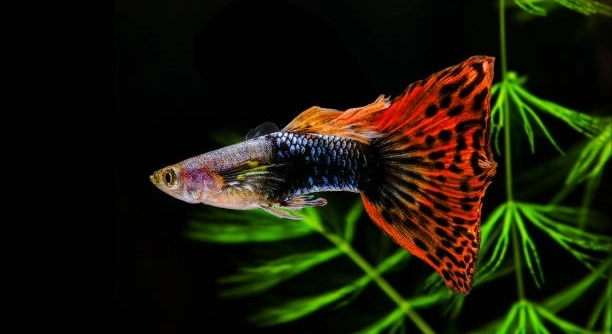
Guppy fish are popular pets, but sometimes they may show signs of stress. Understanding these signs is important to ensure their well-being and maintain a healthy environment for them. Guppies, like all animals, need proper care to thrive.
Stress in guppies can be caused by various factors, such as poor water quality, overpopulation, or inadequate temperature. Identifying these stress signs early can prevent serious health issues and help maintain a balanced tank environment for your fish.
Recognizing stress in guppies allows you to take the right steps to improve their habitat. Understanding these signs ensures they remain healthy and happy.
Poor Water Quality
Guppies are sensitive to water quality, and poor conditions can quickly lead to stress. If the water is too dirty or lacks essential nutrients, it can affect their behavior and health. Make sure to regularly check the water’s pH, temperature, and ammonia levels. Clean the tank at least once a week to maintain a healthy environment. You can also add a filter to help keep the water clean.
Water quality directly impacts your guppy’s stress levels. Bad water conditions cause stress-related symptoms like loss of appetite or lethargy. Proper filtration and regular maintenance are essential to reducing stress and keeping your guppies active and healthy.
A consistent routine for cleaning and monitoring water conditions is key. Guppies thrive in clean, balanced water. If you notice any issues with your guppy, immediately check the water quality, as it may be the main factor in their stress.
Overcrowding in the Tank
Too many guppies in a tank can lead to overcrowding, which is a significant stress factor. This happens when there isn’t enough space for each fish to swim freely. The lack of space makes guppies more aggressive, which can lead to fighting and stress.
Guppies need plenty of room to thrive. Overcrowding often leads to a decline in their health, including reduced immunity and slower growth. Be sure to follow guidelines for the number of guppies appropriate for the size of your tank to avoid these problems.
If you notice signs of aggression or a lack of space in your guppies, consider transferring some to a different tank. By keeping your guppies in a comfortable environment, you’ll prevent stress and promote healthy growth. Proper tank size and appropriate stocking levels make a significant difference in guppy well-being.
Incorrect Temperature
Guppies are sensitive to temperature changes. The ideal water temperature is between 72°F and 82°F. If the water is too cold or too hot, it can cause stress and even lead to illness. Make sure your tank has a reliable heater to maintain a consistent temperature.
When the water temperature fluctuates outside the ideal range, guppies can become sluggish and may even refuse to eat. If the temperature is too high, guppies might swim near the surface, trying to get more oxygen. If it’s too cold, they become lethargic. Both of these behaviors are signs of stress.
To keep guppies healthy, monitor the water temperature regularly with a thermometer. If needed, adjust the heater to maintain a consistent, safe temperature. A stable environment will help reduce stress and keep your guppies more active and vibrant.
Poor Diet
A poor diet can contribute significantly to guppy stress. Guppies need a balanced diet of high-quality fish food. If they’re not getting the right nutrients, it can affect their behavior and overall health. Make sure to feed them a mix of flakes, pellets, and occasional live food.
When guppies don’t get enough nutrition, they may become more vulnerable to diseases and show signs of stress, such as reduced activity or erratic swimming patterns. Offering a variety of food helps meet their nutritional needs. Overfeeding, on the other hand, can lead to water contamination, which also stresses your fish.
It’s important to avoid overfeeding, as excess food can pollute the tank and affect water quality. Instead, feed your guppies small portions they can finish within a few minutes. A balanced, consistent diet promotes better health and reduces stress in guppies.
Poor Water Flow
Guppies thrive in water with gentle flow. If the current is too strong, it can cause them stress. Excessive water movement makes it difficult for guppies to swim comfortably and can even cause exhaustion.
A water flow that is too intense can make your guppies stay near the edges of the tank, where they may struggle to move. They may also exhibit erratic swimming patterns. Ensure the filter’s flow rate is suitable for the size of your tank. You can adjust the filter or add plants to reduce the current.
Creating a gentle flow will help your guppies feel more at ease and reduce stress. This also supports healthier behavior and more active swimming, so they can enjoy a comfortable environment.
Inadequate Hiding Spots
Guppies need hiding spots to feel secure. Without areas to retreat to, they may become stressed or overly aggressive. Adding plants or decorations can help provide these spaces, allowing guppies to relax when needed.
Lack of hiding spots often leads to increased stress, as guppies don’t feel safe in their environment. They may become more vulnerable to diseases or show signs of aggression. Adding elements like caves, plants, or rocks can improve their well-being by offering them a secure place to hide.
A well-decorated tank with natural hiding spots encourages guppies to swim more freely. They’ll also feel more comfortable exploring and socializing, which reduces overall stress levels.
Sudden Changes in Environment
Guppies are sensitive to sudden changes in their environment. Whether it’s a change in water conditions, tank decorations, or even the introduction of new tank mates, guppies can react negatively to unexpected shifts.
If you add new fish, change the water temperature, or rearrange the tank, your guppies may display stress behaviors such as hiding or reduced activity. It’s important to introduce any changes gradually. Allow your guppies to adjust slowly to minimize stress and give them time to adapt to their new surroundings.
FAQ
What are the signs of stress in guppies?
Common signs of stress in guppies include erratic swimming, hiding, loss of appetite, or staying near the surface of the water. They may also show faded colors or become lethargic. These signs indicate that something in their environment isn’t right, such as poor water quality, overcrowding, or incorrect temperature.
How can I reduce stress in my guppies?
To reduce stress, ensure your guppies have a clean, well-maintained tank with proper filtration. Regularly check water quality, temperature, and pH levels. Avoid overcrowding and provide plenty of hiding spots. Keep their diet balanced and make changes to their environment gradually to avoid sudden shocks.
Can stress cause health problems in guppies?
Yes, stress can weaken a guppy’s immune system, making them more susceptible to diseases. Prolonged stress can lead to issues like fin rot, internal parasites, or even death. Reducing stress will help your guppies stay healthy and live longer.
How often should I clean my guppy tank?
You should clean your guppy tank at least once a week. This includes changing 10-20% of the water, cleaning the filter, and checking for debris or waste. Regular cleaning helps prevent the build-up of toxins and keeps the water fresh, reducing stress on your fish.
What is the best water temperature for guppies?
The ideal water temperature for guppies is between 72°F and 82°F (22°C to 28°C). Temperatures outside this range can cause stress. Ensure your tank has a reliable heater to maintain a consistent temperature, especially in colder climates.
How do I know if my guppies are overcrowded?
Overcrowding happens when there’s not enough space for each guppy to swim freely. If your tank feels crowded or guppies are constantly bumping into each other, it’s likely overcrowded. The general rule is 1 inch of fish per gallon of water, but it also depends on tank filtration.
What should I feed my guppies?
Feed your guppies a balanced diet consisting of high-quality fish flakes or pellets. You can also offer occasional live or frozen foods like brine shrimp, daphnia, or bloodworms. Avoid overfeeding, as leftover food can pollute the water and cause stress.
Can guppies live with other fish?
Guppies can live with many other species of fish, but it’s important to choose tank mates carefully. Avoid aggressive or larger fish that might stress or harm your guppies. Ideal tank mates include peaceful fish like neon tetras, mollies, or platies.
How can I tell if my guppy is sick?
Sick guppies may display unusual behaviors, such as swimming erratically, staying near the surface, or hiding more than usual. Physical signs like bloating, white spots, or discolored patches on their skin can indicate illness. It’s important to act quickly to address any health concerns.
How do I maintain good water quality?
Good water quality can be maintained by performing regular water changes, cleaning the filter, and using a water conditioner to remove chlorine and chloramine. Test the water regularly to ensure levels of ammonia, nitrites, and nitrates are safe for your guppies.
Can I keep guppies with other types of livebearers?
Yes, guppies can be kept with other livebearers like mollies, platies, or swordtails, as long as there’s enough space in the tank and proper care is provided. However, be mindful of any territorial behavior, especially among males of different species.
What are the best tank decorations for guppies?
Guppies enjoy a well-decorated tank with plants, rocks, and hiding spots. Live plants like Java fern or Anubias are great choices, as they provide cover and help maintain water quality. Decorations should not have sharp edges that could harm the guppies.
How can I help a guppy that’s stressed due to tank mates?
If your guppy is stressed because of aggressive tank mates, consider separating them. Add more hiding spots or plants to help your guppy feel secure. In some cases, it may be best to move the aggressive fish to a different tank.
Why is my guppy swimming at the surface?
If your guppy is swimming at the surface, it could indicate poor water quality or low oxygen levels. Ensure the water is properly aerated and that the filter is functioning correctly. If the behavior persists, check the water parameters.
How do I keep my guppies’ colors vibrant?
To keep your guppies’ colors vibrant, provide them with a high-quality, varied diet and maintain a clean tank. Stress and poor water quality can cause dull colors, so maintaining a healthy environment is key. Adding plants or live food can also help enhance their color.
Can stress in guppies be permanent?
Stress can be temporary if addressed quickly, but if left unchecked for too long, it can lead to permanent health problems. If your guppy has been stressed for an extended period, it may take time to recover, and some long-term damage could occur.
How can I prevent my guppies from getting sick?
To prevent sickness, keep the tank clean, provide a balanced diet, and maintain stable water conditions. Quarantine new fish before introducing them to prevent disease from spreading. Monitor your guppies regularly for signs of illness, so you can address problems early.
Final Thoughts
Guppies are relatively easy to care for, but like all pets, they require attention to ensure they thrive in their environment. Stress is one of the most common issues that can affect their health, behavior, and overall well-being. The signs of stress, such as erratic swimming, loss of color, or hiding, are usually indicators that something is wrong with their tank or care routine. Addressing these signs quickly can prevent long-term health problems and improve your guppy’s quality of life.
To keep your guppies healthy and stress-free, it’s important to maintain a stable environment with the right water quality, temperature, and flow. Regular water changes, proper filtration, and keeping an eye on water parameters can go a long way in preventing issues that could stress your fish. Additionally, providing enough space, hiding spots, and compatible tank mates will help keep your guppies happy. Overcrowding and aggressive tank mates are common causes of stress, so it’s vital to plan your tank setup carefully.
By understanding the common stressors that guppies face and how to manage them, you can ensure they live a long and healthy life. Regular observation, routine tank maintenance, and a balanced diet will keep your guppies in top condition. When you prioritize their well-being and recognize stress early, your guppies will flourish in their tank.

Hello,
If you enjoy the content that we create, please consider saying a "Thank You!" by leaving a tip.
Every little bit helps us continue crafting quality advice that supports the health, happiness, and well-being of pets around the world, for pets of all shapes, sizes, and species.
We really appreciate the kindness and support that you show us!