
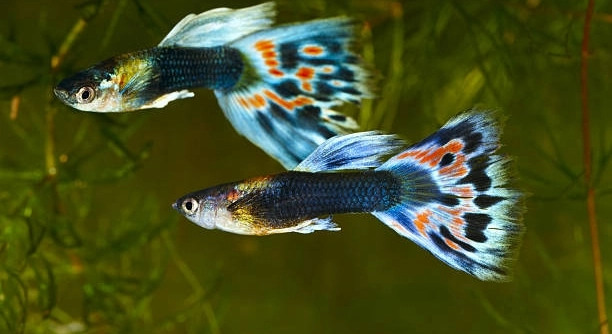
Guppies are popular aquarium fish known for their vibrant colors and lively behavior. However, if your guppy develops white spots, it can be a concerning sign of health issues. Understanding the cause is essential to providing the proper care.
The white spots on your guppy are most likely caused by various factors such as parasites, poor water quality, or stress. Identifying the root cause is crucial for taking the right steps to treat your fish and prevent further complications.
By exploring the potential reasons behind white spots, you’ll be better equipped to treat your guppy. This knowledge can help maintain a healthier environment for your fish and avoid future health problems.
Ichthyophthirius multifiliis (Ich)
Ich, also known as “white spot disease,” is a common parasite that affects many aquarium fish, including guppies. It causes white cysts or spots to appear on their bodies and fins. These cysts can vary in size and typically appear as small, white, salt-like grains. Ich is highly contagious and spreads quickly in tanks with poor water quality or overcrowding. Infected fish may display symptoms like rubbing against objects, lethargy, and loss of appetite.
The parasite is microscopic but grows on the skin, gills, and fins of fish. The infection cycle involves the parasite attaching itself to the fish, maturing, and then releasing free-swimming forms that infect other fish. Early detection is key to managing the infection before it spreads.
Ich can be treated with over-the-counter medications specifically designed to kill the parasite. Raising the water temperature can speed up the parasite’s life cycle, making the treatment more effective. It’s also crucial to maintain clean, stable water conditions to prevent further outbreaks.
Poor Water Quality
Poor water quality is a major factor in the development of white spots. When the water in your tank is unclean, it creates a stressful environment for your fish. This stress weakens their immune systems, making them more susceptible to infections like Ich. Contaminants such as ammonia, nitrites, or a high pH can further compromise their health, leading to white spots or other visible issues.
Regular water changes and proper filtration are vital to maintaining a healthy environment. Testing water parameters frequently ensures that the water conditions stay within safe limits for your guppies. Proper filtration helps remove harmful toxins, while clean water reduces stress and prevents the development of many common fish diseases, including those causing white spots.
Regular maintenance of the aquarium, including removing debris, checking water parameters, and cleaning the filter, can significantly reduce the risk of health problems in your guppy. This proactive approach is one of the best ways to keep your fish healthy and thriving.
Stress and Overcrowding
Stress can weaken a guppy’s immune system, making it vulnerable to diseases, including those that cause white spots. Overcrowding is one of the biggest contributors to stress in fish. When too many fish are kept in a small space, they are more likely to compete for food, territory, and oxygen. This stress makes them more susceptible to infections, such as Ich and other skin parasites that appear as white spots.
In addition to overcrowding, sudden changes in water temperature, poor lighting, or inadequate hiding spots can cause stress. A tank that is too small or poorly maintained adds extra strain on your guppy, leaving it open to diseases. Ensuring your tank is properly sized and your guppy has enough space to move freely is essential to preventing these issues.
Monitoring the tank’s stocking level and providing adequate space is crucial. In addition, ensuring the environment is calm, with proper filtration and water flow, will minimize stress and help your guppy maintain good health.
Fungal Infections
Fungal infections can also result in white spots on your guppy. These are typically not as common as parasitic infections but can occur when the immune system is weakened due to stress or poor water conditions. The white spots from a fungal infection usually appear as fuzzy patches rather than solid, defined spots. These infections can spread quickly if not treated.
Fungal infections often affect fish with open wounds or abrasions, as the fungi latch onto these damaged areas. It is important to inspect your fish regularly for any signs of injury or irritation that could lead to a fungal infection. If you notice any unusual spots or growths, it’s important to act quickly to treat the infection before it spreads.
To treat fungal infections, antifungal medications can be used, and removing any infected or damaged fish from the main tank may help prevent the spread. In addition, improving water quality and reducing stress will help your guppy’s immune system recover and prevent further issues.
Skin Injuries
Injuries to a guppy’s skin can lead to the formation of white spots. These injuries might come from physical damage, rough objects in the tank, or fights with other fish. The skin can become irritated, and in some cases, secondary infections from bacteria or fungi can cause spots to form. Although the injury itself might not directly cause white spots, any additional infection from bacteria or fungi can result in visible signs on the skin.
Even small abrasions or scrapes can invite infection, especially if the water quality isn’t ideal. Keeping a close eye on your guppy for any signs of injury, such as redness or swelling around the damaged area, is important. If left untreated, these spots can spread or worsen, leading to further complications.
Ensuring your tank is free from sharp objects and other hazards will help prevent injuries. Additionally, maintaining proper water conditions and monitoring the health of your guppy can help prevent secondary infections that lead to white spots.
Poor Diet
A poor diet can weaken your guppy’s immune system, making it more susceptible to infections like white spots. Without the right balance of nutrients, your fish can become more vulnerable to diseases and stress. A diet lacking in essential vitamins and minerals may lead to a weakened defense system.
Feeding your guppy a varied, nutrient-rich diet is crucial. A mix of high-quality flakes, pellets, and occasional live or frozen foods like brine shrimp or bloodworms will help maintain their health. These foods provide the necessary proteins, fats, and vitamins to keep your guppy’s immune system strong, reducing the chances of infections like Ich.
Along with proper nutrition, overfeeding can lead to poor water quality. Uneaten food decays and raises ammonia levels, which can further stress your fish. Make sure to feed your guppy only what it can consume in a few minutes to avoid unnecessary waste buildup in the tank.
Temperature Fluctuations
Fluctuating water temperatures can stress your guppy and make it more susceptible to diseases. Guppies thrive in stable temperatures between 72°F and 82°F (22°C to 28°C). Any significant changes in temperature can weaken their immune systems, leading to the development of white spots caused by parasites or infections.
Temperature fluctuations can be caused by heaters that are malfunctioning or not set correctly. If the water temperature drops too low or rises too high, it creates an environment where parasites like Ich can thrive. To prevent this, it’s essential to regularly monitor the water temperature using a reliable thermometer.
Investing in a quality aquarium heater with a thermostat will help maintain a consistent temperature. Additionally, avoiding sudden temperature changes when performing water changes or cleaning the tank can further reduce stress on your guppy. Keeping your guppy’s environment stable is key to avoiding these issues.
Medications and Treatments
Sometimes, the medications used to treat other illnesses can cause white spots or worsen an existing issue. Certain treatments may irritate your guppy’s skin, leading to spots appearing on their body. It’s important to read instructions carefully and follow the recommended dosage.
If you’ve recently treated your guppy with a medication, monitor the fish closely for any signs of adverse reactions. Some medications, especially those used to combat external parasites, can cause stress that may result in white spots or make existing infections more severe. Always ensure that the medication used is appropriate for your guppy species.
It’s also important to ensure the tank’s environment is suitable while treating with medications. Maintaining proper water quality during treatment is essential, as the combination of medication and poor water conditions can increase the risk of complications. Avoid treating multiple diseases simultaneously unless directed by a professional.
Tank Transfers
Moving your guppy from one tank to another can cause stress, leading to white spots. Even if the transfer is necessary for treatment, the stress of moving can weaken your guppy’s immune system. The change in environment can trigger an outbreak of parasites or infections.
It’s vital to ensure that the tank you’re transferring the guppy to is properly acclimated and safe for the fish. Changes in water parameters, like temperature and pH, should be minimized. When moving a guppy, it’s helpful to slowly adjust them to the new tank by floating the bag with the fish inside for a while.
Reducing the stress of transfer by handling your fish gently and giving it time to acclimate will lower the chances of injury or infection, helping your guppy remain healthy throughout the process.
Overfeeding
Overfeeding can quickly lead to poor water quality, which increases stress and opens the door for white spots to develop. When too much food is given, the excess decays, releasing harmful toxins into the water, which can irritate your guppy’s skin.
To prevent overfeeding, only provide as much food as your guppy can consume in about two to three minutes. This will help maintain water quality and avoid overburdening your filtration system. Regularly removing any uneaten food can further prevent the tank from becoming contaminated.
Balancing the amount of food you offer is essential in ensuring that your guppy’s health isn’t compromised due to water issues caused by overfeeding.
FAQ
What causes white spots on my guppy’s skin?
White spots on your guppy’s skin are most commonly caused by parasites, such as Ichthyophthirius multifiliis (Ich). This parasite creates small, white cysts that appear on the skin and fins of your fish. Poor water quality, stress, overcrowding, or a weakened immune system can make guppies more susceptible to these parasites. Fungal infections or skin injuries can also result in white spots, especially if the fish’s skin becomes compromised.
How can I treat white spots on my guppy?
To treat white spots on your guppy, begin by isolating the infected fish in a quarantine tank to prevent the spread of the parasite. Increase the water temperature slightly (around 80°F/27°C) to speed up the parasite’s life cycle. Use an over-the-counter medication specifically designed to treat Ich. Follow the instructions carefully and continue treatment until all spots disappear. Improving water quality and reducing stress will also help your guppy recover.
Is it safe to treat my guppy with salt?
Yes, aquarium salt can be effective in treating parasites like Ich. Salt helps reduce the irritation on the skin and gills of the fish, promoting healing. However, it’s essential to use the correct amount. A general guideline is 1 teaspoon of salt per gallon of water. Be sure to dissolve the salt completely before adding it to the tank. Never use table salt, as it can contain additives that are harmful to fish.
Can poor water quality lead to white spots on my guppy?
Yes, poor water quality is a significant factor in the development of white spots on guppies. When the water in your tank contains high levels of ammonia, nitrites, or has fluctuating pH, it stresses the fish. This weakened immune system makes the guppy more susceptible to parasites like Ich. Regular water changes, proper filtration, and monitoring water parameters are essential to keep the environment healthy.
Can overfeeding cause white spots on my guppy?
Overfeeding can lead to poor water quality, which can, in turn, make your guppy more susceptible to white spots. Uneaten food decays in the water, raising ammonia levels and causing stress to your fish. This weakened state can make your guppy more vulnerable to parasites. To prevent this, only feed your guppy the amount of food it can consume within 2-3 minutes and remove any excess food promptly.
How do I prevent white spots from appearing on my guppy?
To prevent white spots from appearing on your guppy, maintain a clean and stable tank environment. Keep the water temperature and pH levels consistent, and test water quality regularly. Avoid overcrowding the tank, as this increases stress, and make sure your fish have enough space. Feed your guppy a well-balanced diet, and ensure they’re not overfed. Regular water changes and proper filtration are also key to keeping your guppy healthy.
Should I remove sick fish from the tank?
Yes, removing sick fish from the main tank is essential to prevent the spread of any potential diseases or parasites. Isolating the infected fish in a quarantine tank allows for focused treatment without risking the health of the other fish. Additionally, this gives the sick fish a better chance of recovery in a less stressful environment. Be sure to keep the quarantine tank clean and monitor water parameters closely.
How do I know if my guppy has Ich?
If your guppy has Ich, you will typically notice small, white, salt-like spots on the body, fins, and gills. The fish may also show signs of rubbing against objects, lethargy, loss of appetite, or rapid gill movement. If you spot these symptoms, it’s crucial to act quickly and begin treatment to prevent the infection from spreading to other fish.
Can temperature fluctuations cause white spots?
Yes, sudden temperature fluctuations can cause stress in guppies, making them more susceptible to parasites like Ich. Guppies thrive in stable temperatures between 72°F and 82°F (22°C to 28°C). When the temperature drops too low or rises too high, it weakens their immune system and creates an ideal environment for parasites to flourish. Keep your aquarium temperature steady and monitor it regularly with a thermometer to avoid stress.
Can I treat white spots with natural remedies?
While some hobbyists use natural remedies like garlic or herbal treatments to support fish health, these methods are not always effective for treating white spots caused by parasites. Medications designed for treating Ich are usually the most reliable. If you prefer a natural approach, use these remedies alongside, not as a replacement for, proper treatment. Always research any remedy before using it to ensure it’s safe for your fish.
How long will it take for my guppy to recover from white spots?
The recovery time for a guppy infected with Ich or other causes of white spots varies depending on the severity of the infection and the effectiveness of the treatment. Typically, if treated properly, your guppy should start to show signs of improvement within 3-7 days. Continue treatment for at least 10-14 days to ensure the parasite is fully eliminated. During this time, monitor your fish closely for any changes or signs of improvement.
Final Thoughts
Dealing with white spots on your guppy can be concerning, but understanding the potential causes and how to address them is key to helping your fish recover. The most common reason for white spots is a parasitic infection like Ich, which can spread quickly if not treated properly. It’s important to identify the cause early, as this can make a significant difference in the outcome. Treating the infection with medications specifically designed for Ich, maintaining stable water conditions, and managing stress are essential steps in preventing and resolving the issue.
Maintaining good water quality is one of the most effective ways to keep your guppy healthy and reduce the risk of white spots. Regular water changes, proper filtration, and testing water parameters are all necessary to ensure that the tank remains a safe environment for your fish. Poor water conditions can stress your guppy and weaken its immune system, making it more prone to infections. If you notice any signs of illness, such as white spots, addressing water quality and other potential causes right away can help prevent the problem from worsening.
It’s also important to remember that overfeeding and overcrowding can contribute to stress, which can lead to health issues like white spots. Ensuring that your guppy has enough space and isn’t being overfed will help keep stress levels low. A balanced diet with the right nutrients supports a healthy immune system, which is vital in preventing infections. In the end, being proactive about water quality, monitoring your guppy’s health, and treating any signs of illness promptly will help ensure your fish stays happy and healthy.

Hello,
If you enjoy the content that we create, please consider saying a "Thank You!" by leaving a tip.
Every little bit helps us continue crafting quality advice that supports the health, happiness, and well-being of pets around the world, for pets of all shapes, sizes, and species.
We really appreciate the kindness and support that you show us!