
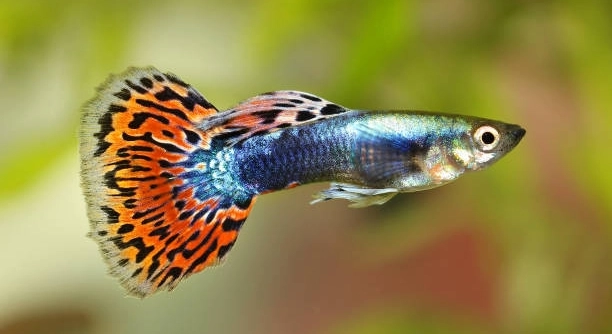
Guppies are often seen swimming peacefully in aquariums, but when nipping occurs, it raises concerns. Understanding why your guppies are nipping each other can help create a more harmonious environment for them.
The most common causes of guppy nipping include territorial behavior, overcrowding, lack of food, and stress. Aggressive guppies may target weaker or smaller fish, especially in environments that lack adequate space, hiding spots, or resources.
Addressing these issues can improve your guppies’ quality of life and reduce nipping. Proper aquarium management is key to creating a healthier and more peaceful environment for your fish.
Territorial Behavior
Territorial aggression is common in guppies, particularly among males. They often become more defensive as they establish their area within the tank. When there is not enough space or hiding spots, this territorial nature leads to nipping. Guppies that feel their territory is being threatened will defend it by chasing or nipping at other fish. This is particularly noticeable during breeding periods when males may become more aggressive. It’s important to ensure your tank has enough space for each fish to feel secure. Adding plants, rocks, and decorations can help create separate areas, reducing territorial disputes.
Providing hiding spots and plant cover for your guppies is essential. This way, less dominant fish can escape the attention of more aggressive tank mates. Ensuring that no single fish feels overwhelmed can make a significant difference in reducing nipping.
A well-maintained tank with multiple territories will lead to less competition and aggression among the fish. This not only helps prevent nipping but also ensures a healthier, happier aquarium. The right setup encourages more peaceful interactions and a thriving environment for your guppies.
Overcrowding
Overcrowding is another reason why guppies may nip at each other. In a tank that’s too small for the number of fish, they compete for space and resources. This can create stress, leading to more aggressive behavior.
Fish in overcrowded tanks often feel threatened by one another, and guppies are no exception. When space becomes limited, they may start nipping at each other as a way to assert dominance or relieve stress. Reducing the number of fish in a tank can solve this issue.
The key to maintaining a peaceful environment is understanding the ideal stocking density for your aquarium. By ensuring your guppies have enough room to swim freely, you’ll significantly lower the chances of stress and aggression. Regular tank maintenance, such as cleaning and monitoring water quality, can also help keep your guppies in a healthier state, reducing the urge to nip. Proper tank size is essential to prevent overcrowding from becoming a problem.
Lack of Food
When guppies aren’t getting enough food, they may become more aggressive. Hunger leads to competition, and if there isn’t enough food to go around, nipping can occur. Guppies might nip at each other in an effort to secure their share of food.
Proper feeding is crucial for keeping guppies satisfied and calm. Ensure that you feed them a balanced diet, offering small amounts at a time to avoid overfeeding. By giving them enough to eat, the fish are less likely to exhibit aggressive behaviors like nipping. This also helps prevent uneaten food from polluting the tank.
It’s essential to monitor their feeding habits and adjust the amount based on the size of the fish and the number of guppies in the tank. Overfeeding can lead to poor water quality, which contributes to stress, making nipping even more likely. Keep their environment clean, and your guppies will thrive with less aggression.
Stress
Stress is one of the main reasons guppies nip at each other. Whether caused by water quality, lighting, or tank mates, stressed guppies can become more irritable. Even slight changes in their environment can cause them to feel uneasy, leading to nipping behavior.
To reduce stress, make sure the water temperature and pH levels remain stable. Guppies thrive in water that is clean and well-maintained, with appropriate levels of filtration. Sudden changes in water conditions can stress out your fish, making them more prone to aggression. Also, avoid overcrowding and ensure that your guppies have enough space to feel secure.
Stress can also be caused by aggressive tank mates. Guppies should not be kept with overly aggressive fish that might provoke them. Providing a peaceful and stable environment will greatly reduce the chances of stress-related nipping. Ensuring proper tank conditions is key to preventing this behavior.
Inadequate Tank Size
A tank that’s too small can lead to stress and aggression among guppies. When there isn’t enough room to swim, they may become territorial and start nipping at each other. A larger tank provides better space for guppies to thrive and reduces conflict.
The recommended tank size for guppies is at least 10 gallons for a small group. A larger tank offers more room for the fish to swim and spread out, helping prevent territorial disputes. Without sufficient space, guppies feel crowded and are more likely to engage in aggressive behaviors, including nipping.
Adding plants, hiding spots, and decorations can also improve their living environment. A well-planted tank with plenty of cover allows guppies to establish personal space and retreat from aggressive tank mates. This reduces the likelihood of nipping and keeps the fish comfortable.
Overactive Males
Male guppies are often more active and aggressive, especially during breeding times. They can become overly competitive, chasing and nipping at females or even other males. This behavior is more pronounced if there are too many males in the tank.
To reduce male aggression, ensure a good male-to-female ratio. One male to two or three females can help balance behavior. If there are too many males in the tank, they may vie for attention, leading to nipping and stress. Additionally, providing ample hiding spots for females can help them avoid aggressive males.
Adding plants and other cover gives females a place to retreat when the males become too persistent. Keeping the number of males low also ensures that the aggression remains manageable, allowing all fish to coexist peacefully.
Aggressive Tank Mates
Aggressive tank mates can cause stress and provoke guppies into nipping at each other. Fish like cichlids or larger, more territorial species may bully guppies, pushing them to defend themselves. Even peaceful species can become aggressive if they’re placed in overcrowded tanks.
To prevent aggression, choose tank mates that are calm and non-territorial. Guppies do well with other small, peaceful fish like neon tetras, Corydoras catfish, and otocinclus. It’s also important to consider the size of the other fish, as larger fish may intimidate guppies, causing them to nip in response.
Maintain a peaceful environment with proper tank management. Ensure your guppies’ tank has enough space and hiding spots to minimize stress and reduce the likelihood of nipping caused by aggressive tank mates. This helps everyone in the tank feel safe.
FAQ
Why are my guppies nipping each other?
Guppies often nip at each other due to territorial behavior, overcrowding, stress, or competition for food. When there is not enough space or resources, guppies may become aggressive. Males, in particular, are known to nip during breeding periods or when they feel threatened. Ensuring that your guppies have enough space, hiding spots, and a stable environment can help reduce nipping.
Can I stop my guppies from nipping each other?
Yes, you can reduce nipping by addressing the underlying causes. Ensure your tank is large enough for the number of guppies and provide hiding places where fish can retreat if they feel threatened. Maintain good water quality and provide ample food for all fish to minimize competition. Reducing the number of aggressive tank mates is also important. A well-balanced, peaceful environment will help prevent unnecessary aggression.
How can overcrowding affect guppies?
Overcrowding can cause significant stress among guppies. When there isn’t enough space, fish become territorial and may nip at each other to establish dominance. Overcrowding also leads to poor water quality, as waste builds up quickly in smaller tanks. Stress from overcrowding weakens the immune system of guppies, making them more susceptible to diseases. A tank with enough space and proper filtration is essential for their health and well-being.
What tank size is best for guppies?
A tank size of at least 10 gallons is recommended for a small group of guppies. This provides enough space for them to swim and reduces the likelihood of territorial behavior. If you plan to keep multiple fish, especially males, consider a larger tank to prevent overcrowding and aggression. A larger tank also makes it easier to maintain stable water conditions, which is essential for the health of your guppies.
How does stress cause guppy nipping?
Stress is a common trigger for guppy nipping. Poor water quality, sudden temperature fluctuations, overcrowding, and aggressive tank mates can all contribute to stress. Stressed guppies are more likely to exhibit aggressive behaviors, including nipping. Providing a stable environment with proper filtration, temperature control, and regular water changes will reduce stress and help prevent nipping.
Are my male guppies more likely to nip?
Yes, male guppies are often more active and aggressive, particularly when competing for female attention. During breeding seasons, males may chase and nip at females and other males. This behavior is intensified if there are too many males in the tank. To reduce aggression, ensure that the male-to-female ratio is balanced, with one male to two or three females. This will help distribute the male’s attention and reduce stress on the females.
Can I add other fish with my guppies to prevent nipping?
Yes, you can add peaceful species to your guppy tank, but it’s important to choose the right fish. Avoid adding aggressive or territorial fish, such as cichlids or larger species, that may provoke your guppies. Ideal tank mates include small, non-aggressive species like neon tetras, Corydoras catfish, or otocinclus. Make sure the fish are similar in size to avoid bullying. Provide plenty of hiding spots to give your guppies a place to retreat when needed.
What can I do if my guppies are nipping each other at night?
If your guppies are nipping at each other during the night, it’s likely due to stress or a lack of hiding places. Guppies are active during the day and may become more restless at night, especially if they feel vulnerable. Ensure your tank has plenty of plants, decorations, or rocks that can provide cover. This will give your fish a place to hide when they need rest. Also, check the water conditions to ensure they aren’t contributing to stress.
Can I use medication to stop nipping in guppies?
Medications are not typically a solution for nipping. The underlying causes, such as stress, overcrowding, or territorial behavior, must be addressed. Medication may only be useful if the nipping leads to injury or infection. In most cases, adjusting the tank conditions and ensuring a peaceful environment will solve the issue. Focus on providing adequate space, food, and hiding spots to reduce the likelihood of aggressive behavior.
How do I know if my guppies are stressed?
Stressed guppies may display signs such as erratic swimming, hiding, reduced appetite, or rapid breathing. They may also exhibit fin clamping or color fading. Stress can be caused by various factors, including poor water quality, sudden changes in temperature, overcrowding, or aggressive tank mates. Monitoring the water conditions and providing a stable, peaceful environment can help reduce stress in your guppies.
Why are guppies aggressive towards each other?
Aggression among guppies typically arises from territorial disputes, competition for food, or breeding behavior. Male guppies are more prone to aggression, especially when they are vying for the attention of females. Inadequate space and the presence of aggressive tank mates can also contribute to aggression. Proper tank management, including appropriate space, hiding spots, and the right male-to-female ratio, can help reduce aggression.
How can I prevent nipping in a tank with multiple fish species?
To prevent nipping in a mixed-species tank, choose tank mates that are peaceful and won’t trigger aggression in your guppies. Avoid large or overly territorial fish, as they can intimidate your guppies and cause them to become defensive. Maintain a good male-to-female ratio among your guppies and provide plenty of hiding places. Regular tank maintenance and proper water quality management are essential to keeping aggression at bay.
Final Thoughts
Guppy nipping is a common issue, but it’s usually manageable once you identify the root cause. Whether it’s overcrowding, stress, or territorial disputes, addressing these problems can help create a more peaceful environment for your guppies. Ensuring that your tank has enough space, hiding spots, and proper water conditions can significantly reduce aggressive behavior. A stable environment is key for the health and well-being of your fish.
By maintaining the right balance in your tank, including a good male-to-female ratio and appropriate tank mates, you can reduce the likelihood of nipping. Males, in particular, tend to be more active and competitive, so managing their numbers can help ease aggression. Offering your guppies plenty of hiding places can also give them a safe space when needed, which can reduce stress and prevent unnecessary nipping. Remember, a peaceful environment contributes to happier and healthier fish.
It’s also important to monitor the health of your guppies and address any issues as soon as they arise. Regular water changes, checking water quality, and keeping an eye on the behavior of your fish will help you spot any problems early. If nipping persists despite your efforts, consider evaluating the tank conditions again to ensure that all factors are being addressed. With some care and attention, your guppies should thrive in a calm, stress-free tank.

Hello,
If you enjoy the content that we create, please consider saying a "Thank You!" by leaving a tip.
Every little bit helps us continue crafting quality advice that supports the health, happiness, and well-being of pets around the world, for pets of all shapes, sizes, and species.
We really appreciate the kindness and support that you show us!