
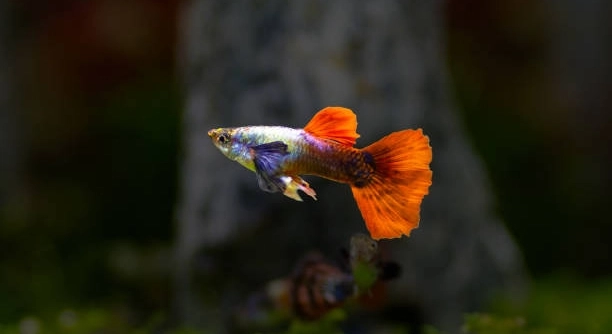
Guppies are a popular choice for aquarium enthusiasts, but keeping them safe from aggressive tankmates can be a challenge. Ensuring they thrive in a peaceful environment requires some careful consideration. Knowing how to protect them from harm is essential.
To keep guppies safe from tankmates, it’s important to choose compatible species, provide hiding spots, and avoid overcrowding. Monitoring water quality and feeding schedules also play a key role in reducing stress and aggression towards your guppies.
With a few simple strategies, you can make your guppy tank a safe and peaceful environment. Learn the best practices for preventing harm and ensuring your guppies thrive alongside their tankmates.
Choose Compatible Tankmates
When selecting tankmates for guppies, it’s crucial to choose peaceful species. Guppies are small and not aggressive, so they may not do well with larger or more territorial fish. Fish like bettas, cichlids, or some species of tetras might harm them due to their size and behavior. Always check the temperament of potential tankmates before adding them to the aquarium.
Choosing compatible tankmates will help reduce stress for your guppies. Fish that are too aggressive can intimidate or even attack them. Look for species that are similarly peaceful and won’t disrupt the calm nature of your guppies.
To make sure your guppies are safe, consider their size and activity level. Fish that are too large may see them as food, while overly active species may stress them out. Some good choices for tankmates include mollies, platies, or peaceful catfish. Creating a peaceful and balanced aquarium requires selecting fish that won’t compete too much for resources. Additionally, consider the water temperature and pH levels to ensure all fish can thrive together in the same environment.
Provide Hiding Spots
Guppies need places to hide, especially if they feel threatened.
Adding plants, rocks, or decorations to the tank gives your guppies safe spaces. Hiding spots allow them to escape from any aggressive fish and reduce overall stress. This also helps them feel secure.
Avoid Overcrowding
Overcrowding can cause stress and increase the likelihood of aggressive behavior. When there are too many fish in a tank, guppies might feel threatened or outcompeted for food and space. This leads to tension, and it can put their health at risk.
To prevent overcrowding, make sure your tank has enough space for all the fish. A general rule is to allow at least one inch of fish per gallon of water. This helps create a more relaxed environment where all the fish have room to swim and grow. If the tank becomes too full, water quality can deteriorate, leading to further stress for your guppies.
Keeping your tank clean and ensuring it isn’t overcrowded will benefit all the fish, not just your guppies. Regular water changes and filtration help maintain the right conditions. If your tank is too crowded, consider upgrading to a larger one or removing some fish to keep things balanced. It’s important to always monitor the size of your tank and the number of fish to avoid this problem.
Maintain Water Quality
Good water quality is essential for keeping guppies safe and healthy.
Regularly testing water parameters like pH, ammonia, and nitrate levels helps ensure that the tank environment stays stable. Poor water quality can stress guppies and weaken their immune system, making them more vulnerable to harm from tankmates.
Maintaining good water quality not only keeps your guppies safe but also improves their overall well-being. Regular water changes, good filtration, and avoiding overfeeding are key components of water maintenance. Make sure to use a water conditioner to remove harmful chemicals, and avoid letting debris build up on the substrate. Poor water conditions make fish more susceptible to disease, so it’s important to stay on top of these tasks. Clean water contributes to a safer and healthier environment for your guppies.
Offer Plenty of Food
Guppies, like all fish, need regular feeding to stay healthy. Offering a variety of food sources will keep them well-nourished and reduce competition for food with other fish. If they are underfed, they may become stressed or more vulnerable to aggressive tankmates.
Feeding your guppies in small amounts, two to three times a day, is best. Be sure to offer foods they can consume quickly, avoiding excess food that can lead to water contamination. A balanced diet, including high-quality flakes, live food, or frozen food, ensures they get all necessary nutrients for growth and health.
Monitor Behavior Regularly
Pay attention to the behavior of all the fish in your tank.
Watching how your guppies and tankmates interact helps you spot any signs of aggression early. Fish that are constantly harassing or chasing your guppies should be removed to prevent injury or stress. A peaceful aquarium requires constant monitoring and quick action if issues arise.
Keep the Right Temperature
Maintaining a stable temperature is crucial for guppies’ well-being.
Guppies thrive in water temperatures between 72°F and 82°F. Sudden fluctuations or extreme temperatures can stress them, making them more susceptible to illness or aggression from other tankmates. Regularly check the water temperature with a reliable thermometer to keep it within the ideal range.
FAQ
What are the best tankmates for guppies?
The best tankmates for guppies are peaceful fish that won’t harm them or compete for food. Ideal choices include mollies, platies, peaceful tetras, and catfish like Corydoras. Avoid aggressive fish such as bettas or cichlids, as they can stress or attack guppies. Guppies also do well with other small, non-aggressive species that share similar water conditions and habits.
How many guppies should I keep in a tank?
A good rule is to have one inch of fish per gallon of water. Guppies are small, so this allows for a comfortable environment. However, overcrowding should be avoided, as it can lead to poor water quality and stress. For example, a 20-gallon tank can comfortably house about 10-12 guppies. Make sure to also consider the space needed by other tankmates.
Can guppies live with goldfish?
Guppies can live with goldfish, but it’s not always the best combination. Goldfish prefer cooler water temperatures, while guppies need warmer conditions. Goldfish can also grow large and might unintentionally harm or eat smaller fish like guppies. If you plan to keep them together, ensure the water temperature and tank size are suitable for both species.
How do I prevent my guppies from being bullied?
To prevent bullying, ensure you have a balanced ratio of male and female guppies. Too many males can cause competition and aggression, while too many females can lead to stress from constant male attention. Provide plenty of hiding spots and plants for the guppies to retreat to if they feel threatened. Keeping your tankmates peaceful is key as well.
Can guppies live with shrimp?
Yes, guppies can live with shrimp, especially species like cherry shrimp or ghost shrimp. Guppies tend to leave the shrimp alone, but smaller shrimp might be at risk of being eaten if they’re too tiny. To be safe, make sure the shrimp have plenty of hiding spots where they can escape if needed.
Why do my guppies keep hiding?
Guppies might hide when they feel stressed, threatened, or uncomfortable in their environment. It could be due to bullying from tankmates, poor water quality, or sudden changes in the tank. Providing hiding spots, maintaining stable water conditions, and removing aggressive fish can help reduce stress and encourage guppies to swim freely.
How can I tell if my guppy is stressed?
Stressed guppies may display behaviors like hiding, swimming erratically, or staying near the surface of the tank. They might also lose their color or appear lethargic. If you notice these signs, check for poor water quality, overcrowding, or aggressive tankmates. Addressing these issues should help alleviate stress.
What water conditions are best for guppies?
Guppies thrive in water with a temperature range of 72°F to 82°F, a pH level between 6.8 and 7.8, and soft to moderately hard water. Regular water changes are important for maintaining these conditions. Test the water regularly to ensure ammonia, nitrites, and nitrates are at safe levels for your guppies.
How can I prevent guppy fin damage from tankmates?
To prevent fin damage, choose peaceful tankmates and avoid fish that are known to nip at fins. Providing plenty of hiding spots helps guppies avoid stress and potential injury. In addition, keeping the water clean and maintaining good tank conditions will reduce the chances of illness or injury, which can be aggravated by aggressive fish.
Can guppies live with bettas?
Guppies and bettas can sometimes coexist, but it’s a risky combination. Bettas, especially males, are territorial and can become aggressive towards guppies, particularly towards their long fins. If you do attempt to keep them together, make sure the tank is large enough and that there are plenty of hiding spots for the guppies to escape to. Always monitor their behavior closely.
Final Thoughts
Keeping guppies safe from tankmates requires careful planning and attention to detail. By selecting compatible species and ensuring the environment is peaceful, you can reduce the chances of stress or injury to your guppies. It’s important to monitor the behavior of all the fish in the tank regularly and make adjustments as needed. When choosing tankmates, it’s best to avoid aggressive fish that may harm your guppies, as this can create unnecessary stress and even lead to injury or death. The goal is to maintain a calm, balanced tank where your guppies can thrive.
Another key factor in keeping guppies safe is providing them with plenty of hiding spots. Guppies are small and can easily feel threatened by larger or more aggressive fish. Adding plants, rocks, or decorations in the tank gives your guppies places to retreat to when they need a break. This also helps them feel secure, reducing the risk of stress. Along with hiding spots, it’s crucial to ensure your guppies are well-fed and not competing with other fish for food. A balanced diet will keep them healthy and strong, making them less vulnerable to bullying from other tankmates.
Finally, maintaining good water quality is essential for the health and safety of your guppies. Clean water reduces stress, supports immune function, and helps prevent disease. Regular water changes, along with proper filtration, are key to keeping the tank environment healthy. Testing the water regularly and monitoring temperature levels also help ensure that the conditions are right for your guppies and other tankmates. With a little effort and attention to detail, you can create an environment where your guppies are safe, healthy, and happy alongside their tankmates.

Hello,
If you enjoy the content that we create, please consider saying a "Thank You!" by leaving a tip.
Every little bit helps us continue crafting quality advice that supports the health, happiness, and well-being of pets around the world, for pets of all shapes, sizes, and species.
We really appreciate the kindness and support that you show us!