
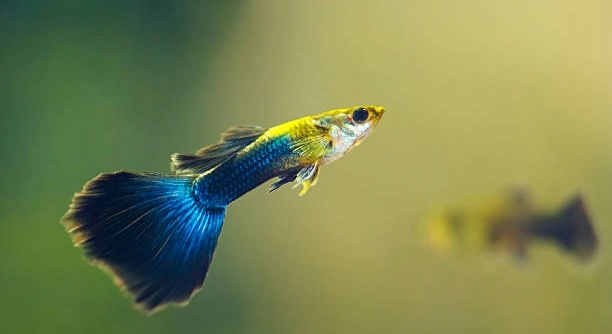
Guppies are lively and colorful fish, but sometimes, they can be seen resting on the substrate. This behavior might leave you concerned. Understanding the reasons behind this can help you create a healthier environment for them.
There are several reasons your guppies may be resting on the substrate, including stress, poor water quality, or even illness. Insufficient oxygen levels, changes in water temperature, or overcrowding can also contribute to this behavior, signaling potential issues.
Understanding the causes of your guppies’ behavior can help you make necessary adjustments to improve their health and well-being. Keep reading to learn about the different factors that might be at play.
Stress and Anxiety
Guppies are sensitive creatures, and stress can easily affect their behavior. Factors like sudden changes in the tank environment, aggressive tank mates, or loud noises can make them feel unsafe. Stress often leads to lethargy, causing them to rest on the substrate more frequently. If you notice your guppies resting on the bottom, check for these stressors. Water changes, adding new fish, or introducing new decorations can also disrupt their routine. It’s important to ensure your tank environment remains calm and stable, as constant stress can weaken their immune systems.
A quiet tank environment helps reduce stress. Keep an eye on the tank’s noise levels, and try to avoid sudden changes.
Stress not only affects their behavior but can also contribute to other health issues. This may lead to a weakened immune system, making guppies more susceptible to diseases. Ensuring that your fish have a comfortable, stress-free environment is essential for their health. This includes monitoring the tank for aggressive fish or overcrowding, as these factors can further stress your guppies. Moreover, avoid startling them by making loud noises or abrupt movements. By maintaining a peaceful habitat, you can help your guppies thrive and reduce unnecessary rest on the substrate.
Poor Water Quality
Water quality is crucial to the health of your guppies. When water parameters are off, such as high ammonia or nitrite levels, guppies may exhibit unusual behaviors, including resting on the substrate. These fish rely on clean water to stay active and healthy. If your guppies are spending too much time resting, it’s worth testing the water to ensure it’s within safe ranges for temperature, pH, and hardness. Poor filtration, overfeeding, or infrequent water changes can cause harmful toxins to build up in the tank.
Water quality impacts guppy health directly. Make sure to regularly test the water and clean the tank.
High levels of ammonia or nitrites can be particularly harmful to your guppies. These toxins are byproducts of fish waste and uneaten food, and they accumulate when the filtration system is insufficient or the tank is overstocked. Even low levels of toxins can cause discomfort, leading guppies to seek refuge at the bottom of the tank. Regular water changes are essential to keeping these toxins under control and maintaining a healthy environment for your guppies. Investing in a good filtration system and monitoring water quality can prevent this issue from occurring. Make sure your guppies always have clean, well-maintained water to ensure they remain healthy and active.
Insufficient Oxygen Levels
If your guppies are not getting enough oxygen, they may rest on the substrate more often. Low oxygen levels often result from overcrowding, poor filtration, or stagnant water. Make sure your tank has proper aeration to keep the water oxygenated. If you’re unsure, adding an air pump or increasing surface agitation can help.
Guppies need a constant flow of oxygen to stay active and healthy. When oxygen levels drop, they may look for areas with better air circulation, often near the substrate. Poor water movement can lead to stagnant zones in the tank where oxygen levels are low. Adding an air stone or increasing filtration will help maintain oxygen flow, reducing the likelihood of this behavior.
Another way to increase oxygen is by improving water circulation, especially in tanks that lack movement. A good filter helps move the water and ensures oxygen is consistently distributed. You can also keep the tank lid slightly open to allow for better gas exchange. Without adequate oxygen, your guppies may become lethargic and rest at the bottom of the tank. Regularly monitor oxygen levels and water movement to avoid this issue.
Temperature Fluctuations
Guppies are sensitive to temperature changes, and sudden drops or spikes can cause them to rest on the substrate. They thrive in a stable environment, typically between 72-82°F (22-28°C). Fluctuations outside of this range can make them uncomfortable and lead to unusual behavior.
If your guppies are resting more than usual, consider the water temperature. Use a reliable aquarium heater to maintain a consistent temperature. Sudden temperature changes can stress the fish, leading them to seek the substrate for comfort. It’s important to avoid moving your tank to places where it’s exposed to drafts, heat sources, or direct sunlight.
Keeping your guppies in a stable, appropriately heated tank helps prevent these issues. Invest in a thermometer to monitor the water temperature regularly. If the temperature fluctuates too much, it can stress your guppies and make them less active. Additionally, ensure the heater is working properly to maintain a constant, suitable temperature.
Overfeeding
Overfeeding can cause water quality issues and make guppies sluggish. Excess food decomposes, releasing toxins that harm the fish. If your guppies are resting on the substrate, it may be a sign of overfeeding. Remove uneaten food promptly to prevent these problems.
Feeding your guppies too much can lead to poor water conditions. As uneaten food breaks down, it contributes to an increase in ammonia and nitrites. This, in turn, can stress the fish and cause them to rest more often on the bottom. Make sure to only feed your guppies what they can consume within a few minutes.
Adjusting the feeding schedule and the amount of food is key to preventing overfeeding. Small portions, given multiple times a day, will keep your guppies healthy without overwhelming the tank. A clean-up crew, like snails or shrimp, can also help consume excess food. This ensures your guppies won’t be affected by deteriorating water quality.
Illness or Infection
Illness or infection can cause guppies to rest more frequently on the substrate. Symptoms may include loss of appetite, discoloration, or unusual swimming patterns. If you notice these signs, it’s important to address the issue quickly.
Guppies are prone to various diseases, such as velvet or ich. These infections can lead to lethargy and abnormal behavior. When affected, your guppy may appear to be struggling to swim or rest at the bottom of the tank to avoid exerting energy. If you suspect illness, quarantine the affected fish and treat the tank accordingly.
FAQ
Why is my guppy lying at the bottom of the tank?
Guppies may rest at the bottom due to several factors such as stress, poor water quality, or oxygen deficiency. It could also be a sign of illness, temperature fluctuations, or overfeeding. Monitoring the tank conditions, including water quality, temperature, and the behavior of other fish, will help determine the cause.
How can I prevent my guppy from resting too much?
To prevent your guppy from resting too much, ensure the tank environment is stable and comfortable. Maintain clean water, a consistent temperature, and proper aeration. Avoid overcrowding and ensure there are enough hiding spots. Also, monitor feeding habits to prevent overfeeding, which can cause water quality issues.
Should I be worried if my guppy is not swimming?
If your guppy is not swimming and seems to be resting on the substrate for extended periods, it might indicate a problem. Check the water quality, oxygen levels, and temperature. Illness or stress could also cause this behavior. If the problem persists, it’s important to isolate the fish and treat it accordingly.
Can guppies survive with low oxygen levels?
While guppies can tolerate some oxygen fluctuations, low oxygen levels can stress them and lead to health problems. Signs of insufficient oxygen include lethargy, gasping at the surface, and resting at the bottom. Improving water circulation or adding an air pump can help increase oxygen levels, ensuring your guppies stay healthy.
What are the signs of an ill guppy?
Signs of illness in guppies include loss of appetite, faded colors, erratic swimming, clamped fins, and excessive resting on the substrate. If you notice any of these symptoms, isolate the affected guppy and treat it in quarantine. Early detection and treatment are crucial to preventing the spread of illness.
How often should I clean my guppy tank?
Regular cleaning is essential to maintain water quality. Perform partial water changes every week, removing 20-25% of the water. Clean the substrate, filter, and decorations as needed, but avoid disturbing the tank too much, as this can stress the fish. Keep an eye on water parameters to avoid issues.
Can water temperature affect my guppy’s behavior?
Yes, water temperature plays a crucial role in guppy behavior. If the temperature is too low or too high, guppies may become lethargic and rest more often. They thrive in temperatures between 72-82°F (22-28°C). Sudden temperature fluctuations can also cause stress, leading to abnormal behavior.
Is it safe to add more fish to my guppy tank?
Adding more fish to your guppy tank can increase the stress level and lead to overcrowding. Guppies do best in small groups, but make sure the tank is large enough to accommodate additional fish. Also, ensure the water quality is maintained, as too many fish can cause poor conditions, leading to lethargy.
Why is my guppy’s color fading?
Fading color can be caused by stress, illness, or poor water quality. If the guppy is exposed to high levels of toxins, like ammonia or nitrites, it may lose its vibrancy. Stress from aggressive tank mates or improper tank conditions can also affect coloration. Check the water parameters and treat any underlying health issues.
How do I know if my guppy is pregnant?
A pregnant guppy will have a noticeable gravid spot, a dark area near her abdomen, which gets larger as the pregnancy progresses. She may also become more lethargic and spend more time at the bottom. Keep the tank clean and ensure the female is not stressed during pregnancy. If she is resting often, it may be a sign that she is near labor.
Can I treat my guppy’s illness without a quarantine tank?
While it’s possible to treat an illness without a quarantine tank, isolating the affected fish is recommended. This prevents the spread of illness to other fish and allows for focused treatment. If you don’t have a separate tank, try using a hospital tank or a suitable container for treatment.
What should I do if my guppy is gasping for air at the surface?
Gasping at the surface can be a sign of low oxygen levels, high toxins, or poor water circulation. Check the water parameters immediately and ensure your tank has proper aeration. If the oxygen level is too low, consider adding an air pump or improving water flow.
Can guppies be kept with other types of fish?
Yes, guppies are peaceful fish and can be kept with other non-aggressive species. However, avoid housing them with larger or overly aggressive fish, as they may be stressed or attacked. Ideal tank mates include small peaceful fish like tetras, mollies, or other livebearers.
How do I ensure my guppies stay healthy?
Maintaining clean water, a stable temperature, and a balanced diet are key to keeping guppies healthy. Regular water changes, proper filtration, and monitoring of tank parameters (like pH and hardness) will also help prevent common health issues. Avoid overcrowding and keep an eye on any changes in behavior to catch potential problems early.
Final Thoughts
Guppies are resilient and beautiful fish, but like any pet, they require attention to their environment and care. When they rest on the substrate more than usual, it’s a sign that something might not be right. Understanding the potential causes of this behavior can help you address the issue quickly and ensure that your guppies are healthy. It’s essential to check water quality, temperature, and feeding practices regularly to keep your fish in the best condition possible. By identifying the root cause of their resting, you can take the necessary steps to create a more comfortable habitat for them.
It’s important to remember that guppies, like any aquatic creature, need a balanced and stable environment. Stress, illness, or poor water quality can all contribute to abnormal behavior. While guppies are hardy and can adapt to various conditions, they still require specific care to thrive. Ensuring the proper tank setup, with enough space, hiding spots, and good filtration, is key. When in doubt, monitoring the water parameters closely and making adjustments as needed can go a long way in preventing problems. Regular water changes, proper feeding, and avoiding overcrowding can all help maintain a stress-free environment for your guppies.
Finally, if your guppies continue to rest on the substrate despite your best efforts, it may be time to consult a veterinarian or a fish expert. Persistent behavior changes can sometimes indicate underlying health issues that require professional care. By staying proactive and attentive to your guppies’ needs, you can help them live long, healthy, and happy lives. Whether it’s adjusting tank conditions, improving water quality, or seeking treatment for illness, taking the right steps can make all the difference in your guppy’s well-being.

Hello,
If you enjoy the content that we create, please consider saying a "Thank You!" by leaving a tip.
Every little bit helps us continue crafting quality advice that supports the health, happiness, and well-being of pets around the world, for pets of all shapes, sizes, and species.
We really appreciate the kindness and support that you show us!