
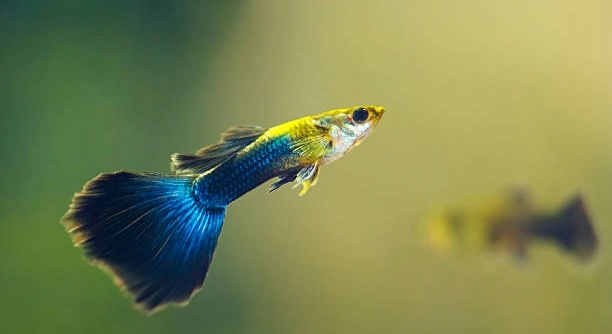
If you have a guppy swimming with a bent spine, it can be concerning. Guppies are lively fish, and any unusual behavior might indicate something is wrong. This article will explore the possible reasons for this condition.
Several factors can cause a guppy to swim with a bent spine. Common causes include nutritional deficiencies, poor water quality, and genetics. Infections, injuries, or deformities can also contribute. Addressing the root cause will help your fish recover.
Knowing the cause is key to treating your guppy properly. Continue reading to learn more about how to care for your guppy and improve its health.
Nutritional Deficiencies
A common reason for a guppy swimming with a bent spine is nutritional deficiency. Guppies require a balanced diet of vitamins and minerals to thrive. When deprived of essential nutrients, their bones and muscles can weaken, causing deformities. A lack of vitamin C, for example, can lead to spinal deformities in guppies, leading them to swim abnormally. Additionally, inadequate amounts of omega-3 fatty acids can affect their growth and flexibility, further contributing to a bent spine.
A proper diet includes high-quality fish flakes, pellets, and live or frozen foods like brine shrimp. Supplements can also help fill nutritional gaps, but it’s important to not overfeed or create an imbalance.
To ensure your guppy’s spine remains healthy, feed them a variety of foods rich in essential nutrients. Regularly offering a well-balanced diet will help prevent malnutrition and promote healthy development.
Poor Water Quality
Water quality plays a significant role in a guppy’s health. Inadequate filtration, improper pH levels, and high levels of ammonia or nitrites can stress guppies, making them more susceptible to deformities. Poor water quality weakens the immune system, leaving fish vulnerable to infections that may affect their spine.
To maintain good water quality, conduct regular water changes, test the water’s parameters, and ensure proper filtration. Clean water prevents the buildup of harmful toxins that could contribute to deformities in your fish.
Genetic Factors
Sometimes, a bent spine in guppies is simply due to genetics. Certain strains of guppies may carry deformities that affect their spinal development. This can lead to a naturally curved spine, causing them to swim abnormally from an early age. Unfortunately, genetic deformities are difficult to correct.
Breeding guppies with genetic defects can perpetuate spinal issues in future generations. If your guppy has a bent spine from genetics, it is essential to monitor its health. While it might live a normal life, avoiding breeding this fish is recommended to prevent passing on the trait to offspring.
Infection or Disease
Infections can lead to spinal deformities in guppies. Bacterial, viral, or parasitic infections can affect a guppy’s spine and overall health. These infections may cause inflammation or swelling that affects the spinal column, resulting in abnormal swimming behavior. Early detection of the infection is vital for treatment.
To prevent infections, maintain good water quality and provide a clean environment. Quarantine new fish before introducing them into the tank, as they might carry infections. If you notice unusual behavior, such as a bent spine, promptly consult a veterinarian who specializes in aquatic species for treatment options.
Physical Injury
Physical injury can also cause a guppy to swim with a bent spine. A sudden impact or aggression from tank mates can lead to spinal damage. This can result in the fish’s spine bending or twisting, affecting its movement.
Injuries can sometimes heal over time if the fish is given proper care, like ensuring good water quality and minimizing stress. However, severe injuries may lead to permanent deformities. To prevent injuries, avoid overcrowding and monitor aggressive behaviors among tank mates. A peaceful environment promotes healing and reduces the risk of further harm.
Stress
Stress is another factor that can cause a guppy’s spine to bend. Stress weakens the fish’s immune system, making it more susceptible to infections and deformities. It may also lead to abnormal swimming postures as the fish becomes exhausted or disoriented.
Stress can be caused by poor water quality, aggressive tank mates, or environmental changes. Ensuring stable water conditions, a suitable tank size, and a calm environment can help reduce stress levels in guppies. Consider providing hiding spots and plants to help them feel safe and secure.
FAQ
Why is my guppy swimming with a bent spine?
A bent spine in guppies can result from several factors. It could be due to genetic defects, nutritional deficiencies, infections, injuries, poor water quality, or stress. Each of these factors can affect the spine’s development or cause damage. To properly address this issue, it’s important to identify the root cause. Checking water quality, providing a balanced diet, and reducing stress in the tank are essential first steps. If the issue seems to be genetic or an injury, the condition might be permanent, but providing a comfortable environment is crucial for the guppy’s well-being.
Can poor water quality cause my guppy’s spine to bend?
Yes, poor water quality is a major factor in the health of your guppy. High levels of ammonia, nitrites, or nitrates, as well as imbalanced pH levels, can weaken a guppy’s immune system. This makes them more vulnerable to diseases and deformities. If the water quality isn’t monitored and corrected, it can stress the fish, and over time, contribute to physical abnormalities, including a bent spine. Regular water changes, using a good filtration system, and testing water parameters will help keep the tank environment stable.
What can I do to improve my guppy’s diet?
Improving your guppy’s diet can help prevent nutritional deficiencies that may lead to a bent spine. A balanced diet should include high-quality fish flakes, pellets, and live or frozen foods like brine shrimp. Adding supplements like vitamin C or omega-3 fatty acids may help address deficiencies. Be cautious not to overfeed your fish, as this can lead to other health issues. Feeding a variety of foods ensures that your guppy receives all the necessary nutrients. Consider offering small portions multiple times a day to keep their diet diverse and healthy.
Is there a way to treat my guppy if it has a bent spine from injury?
If the bent spine is the result of injury, the fish might recover over time if given proper care. It’s important to reduce stress and ensure the water conditions are optimal for healing. A calm tank environment with no aggressive tank mates will also help prevent further injury. However, if the injury is severe, it may result in permanent spinal deformities. In such cases, focus on providing a comfortable environment to minimize stress and improve the fish’s overall quality of life.
Can I breed a guppy with a bent spine?
Breeding a guppy with a bent spine is not recommended. If the deformity is genetic, there’s a risk that it could be passed on to future generations. This could result in offspring with similar spinal issues. It’s best to avoid breeding fish that show signs of deformities, as this helps reduce the likelihood of continuing the problem in future generations. If you have a healthy guppy with no signs of deformities, it’s safer to breed them to ensure the health of the next generation.
How can I prevent spinal deformities in my guppies?
To prevent spinal deformities in guppies, it’s important to provide a proper environment. Maintain optimal water quality by regularly testing and changing the water. Feed your guppies a balanced diet rich in essential nutrients, including vitamins and omega-3 fatty acids. Avoid overfeeding, as it can lead to health issues. Additionally, avoid breeding fish with visible deformities to prevent passing on genetic defects. Lastly, ensure the tank has plenty of space and hiding spots to reduce stress and aggression from tank mates.
Should I quarantine a new guppy if I notice a bent spine?
Yes, it’s a good idea to quarantine any new guppy, especially if you notice it has a bent spine. Quarantining new fish allows you to observe them closely for signs of infection or disease without risking the health of your other fish. If the bent spine is due to an infection or disease, it’s easier to treat the affected guppy in isolation. Additionally, quarantine helps prevent the spread of any potential illness to your main tank. Keep an eye on the water quality in the quarantine tank, and seek veterinary advice if needed.
What other signs should I look for if my guppy has a bent spine?
In addition to a bent spine, look for other signs of illness such as lethargy, difficulty swimming, lack of appetite, or unusual discoloration. These symptoms can indicate that the guppy is suffering from an infection, disease, or poor water quality. If you notice any of these signs, take action quickly to identify the cause. Check the water quality, assess the fish’s diet, and look for any potential tankmate aggression. If symptoms persist, seek professional help from a veterinarian specializing in aquatic species to get an accurate diagnosis and treatment plan.
How can I tell if my guppy has a genetic spinal deformity?
If a guppy has a bent spine from birth and shows no signs of injury or infection, it’s likely a genetic deformity. Guppies with genetic defects might exhibit abnormal swimming patterns and physical characteristics from a young age. Unfortunately, genetic deformities cannot be fixed. It’s best to avoid breeding guppies that show signs of genetic issues to prevent passing the condition onto offspring. Observing the guppy’s behavior and physical traits will help determine if the bent spine is due to genetics or another cause.
Final Thoughts
A guppy with a bent spine can be concerning, but understanding the potential causes can help you manage the situation. The issue could stem from genetic factors, infections, physical injuries, or even stress. Each cause has its own implications, and addressing them requires careful attention to the environment and overall health of your guppy. While some conditions can be treated or managed, others, like genetic deformities, may result in lifelong physical changes for the fish.
When dealing with a bent spine, maintaining optimal water quality is crucial. Poor water conditions can contribute to stress, weaken the fish’s immune system, and even cause deformities or infections that affect the spine. Regular water changes, testing for harmful chemicals, and ensuring a stable environment help prevent many health problems. Alongside good water quality, a balanced diet with the right nutrients is essential for your guppy’s health. Ensuring they receive proper nutrition can prevent deficiencies that might lead to spinal deformities or other issues.
Ultimately, if your guppy’s spine remains bent despite taking corrective actions, it’s important to prioritize their comfort. If the condition is genetic or caused by an injury, it may not be reversible, but your guppy can still live a healthy and happy life with the right care. Monitor their behavior, avoid stress, and ensure they are in a peaceful tank environment. Providing a safe and stress-free space will allow your guppy to thrive despite physical challenges.

Hello,
If you enjoy the content that we create, please consider saying a "Thank You!" by leaving a tip.
Every little bit helps us continue crafting quality advice that supports the health, happiness, and well-being of pets around the world, for pets of all shapes, sizes, and species.
We really appreciate the kindness and support that you show us!