
Do your guppies keep multiplying faster than you expected, leaving your tank overcrowded and hard to manage? It can become overwhelming trying to control their breeding and keep everything balanced in your aquarium.
The most effective way to prevent guppy overbreeding is by separating males and females. Additional methods include using same-gender tanks, adding natural predators, managing environmental conditions, and monitoring fry survival through physical barriers and selective breeding practices.
These simple approaches can help you reduce guppy populations without stress. Let’s look at seven easy strategies that can help you regain control of your tank.
Separate Males and Females
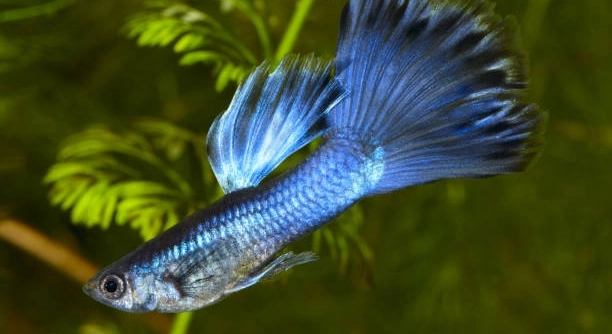
The easiest and most reliable way to stop guppies from overbreeding is to separate the males from the females. This method prevents unwanted pregnancies and keeps your tank from becoming overcrowded. You can identify males by their slender bodies and colorful tails, while females are typically larger and less vibrant. Use two tanks or a divider in a single tank to keep them apart. This strategy gives you complete control over when and if breeding happens. It also helps you manage tank cleanliness, food supply, and fish health more effectively, since overcrowding can stress guppies and lead to water quality issues.
This method works best when you identify and separate the fish early. Waiting too long can result in hidden pregnancies, especially since female guppies can store sperm for months after mating.
Be patient with this setup. It may take time to figure out the right balance, but it makes a big difference in the long run.
Use Same-Gender Tanks
Same-gender tanks eliminate the risk of breeding entirely. You’ll never have to worry about surprise fry showing up overnight.
A tank with only males tends to be more colorful and active, but occasional aggression may occur. Females are more peaceful, though less visually striking. Whichever you choose, make sure you confirm their gender before setting up your tank. Mistakes can happen, especially with juvenile guppies, so keep a close eye on them as they mature. Grouping by gender also helps you focus on tank maintenance and care without the added pressure of fry management. This setup is especially helpful for beginners or those with limited tank space. It reduces the need for fry traps or additional tanks and can be easier to maintain long-term. You’ll also save time and resources by not having to separate babies constantly or deal with population control after breeding has already occurred.
Add Natural Predators
Adding natural predators like angelfish or gouramis can help manage guppy fry by reducing their survival rate. These fish eat the baby guppies without harming the adults, keeping the population balanced without constant intervention.
Choose tank mates carefully to avoid stress or aggression toward your adult guppies. Predator fish should be peaceful enough to live with adult guppies but still have an appetite for fry. This method mimics natural ecosystems, where fry survival depends on hiding and luck. Adding dense plants like java moss or guppy grass helps fry hide, allowing some to survive while still controlling numbers. It’s a gentle and balanced way to prevent overcrowding. Monitor behavior during the first few days to ensure all fish are adjusting well to their new setup. If the adults show signs of stress, consider switching to a different predator species or adjusting the tank layout.
Some fry may still survive, especially in heavily planted tanks. While this method won’t eliminate breeding, it helps reduce the total number of fry that grow to adulthood. It’s a natural and effective form of population control when used with other strategies like separation or gender grouping. Just be sure your tank size and setup can support multiple species comfortably.
Lower the Water Temperature
Reducing the water temperature slows down guppy metabolism and reproductive activity. Keep the tank between 72°F and 74°F to create a calmer environment that discourages breeding. Avoid sudden changes, and use a reliable thermometer to monitor the temperature consistently.
Lower temperatures not only reduce mating behavior but can also lengthen the gestation period for any already-pregnant females. This gives you more time to prepare or separate them before new fry appear. Always balance temperature changes with the health needs of your other tank inhabitants.
Control the Light Exposure
Limit the tank’s light to around 8 hours a day. Guppies are more active in well-lit environments, and extended light exposure can trigger mating behavior. Keeping the tank in a dimmer space or using a timer helps regulate their activity and reduce breeding over time.
Avoid Overfeeding
Overfeeding encourages breeding by creating a nutrient-rich environment that supports fry survival. Feed small amounts twice daily, and remove uneaten food to prevent buildup. A cleaner tank with limited food reduces energy for reproduction and lowers the chance of fry reaching maturity.
FAQ
Can female guppies have babies without a male present?
Yes, female guppies can still have babies even if a male is no longer in the tank. This happens because they are able to store sperm from previous matings for several months. A single mating can result in multiple pregnancies, making it seem like new babies are appearing out of nowhere. If you’re trying to avoid fry, it’s best to separate females early—before they have a chance to mate—or start with an all-male tank from the beginning.
How do I tell male and female guppies apart?
Males are smaller, thinner, and more colorful with long, flowing tails. Females are larger, rounder, and usually a bit duller in color. You can also look for the gravid spot near the back of the female’s belly, which darkens during pregnancy. Gender can be harder to tell in younger guppies, so wait a few weeks before separating them if you’re unsure. A clear tank light can also help you spot the differences more easily when checking closely.
Do guppies eat their own babies?
Yes, adult guppies often eat their own fry. This behavior is common and serves as a natural way to control population in the tank. Fry are small and vulnerable, so unless they have dense plant cover or hiding spaces, many will be eaten shortly after birth. Adding floating plants or spawning mops helps some fry survive if you’re looking to raise a few. Otherwise, you can leave the tank as-is to let nature handle the population.
What’s the best plant to hide fry in a community tank?
Java moss is one of the best plants for hiding fry. It’s easy to grow, low-maintenance, and offers thick coverage where babies can hide from adult fish. Guppy grass is also popular because of its floating nature and dense structure. Both help improve fry survival by giving them shelter until they grow larger. Plus, these plants help filter the water naturally, which is helpful when dealing with active breeding tanks. Make sure to provide plenty of light for plant health without overstimulating the fish.
Will reducing feeding really help stop overbreeding?
Yes, feeding less does help. Overfeeding boosts energy levels and makes the tank more favorable for fry survival. When food is limited, guppies are less likely to breed frequently, and fry that are born have a lower survival rate due to fewer nutrients in the water. Stick to a small pinch of food twice daily, and remove any leftovers to keep the water clean. This also keeps your guppies healthier and reduces the risk of ammonia buildup in the tank.
How often do guppies breed?
Guppies can breed as often as every 30 days. Once pregnant, a female can give birth to anywhere from 20 to 50 fry at a time. Since they can store sperm, even a single exposure to a male can lead to multiple pregnancies. That’s why population control is so important early on. If left unchecked, your tank can quickly become overcrowded, leading to stress and poor water quality.
Do I need a second tank to manage breeding?
A second tank helps but isn’t always required. If you can’t manage a second setup, tank dividers work well for separating males and females. You can also use breeding boxes, though they should only be temporary. If you’re keeping a single-sex group or using natural predators, one tank is usually enough. Just make sure it’s properly sized and maintained.
Are guppies hard to manage once they start breeding?
They can be if you’re unprepared. Guppies are livebearers and reproduce quickly. Without a plan, the tank can become overcrowded in a few weeks. However, with strategies like separation, predator fish, and light control, managing breeding becomes much easier. Setting up your tank right from the start is key to preventing surprises.
What size tank is best to avoid overcrowding?
A 10-gallon tank is suitable for a small group of guppies, but if you plan to keep both sexes or allow some fry to grow, go with 20 gallons or more. More space helps keep the water stable and gives fish room to swim without stress. It also reduces aggression, which can increase in crowded tanks. Regular water changes and a strong filter are also important, especially if you’re dealing with frequent births.
Final Thoughts
Keeping guppy breeding under control takes a bit of planning, but it doesn’t have to be overwhelming. These fish are known for their fast reproduction, and if you’re not careful, your tank can fill up quickly. By managing lighting, adjusting feeding, and choosing the right tank mates, you can prevent unwanted fry from surviving and help maintain balance in your aquarium. It’s also helpful to separate males and females early, especially if you’re not ready to care for fry. Simple steps like these can save time and reduce stress later on.
Guppies are active, colorful fish that are enjoyable to watch, and part of their charm is how easy they are to care for. But with ease comes responsibility. A few small changes in your setup—like adding more plants, reducing light exposure, or feeding less—can help prevent overbreeding. There’s no single solution, so it’s okay to try different methods until you find what works best for your setup. Some aquarists choose to keep all males, while others let a few fry survive and rehome them later. Either way, what matters most is creating a healthy, stable environment for your guppies.
Every tank is different, and what works for one may not work for another. The key is to observe your fish, watch their behavior, and adjust your setup when needed. If you’re noticing too many fry or rising stress levels, it’s a sign that something might need to change. Taking a proactive approach makes a big difference and helps prevent issues before they get out of hand. With a little care and attention, you can enjoy your guppies without dealing with an overcrowded tank.

Hello,
If you enjoy the content that we create, please consider saying a "Thank You!" by leaving a tip.
Every little bit helps us continue crafting quality advice that supports the health, happiness, and well-being of pets around the world, for pets of all shapes, sizes, and species.
We really appreciate the kindness and support that you show us!