
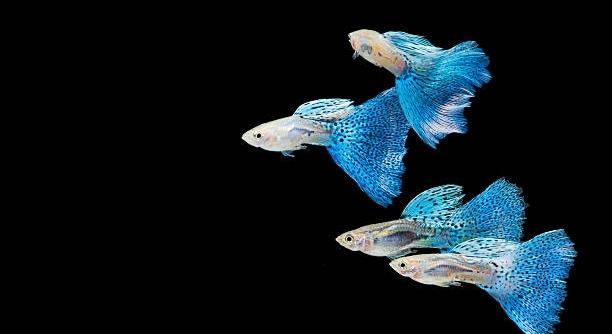
Keeping guppies happy and active in their aquarium can sometimes be tricky. They are lively little fish, but without the right conditions, they may lose their playful nature. Finding ways to keep them engaged is important for their health.
To maintain your guppies’ energy and liveliness, creating an environment that provides physical and mental stimulation is key. This includes proper tank setup, social interaction, varied feeding, and introducing appropriate tank mates to encourage natural behaviors.
Small changes in their environment can keep your guppies excited and active. By paying attention to their needs, you can enjoy watching them swim energetically.
Create a Comfortable and Safe Environment
Guppies thrive in environments that feel safe and secure. Keeping their tank clean, maintaining the right water temperature, and using proper filtration will help create a healthy space for them. Adding plants or decorations can make them feel more at ease. Guppies like places to hide and swim through, which reduces stress. If your tank is too bare, they may feel anxious and less active. Stability is key for keeping your guppies happy, so avoid sudden changes in the tank setup or water conditions. Regular water changes are necessary to prevent toxins from building up.
Even the smallest changes can make a big difference in their overall well-being. A stable environment reduces stress, which encourages natural behaviors.
Providing a safe and stable home makes guppies feel secure, so they can focus on swimming and exploring rather than hiding. Creating a peaceful tank environment will help them stay active, healthy, and playful.
Offer Varied and Nutritious Food
Proper nutrition is essential for keeping your guppies energetic. A balanced diet that includes both dry and live foods ensures they stay healthy and engaged. Guppies will appreciate a mix of flakes, pellets, and occasional treats like brine shrimp or daphnia. Feeding them a variety of foods stimulates their senses and prevents boredom. Overfeeding, however, can cause problems such as water pollution and obesity.
By giving your guppies a variety of foods, you encourage them to stay active. Proper feeding can enhance their energy levels, making them more playful.
A good mix of food types provides your guppies with the nutrients they need for a healthy, active life. Regularly changing their meals can prevent them from becoming disinterested in their food. The more variety you introduce, the happier and more playful they will be.
Provide Plenty of Swimming Space
Guppies need enough space to swim freely and express their natural behaviors. A cramped tank can lead to stress, reducing their activity. The general rule is one inch of fish per gallon of water. More space equals more movement, helping your guppies stay active and playful. A well-sized tank will also support water quality and oxygen levels.
When your guppies have enough space, they’re more likely to swim around, interact with each other, and explore their surroundings. A spacious tank helps to reduce territorial behaviors, making your guppies more social and less likely to hide. They’ll enjoy swimming through open areas, keeping their energy levels high.
Adding more space encourages your guppies to engage in natural swimming patterns, which is key for their mental and physical health. The larger the tank, the more likely your guppies are to swim actively, rather than remain still. With a spacious environment, your guppies will feel comfortable, and their playful behavior will increase.
Introduce Aquarium Mates
Introducing compatible tank mates is a good way to keep your guppies entertained. Guppies are social fish, and they enjoy the company of others. Adding species that get along with guppies can help encourage movement and interaction. However, make sure the tank mates aren’t too aggressive, as that could stress your guppies.
A well-chosen group of peaceful fish can create a lively atmosphere in your aquarium. Guppies enjoy the presence of other fish that swim at different levels in the tank. This not only encourages them to be more active but also provides them with social interactions that promote well-being. Fish like mollies, neon tetras, and endlers are great options that are safe and fun for guppies.
By introducing friendly tank mates, you create an active environment where guppies can display their natural curiosity. The interaction among fish encourages movement, as they swim in groups or chase each other playfully. This type of socialization helps to keep your guppies happy, and their energy levels stay high.
Use Colorful Decorations
Adding colorful decorations to your tank can motivate your guppies to swim and explore more. Brightly colored plants, rocks, or plastic structures can create a more stimulating environment. Guppies love to swim around objects, so having decorations that catch their eye is an easy way to encourage activity.
Decorating your tank isn’t just about aesthetics; it’s also about providing stimulation. Guppies will be more playful if they have places to hide and swim through. Use a mix of vibrant, soft, and textured items to give them more variety. This helps break up the monotony, keeping your guppies active.
Adjust the Lighting
Proper lighting can impact your guppies’ behavior. Too much or too little light can stress them out, leading to inactivity. Aim for natural lighting or adjustable tank lights that mimic the day-night cycle. This encourages healthy activity patterns and reduces stress.
A gentle light cycle simulates the day-night rhythm, which affects your guppies’ sleep and play times. Having a consistent schedule will help them feel secure, knowing when it’s time to rest and when it’s time to be active. Avoid harsh lights or sudden changes that could disturb their natural habits.
Keep the Water Temperature Stable
Maintaining a stable water temperature is key to keeping your guppies active. A temperature range of 72–82°F (22–28°C) is ideal. If the water is too cold or too warm, your guppies might become sluggish or stressed. A thermometer is an easy way to monitor and maintain the temperature.
Your guppies thrive in a stable environment. Fluctuations in temperature can lead to stress, making them less likely to swim or play. Use a reliable heater to keep the water temperature consistent, and always check the thermometer to ensure the environment stays within the optimal range.
FAQ
What’s the best tank size for guppies?
The ideal tank size for guppies is at least 10 gallons for a small group. The more space you can provide, the better. Guppies like to swim and explore, so a larger tank gives them room to move and interact. A 10-gallon tank can comfortably house 5 to 6 guppies, but for more active groups, consider going larger. A spacious environment also helps maintain better water quality, as larger tanks are easier to manage in terms of filtration and water changes.
Can I keep multiple male guppies together?
It’s not advisable to keep multiple male guppies in a small space, as they may become territorial and aggressive. Males will often compete for the attention of females, which can lead to stress and inactivity. If you want to keep several males, make sure there’s plenty of space and hiding spots to reduce aggression. You can also balance the male-to-female ratio by having more females to reduce competition.
Do guppies need to be in groups?
Yes, guppies are social fish and feel more comfortable in groups. They will swim together and interact with each other, which can help keep them more active and playful. A group of at least 3 to 5 guppies is ideal, as it allows them to feel secure and reduces stress. The more, the better—though keep in mind the size of your tank and the balance of males and females.
How often should I feed my guppies?
You should feed your guppies 1-2 times a day, ensuring they get enough but not too much. Overfeeding can cause obesity and water quality issues, so aim to feed them small amounts they can consume within 2-3 minutes. A varied diet that includes flakes, pellets, and occasional live food like brine shrimp or daphnia is best for their overall health and activity levels.
What should I do if my guppy is lethargic?
If your guppy is lethargic, check the water quality first. Poor water conditions, such as high ammonia levels, low oxygen, or incorrect temperature, can cause your guppies to become inactive. Ensure your tank has proper filtration and that the temperature is within the recommended range (72–82°F). If the water is fine, consider checking for signs of illness, such as faded colors, clamped fins, or unusual swimming behavior.
Why are my guppies not mating?
Guppies may not mate if they are stressed, not in the right water conditions, or if there are too many males. Stress can come from poor water quality, overcrowding, or inappropriate tank mates. Ensure your guppies have enough space, proper lighting, and a balanced male-to-female ratio (1 male to 2-3 females works best). If you’re still not seeing any mating behavior, ensure the water temperature is within the right range and that your guppies have a varied and nutritious diet to encourage breeding.
Can guppies live with other fish?
Guppies can live with many other species as long as they are peaceful and share similar water requirements. Fish like neon tetras, mollies, and other small, non-aggressive species are great tank mates. Avoid keeping them with larger, more aggressive fish that may nip at their fins or bully them. Always check compatibility before introducing new fish to your tank.
How do I know if my guppy is sick?
Signs that your guppy may be sick include faded colors, swimming erratically, clamped fins, or a lack of appetite. If you notice any of these symptoms, check the water quality immediately. Also, inspect the fish for any visible injuries, spots, or swelling that could indicate an infection. If symptoms persist, consider isolating the sick fish in a quarantine tank and seeking advice from a vet or aquatic expert.
Can guppies live without a filter?
While guppies can technically survive in a tank without a filter, it’s not ideal. A filter helps keep the water clean, oxygenated, and free from harmful toxins. Without proper filtration, you may need to perform frequent water changes to maintain water quality. A good filtration system is essential for the long-term health and activity of your guppies.
How do I reduce aggression in my guppy tank?
To reduce aggression in your guppy tank, ensure that there’s enough space for each fish to have its own territory. Add plenty of hiding spots like plants or decorations so the guppies can retreat if they feel threatened. Additionally, keeping a higher number of females than males can help reduce male competition and territorial behavior. Keeping the water conditions stable and stress-free also minimizes aggression.
Keeping your guppies active and playful is essential for their health and well-being. Providing the right environment, a balanced diet, and appropriate tank mates all contribute to creating a lively and happy home for your guppies. Remember that small changes, such as adding decorations or adjusting the water temperature, can make a big difference in their behavior. Ensuring they have enough space to swim and explore naturally encourages them to stay active. A consistent and stable environment also helps prevent stress, which can negatively impact their energy levels.
Feeding your guppies properly is another key aspect to consider. A variety of foods not only ensures they get the nutrients they need but also stimulates their senses and keeps them interested in their meals. Overfeeding can be harmful, so it’s important to stick to a regular feeding schedule and avoid giving them more than they can eat in a few minutes. Offering different types of food can also encourage them to move around more, making mealtime a fun and engaging activity for them.
Finally, the company of other compatible fish can keep your guppies social and engaged. Guppies are naturally curious creatures that enjoy interacting with their environment and other fish. By introducing peaceful tank mates and avoiding overcrowding, you create a dynamic, stimulating environment. With proper care and attention, your guppies will remain healthy, active, and full of life. Ensuring they feel safe, secure, and entertained is the key to helping them stay playful and vibrant in their aquarium.

Hello,
If you enjoy the content that we create, please consider saying a "Thank You!" by leaving a tip.
Every little bit helps us continue crafting quality advice that supports the health, happiness, and well-being of pets around the world, for pets of all shapes, sizes, and species.
We really appreciate the kindness and support that you show us!