
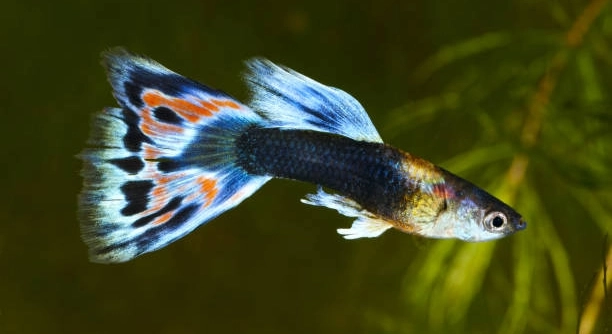
Do you ever find yourself watching your guppies swim and wonder why they avoid the stronger currents in your tank?
Guppies prefer slow water flow because it mimics their natural habitat, conserves their energy, and allows them to feed and breed more efficiently. Fast currents can cause stress and disrupt their normal behavior.
This article explores how water flow impacts guppies, from their comfort and feeding to their health and interactions within the tank.
Slow Water Lets Them Conserve Energy
In tanks with fast currents, guppies have to swim harder just to stay in place. This makes them use up more energy than they need to. Guppies are small fish with delicate fins, so swimming against strong flow tires them out quickly. In their natural environment, like shallow streams and still pools, the water moves gently. These calm spots let guppies glide with ease and save energy for things like feeding and breeding. If the flow is too strong, they may hide more or stick to the corners of the tank. This affects how they move and act overall. Slow water supports their calm nature and helps them stay active without feeling worn out. It’s also easier for them to stay balanced and avoid being pushed around, which helps them stay stress-free. A lower-stress environment leads to better health and a longer, happier life in your aquarium.
Without a strong current pushing them around, guppies can swim freely and comfortably in any part of the tank.
Too much swimming against strong water flow can wear out guppies and cause health problems over time. By choosing slower water flow, you’re giving your fish a space where they can relax, move with ease, and stay healthier. It’s a simple but important change that benefits them daily.
Slow Flow Helps With Feeding
In calmer water, food doesn’t get blown around as much, so guppies have a better chance of eating what they need without struggling.
Guppies are surface and mid-water feeders, and they need time to find and eat their food. When the water is moving too fast, food can quickly scatter across the tank or get pulled into the filter before they have a chance to reach it. This leads to wasted food and hungry fish. Slow flow keeps food in place longer, giving guppies time to grab what they need. It also makes feeding more peaceful, reducing competition and stress during mealtime. When guppies don’t have to fight the current for food, they stay healthier and maintain a good weight. Over time, this supports their immune system and overall well-being. Slow flow also keeps feeding areas consistent, so they know where to look each time. All of these small changes add up to better eating habits and happier guppies.
Slow Water Keeps Fry Safe
Guppy fry are weak swimmers when they’re born. A strong current can quickly push them around, making it hard for them to find food or stay near hiding spots. Slow flow keeps them safe and close to shelter.
In a low-flow tank, fry can stay tucked near plants, decorations, or breeding boxes without being swept away. This helps them stay hidden from adults that may try to eat them. It also means they don’t have to waste energy trying to swim against the water, which helps them grow faster. A calm environment gives fry a better chance to eat, stay safe, and develop properly. It’s also easier to spot them and check on their progress when they’re not being pushed all over the tank. Even a small drop in flow can make a big difference in fry survival rates. A slower pace supports their early life stage in a simple, effective way.
When fry feel secure and can eat without much effort, they have a stronger chance of survival. It also creates a more balanced tank environment, where adults and fry can live together more peacefully. Making the flow gentle helps prevent accidents, stress, and loss of young fish during these first important weeks.
It Reduces Tank Stress
Strong flow creates noise and movement that can overwhelm guppies. They may begin to act differently—hiding more often or avoiding certain areas. Over time, this behavior shows signs of chronic stress.
Stress impacts guppies in many small ways. It can lower their immune system, making them more likely to catch illnesses. It can also reduce their appetite and energy levels. In some cases, stressed fish show faded colors or swim with stiff, jerky motions. A tank with a softer, steadier flow helps prevent these problems before they start. When the water is calm, guppies feel safe to explore, feed, and interact like they normally would. This creates a more peaceful tank atmosphere overall. If they’re constantly battling strong currents, their stress continues to build, leading to long-term health issues. Slowing the flow is a simple adjustment that supports their comfort and long-term well-being without needing expensive equipment or big changes.
Easier Breeding Conditions
When the water is calm, guppies can court and mate without being interrupted by strong currents. It helps them stay near each other, which makes breeding smoother and more successful in a home aquarium.
Strong water flow can interrupt mating behavior or separate guppies before they finish the process. Slower water lets them interact naturally.
Better Tank Zones Stay Balanced
Slower flow helps create stable zones in your tank—like calm spots behind plants or decorations. Guppies can choose where they want to be, whether they’re resting, feeding, or interacting. This makes the tank feel more natural and less chaotic for them.
It Keeps Decorations From Shifting
Calm water helps decorations and plants stay in place. If the current is too strong, lightweight items may float or tip over, making the tank feel unstable. A stable setup gives guppies a sense of safety and keeps their home consistent.
FAQ
How can I tell if the water flow is too strong for my guppies?
If guppies are constantly swimming against the current, hiding in corners, or sticking to one side of the tank, the flow may be too strong. You might also see them avoiding open areas or looking like they’re being pushed around. They may even show signs of fatigue, like slower movement or resting more often than usual. Fins fluttering excessively or guppies hovering in place behind objects are also signs. When the flow is gentle enough, guppies should swim freely across the tank without looking like they’re struggling to keep up with the water movement.
What type of filter should I use to reduce water flow?
A sponge filter is a great choice for guppies. It creates gentle bubbles that won’t disturb the tank too much. You can also use a hang-on-back filter but reduce the output using a baffle or sponge over the outflow. Canister filters are fine too, as long as you adjust the flow settings. Aim the output toward the tank wall to slow the current. You can even place plants or decorations near the flow to break it up. The goal is to give your guppies areas of stillness while still keeping the tank clean and filtered.
Will reducing water flow hurt the water quality?
Not if you have the right filtration setup. As long as your filter is sized correctly for your tank, water quality won’t suffer. Flow rate isn’t the only factor that keeps your tank clean—good biological filtration and regular maintenance do most of the work. You can have a slower flow and still maintain healthy water by cleaning the filter, not overfeeding, and doing water changes regularly. It’s about balance: calm water doesn’t mean dirty water. Just keep an eye on your parameters, and your guppies will stay safe and comfortable.
Can too little flow cause problems in the tank?
Yes, if the water is completely still, it can lead to poor oxygen levels and uneven temperature. That’s why you don’t want to remove flow completely—just reduce it. There should still be some gentle movement at the surface to allow gas exchange. A slight ripple is enough in most guppy tanks. Also, stagnant water can let waste settle in one area, so it’s a good idea to vacuum the substrate often. Keep things balanced—enough flow for circulation, but not so much that it overwhelms the fish.
Do baby guppies need different flow settings than adults?
Yes. Fry are much weaker swimmers and can’t handle the same flow adults can. If you have a breeding tank or fry in the main tank, keep the flow extra gentle. Use sponge filters or reduce outflow strength until the fry grow bigger. You can also use floating plants or breeding boxes to help block the flow and create calm spaces for the babies. Watching how the fry move will help—if they’re struggling or being pushed around, the flow is still too strong for their size.
Is surface agitation important for guppies?
Yes, but it doesn’t need to be extreme. Guppies still need oxygen, and surface movement helps bring oxygen into the water. A gentle ripple or light bubbling at the top is usually enough. If the surface is completely flat and still, there might not be enough gas exchange happening. On the other hand, too much agitation can stress the fish. Aim for just enough movement to keep the water oxygenated without disturbing the fish. Air stones can help too, especially in larger tanks.
How do I adjust the flow without buying new equipment?
You can use a sponge or mesh to cover your filter’s outflow and slow it down. Some people use a plastic water bottle with holes poked in it to spread the water more gently. Aim the outflow toward a tank wall or into a plant to reduce direct current. Adding tall plants or decorations can also create natural buffers that break up the flow. Even small changes can make a big difference in how calm the tank feels for your guppies.
Final Thoughts
Creating the right environment for guppies is about paying attention to small details. One of those details is water flow. Many people focus on tank size, feeding, and water temperature, but flow can affect your guppies just as much. A strong current might seem harmless at first, but over time, it can make daily life harder for your fish. Slowing things down can lead to big improvements. Guppies feel safer, move more freely, and act more naturally in calm water. It’s a simple adjustment that doesn’t cost much or require fancy equipment. All it takes is a bit of planning and observation.
Guppies come from calm, shallow waters in the wild. When we set up their tanks to match that environment, they tend to stay healthier and more active. A slow water flow helps them eat better, rest easier, and avoid stress. It also supports fry survival, breeding, and a stable tank setup. If you notice your guppies hiding often or swimming hard against the current, that’s a sign the flow may be too strong. You don’t need to remove all movement—just create a balance. A filter that runs quietly, some soft plants, and a few decorations can do a lot to improve your setup. Your guppies will respond to the change in positive ways.
Watching your fish move calmly across the tank is a good sign. It shows they are comfortable and not working too hard just to get around. Whether you’re new to keeping guppies or have had them for a while, it’s worth checking how your water flow is set up. Think about where your filter is placed, how strong the current feels, and where your fish like to spend their time. If they’re staying away from certain areas, it might be due to strong water movement. Making a few small changes can lead to a more balanced, peaceful tank. In the end, creating the right flow is about understanding what your guppies need to live well. When they’re relaxed and healthy, it shows in how they swim, feed, and interact. A calmer tank isn’t just good for your fish—it also makes the whole aquarium easier and more enjoyable to care for.

Hello,
If you enjoy the content that we create, please consider saying a "Thank You!" by leaving a tip.
Every little bit helps us continue crafting quality advice that supports the health, happiness, and well-being of pets around the world, for pets of all shapes, sizes, and species.
We really appreciate the kindness and support that you show us!