
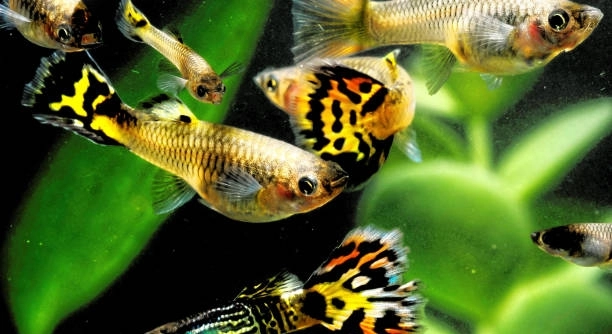
Guppies are active and lively fish, but if you notice yours swimming in short bursts, it may indicate an underlying issue. Understanding the reasons behind this behavior can help keep your fish healthy and happy.
Guppies swimming in short bursts are often responding to factors such as water quality, stress, or changes in their environment. This behavior can also be linked to illness, water temperature fluctuations, or even dietary concerns.
Addressing these causes can help improve your guppy’s well-being and prevent further stress.
Water Quality and Filtration
Water quality is the most common factor affecting your guppy’s swimming habits. If the water is polluted or contains high levels of ammonia or nitrites, your guppy may become stressed and swim erratically. Poor filtration can lead to water buildup of harmful chemicals, which irritates the fish and disrupts normal behavior. Regular water changes and monitoring of water parameters can prevent these issues. Using a good filtration system ensures the tank stays clean and minimizes the stress on your guppy.
Check the water’s pH, ammonia, nitrite, and nitrate levels regularly. Guppies thrive in water with a pH between 6.8 and 7.8. If the water is too acidic or alkaline, it can cause discomfort and erratic swimming.
Maintaining consistent water quality is essential for your guppy’s health. Using a water test kit can help you stay on top of these factors, ensuring your fish live in a safe and healthy environment. Keeping the water clean reduces the chances of them swimming in bursts due to environmental stress.
Stress and Environment
Stress can significantly affect a guppy’s behavior. Rapid swimming is often a sign of anxiety. Overcrowding, aggressive tank mates, or sudden changes in the environment, such as temperature fluctuations or loud noises, can cause your guppy to swim in short bursts.
Adding hiding spots or plants in the tank can help reduce stress. Guppies enjoy having places to retreat, especially if they feel threatened or overcrowded. Monitoring the tank’s population and ensuring the fish have enough space can prevent stress-induced behaviors.
Creating a calm and peaceful environment promotes healthier, more natural swimming patterns. Keeping the tank stable, free of aggressive species, and well-maintained helps keep your guppy from becoming stressed and swimming erratically.
Water Temperature
Temperature fluctuations can stress your guppy and cause erratic swimming. Guppies prefer stable water temperatures between 72°F and 82°F. If the temperature is too low or too high, it may trigger unusual swimming behavior. Invest in a reliable heater to keep the water temperature consistent.
If the water temperature is unstable, guppies may become lethargic or overly active, struggling to adjust. This stress can lead to short bursts of swimming as they attempt to find a comfortable space. Make sure to monitor the tank temperature regularly with a thermometer to prevent these disruptions.
A stable temperature helps regulate metabolism and activity levels. Sudden shifts can weaken the guppy’s immune system, making them more vulnerable to illness. Consistent, appropriate temperatures promote more natural swimming and healthier fish. This simple step can significantly reduce the risk of burst swimming patterns caused by temperature instability.
Illness and Injury
Illness or injury can also cause your guppy to swim in short bursts. When guppies are unwell, they may exhibit erratic movements as they struggle to cope with their discomfort. Some common symptoms of illness include lack of appetite, lethargy, or visible injuries.
It’s essential to monitor your guppy for signs of disease, such as unusual swimming patterns or abnormal behavior. Many illnesses, like swim bladder disease or parasites, can affect their movement. Identifying symptoms early on can help you treat the problem before it worsens.
If your guppy is injured or infected, you may need to isolate them to avoid spreading illness. Providing proper medication and treatment can restore normal swimming behavior.
Poor Diet
A poor diet can lead to irregular swimming patterns. Guppies need a balanced diet that includes high-quality flakes or pellets, supplemented with occasional live or frozen foods. If their nutrition is lacking, they may exhibit abnormal behavior, including swimming in bursts.
Overfeeding or underfeeding can also cause health problems. Ensure you are feeding your guppy the right amount, as too much or too little food can lead to bloating, stress, or malnutrition. This can cause discomfort and abnormal swimming movements.
A well-balanced diet supports your guppy’s overall health, ensuring they have enough energy and nutrients for normal activity levels.
Overcrowding
Overcrowding in a tank can lead to stress and erratic swimming. When there are too many fish in the tank, guppies may feel threatened or compete for space, causing them to swim in short bursts.
To avoid overcrowding, maintain an appropriate fish-to-water ratio. The general rule is one inch of fish per gallon of water. Ensuring the tank is spacious enough for all the fish will reduce stress and encourage more natural swimming behavior.
Providing enough room for each fish helps prevent aggressive interactions and promotes a calm, healthy environment. This will reduce burst swimming caused by competition for space.
Aggressive Tank Mates
Aggressive tank mates can make your guppy feel threatened, resulting in sudden bursts of swimming as a defense mechanism. If a fish is constantly chasing or nipping at your guppy, it can lead to stress and discomfort.
Choosing peaceful, compatible species for your guppy tank is key to maintaining a calm environment. Fish such as neon tetras or mollies are good tank mates that won’t provoke your guppy. Aggressive species like cichlids should be avoided.
Ensuring a harmonious tank setup prevents stress-induced behavior like erratic swimming. A calm tank helps your guppy thrive.
FAQ
Why is my guppy swimming in circles?
Swimming in circles can be a sign of stress or a health issue. It may happen due to poor water quality, an inappropriate temperature, or a lack of space. Fish can also swim in circles if they are suffering from a disease like swim bladder disorder or parasitic infections. Ensure the water is clean and the temperature is stable. If the behavior persists, consider isolating the guppy for closer observation and potential treatment.
Can guppies swim in short bursts due to boredom?
Yes, boredom can lead to increased swimming behavior in guppies. In tanks with limited space or few hiding spots, guppies may swim aimlessly or in short bursts due to lack of stimulation. Adding decorations, plants, and hiding places can help alleviate boredom. A more enriched environment will allow your guppy to engage in natural behavior.
How do I prevent my guppy from swimming too much?
To prevent your guppy from swimming excessively, maintain good water quality, avoid overcrowding, and ensure a balanced diet. Make sure the water temperature is within the ideal range of 72°F to 82°F. Additionally, provide enough hiding spots and plants to make the environment more comfortable. Stress management is essential to avoid bursts of swimming.
What does it mean if my guppy is swimming erratically after a water change?
Erratic swimming after a water change could be caused by sudden shifts in water parameters. Changes in pH, temperature, or hardness can stress your guppy and lead to abnormal swimming behavior. It’s best to perform partial water changes gradually and check the water parameters regularly to prevent drastic fluctuations.
Could my guppy’s swimming bursts be caused by parasites?
Yes, parasitic infections can cause unusual swimming patterns, including short bursts of swimming. If your guppy is infected with parasites like Ich or external worms, they may swim erratically or appear to scratch against surfaces. Examine your fish for visible signs of parasites and consider treating the tank with appropriate medications.
How can I tell if my guppy is stressed from overcrowding?
Signs of stress from overcrowding include rapid swimming, erratic movements, and hiding more often. Guppies may also display aggression or nibbling at each other. If your guppy is constantly darting around or struggling to find space, it’s a sign that the tank is too crowded. To resolve this, reduce the number of fish in the tank or upgrade to a larger tank.
Why is my guppy swimming upside down?
Swimming upside down may indicate a swim bladder disorder, which is a common issue among guppies. The swim bladder is responsible for buoyancy, and when it is damaged or infected, the fish may have difficulty controlling its movements. Overfeeding or poor water quality can contribute to this issue. If this happens, try isolating your guppy and consulting a vet for treatment options.
Can sudden water temperature changes cause my guppy to swim in bursts?
Yes, sudden changes in water temperature can cause a guppy to swim erratically. Fish are sensitive to temperature fluctuations, and drastic changes can cause stress or physical discomfort. It’s important to maintain a consistent water temperature and avoid making sudden changes, as it can lead to short bursts of swimming or even health problems.
How often should I clean my guppy’s tank to prevent erratic swimming?
Regular tank maintenance is essential to prevent stress and erratic swimming. Perform partial water changes every 1-2 weeks and clean the tank substrate as needed. Avoid overfeeding, as uneaten food can contribute to poor water quality. Keeping the water clean and the environment stable is vital for healthy fish behavior.
Can guppies swim in short bursts due to being pregnant?
Pregnant guppies may swim in short bursts as part of their natural behavior. When guppies are about to give birth, they can become more restless and may swim rapidly around the tank. This behavior usually subsides once the pregnancy is over and the fry are born. Ensure the guppy has a stress-free environment to ease the process.
Is my guppy’s burst swimming a sign of aggression?
Aggressive behavior can sometimes cause burst swimming, especially if your guppy feels threatened by other fish. However, guppies are generally peaceful, and aggression typically comes from tank mates, not from the guppy itself. If other fish are bullying or nipping, it can cause your guppy to swim erratically. Separate aggressive fish to restore peace in the tank.
What are the signs that my guppy is unhealthy?
Common signs of an unhealthy guppy include erratic swimming, loss of appetite, faded colors, or clamped fins. Unhealthy guppies may also swim at the surface or bottom of the tank or seem lethargic. If you notice these symptoms, check the water quality, diet, and overall environment, and isolate the fish if needed for treatment.
Final Thoughts
Understanding why your guppy swims in short bursts can help you maintain a healthier environment for them. There are several factors that can contribute to this behavior, such as poor water quality, temperature fluctuations, or stress from overcrowding. Identifying the cause early can prevent further health issues and improve your guppy’s overall well-being. Regular maintenance of your aquarium, including cleaning the tank and ensuring the water conditions are stable, is crucial for promoting healthy behavior. Keeping the tank environment calm and suitable for your guppy’s needs can help reduce erratic swimming.
Providing a balanced diet is equally important. Malnutrition or overfeeding can lead to health problems that might result in abnormal swimming behavior. Ensure that you’re feeding your guppy the right amount of food, and avoid leaving uneaten food in the tank. This will not only prevent the water from becoming polluted but will also help avoid digestive issues that can cause discomfort. It’s best to feed your guppy small amounts of food multiple times a day to maintain a healthy metabolism and energy levels.
Lastly, always keep an eye on your guppy for signs of illness or injury. Illnesses, parasites, and physical injuries can cause erratic swimming and should be addressed immediately. If you notice any changes in behavior that suggest stress or discomfort, it’s essential to assess the tank conditions, look for any signs of disease, and treat your fish accordingly. A well-maintained tank, proper diet, and regular health checks are key to keeping your guppy happy and healthy.

Hello,
If you enjoy the content that we create, please consider saying a "Thank You!" by leaving a tip.
Every little bit helps us continue crafting quality advice that supports the health, happiness, and well-being of pets around the world, for pets of all shapes, sizes, and species.
We really appreciate the kindness and support that you show us!