
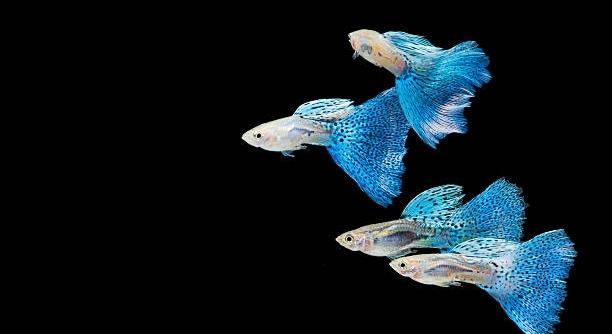
Guppies are popular aquarium fish known for their vibrant colors. Maintaining a stable environment is key to their well-being. One important factor in their care is the light they receive each day. Consistent lighting is vital for their health.
Guppies need consistent light to maintain a healthy circadian rhythm, regulate their feeding habits, and support overall biological functions. A steady light cycle helps prevent stress and promotes breeding, ensuring they thrive in their aquatic environment.
Maintaining proper lighting levels for guppies can improve their overall quality of life. Understanding how light affects their behavior will help you create a healthier aquarium environment.
Importance of Light in Guppy Health
Light plays a significant role in the overall health of guppies. A steady light cycle mimics natural day and night patterns, which is crucial for regulating their biological functions. Guppies, like other fish, have circadian rhythms, which depend on a consistent light-dark cycle. Disruptions to this cycle can cause stress and weaken their immune systems. Inconsistent lighting may also affect their feeding habits, making them less active or causing them to eat irregularly. Furthermore, guppies rely on light to help them differentiate between day and night, which is essential for their general well-being and reproductive behavior.
Providing your guppies with the right lighting helps regulate their body clocks and supports healthy development. It also contributes to maintaining their vibrant color.
In an aquarium setting, offering 10 to 12 hours of light per day, followed by a period of darkness, will best simulate their natural environment. This routine helps guppies maintain a healthy lifestyle, ensuring they thrive in your tank without unnecessary stress.
How Light Affects Guppy Behavior
Guppies are sensitive to light, and this sensitivity impacts their daily activities. Inadequate lighting can lead to lethargy, affecting their social behavior. They may swim less, avoiding interactions with other fish.
Guppies also rely on light for their breeding cycles. A stable light schedule encourages natural mating patterns, which is essential if you aim to breed them in your aquarium. Moreover, light stimulates their natural hunting instincts, as they become more active during the day, looking for food. The appropriate lighting can trigger an increase in their overall energy levels, promoting healthy activity.
By ensuring consistent light, you encourage your guppies to behave naturally and maintain a balanced life within your aquarium. This simple step helps them feel secure, interact with tank mates, and even breed if needed. A well-lit tank is essential for a happy, healthy guppy environment.
The Role of Light in Guppy Growth
Light influences the growth rate of guppies by supporting their metabolism and overall health. Consistent exposure to light helps regulate their feeding and activity levels, contributing to steady growth. Without proper lighting, their development can slow down, and they may appear smaller or weaker.
Young guppies, in particular, benefit from a regular light schedule. This exposure aids in their growth by promoting a healthy feeding routine. Guppies that experience inconsistent lighting may not grow as quickly or may become stunted. A stable light cycle ensures that their metabolic processes function optimally, fostering healthy development.
Providing adequate light also helps your guppies maintain their vibrant coloration. Without proper light, guppies may lose some of their natural hues, affecting their appearance. Maintaining a consistent light schedule will keep your guppies healthy, allowing them to grow at a normal pace and showcase their natural beauty.
How Light Helps Regulate Guppy Feeding Habits
Light directly impacts the feeding behavior of guppies. A consistent light cycle helps to regulate when they are most active and ready to eat. With a predictable day-night pattern, guppies can maintain a healthy feeding schedule.
Guppies are diurnal creatures, meaning they are most active during the day. When provided with a proper light cycle, they will follow natural feeding habits, becoming more active and eating more during the daytime hours. Inconsistent lighting may confuse their sense of time, leading to erratic feeding behaviors and poor health.
By ensuring your guppies have steady light throughout the day, you will encourage regular feeding. This promotes not only growth but also prevents underfeeding or overfeeding, ensuring that your guppies stay healthy and energetic.
The Impact of Light on Guppy Reproduction
Consistent lighting plays a crucial role in guppy reproduction. A regular light cycle supports their breeding behaviors, helping males and females maintain a natural rhythm for mating. Without proper light, reproduction may be delayed or disrupted.
Providing stable light encourages males to display their vibrant colors to attract females. This natural behavior supports successful mating and reproduction. Without consistent light, guppies may not breed as effectively, impacting their population.
Light and Guppy Stress Levels
Light fluctuations can increase stress in guppies. Stress may lead to health problems, weakened immune systems, and reduced lifespans. Maintaining a regular light schedule can prevent this.
Guppies are sensitive to sudden changes in their environment. Unpredictable lighting can confuse their internal clocks, making them feel insecure. A steady light schedule reduces this stress, promoting a calmer environment for your fish. It helps guppies feel comfortable and safe in their habitat.
The Link Between Light and Guppy Coloration
Proper light is essential for the bright, vivid colors of guppies. Light helps highlight their natural hues, contributing to their vibrant appearance. Without adequate lighting, they may appear dull or faded.
When guppies are exposed to consistent light, it stimulates their pigment production, allowing their colors to shine. This natural light cycle mimics the conditions in their native environment, helping to maintain their striking color patterns. Bright, consistent lighting makes your guppies more visually appealing and healthier overall.
FAQ
How many hours of light do guppies need each day?
Guppies need about 10 to 12 hours of light each day. This amount helps regulate their circadian rhythms and supports their natural behaviors. It’s important to have a consistent light cycle to avoid stress. You can use a timer to ensure your aquarium light is on for the proper duration each day.
Can guppies tolerate a dark period?
Yes, guppies need a period of darkness each day. Like all living organisms, they require rest. A dark period of 10 to 12 hours allows them to sleep and maintain their natural cycles. It’s essential to provide this balance between light and darkness to keep your guppies healthy.
What happens if guppies get too much light?
Too much light can lead to stress and may cause guppies to become more anxious. Constant exposure to light disrupts their natural rhythms, leading to abnormal behavior and health issues. Over time, excessive light can also encourage algae growth in the aquarium, creating an unhealthy environment.
Can guppies live without a light source?
While guppies can survive without artificial light, they do need a light cycle to stay healthy. In the wild, they are exposed to natural light during the day and darkness at night. If there’s no artificial light in the tank, ensure they are near a natural light source to maintain a proper day-night cycle.
Does the type of aquarium light affect guppies?
Yes, the type of aquarium light can affect guppies. LED lights are often the best choice for guppies as they provide a consistent, energy-efficient light source. Some specialized aquarium lights are designed to enhance the colors of fish, including guppies. Be sure to choose a light that mimics natural sunlight for the best results.
Do guppies need UV light?
UV light is not essential for guppies, but it can be beneficial. UV light helps kill harmful bacteria and encourages plant growth in the tank. However, providing regular aquarium lighting that mimics natural sunlight should be enough to keep guppies healthy without the need for specialized UV lighting.
Can guppies adjust to changes in lighting?
Guppies can adapt to minor changes in lighting, but sudden shifts can cause stress. Gradual adjustments are always best when changing the light in their aquarium. If you plan to change the light schedule, do it slowly over several days to allow the guppies to acclimate without causing unnecessary stress.
What light should I use for guppies to breed?
To encourage breeding, ensure your guppies have a consistent 12-hour light cycle each day. A high-quality aquarium light that simulates natural sunlight is ideal. This helps regulate their biological clocks and promotes healthy breeding behavior. You can also provide some low-intensity light during the night to ensure a balanced environment.
How do I know if my guppies are stressed from the light?
Signs that guppies are stressed from light include hiding more often, reduced activity, and a lack of appetite. They may also swim erratically or appear less vibrant in color. If you notice these signs, it may be a sign that the lighting is too harsh or inconsistent for them.
Can I use a timer for my aquarium lights?
Yes, using a timer for your aquarium lights is an effective way to maintain a consistent light schedule. Timers are convenient and ensure that the light cycle stays regular, which is important for guppy health. Set the timer for 10 to 12 hours of light and 12 hours of darkness to create the best environment for your fish.
Do guppies need bright light to thrive?
Guppies do not need bright light to thrive. A moderate, consistent light that mimics natural sunlight is sufficient. Bright lighting may cause stress and disrupt their natural behavior. It’s important to create a balanced environment with gentle lighting that encourages a healthy, peaceful atmosphere for your guppies.
Can guppies breed in low light?
Guppies can breed in low light, but providing proper lighting conditions will improve their chances of successful reproduction. Consistent lighting promotes healthy mating behaviors, and a light cycle that mimics natural conditions supports their biological needs. Without adequate lighting, guppies may not breed as frequently or successfully.
Do I need to change the light in my aquarium regularly?
Aquarium lights don’t need to be changed frequently, but they should be replaced when they start to dim or flicker. Over time, light bulbs lose their effectiveness, and the quality of light decreases. Keeping the light in good condition ensures that your guppies receive the proper light levels they need to stay healthy.
Is it okay to have light on at night for guppies?
It’s best to avoid keeping the light on at night for guppies. They need a dark period to sleep and regulate their internal clocks. However, you can use low-intensity blue or moonlight LED lights if you want to maintain some lighting in the tank. It should be dim enough not to disturb their rest.
How can I simulate natural light for guppies?
To simulate natural light, use an aquarium light that mimics the spectrum of sunlight. Choose an LED light with a color temperature between 6,500K and 10,000K, which closely resembles natural daylight. Using a timer to regulate the light on and off period also helps to maintain a natural day-night cycle.
Are there any special lighting needs for guppy fry?
Guppy fry do not require special lighting beyond the standard lighting needs of adult guppies. However, providing a gentle light source is important. Too bright a light can be stressful for fry, while too little light may affect their growth. Ensure a consistent light cycle that supports their development.
Can I use natural sunlight for my guppy tank?
Natural sunlight can be used for a guppy tank, but it’s important to monitor the temperature and light intensity. Too much direct sunlight can overheat the water or cause algae growth. If you choose to use natural light, ensure the tank is placed in an area that provides indirect sunlight for a few hours each day.
What is the best lighting duration for guppies in a community tank?
In a community tank, it’s important to provide guppies with 10 to 12 hours of light per day. This helps regulate their behavior and encourages breeding. Other fish in the tank should also be taken into account when determining the light cycle to ensure all species are comfortable.
Final Thoughts
Maintaining a consistent light cycle for your guppies is essential to their health and well-being. The right amount of light helps regulate their natural behaviors, including feeding, resting, and breeding. A regular light schedule mimics the natural day-night cycle that guppies would experience in the wild, making them feel more comfortable and less stressed. This simple step can improve their overall quality of life, prevent health issues, and ensure that your guppies are thriving in their environment.
It’s important to strike the right balance when it comes to lighting. Too much light can cause stress and promote excessive algae growth in the tank, while too little light can disrupt your guppies’ natural cycles. Keeping the lighting moderate and consistent, around 10 to 12 hours a day, will help your guppies maintain a healthy routine. Using a timer can make this process easier by ensuring that the light is on and off at the right times. By maintaining the right lighting conditions, you are not only enhancing their environment but also fostering their long-term health.
The type of light you choose for your guppy tank also matters. LED lights are often the best choice for aquarium setups, as they are energy-efficient and can provide the proper light spectrum for your fish. If you’re looking to bring out the vibrant colors in your guppies, opt for lights that mimic natural sunlight. Whether you’re caring for a few guppies or a whole school, consistent lighting is key to creating a healthy and happy environment for them.

Hello,
If you enjoy the content that we create, please consider saying a "Thank You!" by leaving a tip.
Every little bit helps us continue crafting quality advice that supports the health, happiness, and well-being of pets around the world, for pets of all shapes, sizes, and species.
We really appreciate the kindness and support that you show us!