
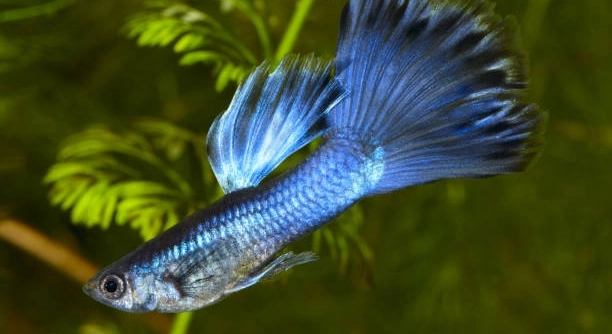
Guppies are popular, vibrant fish known for their easy care requirements, but creating the best environment for them goes beyond just keeping the water clean. Plants play an essential role in their tank, offering benefits that can improve their overall health and well-being.
Plants in a guppy tank help improve water quality, provide hiding spots, and create a more natural environment for the fish. They also aid in reducing stress, supporting breeding behavior, and can even assist in maintaining balanced oxygen levels.
Adding plants to your guppy tank will not only enhance its beauty but also make the environment healthier. Keep reading to learn about the many advantages of having plants in your tank.
Plants Improve Water Quality
In a guppy tank, water quality is essential for fish health. Plants help maintain this by absorbing excess nutrients such as nitrates and phosphates from the water. These nutrients often build up from fish waste and uneaten food. Without plants, high levels of these compounds can lead to algae blooms, which reduce water clarity and oxygen levels, potentially harming your fish.
Plants absorb these nutrients efficiently, acting as natural filters. They also release oxygen, helping keep the water clean and breathable for your guppies. Healthy plants create a balanced ecosystem by absorbing the pollutants that would otherwise harm your fish. This results in a cleaner, more stable environment where your guppies can thrive.
In addition to their filtration benefits, plants contribute to the overall health of the tank by providing a more stable pH balance. With plants actively cleaning the water, guppies experience fewer health problems, and the chances of algae growth are minimized. This natural approach to filtration is one of the best reasons to add plants to your tank.
Plants Provide Hiding Spots
Guppies are naturally curious and often like to explore their surroundings. Plants offer safe hiding spots that give your guppies a sense of security.
These hiding spots reduce stress, especially for young or shy guppies. In a tank without plants, guppies can feel exposed, making them more prone to anxiety or aggression. Plants also offer shelter during breeding, providing privacy and security for the fish.
In addition to physical protection, plants can also reduce the chances of guppies becoming territorial or aggressive towards each other. When there is more space to explore and hide, guppies are less likely to feel crowded. With the right plant arrangement, your guppies will feel at ease and more comfortable in their environment. This can lead to happier, healthier fish that are more active and social.
Plants Create a Natural Environment
Guppies are naturally found in calm, plant-filled waters. Adding plants to their tank helps replicate their natural habitat, which can have a positive impact on their behavior and well-being. In the wild, plants offer shelter, food sources, and surfaces for guppies to rest and hide. By introducing plants into their tank, you provide a similar experience that makes them feel more comfortable and secure.
Plants can also help to mimic the ecosystem found in natural bodies of water. They promote a balanced cycle where water quality remains stable, which is essential for the guppy’s health. In this kind of environment, guppies are more likely to breed successfully and exhibit natural behaviors. With the presence of plants, guppies will feel less stressed and more in tune with their surroundings, allowing them to exhibit behaviors they might not in a bare tank.
Having plants in the tank adds a visually appealing element to the aquarium as well. The natural beauty of plants not only benefits the guppies but also enhances the aesthetic of your tank. With different varieties of plants, you can create a stunning underwater landscape that reflects the guppy’s true habitat, making your tank a beautiful and functional environment.
Plants Help with Oxygen Levels
Plants in the aquarium play a crucial role in maintaining optimal oxygen levels. As plants photosynthesize, they release oxygen into the water, which is vital for the guppies’ survival.
Oxygen is needed by fish for respiration, and plants ensure a constant supply. In tanks without plants, oxygen levels may deplete over time, especially if there are many fish. This can result in oxygen deficiency, causing stress for the fish and leading to potential health issues.
The oxygen provided by plants also helps support other beneficial organisms in the tank. It creates a healthier overall ecosystem, promoting the well-being of guppies and any other tank inhabitants. With proper plant care, your guppies will have access to the oxygen they need to thrive and live their best lives.
Plants Help with Breeding Behavior
Plants provide an essential role in encouraging breeding among guppies. Female guppies seek refuge in plants when they’re ready to give birth. The cover plants provide helps the newborn fry stay hidden from adult fish and other potential threats.
Plants also offer hiding spaces where female guppies feel safe and secure to reproduce. This environment allows guppies to engage in natural courtship behavior. When plants are present, guppies can establish territories and create comfortable spaces to mate.
With adequate plants, your guppies are more likely to breed successfully, as the plants offer necessary shelter and protection for both the parents and their offspring. This enhances the breeding process and helps maintain a healthy guppy population in the tank.
Plants Help Control Algae Growth
Having plants in the tank naturally reduces algae growth by competing for the same nutrients. When plants absorb nutrients like nitrates, algae have fewer resources to thrive.
This helps keep the tank cleaner and reduces the amount of manual cleaning required. Without plants, algae can quickly take over, creating murky water and an unpleasant tank environment. Plants, on the other hand, help maintain a healthy balance.
Healthy, growing plants take in excess nutrients that would otherwise contribute to algae blooms. By preventing algae from flourishing, plants help maintain a stable environment. This means less maintenance and clearer water, which results in a better habitat for your guppies.
Plants Promote Healthy Growth
Plants help maintain a stable and balanced tank environment, which promotes the overall health of guppies. They contribute to better water quality and offer a natural habitat, reducing stress and making it easier for guppies to thrive.
Healthy plants can also help reduce the occurrence of diseases in the tank. By maintaining a clean and oxygen-rich environment, plants make it easier for guppies to remain active and healthy. When guppies are less stressed and exposed to fewer toxins, they are better able to grow and reproduce.
Plants Enhance Tank Aesthetics
Plants not only provide functional benefits but also enhance the visual appeal of your guppy tank. Their vibrant colors and variety of textures create an inviting and beautiful underwater landscape.
They offer natural beauty that complements the lively colors of guppies. The addition of plants adds a calming, natural element to your aquarium, making it more enjoyable to look at. Plants also provide different layers, helping create a more dynamic and balanced environment that benefits both the fish and the tank’s overall look.
Plants Support Natural Behavior
Guppies naturally seek out plant-covered areas in the wild to rest, forage, and hide. By adding plants to their tank, you encourage more natural behaviors, allowing them to feel more at ease.
This allows guppies to act as they would in nature, helping them feel less stressed and more comfortable in their environment. Providing plants encourages guppies to explore, socialize, and establish territories, all of which are important for their well-being.
FAQ
Why do guppies need plants in their tank?
Guppies benefit greatly from having plants in their tank. Plants help maintain water quality by absorbing excess nutrients and providing oxygen. They also offer shelter and hiding spots, reducing stress and promoting natural behaviors. Additionally, plants create a more natural, aesthetically pleasing environment for guppies, supporting their overall health and breeding habits.
What are the best plants for a guppy tank?
Some of the best plants for a guppy tank include Anubias, Java Fern, Hornwort, and Amazon Sword. These plants are easy to care for, grow well in low light, and provide ample hiding spaces for guppies. Floating plants like Water Sprite can also be great for offering shade and shelter. It’s important to choose plants that are non-toxic and suitable for the water conditions your guppies need.
Can guppies live without plants in their tank?
Yes, guppies can survive without plants, but their health and behavior may be affected. Without plants, the tank lacks natural filtration and hiding spaces, which can lead to higher stress levels and poor water quality. Plants provide important benefits like oxygen production, water filtration, and security, all of which make a big difference in the long-term well-being of your guppies.
How do plants help with guppy breeding?
Plants offer a safe, secure environment for guppies to breed. Female guppies often seek shelter among plants when they are ready to give birth, offering protection to the fry. The plants also allow for natural courtship and mating behaviors. With plants in the tank, guppies are more likely to breed successfully as the plants provide privacy and reduce stress, improving the chances of healthy offspring.
Do plants help with algae control in a guppy tank?
Yes, plants can help reduce algae growth in a guppy tank. Plants absorb excess nutrients such as nitrates and phosphates that algae feed on. When plants use these nutrients, there’s less available for algae to grow, helping to prevent unwanted blooms. By keeping algae under control, plants help maintain cleaner water and a healthier environment for your guppies.
How often should I clean my plants in a guppy tank?
Cleaning your plants is essential to maintain a healthy tank environment. While plants themselves help filter the water, you still need to clean them periodically to prevent algae buildup. Gently wipe down the leaves with an aquarium-safe brush or cloth every 1-2 weeks. Remove any dead or decaying plant matter to avoid water quality issues. Keep an eye on the plants for any signs of disease or rot, and trim them when necessary to maintain their health.
Can I use live plants and artificial plants together in my guppy tank?
Yes, you can use both live and artificial plants in the same tank. Live plants offer natural filtration and a more authentic environment for your guppies, while artificial plants can add extra decoration or provide additional hiding spaces. However, it’s important to choose high-quality artificial plants that won’t harm your guppies or snag on their fins. Aim to have at least a few live plants for the benefits they provide, while artificial plants can be used as an additional aesthetic feature.
How do plants improve the oxygen levels in a guppy tank?
Plants contribute to better oxygen levels by performing photosynthesis, a process where they take in carbon dioxide and release oxygen into the water. This helps maintain healthy oxygen levels, which is essential for the survival of guppies and other tank inhabitants. Plants provide a natural, sustainable way to ensure your guppies have access to clean, oxygenated water, promoting their overall health and activity.
Do guppies eat plants?
Guppies may nibble on plants occasionally, but they are not typically plant-eaters. They are more focused on eating small organisms like algae, detritus, and other microscopic creatures in the tank. However, some guppies may occasionally munch on soft-leaved plants, especially if food is scarce. In general, live plants should be safe in a guppy tank, but if your guppies seem to be over-eating the plants, you may want to adjust their diet or add more robust plants.
Can I grow plants in a guppy tank with low light?
Yes, many aquarium plants thrive in low-light conditions. Plants like Anubias, Java Fern, and Cryptocoryne are ideal for low-light tanks. These plants don’t require intense lighting to grow, making them perfect for guppy tanks with less natural or artificial light. When selecting plants for low-light conditions, make sure to choose varieties that can tolerate the light levels you can provide, as some plants require more intense lighting to thrive.
How can I prevent plants from getting overcrowded in my guppy tank?
Regular trimming is key to preventing plants from overcrowding in your tank. Remove dead leaves and trim overgrown plants to maintain a balanced environment. If your plants are growing too quickly, consider removing some and giving them to other aquarists or transplanting them to a larger tank. Overcrowding can block light for other plants, so keep an eye on growth and remove excess plant matter when necessary.
Do guppies prefer floating plants?
Guppies enjoy floating plants because they offer shaded areas where they can rest and hide. Floating plants like Water Sprite or Frogbit provide a natural canopy in the tank that mimics the conditions of their wild habitats. These plants offer privacy, which is important for breeding and for providing guppies with a safe place to retreat when they feel stressed. Floating plants can also help control algae growth by reducing the amount of light that reaches the tank’s surface.
Can plants improve the overall aesthetic of the guppy tank?
Plants greatly improve the look of a guppy tank. Their vibrant green leaves and natural textures create a more dynamic and visually appealing underwater landscape. Plants also soften the appearance of the tank, making it feel more serene and natural. This not only benefits the guppies but also creates a beautiful display for anyone who enjoys looking at the tank. The combination of plants and guppies can transform your tank into a stunning and healthy aquatic environment.
Final Thoughts
Adding plants to your guppy tank can make a big difference in the overall health and happiness of your fish. Plants help improve water quality by absorbing excess nutrients and providing oxygen. This natural filtration reduces the risk of harmful toxins building up in the tank, which can lead to water imbalances that negatively affect your guppies. Without plants, you may find it harder to maintain clean water, and your guppies could experience higher stress levels, leading to potential health issues.
Besides improving water quality, plants offer guppies much-needed hiding spaces, which is important for their mental well-being. Guppies, especially the younger ones, can feel vulnerable in a tank without plants, as there are no places to escape from other fish or potential threats. Plants provide a safe space for guppies to rest, explore, and even breed in a more natural and secure environment. These hiding spots encourage healthier and less stressed behavior, contributing to more active and social fish.
Finally, plants help create a more natural and beautiful aquarium. Guppies naturally thrive in environments where they have access to plants and other forms of shelter. With the addition of plants, your tank can look more vibrant and inviting, making it a pleasant space to observe. The variety of plants available allows you to customize your tank, giving it a unique and natural look while supporting your guppies’ needs. A healthy, plant-filled tank not only benefits the fish but also enhances your overall aquarium experience.

Hello,
If you enjoy the content that we create, please consider saying a "Thank You!" by leaving a tip.
Every little bit helps us continue crafting quality advice that supports the health, happiness, and well-being of pets around the world, for pets of all shapes, sizes, and species.
We really appreciate the kindness and support that you show us!